
Review · MUMBAI
Mumbai: Dhobi Ghat Tour with Dharavi and Train Ride Options
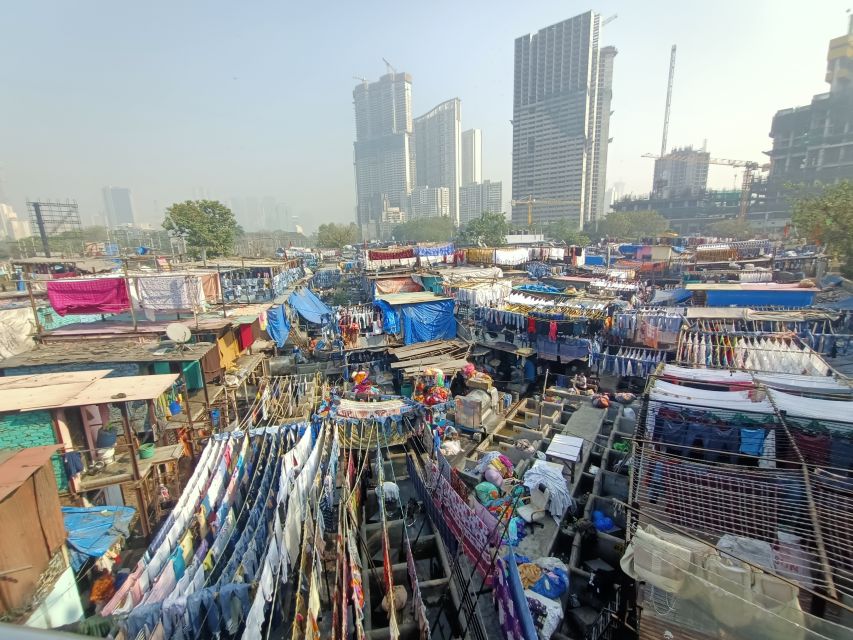
Mahalaxmi Dhobi Ghat is one of Mumbai’s most unusual working sights: hundreds of dhobis wash, beat, dry, and press clothing in an open-air laundry that has operated for more than a century. You see an active workplace, not a museum display, with rows of color and families handling different stages of the job.
I like the close look at traditional laundry work and the chance to ask questions through an English-speaking guide. I also like that you can add a Dharavi visit and a train ride, making this more than a quick photo stop. The main caution is duration: one booking was advertised as an hour but ended after about 10 minutes, so confirm the exact itinerary and length before you pay.
Key points to know before booking
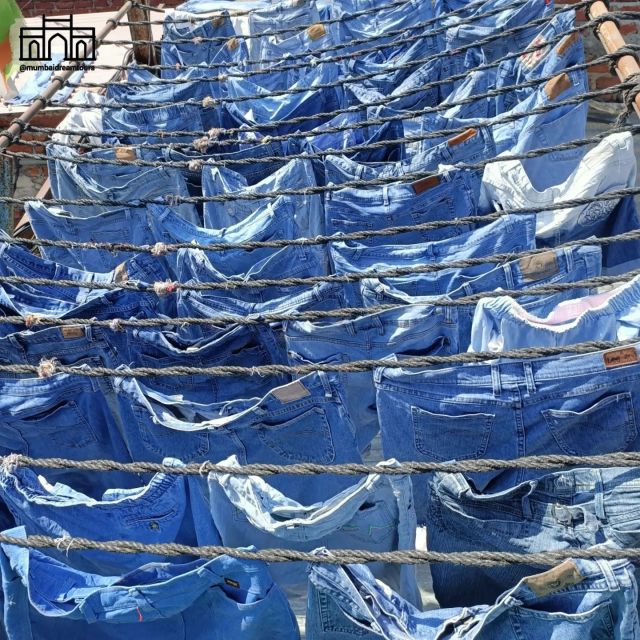
- Mahalaxmi Dhobi Ghat remains a working laundry: Clothes are washed, dried, and pressed on site, with much of the work still done by hand.
- The guide adds useful context: Rakesh is specifically praised for answering questions and leading visitors through narrow alleys.
- Dharavi and the train ride are optional: Check which package you are buying, since the meeting point can change by option.
- The scene is highly photogenic: Rows of colored clothing and washing troughs create strong visual interest, but you are entering a workplace.
- The price is low, but time matters: At about $11 per person, the tour can be good value if you receive the promised route and duration.
- The experience has mixed feedback: Several bookings describe an interesting, enjoyable visit, while one reports a serious mismatch between the promised and actual length.
Why Mahalaxmi Dhobi Ghat is worth seeing

Mumbai is full of grand monuments, but Dhobi Ghat offers a different kind of city story. You see work. Clothes arrive dirty from around Mumbai, pass through several stages, and leave clean, dry, crisp, and pressed. The process connects homes, hotels, hospitals, restaurants, and other businesses to the people who wash and finish their laundry.
The facility is described as the world’s largest open-air laundry. That title is memorable, but the real value is watching how the system works at ground level. This is not simply a row of washing stations set up for visitors. It is a long-running livelihood, with dhobi families sharing tasks and working through the day.
Much of the labor is still manual. One person may flog clothing in a washing trough, while another hangs it out to dry. Someone else handles the final pressing with a heavy charcoal iron. Some families use machines to help with parts of the job, but the old methods remain central to what you see.
I find that detail important. It keeps the visit from becoming a quick exercise in taking colorful photographs. You are looking at a trade passed through families, shaped by routine, physical effort, and careful coordination.
More Train Journeys around Mumbai:
- Dabbawala, Dhobi Ghat & Dharavi slum Tour with Local Train Ride
★ 5.0 · 102 reviews - Mumbai: Dharavi Slum and Dhobi Ghat Tour with Train Ride
★ 5.0 · 9 reviews - Primmum Mumbai Sightseeing With Local Train Ride Experience
★ 5.0 · 7 reviews
Starting the guided visit at Mahalaxmi
The meeting point depends on the package you choose, so check your confirmation closely. The basic option focuses on Dhobi Ghat, while packages may add Dharavi and a train ride. The activity ends back at the meeting point.
Your guide provides the main context. Without explanation, you might see only rows of clothes, concrete washing spaces, and workers moving from one task to the next. With a guide, you can understand the role of the dhobi, the age of the facility, and the way each family member contributes.
The English-language format suits visitors who want a simple explanation while walking. Rakesh is named as one guide who answers questions well and keeps a relaxed manner. His route is also described as passing through dark, narrow alleys that you would be unlikely to visit alone. That can add a stronger sense of place, though you should stay with the guide and follow any instructions given at the site.
Expect the setting to feel practical rather than polished. There is no promise of a staged presentation or tidy visitor center. You are seeing a working laundry, so the interest comes from the activity itself.
Watching clothes move through the washing process
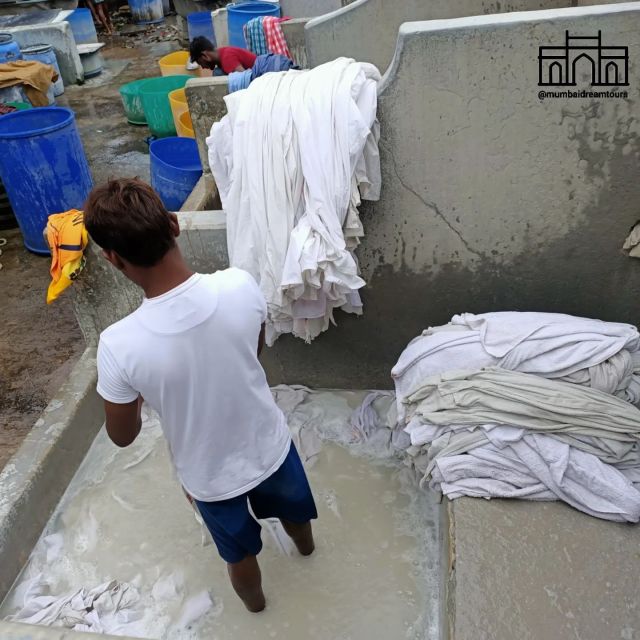
The most useful way to view Dhobi Ghat is as a chain of jobs. Clothes are washed, beaten, rinsed, dried, and pressed. The work may look repetitive at first, but the guide can help you notice the division of labor.
The washing troughs are central to the scene. Clothing is handled by hand, and the physical force used to clean it is part of the old method. After washing, clothes are hung out to dry. Rows of fabric bring color and movement to an otherwise hard-working industrial space, which explains the site’s appeal to photographers.
The final pressing stage is just as interesting. Bulky charcoal irons are used to give clothing a crisp finish. This is a striking contrast with the quick, machine-based laundry routines familiar to many visitors. You see how much effort goes into making ordinary clothing ready for use again.
You may also see machines assisting some families. That detail prevents an overly romantic picture of the work. Dhobi Ghat is not frozen in time. It uses traditional methods while adapting parts of the process to modern equipment.
The human side of a family-run trade

The tour’s strongest educational point is the family structure behind the work. Each family member may handle a different part of the process. One person washes, another dries, and another presses. The result depends on everyone doing a small job properly.
That arrangement gives you a clearer idea of why a guide matters. The work is easy to watch but harder to interpret. A guide can explain who the dhobis are, why the site matters to Mumbai, and how the separate jobs fit together.
The experience also asks for some respect. You are visiting a workplace where people are earning their living, not a performance staged for an audience. Keep the camera directed at the surroundings and activity in a considerate way, and follow the guide’s lead about where to walk and where to stop.
The photographic appeal is obvious, with lines of clothing and repeated washing bays creating strong patterns. Still, I would treat photography as a bonus. The best reason to come is to understand a working part of Mumbai that most city sightseeing does not cover.
Same tracks, a different carriage:
- Mumbai City + Dabbawala aka Lunchbox + Train Ride Tour – The Unfeigned Mumbai.
★ 5.0 · 6 reviews - Dharavi Slum & Dhobi Ghat Mumbai: Private Guided Tour
★ 5.0 · 4 reviews - Dhobi Ghat Laundry and Dharavi Slum Tour with Local Train
★ 5.0 · 4 reviews - Mumbai Unseen: Local Train Ride And Sightseeing Tour
★ 5.0 · 3 reviews
Adding Dharavi to the same outing

Dharavi is available only when you select the appropriate option. The supplied information does not give a detailed route or list individual stops, so you should not assume that every package covers the same places. Confirm what the Dharavi portion includes before booking.
The pairing makes sense. Dhobi Ghat shows a specialized laundry trade, while a Dharavi visit can add another look at Mumbai’s working communities and small-scale industry. Together, the two parts may give you a fuller picture of how people work and earn money in the city.
The drawback is that extra options can make the day harder to judge. The meeting point may change, and the total duration is not clear from the available details. If you want only the laundry visit, choose the basic Dhobi Ghat option. If you want a broader experience, ask exactly how much time is allocated to each part.
What the train ride adds
A train ride is also available as an option. The information confirms that it is part of selected packages, but it does not specify the route, stations, or length. Ask for those details before booking if the train is a major reason for choosing this tour.
The train option can make the experience feel more connected to ordinary movement around Mumbai. Instead of seeing the city only from a sightseeing vehicle or on foot, you get a view of local rail travel. One booking specifically enjoyed the train ride along with the laundry history.
Still, keep your expectations precise. You are not buying a detailed railway tour based on the information provided. You are adding a train segment to a Dhobi Ghat experience. The value depends on how clearly the operator explains the route and how much time it takes.
Is the $11 price good value?
The advertised price is $11 per person, which is modest for a guided Mumbai activity. The basic package can offer good value if you want a focused introduction to Dhobi Ghat and a guide who explains what you are seeing.
The price becomes more appealing when the guide provides real context. A short walk without explanation would be easy to arrange from outside, but the history of the site, the role of the dhobis, and the family division of labor give the visit more substance.
The important warning is the reported duration problem. One person paid £14, or about 1,400 rupees, for a confirmed one-hour tour and said the guide ended the visit after roughly 10 minutes. That is not good value at any price. Since the basic information does not state a clear standard duration, ask how long your selected option lasts and what is included.
The different package choices also affect value. A Dhobi Ghat-only visit should be judged as a short cultural stop. A package with Dharavi and the train ride may justify more of your day, but only if those additions are clearly described.
Guide quality can shape the whole visit
This is a guide-led experience, so the person leading you matters. Rakesh receives especially strong praise for answering questions, keeping a relaxed attitude, and taking the group through places it would not likely explore alone.
That kind of guide can turn a simple look at washing troughs into a useful lesson about Mumbai. Ask questions about the dhobis, the family roles, the clothing process, and the way machines are used. The more you engage, the more you are likely to get from the visit.
At the same time, do not assume every booking will have the same guide or the same result. The provider is Mumbai Dream Tours, and English is the listed language, but no fixed guide is guaranteed in the supplied details. The mixed experience makes it sensible to confirm the guide, start point, route, and length before setting out.
A good guide should also manage the balance between curiosity and respect. This is a real workplace. Explanations should help you understand the people and process rather than reduce the site to a colorful backdrop.
Who will enjoy this experience most?
I would recommend Dhobi Ghat to anyone who wants to see Mumbai beyond major landmarks. It suits photographers, people interested in working life, and first-time visitors who want a short cultural activity with a clear subject.
It is also a good choice if you enjoy asking questions. The process is simple to watch, but the social and practical details are what make it worthwhile. A guide such as Rakesh can help you notice the parts that are easy to miss.
Families and older visitors may prefer the Dhobi Ghat-only option if they want to keep the outing focused. The Dharavi and train choices may appeal to people who want a fuller city experience, but the added walking and transport details should be checked first because they are not fully described.
I would be more cautious if you want a tightly timed, polished excursion. The unclear duration and one very short reported visit create a real risk. Confirm the plan in writing, especially if you are fitting this between other Mumbai activities.
Practical booking advice
Choose the package carefully. The Dhobi Ghat tour, Dharavi tour, and train ride are not automatically the same product. Your meeting point may vary with the option, and the activity finishes back at that meeting point.
Ask these questions before booking:
- How long is the Dhobi Ghat portion?
- Is the Dharavi visit included in this price?
- Is the train ride included, and what route does it take?
- Where exactly do I meet the guide?
- Which guide is leading the tour?
- Does the tour return to the original meeting point?
The booking terms allow you to reserve now and pay later, which helps if your Mumbai schedule is still changing. Cancellation is allowed up to 24 hours before the activity for a full refund. Those terms are useful, but they do not replace checking the actual tour length.
Should you book the Dhobi Ghat tour?
Book it if you want a low-cost, guide-led look at a working side of Mumbai and you are interested in how clothing is washed, dried, and pressed by hand. The site is unusual, visually strong, and far more meaningful when the guide explains the dhobi families and their roles.
Choose the Dharavi and train additions only after confirming the route and timing. If the guide is Rakesh, you can expect a relaxed, question-friendly approach based on the available feedback, but guide assignments are not guaranteed.
My final advice is simple: confirm the duration before paying. At about $11, this can be a worthwhile cultural stop. A full, well-guided visit offers a close look at a remarkable Mumbai institution. A 10-minute visit does not.
FAQ
Where does the Dhobi Ghat tour take place?
The tour takes place at Mahalaxmi Dhobi Ghat in Mumbai, Maharashtra.
What is Mahalaxmi Dhobi Ghat?
It is a large open-air laundry that has operated for more than a century. Dhobis wash, dry, and press clothing brought from around Mumbai.
Is the laundry work done by hand?
Much of the work is done by hand, including washing clothes in troughs, hanging them to dry, and pressing them with heavy charcoal irons. Some families also use machines.
Is a guide included?
Yes. The experience includes a guided Dhobi Ghat tour, with English listed as the tour language.
Is Dharavi included in every booking?
No. The Dharavi tour is included only when you select that option.
Is the train ride included in every booking?
No. The train ride is included only with selected options.
Can I pay later?
Yes. You can reserve your place and pay nothing at the time of booking.
What is the cancellation policy?
You can cancel up to 24 hours in advance for a full refund.
Where does the activity end?
The activity ends back at the meeting point, though the meeting point may vary according to the option you book.
New on the timetable around Mumbai
- Mumbai Unseen: Local Train Ride And Sightseeing Tour★ 5.0 · 3 reviews
- Dharavi Slum & Dhobi Ghat Mumbai: Private Guided Tour★ 5.0 · 4 reviews
- Mumbai Slum Tour with Dhobi Ghat Laundry & Train Ride Tour★ 5.0 · 2 reviews
- All in one-Combo of City, Dhobighat, Slum & Dabbawala with ferry and train ride.★ 4.5 · 2 reviews
- Meet Dabbawala Visit Dhobi Ghat & Dharavi slum with Train★ 5.0 · 2 reviews
- Dhobi Ghat Laundry and Dharavi Slum Tour with Local Train★ 5.0 · 4 reviews
- Dabbawaala Dhobi Ghat Dahravi slum With Local Train Ride★ 5.0 · 2 reviews
- Best Combo Tour: Dabbawalas, Dhobi Ghat and Slum with Train★ 3.5 · 3 reviews
Other India Train Journeys worth a seat

“Taj Mahal” Tour from Delhi by India’s Fastest Train (Gatiman Express)
Read our review →

Taj Mahal Day Trip From Delhi By Superfast Train With 5* Meal
Read our review →
Private Day Tour of Taj Mahal by India’s Fastest Train or Car – All Inclusive
Read our review →
Taj Mahal Tour with High-Speed Train Experience – All Inclusive
Read our review →
Dabbawala, Dhobi Ghat & Dharavi slum Tour with Local Train Ride
Read our review →
Agra-Delhi One Day Trip By India’s Superfast Train
Read our review →Lists this ride appears on