
Review · MUMBAI
Dabbawaala Dhobi Ghat Dahravi slum With Local Train Ride
Mumbai’s famous lunch-box system is only the beginning here. You’ll meet the dabbawalas, see laundrymen working at Mahalaxmi Dhobi Ghat, then ride a local train and enter Dharavi with a guide who lives in the neighborhood. I like the way this connects three very different parts of city life: transport, work, and home-based industry. I also like the local guide’s direct connection to Dharavi, which can give the visit more context than a sightseeing stop alone.
The main drawback is the pace and subject matter. This is a packed, walking-heavy outing through narrow lanes, working homes, and small businesses, not a relaxed city tour. You’ll need comfortable shoes, an open mind, and respect for privacy. Pregnant women are advised not to book.
What makes this Mumbai tour worth considering
- Dabbawalas at work: Learn how about 5,000 lunch-box carriers move roughly 130,000 meals around Mumbai each day.
- Mahalaxmi Dhobi Ghat: Look down on one of Mumbai’s best-known open-air laundries, with rows of concrete washing pens.
- A local train ride: Use Mumbai’s famous railway system as part of the experience instead of only viewing the city from a vehicle.
- Dharavi’s working economy: See leather production, pottery, soap making, bakeries, dyeing, plastic recycling, and reused cooking-oil cans.
- A guide with a personal link: The guide lives in Dharavi, giving you a chance to hear about the area from someone connected to daily life there.
- A careful choice for curious visitors: The tour shows real work and homes, but you should treat Dharavi as a living community, not a stage set.
Starting with Mumbai’s lunch-box heroes
The dabbawala visit gives this tour its strongest opening. A dabbawala is a lunch-box delivery worker. The word means someone who carries a box, with dabba referring to the metal or aluminum container used for the meal.
The system is simple in appearance and difficult in practice. Workers collect filled lunch boxes from homes, send them through Mumbai’s transport network, deliver them to offices, collect the empty boxes, and return them to the homes that prepared the meals. This cycle happens six days a week, for most of the year.
The scale is remarkable. Around 5,000 dabbawalas handle about 130,000 lunch boxes each day. That means roughly 260,000 collection and delivery movements are completed within about six hours. The operation grew long before computers and mobile phones became part of ordinary work, so the system depends on careful sorting, shared routines, and local knowledge.
I like this stop because it gives you a useful key to Mumbai. The city can appear chaotic at first, yet the lunch-box network depends on order hidden inside that apparent confusion. You are not simply hearing a business success story. You are seeing how a large city relies on ordinary workers to solve a very practical daily problem.
Do not expect a long formal meeting with a dabbawala unless the day’s arrangements allow it. The supplied information promises a chance to meet them, but it does not give a specific meeting point, time, or named dabbawala. Confirm those details before booking if that personal contact is the main reason you want the tour.
More Train Journeys around Mumbai:
- Dabbawala, Dhobi Ghat & Dharavi slum Tour with Local Train Ride
★ 5.0 · 102 reviews - Mumbai: Dharavi Slum and Dhobi Ghat Tour with Train Ride
★ 5.0 · 9 reviews - Primmum Mumbai Sightseeing With Local Train Ride Experience
★ 5.0 · 7 reviews
Seeing the washing pens at Mahalaxmi Dhobi Ghat
Dhobi Ghat is Mumbai’s famous open-air laundry near Mahalaxmi railway station. It is easy to spot from the flyover bridge and sits near the Saat Rasta roundabout. The site contains rows of concrete washing pens, each with its own stone used for beating and cleaning clothes.
The dhobis wash clothing connected with Mumbai’s hotels and hospitals, so the location is more than a colorful photo stop. It is a working service area. You’ll see the physical effort behind clean linens and uniforms, carried out in the open rather than hidden inside a modern industrial plant.
The best view is from above, where the repeating rows and compact layout make sense. From that angle, you can understand the scale of the operation without wandering through the washing area. That matters because this is a workplace, not a museum designed for visitors.
I like Dhobi Ghat as a counterpoint to the dabbawala system. Both rely on routine, labor, and precise handwork, yet they serve different parts of Mumbai’s daily life. One moves food across the city. The other cleans what the city uses.
Be sensible with photographs. The information provided describes the site and its public viewing position, but it does not promise a special photography session or access inside every working area. Follow the guide’s instructions and do not treat workers as background scenery.
Taking a Mumbai local train
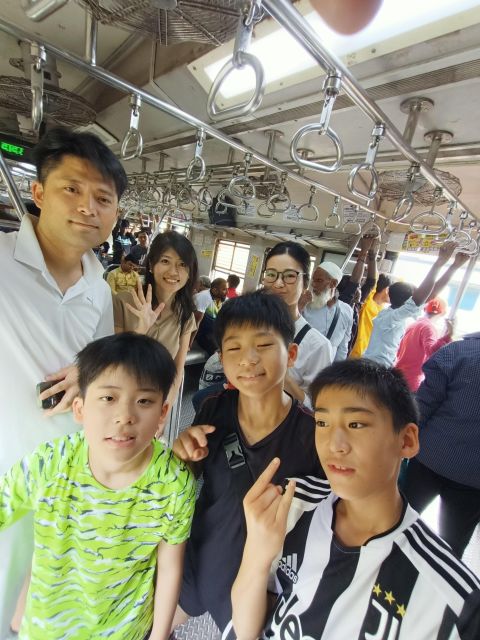
The train ride adds a useful piece of ordinary city life. Mumbai’s local railway is not included as a decorative extra. It is one of the systems that helps the metropolis function, and riding it gives you a more direct sense of how people move between the city’s many work and residential areas.
The exact route, station sequence, train class, and travel time are not specified, so ask for those details before you pay. Your comfort may depend on how much walking and standing the route involves. Comfortable shoes are specifically recommended, and they are a sensible choice for the whole day.
I like the train portion because it links the stops together. You are not simply being driven between attractions and dropped into separate worlds. The ride helps you understand that Dhobi Ghat, the dabbawala network, and Dharavi all belong to one connected city.
At the same time, a local train is public transport. Conditions can vary, and the experience may feel crowded or fast-moving. This is not the right choice if you need a slow, quiet outing or find busy transport difficult. The tour data also says the experience is not suitable for pregnant women.
Entering Dharavi with a local guide
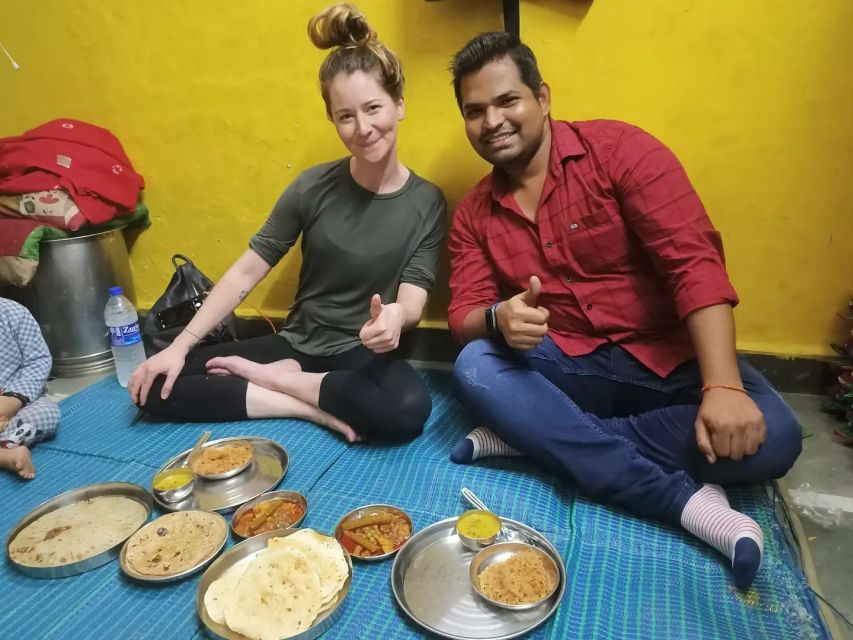
Dharavi began in 1882 during the British Raj and now occupies valuable land near the center of Mumbai. Calling it only a slum misses much of what you will see. It is also a residential district and a place where people run workshops, make products, recycle materials, bake, trade, and support local institutions in very limited space.
The guide himself lives in Dharavi. That is one of the most important details of the experience. A local guide can help you understand the lanes and businesses as part of a neighborhood rather than presenting the area as an unusual spectacle.
You should still keep your expectations realistic. The tour does not turn Dharavi into a simple feel-good story, nor should it. Homes, workplaces, schools, hospitals, and markets exist close together. The narrow lanes can be busy, and personal space may be limited. You are entering a real community where people are carrying on with their day.
The guide can help explain the difference between what you see and what you may assume. A small workshop does not automatically mean an informal tourist display. A narrow lane does not tell you the whole story of the people who live there. Listen first, ask before photographing, and keep your attention on the work and setting rather than trying to collect dramatic images.
Same tracks, a different carriage:
- Mumbai City + Dabbawala aka Lunchbox + Train Ride Tour – The Unfeigned Mumbai.
★ 5.0 · 6 reviews - Mumbai: Dhobi Ghat Tour with Dharavi and Train Ride Options
★ 3.4 · 5 reviews - Dharavi Slum & Dhobi Ghat Mumbai: Private Guided Tour
★ 5.0 · 4 reviews - Dhobi Ghat Laundry and Dharavi Slum Tour with Local Train
★ 5.0 · 4 reviews
Small industries packed into narrow lanes

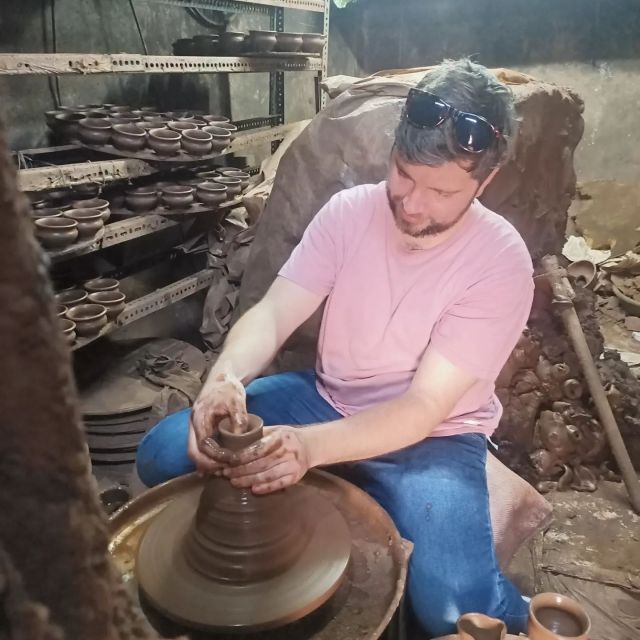
The Dharavi portion is built around its working economy. You may see leather industries, pottery, soap making, bakeries, color dyeing, plastic recycling, and the recycling of vegetable-oil cans. These stops show how production can happen in very small spaces.
Leather work gives you a look at a trade that depends on skilled handling and repeated manual tasks. Pottery offers a different kind of work, with materials shaped and fired for sale. Soap and dye production show how everyday goods can be made locally instead of arriving from a distant factory.
The recycling stops are especially useful for understanding Dharavi’s role in Mumbai. Plastic and used oil containers are not simply discarded. They can become part of a local chain of collection, sorting, cleaning, and reuse. The tour’s value here is practical: you see how limited space and limited resources can produce a working business network.
You might find the bakery more familiar, but it still helps complete the picture. Dharavi is not only a place of industrial labor. It also supplies everyday goods and services for people living nearby.
The guide may bring you through small alleys where workshops, houses, and markets sit close together. That proximity is one of the most revealing parts of the visit, but it also calls for care. Keep your group together, avoid blocking doorways, and let the guide manage the pace.
Schools, hospitals, homes, and a market
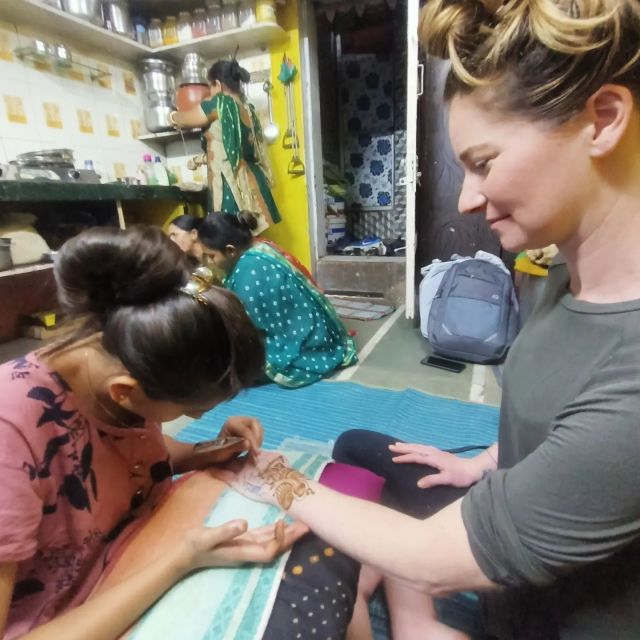
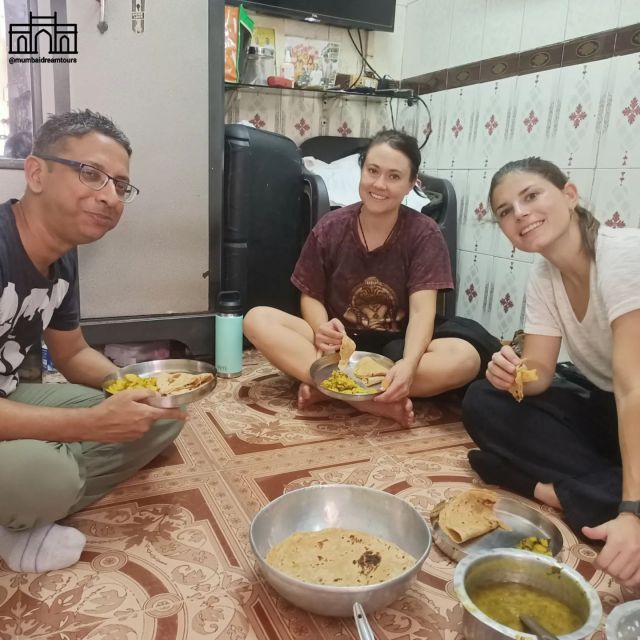
The tour includes schools and hospitals, as well as houses in Dharavi. These stops matter because they move the experience beyond production. A neighborhood is defined not only by what it makes, but also by where people study, receive care, shop, and return at the end of the day.
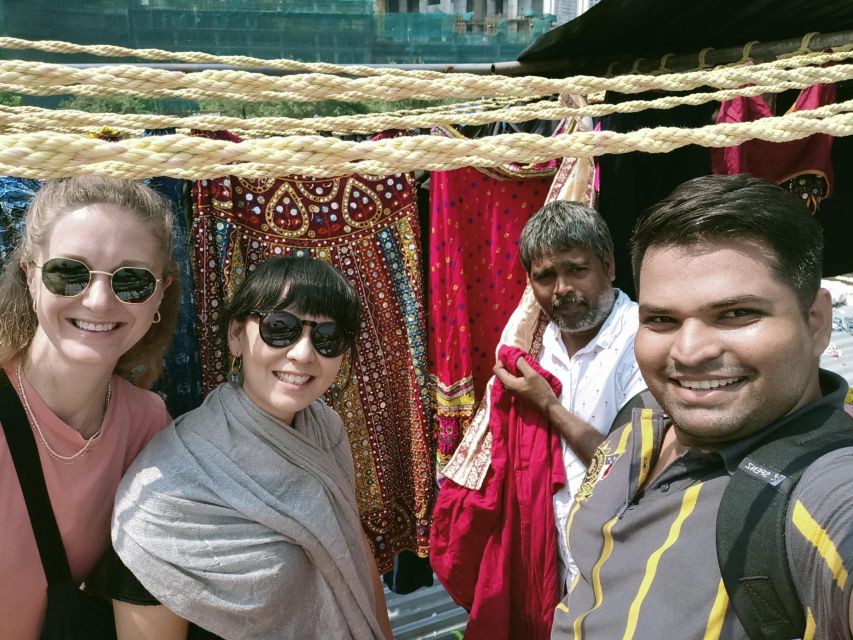
The slum market adds another layer. Markets show how residents buy and sell goods within the community, often close to the homes and workshops that support them. You may find this more informative than a polished retail street because it shows local trade in its ordinary setting.
One unusual detail is a shrine for Hindus being made by Muslim people. This offers a small example of religious cooperation in a shared neighborhood. It should not be treated as proof that all community relations are simple, but it is a meaningful detail to notice.
The mention of the location used in Slumdog Millionaire will interest film fans. Still, I would place it behind the living neighborhood itself. The film connection may help you recognize a site, but the more useful question is how Dharavi functions today.
Is the 34-dollar price good value?

At $34 per person, this is good value if you want several connected experiences in one outing. You receive access to a dabbawala-focused visit, Dhobi Ghat, a local train ride, and a guided walk through Dharavi. You also get interpretation of industries and community life that would be hard to understand from a taxi window.
The price is less compelling if you only want famous sights or a short photo tour. Much of the value depends on the guide’s explanations and the quality of the Dharavi visit. Since the guide lives in the area, that personal connection is an important reason to choose this tour over a simple viewpoint stop.
The experience is offered in English. You can also reserve now and pay later, which helps if your Mumbai plans are still changing. Cancellation is allowed up to 24 hours in advance for a full refund.
The duration is not provided, and neither are the exact meeting arrangements or group size. Ask about those points before booking. They affect the practical value of a tour that combines walking, train travel, and several stops.
How to prepare for the day
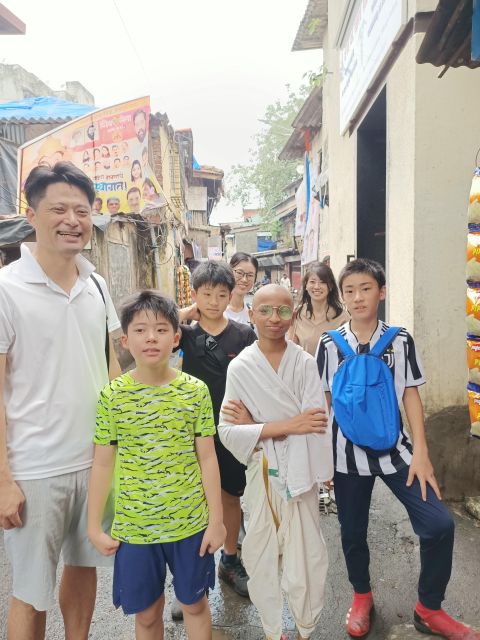
Wear comfortable shoes. That is the one stated packing requirement, and it matters because the itinerary includes a local train ride, Dhobi Ghat viewing, and walking through narrow Dharavi lanes.
Bring patience as well as curiosity. Some parts of the day may be visually striking, while others may involve ordinary work that deserves quiet attention. Alcohol and drugs are not allowed.
I would also prepare to limit photography unless the guide gives permission. The tour enters homes, work areas, markets, and public institutions, so a respectful approach protects the people who make the experience possible.
This outing suits adults and older children who can manage a busy, working environment and listen to local guidance. It is not suitable for pregnant women, according to the tour information. If you prefer air-conditioned transport, fixed sightseeing stops, and predictable facilities, choose a simpler city tour instead.
Should you book this Mumbai combo tour?
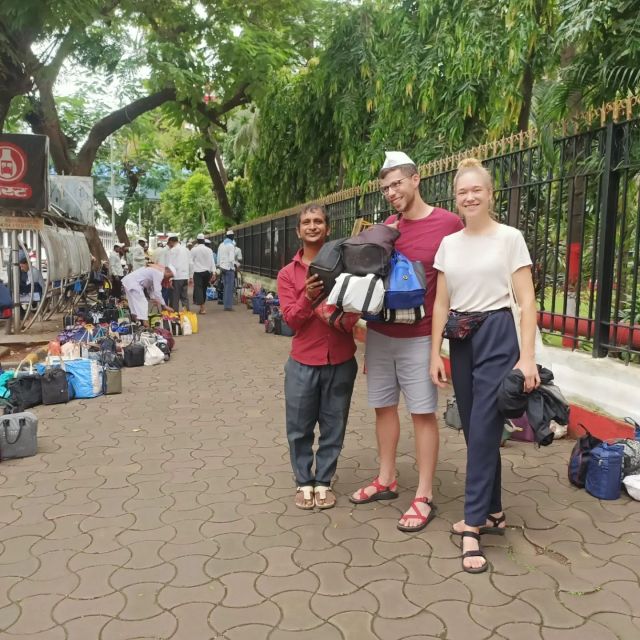
Book it if you want to understand Mumbai through its workers and neighborhoods rather than only through monuments. The strongest combination is the dabbawala story, the Dhobi Ghat laundry, and Dharavi’s small industries, with the train ride tying the city together.
I would book it especially if the local guide’s connection to Dharavi matters to you and you are willing to visit with humility. I would skip it if you want a leisurely outing, dislike public transport, or are mainly seeking photographs.
Before confirming, ask for the meeting point, schedule, local train route, group size, and the exact arrangements for meeting the dabbawalas. If those details suit you, $34 buys a practical and unusually people-centered view of Mumbai.
FAQ
What is included in the Mumbai combo tour?
The experience includes a visit connected with Mumbai’s dabbawalas, Mahalaxmi Dhobi Ghat, a Dharavi tour, and a local train ride. The Dharavi portion can include leather work, pottery, soap making, bakeries, color dyeing, plastic recycling, vegetable-oil-can recycling, markets, schools, hospitals, homes, and small alleys.
Is the tour offered in English?
Yes. English guidance is provided.
Does the guide live in Dharavi?
Yes. The guide himself lives in the Dharavi community.
How much does the tour cost?
The listed price is $34 per person.
What should I bring?
Wear comfortable shoes. The experience includes a local train ride and walking through working areas and narrow lanes.
Is the tour suitable for pregnant women?
No. The tour information says it is not suitable for pregnant women.
Can I cancel and receive a refund?
Yes. You can cancel up to 24 hours in advance for a full refund. You can also reserve and pay later, so you do not have to pay at the time of booking.
New on the timetable around Mumbai
- Mumbai Unseen: Local Train Ride And Sightseeing Tour★ 5.0 · 3 reviews
- Dharavi Slum & Dhobi Ghat Mumbai: Private Guided Tour★ 5.0 · 4 reviews
- Mumbai Slum Tour with Dhobi Ghat Laundry & Train Ride Tour★ 5.0 · 2 reviews
- All in one-Combo of City, Dhobighat, Slum & Dabbawala with ferry and train ride.★ 4.5 · 2 reviews
- Meet Dabbawala Visit Dhobi Ghat & Dharavi slum with Train★ 5.0 · 2 reviews
- Mumbai: Dhobi Ghat Tour with Dharavi and Train Ride Options★ 3.4 · 5 reviews
- Dhobi Ghat Laundry and Dharavi Slum Tour with Local Train★ 5.0 · 4 reviews
- Best Combo Tour: Dabbawalas, Dhobi Ghat and Slum with Train★ 3.5 · 3 reviews
Other India Train Journeys worth a seat
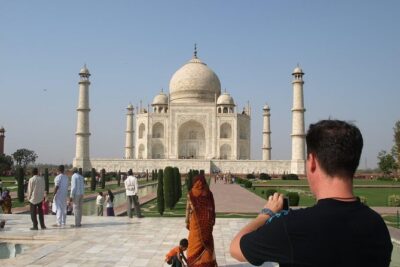

“Taj Mahal” Tour from Delhi by India’s Fastest Train (Gatiman Express)
Read our review →

Taj Mahal Day Trip From Delhi By Superfast Train With 5* Meal
Read our review →
Private Day Tour of Taj Mahal by India’s Fastest Train or Car – All Inclusive
Read our review →
Taj Mahal Tour with High-Speed Train Experience – All Inclusive
Read our review →
Dabbawala, Dhobi Ghat & Dharavi slum Tour with Local Train Ride
Read our review →
Agra-Delhi One Day Trip By India’s Superfast Train
Read our review →Lists this ride appears on