
Review · MUMBAI
Dhobi Ghat Laundry and Dharavi Slum Tour with Local Train
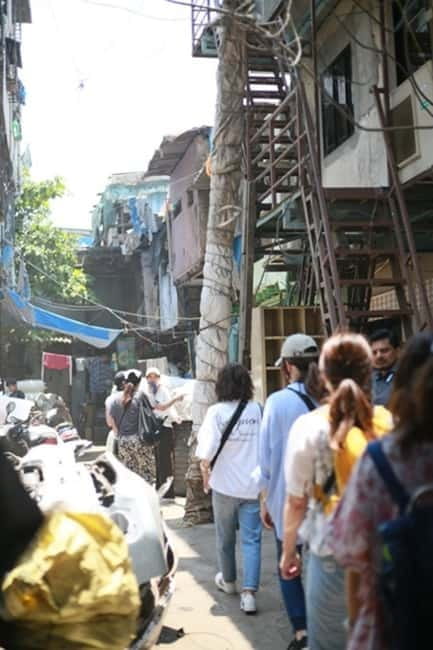
Mumbai’s laundry never seems to stop, and Dhobi Ghat gives you a close look at the human system behind it. You watch washers sort, scrub, dry, and iron clothing in rows of open-air concrete troughs before taking a short local train ride to Dharavi, where homes and small businesses share the same tight streets.
I like the local train ride, because it turns the transfer into part of the tour instead of dead time. I also like the local guides, who explain Dharavi through its work, families, and daily routines rather than reducing it to a photo stop. One guide named Abhi was singled out for clear explanations and thoughtful introductions.
The main consideration is the subject itself. Dharavi is a living neighborhood, not a staged attraction, so you need to walk with care and accept that the route may feel crowded and direct. The train ride and narrow lanes also make this less restful than a standard sightseeing tour.
Key points at a glance
- Dhobi Ghat in 30 minutes: See the open-air laundry system from the viewing deck and learn how clothes move through sorting, washing, drying, and ironing.
- A 10-minute local train ride: Travel as many Mumbai residents do, with the train serving as a real part of the city’s transport network.
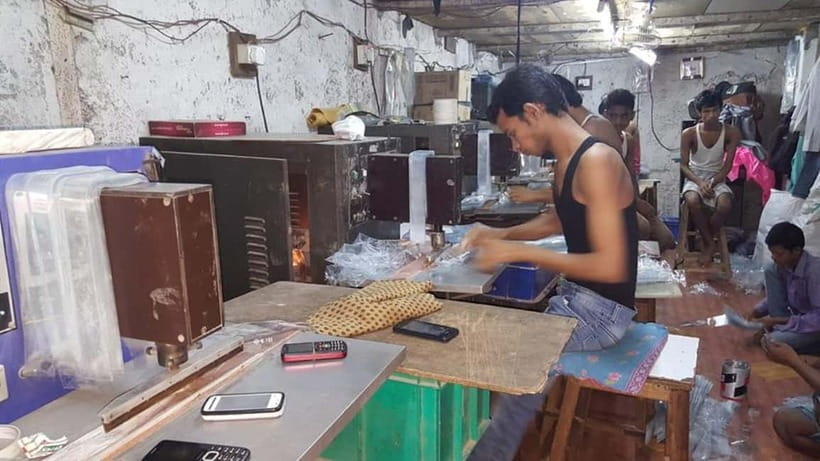
- Two hours inside Dharavi: Walk through narrow lanes, workshops, street markets, and working areas with a local English-speaking guide.
- A tour about work, not just poverty: The focus includes Dharavi’s businesses, creativity, economy, and community life.
- A low $13 price: The fee includes the guide, entry tickets, transport costs, train ride, and water, but not food or drinks.
- A flexible booking option: You can reserve now and pay later, with free cancellation up to 24 hours before the start time.
Why Dhobi Ghat is the right opening

The tour begins at the Dhobi Ghat Viewing Deck, a useful starting point because it lets you take in the operation before walking closer. From above, the rows of concrete washing troughs make more sense. You can see how a traditional laundry network works on a huge scale, with washers handling clothing by hand in the open air.
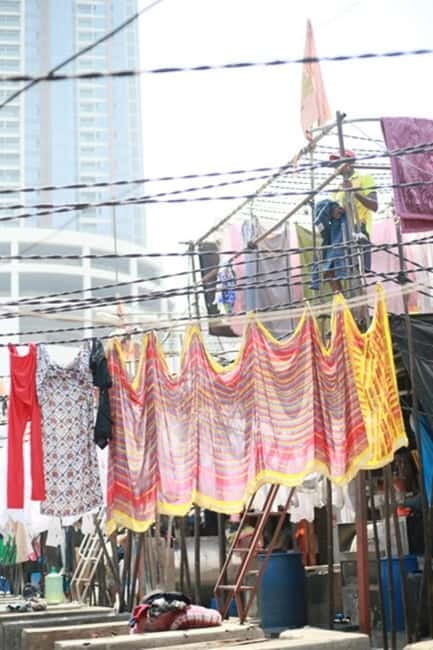
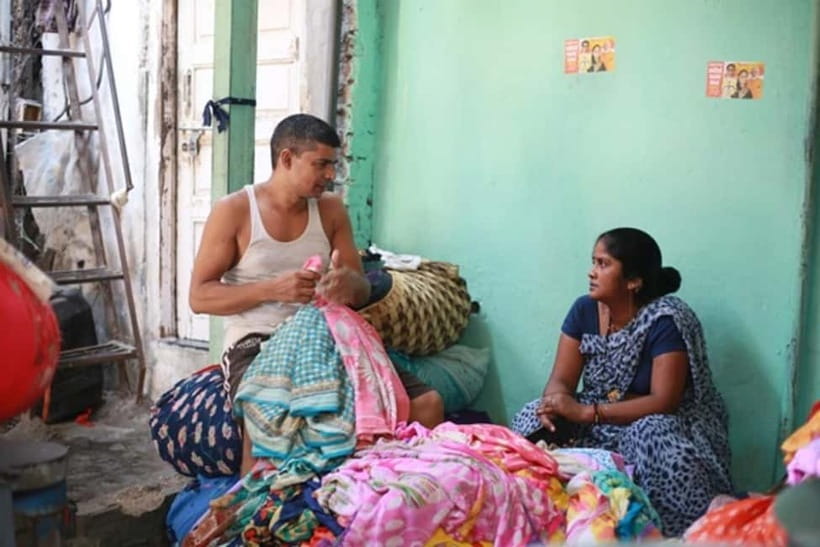
The sight is more than a colorful Mumbai photo stop. Dhobi Ghat shows an organized service that has continued for generations. Your guide explains the sorting, washing, drying, and ironing process, helping you see the labor and coordination behind the piles of clothing.
The allotted 30 minutes is short, but that is probably sensible. Dhobi Ghat is one part of a three-hour outing, and the tour has another two hours in Dharavi. You get enough time to understand the place without spending half a day on one viewpoint.
I would pay attention to the guide here rather than rushing for pictures. The important detail is not simply that there are many washers. It is how the work is arranged and how the laundry keeps moving through Mumbai day and night.
More Train Journeys around Mumbai:
- Dabbawala, Dhobi Ghat & Dharavi slum Tour with Local Train Ride
★ 5.0 · 102 reviews - Mumbai: Dharavi Slum and Dhobi Ghat Tour with Train Ride
★ 5.0 · 9 reviews - Primmum Mumbai Sightseeing With Local Train Ride Experience
★ 5.0 · 7 reviews
What the local train adds
After Dhobi Ghat, you board a local train for a ride of about 10 minutes. That may sound brief, but it changes the feel of the outing. You are not sealed inside a private vehicle moving from one attraction to another. You are using a transport system that forms part of ordinary life in Mumbai.
The train also connects the two parts of the tour in a natural way. Dhobi Ghat shows one working system, while Dharavi shows another side of urban production and trade. The train ride gives you a quick look at the city between them, with markets, high-rise buildings, and historic sights passing along the route.
Because the ride is short, do not book this tour mainly for a long train journey. The value comes from using the train as a practical link and seeing how quickly Mumbai changes from one neighborhood to the next.
The guide handles the travel arrangements, and the local train ticket is included. You should still expect a public transport experience rather than a private, quiet transfer. If you prefer air-conditioned vehicles and a fixed seat, this is not the right style of tour.
Walking through Dharavi for two hours
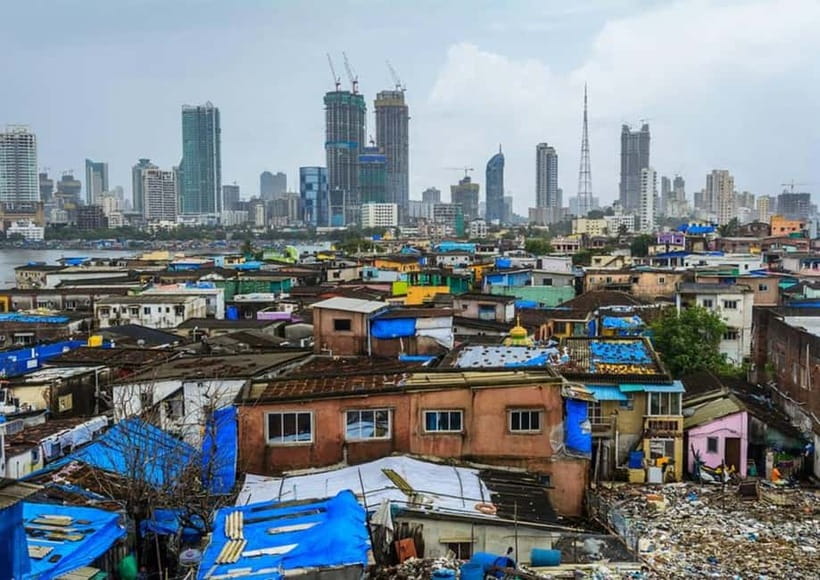
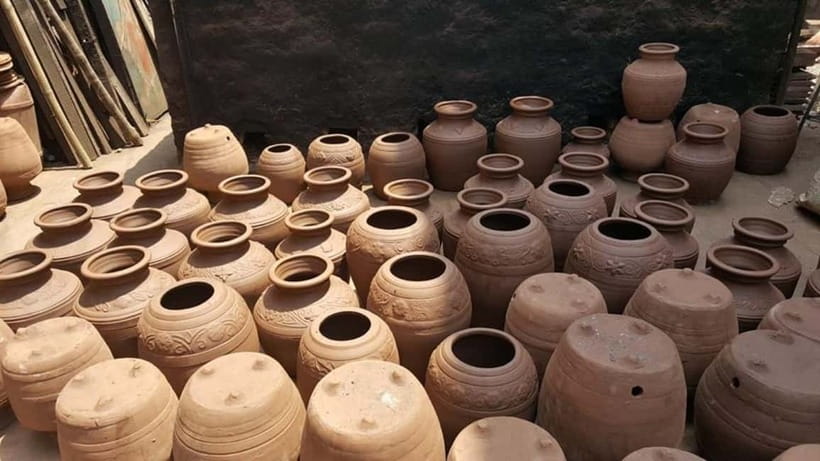
Dharavi is the main part of the experience, with about two hours set aside for a guided walk. You move through narrow alleyways, workshops, and street markets while the guide explains the area’s community life and economic activity.
The word slum can make Dharavi sound like a single story about hardship. This tour aims to show more than that. You learn about the work done inside the neighborhood, the small industries operating there, and the entrepreneurial energy that supports daily life.
That wider focus matters. You may see a place with limited space and crowded lanes, but the guide also points out the systems that allow people to live and work in such a dense area. Dharavi becomes a working neighborhood with many types of activity, not just a backdrop for poverty tourism.
You should follow the guide’s lead about where to walk and when to stop. The description emphasizes local residents as guides, which gives the tour a direct connection to the community. One guide, Abhi, was praised for explaining small details that would be easy to miss and for introducing the area in a respectful way. You are not guaranteed Abhi, but his approach gives you a useful sense of what a strong tour here should feel like.
The route includes photo stops, but photography should not become your only purpose. People live and work here. Put the camera away when the guide is explaining a business or when a scene feels personal. A respectful attitude will improve the experience for you and for the people who call Dharavi home.
The value of a guide in a place like Dharavi

Without a guide, Dharavi can be difficult to read. The lanes, workshops, homes, and markets are packed close together, and a first-time visitor will not know what is being made, sold, or repaired.
The English-speaking guide provides the missing context. You can ask questions about the local economy, daily life, and community culture instead of simply walking past unfamiliar activity. The guide also helps you move through the area and keeps the walk organized.
Clear English matters here because the subject is more complicated than a few facts at a viewpoint. A verified participant from France specifically found the guide’s English easy to understand, while another praised Abhi for pointing out details that would otherwise go unnoticed. That is useful reassurance if you worry about following a fast-paced explanation.
The tour’s strongest feature is likely this human connection. Dhobi Ghat is visually striking, but Dharavi requires interpretation. A good guide can keep the visit from becoming either a shallow spectacle or an overly simplified lesson.
Same tracks, a different carriage:
- Mumbai City + Dabbawala aka Lunchbox + Train Ride Tour – The Unfeigned Mumbai.
★ 5.0 · 6 reviews - Mumbai: Dhobi Ghat Tour with Dharavi and Train Ride Options
★ 3.4 · 5 reviews - Dharavi Slum & Dhobi Ghat Mumbai: Private Guided Tour
★ 5.0 · 4 reviews - Mumbai Unseen: Local Train Ride And Sightseeing Tour
★ 5.0 · 3 reviews
What the $13 price includes
At $13 per person, this is a low-cost way to combine three distinct parts of Mumbai: Dhobi Ghat, the local railway, and Dharavi. The price includes an English-speaking guide, entry tickets, travel fees, the local train ride, and water.
That bundle gives the tour good practical value. You are not paying separately for the train or arriving at each stop without help. The guide also handles the structure of the visit, which matters when you have only three hours.
Food and drinks are not included. Since the outing lasts three hours, this is not a major problem, but you should plan around it. The tour does provide water, so you are not left without any refreshment.
The price should not be the only reason to book. The real question is if you want a guided look at working Mumbai and are comfortable with a direct, walking-based experience. If so, the inclusions make the fee especially reasonable. If you only want postcard sights, your money may be better spent elsewhere.
Timing, meeting point, and finish
The tour begins at the Dhobi Ghat Viewing Deck. This is important because you should plan your arrival around that exact starting point rather than assuming the guide will collect you from your hotel.
The listed duration is three hours. The schedule allows about 30 minutes at Dhobi Ghat, 10 minutes on the train, and two hours in Dharavi. The final stop is Sai Multispeciality Hospital & Research Centre.
That finish point is different from the starting point, so think of this as a one-way city outing. You do not return to Dhobi Ghat. This can be useful if you want to continue sightseeing from the Dharavi side, but you should check your onward plans before booking.
Starting times depend on availability. The activity is offered with a live English-speaking guide, and the schedule should be checked before you reserve. The tour also offers reserve now and pay later, and cancellation is free up to 24 hours before the start time.
What may be difficult
The walking portion takes place in narrow lanes and active working areas. You should expect a close, energetic setting rather than broad paths and quiet viewing areas. The tour description does not promise a particular comfort level or accessibility arrangement, so ask the provider if you have mobility needs.
Traffic is another concern. A previous participant noted that the guides took care of the group around heavy traffic, which suggests that crossing and moving through busy areas are part of the experience. Stay close to the guide and do not wander off for a photograph.
The train ride may also feel basic. It is included because it is a genuine part of Mumbai’s transport network, not because it offers a private sightseeing carriage. That is a benefit if you want ordinary city life, but a drawback if you expect a polished tourist transfer.
Finally, Dharavi is not an entertainment park. You may see poverty, hard work, cramped conditions, and the daily pressure of city life. The tour can challenge your assumptions, but it should not be treated as a place where people exist for visitors to photograph.
Who should book this Mumbai tour
I would recommend it to you if you want to understand how Mumbai works beneath its famous monuments. It suits curious visitors who enjoy local transport, guided walks, working neighborhoods, and conversations about how people earn a living.
It is also a strong choice for a first visit if you want a compact introduction to the city’s human side. In three hours, you see a traditional laundry, ride the train, and enter a neighborhood known for its small industries and close-knit activity.
Families with older children may find the contrast between Dhobi Ghat and Dharavi useful, though the tour’s direct subject matter may not suit very young children. It can also work well for solo visitors who want the structure and security of a guide.
I would skip it if your main goal is a relaxed day of monuments, cafés, and wide open spaces. I would also skip it if you are uncomfortable visiting a residential neighborhood as part of a cultural tour. Respect and openness are not optional here.
Should you book it?
Book this tour if you want a short, affordable look at Mumbai through work and daily life. The combination of Dhobi Ghat, a real local train ride, and a two-hour Dharavi walk gives you more substance than a simple viewpoint visit.
The best reason to go is the guide. Abhi received especially warm praise for his friendly manner, clear explanations, and eye for small details, though you should not assume he will lead every departure. The tour is at its best when the guide helps you see people and businesses with respect rather than turning the neighborhood into a spectacle.
At $13, the included transport, guide, entry costs, and water make the outing strong value. Go with comfortable expectations, follow the guide closely, and treat Dharavi as a living community. If that sounds like the kind of Mumbai experience you want, this is an easy one to book.
FAQ
How long does the Dhobi Ghat and Dharavi tour last?
The tour lasts three hours, including the visit to Dhobi Ghat, the local train ride, and the guided walk through Dharavi.
Where does the tour start?
It starts at the Dhobi Ghat Viewing Deck.
Where does the tour finish?
The tour finishes at Sai Multispeciality Hospital & Research Centre.
How much does the tour cost?
The listed price is $13 per person.
Is the local train ride included?
Yes. The local train ride and travel fees are included in the price.
How long is the train journey?
The train ride takes about 10 minutes.
How much time is spent at Dhobi Ghat?
The Dhobi Ghat portion lasts about 30 minutes and includes a photo stop, a visit, a guided explanation, and walking.
How long is the Dharavi walk?
The guided Dharavi portion lasts about two hours and includes sightseeing, walking, a photo stop, and visits to parts of the neighborhood.
Is an English-speaking guide included?
Yes. A live English-speaking local guide is included.
Are food and drinks included?
No. Food and drinks are not included, although water is provided.
Can I cancel for a refund?
Yes. You can cancel up to 24 hours before the activity for a full refund.
New on the timetable around Mumbai
- Mumbai Unseen: Local Train Ride And Sightseeing Tour★ 5.0 · 3 reviews
- Dharavi Slum & Dhobi Ghat Mumbai: Private Guided Tour★ 5.0 · 4 reviews
- Mumbai Slum Tour with Dhobi Ghat Laundry & Train Ride Tour★ 5.0 · 2 reviews
- All in one-Combo of City, Dhobighat, Slum & Dabbawala with ferry and train ride.★ 4.5 · 2 reviews
- Meet Dabbawala Visit Dhobi Ghat & Dharavi slum with Train★ 5.0 · 2 reviews
- Mumbai: Dhobi Ghat Tour with Dharavi and Train Ride Options★ 3.4 · 5 reviews
- Dabbawaala Dhobi Ghat Dahravi slum With Local Train Ride★ 5.0 · 2 reviews
- Best Combo Tour: Dabbawalas, Dhobi Ghat and Slum with Train★ 3.5 · 3 reviews
Other India Train Journeys worth a seat


“Taj Mahal” Tour from Delhi by India’s Fastest Train (Gatiman Express)
Read our review →

Taj Mahal Day Trip From Delhi By Superfast Train With 5* Meal
Read our review →
Private Day Tour of Taj Mahal by India’s Fastest Train or Car – All Inclusive
Read our review →
Taj Mahal Tour with High-Speed Train Experience – All Inclusive
Read our review →
Dabbawala, Dhobi Ghat & Dharavi slum Tour with Local Train Ride
Read our review →
Agra-Delhi One Day Trip By India’s Superfast Train
Read our review →Lists this ride appears on