

Review · KYOTO
Kyoto Railway Museum Admission Ticket
Japan’s railway story comes alive in a very hands-on way at the Kyoto Railway Museum. You can walk through old passenger cars, stand beside steam engines, step into a Shinkansen, and watch a working turntable rotate a locomotive inside the roundhouse.
I especially like the mix of 53 real trains and practical exhibits that explain how railways work. The steam locomotive ride is another strong point, giving you a short, nostalgic experience rather than just a row of engines behind ropes. The main drawback is that this is a large museum, so younger children or casual visitors may tire before seeing everything.
- See 53 full-size trains: The collection ranges from steam locomotives to Shinkansen trains.
- Ride a working steam locomotive: Add a moving experience to the displays and machinery.
- Watch the roundhouse turntable: See the historic mechanism rotate trains into position.
- Try railway simulators: Hands-on controls make the museum more than a look-but-don’t-touch stop.
- Use a one-day ticket: You have time to explore at your own pace and return to exhibits if needed.
- Plan around Wednesday closure: Check opening hours before setting out, since schedules can change.
Why the Railway Museum Deserves a Place in Kyoto
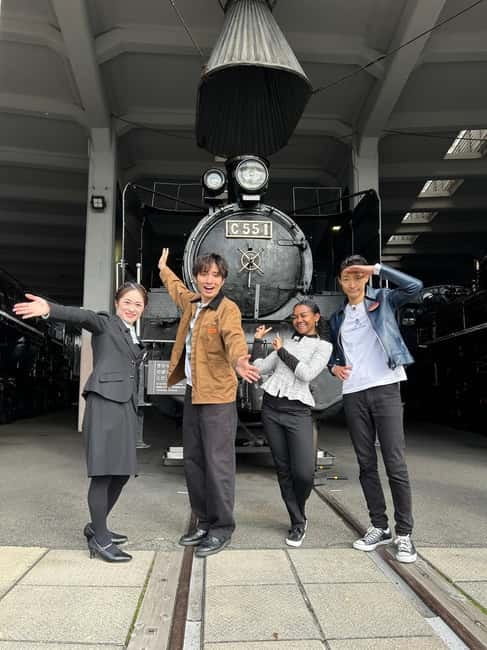
Kyoto is famous for temples, gardens, and old wooden streets. The railway museum offers a different look at Japan, one built around engineering, travel, and the remarkable way trains connect the country.
I like this change of pace. You are not simply reading dates on a wall. You can walk around full-size machines and see how railway design changed from steam power to high-speed electric trains.
The museum works well for mixed-age groups because it offers several ways to spend time. A rail enthusiast can study locomotive details, while a child can press controls, enter train cars, and watch machinery move.
The $9 admission price is good value for a full day. It costs far less than many major attractions, and the ticket includes standard museum admission rather than a short timed visit. You should still check the official opening schedule before you go, since hours may change.
The museum has an overall rating of 4.3 from 23 recorded ratings, with particularly strong praise for its variety, interactive displays, and appeal to both children and adults. That matches the nature of the place: it has enough machinery and technical detail for serious train fans, but it does not require expert knowledge to enjoy.
Start With 53 Real Japanese Trains
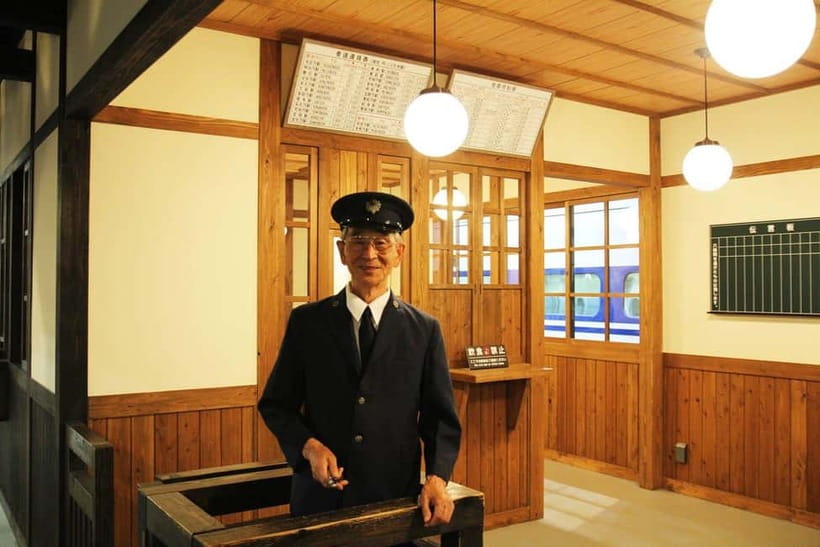
The main attraction is the collection itself. Fifty-three real trains give the museum a sense of scale that model displays cannot match.
You can see the long development of Japanese rail travel in one place. Steam engines show the early age of railway power, while later trains explain the shift toward modern electric service and the Shinkansen.
For me, the value of seeing actual trains is in the small physical details. You can notice the size of the wheels, the length of the cars, the shape of the driving cabins, and the different ways passengers and railway staff used each vehicle.
The Shinkansen is a major draw. Japan’s bullet trains are familiar from photographs, but standing beside one gives you a better sense of their length and design. If you have ridden a Shinkansen elsewhere in Japan, this stop adds useful context to that experience.
You can also step inside selected trains. This makes the displays easier to understand because you are looking at seating, doors, cabins, and passenger areas from the inside rather than viewing them as static objects.
Do not rush past the older locomotives. The steam engines provide the strongest feeling of the past, while the newer trains show how quickly railway technology changed. The contrast between them is one of the museum’s best teaching tools.
More Railway Museums around Japan:
- Kyoto Railway Museum Advance Tickets
★ 5.0 · 2 reviews - Skip the Line: Historic RailPark and Train Museum Ticket with Guided Tour
★ 4.5 · 59 reviews - Prague: Railway Kingdom Giant Model Railway Museum
★ 4.4 · 54 reviews
The Steam Locomotive Ride Adds Movement
The working steam locomotive is one of the most memorable parts of the visit. Instead of only looking at a preserved machine, you can ride behind a locomotive that still operates.
The ride gives the museum a nostalgic touch, but it also helps you understand the effort involved in old railway travel. Steam trains have a very different character from the quiet, fast electric trains associated with modern Japan.
I would make this a priority if you are visiting with children or if you want one experience that feels separate from the indoor displays. It gives the day a clear highlight and breaks up the time spent reading signs and examining equipment.
The available information does not provide a specific ride length or departure timetable, so check the museum’s current details when planning your visit. Do not build your entire schedule around a precise departure unless the official site confirms it.
Watch the Roundhouse Turntable Rotate
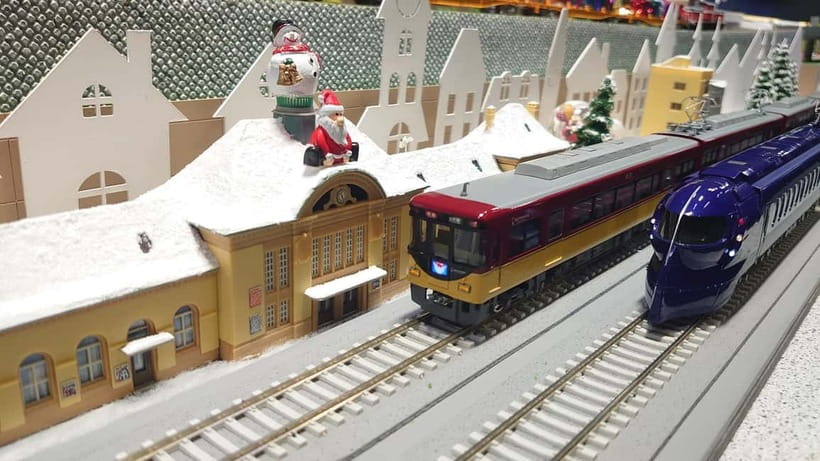
The roundhouse is another major feature. Its turntable can rotate locomotives and place them into the proper bays around the circular building.
This is the kind of railway action that can surprise people who came mainly for the trains. The movement is slow, deliberate, and mechanical. It shows how a large railway facility handled locomotives before modern depot systems became common.
The turntable also helps explain why the roundhouse was built in a circle. Trains could be turned and directed into separate maintenance or storage spaces without needing a large open area for complicated reversing movements.
Try to watch the turntable in operation if the timing works during your visit. It is one of the museum’s most distinctive sights, and it gives you something to see beyond the train collection itself.
Interactive Exhibits Make the Technical Side Clear
Railway museums can become difficult for anyone who does not already know the subject. Kyoto avoids that problem with interactive exhibits, railway dioramas, and hands-on equipment.
The dioramas are useful because they reduce a large railway network to a view you can understand at once. You can see trains, tracks, stations, and the relationship between them in a compact display.
The simulators add another layer. You can try controls designed to feel like train driving, giving you a better idea of the attention required to operate a railway service. The information provided does not specify the number of simulators, their exact format, or any separate charges, so check current museum instructions if these are a central reason for your visit.
I like the balance between the real machines and the smaller displays. A full-size train shows you what the object is. A simulator or diorama helps explain how it worked within the wider railway system.
The interactive areas are also helpful for children who may not want to read long explanations. Hands-on tasks give them a reason to stay engaged while adults take a closer look at the engineering.
More Museum Stops around Japan:
- Guided Half-day Tour(PM) to Toyota Commemorative Museum & SCMAGLEV Railway Park
★ 5.0 · 3 reviews - Brussels: Train World Museum Entrance Ticket
★ 4.7 · 524 reviews - London: Postal Museum Entry Ticket and Underground Rail Ride
★ 4.6 · 363 reviews - Brussels Train World Museum Entrance Ticket
★ 4.5 · 220 reviews
Sky Terrace Views Give You a Break
The Sky Terrace offers views from above and provides a change of scene after time indoors. From there, you can look out across the surrounding area and see rail activity from a different angle.
The terrace is worth adding to your route even if you came mainly for the engines. It gives you a chance to pause, get your bearings, and appreciate how railways fit into the city.
Do not expect the terrace to replace a dedicated Kyoto viewpoint. Its appeal is tied to the museum and its railway setting. The best reason to visit is the combination of open air and train-related scenery.
A Practical One-Day Visit
Your admission is valid for one day, so you can take your time. There is no need to treat the museum as a quick photo stop.
I would begin with the full-size trains, then move to the interactive displays and simulators. After that, fit in the steam locomotive ride and roundhouse turntable when their timing suits you. End at the Sky Terrace or return to a favorite train before leaving.
This order is only a suggestion. The museum does not require a guided route, and you can build the visit around your interests. A child may want the simulator first, while a railway enthusiast may prefer to spend an hour examining locomotives before moving indoors.
Allowing the full day gives you flexibility. You can pause for a meal or rest, then continue without feeling that you have missed your chance to see everything. The ticket also permits re-entry when you present it to staff, which is useful if you need to leave and come back during the same visit.
When the entrance queue is long, follow the line for the Early Bird Advance Ticket entrance as directed by museum staff. This instruction matters because the museum can be busy at popular times, and joining the wrong line may slow your entry.
The museum is closed every Wednesday. Opening hours may also differ, so check the official website before you travel. This is especially important if your Kyoto schedule is tight.
Who Will Get the Most From the $9 Ticket
The ticket is an easy choice for dedicated train enthusiasts. The collection includes enough full-size equipment, technical displays, and railway operations to fill a serious visit.
It is also a strong family option. Children can enter trains, use hands-on displays, watch the turntable, and ride the steam locomotive. The museum gives them physical activities to balance the more information-heavy exhibits.
History lovers may appreciate the museum even without a special interest in trains. Railways changed how people moved around Japan, and the collection shows that change through real vehicles rather than only written explanation.
The museum is also useful for anyone curious about Japan’s transport culture. The Shinkansen is the obvious symbol, but the older engines and passenger cars show that modern rail service developed through many stages.
Casual visitors should think about their energy and interests. If you want a short attraction lasting an hour or two, the museum may feel too large. If you can spare a half day or more, the admission price makes much better sense.
Access, Children, and Entry Details
The museum is wheelchair accessible. That makes it a practical choice for visitors who need step-free access, though the supplied information does not list detailed facilities or routes inside the building.
Infants under three years old enter free. Children from three to seven can buy tickets on-site for 200 yen. The listed $9 price should therefore not be assumed to apply to every child in your group.
For entry, go directly to the Kyoto Railway Museum at 34.9870986, 135.7422732. The standard admission ticket is included, and there is no guide named or guided tour described for this experience, so plan to explore independently.
The activity is non-refundable. I would only book once you have checked your date, especially because Wednesday closure and changing opening hours can affect a short Kyoto itinerary.
What the Strongest Feedback Gets Right
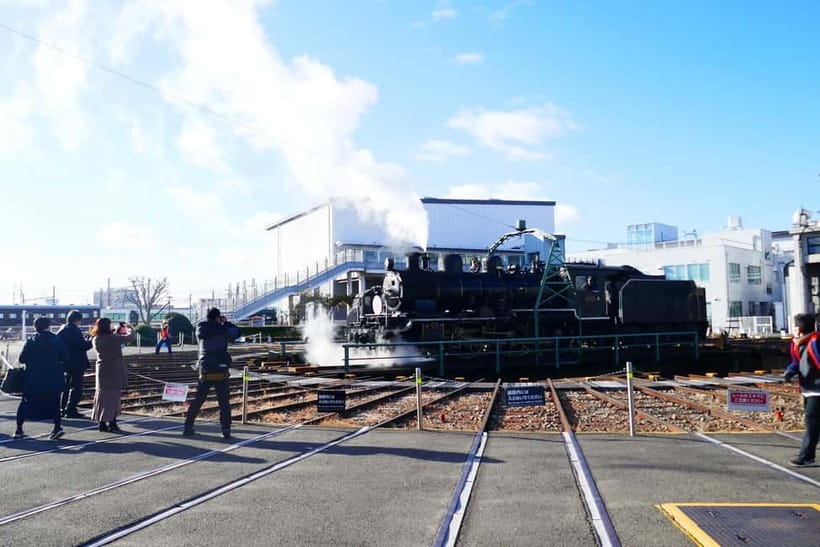
The most consistent praise centers on the museum’s variety and interactive quality. That is fair. It is not just a hall of old engines, and it is not just a children’s activity center.
The best parts work together: real trains provide scale, the simulators provide participation, the steam locomotive provides movement, and the turntable shows railway machinery in action.
The museum has also been described as cool inside and quiet during one October visit. Conditions will vary by date and time, but the indoor setting can be welcome after walking through Kyoto.
The collection appeals across age groups. Children have plenty to do, while adults can focus on Japan’s railway development and the technical side of train operation.
The main caution is simple: the amount of material can be a lot. You may not see every exhibit closely in one visit unless you give the museum enough time. That is why the one-day validity is useful.
Should You Book the Kyoto Railway Museum?
Book it if you want a break from Kyoto’s temples and enjoy machines, transport, or hands-on museums. The combination of 53 real trains, a steam locomotive ride, a rotating roundhouse turntable, simulators, and the Sky Terrace gives you more than a standard display collection.
I would especially recommend it for families, railway fans, and visitors who have already spent several days among Kyoto’s traditional sights. The $9 price is reasonable for a full-day attraction, and the chance to re-enter adds practical value.
Skip it if you have very little time in Kyoto or dislike technical museums. Also avoid choosing Wednesday without checking the schedule, since the museum is closed that day.
For most people with half a day or more, this is a worthwhile and refreshingly different Kyoto stop. Plan around the closure, allow time for the moving exhibits, and do not leave without seeing the steam locomotive and turntable.
FAQ
Where is the Kyoto Railway Museum located?
The museum is in Kyoto on Honshu, Japan. The listed coordinates are 34.9870986, 135.7422732.
How much does admission cost?
The listed price is $9 per person for standard admission.
How long is the ticket valid?
The ticket is valid for one day.
What does the ticket include?
It includes standard admission to the Kyoto Railway Museum.
Is the museum open every day?
No. The museum is closed every Wednesday. Opening hours may also change, so check the official website before visiting.
Are children under three admitted free?
Yes. Infants under three years old are free of charge.
How much do children aged three to seven pay?
Children between three and seven can purchase tickets on-site for 200 yen.
Can I leave and re-enter the museum?
Yes. You must present your admission ticket to staff when re-entering.
Is the museum wheelchair accessible?
Yes. The activity information identifies the museum as wheelchair accessible.
Can I cancel the ticket for a refund?
No. This activity is non-refundable.
New on the timetable around Japan
- Train in Samurai Swordsmanship and Defeat the Demon in Tokyo★ 5.0 · 5 reviews
- Mt Fuji & Hakone Private Tour from Tokyo: Return by Bullet Train★ 5.0 · 22 reviews
- Tokyo-Izu: Volcano, Ocean& Capybara Cuddle with Izu Scenic Train★ 3.5 · 3 reviews
- Private tour with Yasushi and Yoko – by car, train, on foot★ 5.0 · 2 reviews
- Bullet Train Experience & Mishima Shrine Private Tour from Tokyo★ 5.0 · 9 reviews
- 3-Day Private Tokyo and Nagano: Snow Monkeys, Tsukiji Market and Bullet Train★ 5.0 · 2 reviews
- Bullet Train and Mt. Fuji Famous Food Tour★ 5.0 · 4 reviews
- Guided Half-day Tour(PM) to Toyota Commemorative Museum & SCMAGLEV Railway Park★ 5.0 · 3 reviews
Other Railway Museums worth a seat
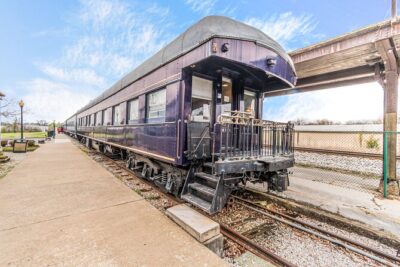
Skip the Line: Historic RailPark and Train Museum Ticket with Guided Tour
Read our review →

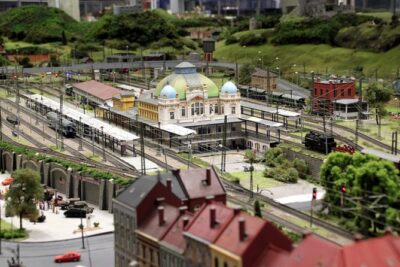
Skip the Line: Kingdom of Railways Entrance Ticket in Prague
Read our review →
Bowling Green: Historic RailPark & Train Museum Entry & Tour
Read our review →
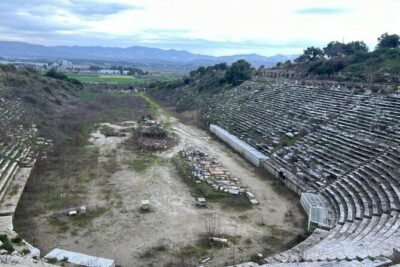
Kusadasi Day Trips Magnesia, Train Museum Turkish Bath
Read our review →
Lists this ride appears on