
Review · USA
Skip the Line: Historic RailPark and Train Museum Ticket with Guided Tour
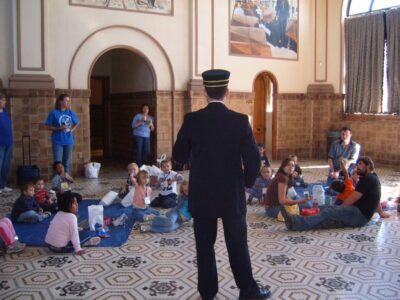
The best part of this Bowling Green visit is stepping inside actual railcars that once carried mail, meals, sleepers, and presidential business across America. You begin in the former L&N Depot, then head outside to a 450-foot display where the railroad past is something you can walk through, not just read about.
I like the excellent value here: $22 covers the museum and the guided railcar tour. I also like the focus on working details, especially the Railroad Post Office car and the Duncan Hines Diner. The museum galleries are fairly small, so the outdoor railcars carry much of the experience.
Key points to know before you go
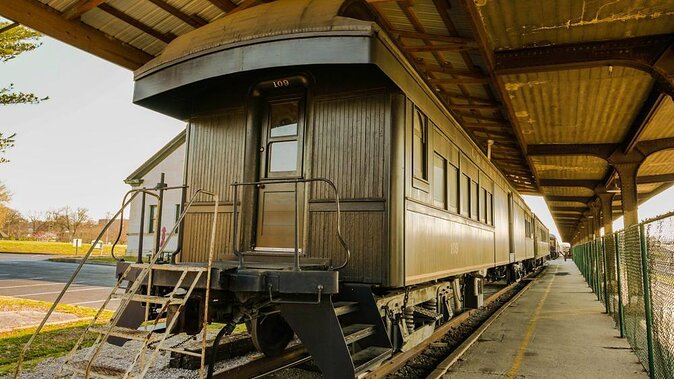
- The 1925 L&N Depot replaced an earlier station and once handled more than 20 departing trains a day.
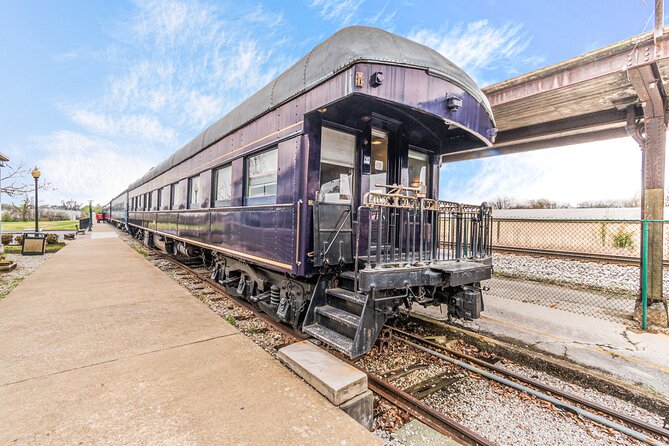
- The guided tour includes several real railcars, including a mail car, Pullman diners, a sleeper, and a presidential office car.
- The $22 price covers both admission and the guided portion, making this a practical stop for families and history fans.
- The museum portion is compact, while the train tour provides the strongest sense of place and period detail.
- Tours are offered several times throughout the day and are conducted in English.
- Most people can take part, with service animals allowed and public transportation nearby.
Bowling Green’s 1925 L&N Depot
Bowling Green grew in part because of its position between Louisville and Nashville. The railroad turned the town into a useful stop on a busy route, bringing passengers, workers, mail, and freight through the area.
The current L&N Depot was built in 1925 to replace an older station. At its busiest, more than 20 trains departed from this site each day. That number helps you picture the depot not as a quiet museum building, but as a working hub tied to Bowling Green’s economy and daily life.
I like beginning indoors because the depot gives the railcars a proper setting. You are not simply looking at old equipment in isolation. You first get a sense of why the station mattered, then see the machines and interiors that made the rail system useful.
The museum contains galleries covering local and national railroad subjects. They address cultural, historic, and economic themes, so the visit is about more than engines and timetables. You can see how rail service affected communication, travel, trade, and the movement of people between major cities.
The indoor section is not large. That can be a benefit if you have limited time, but it also means you should not expect a huge transportation museum with room after room of displays. The main reward comes when you move outside for the guided railcar tour.
More Railway Museums around the USA:
- Bowling Green: Historic RailPark & Train Museum Entry & Tour
★ 5.0 · 16 reviews - Snoqualmie Fall & Railway Museum 3-Hours (Private Tour)
★ 5.0 · 4 reviews - Prague: Railway Kingdom Giant Model Railway Museum
★ 4.4 · 54 reviews
What you see inside the museum
The museum portion is self-guided, so you can move through it at your own pace. That gives you time to pause over the subjects that interest you instead of following a fixed indoor speech from beginning to end.
A particularly useful theme is the old railroad mail system. Before modern digital communication and today’s delivery networks, mail cars helped sort and route letters while trains were moving between cities. The displays help connect that system to ordinary life, not just railroad operations.
You can also use the indoor exhibits to understand how the L&N line fit into a larger national network. The local depot mattered because it connected Bowling Green to routes running between Louisville and Nashville. That regional link shaped commerce and made the town more accessible to people moving through Kentucky and Tennessee.
I would allow enough time to read the displays, but I would not plan the entire visit around the galleries. The indoor exhibit is best treated as an introduction. The distinctive part of the experience is walking through the preserved cars behind the depot.
The 450-foot railcar display
Behind the museum, 450 feet of track holds the main attraction. You get to enter preserved railcars rather than view them only from a platform or behind glass.
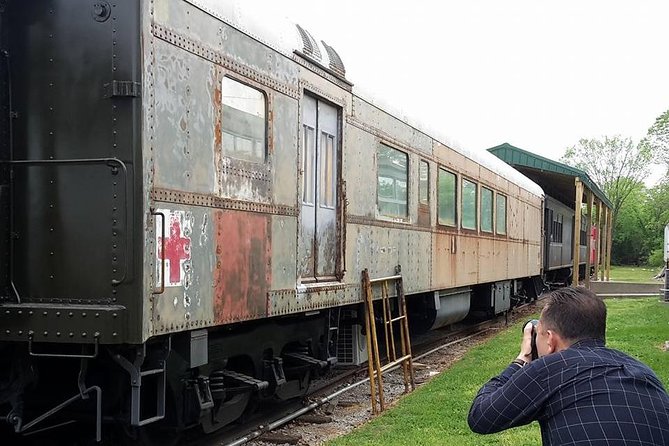
The collection includes an E8 engine, a Railroad Post Office car, the Duncan Hines Diner, a 1949 Pullman diner, the Pine, a 1953 Pullman sleeper, and the 353 Presidential office car. Each car presents a different side of rail travel.
The E8 engine gives you the mechanical end of the story. The mail car shows how the railroad carried and processed communication. The diners explain the service side of long-distance rail travel, while the sleeper shows how passengers spent the night on the move.
The presidential office car adds another layer. It suggests how rail travel could serve official business and private work, not only everyday transport. You are moving through spaces built for very different purposes, which keeps the tour from feeling repetitive.
The cars are the reason I would make time for this stop even if you are not a serious railroad fan. You can see how narrow passageways, dining spaces, sleeping areas, and work spaces were arranged. The details make the past easier to picture because you are standing inside the setting itself.
Why the guided railcar tour matters
The railcar tour is guided, while the museum is self-guided. That mix works well. You have freedom indoors, then receive structure and explanation when you enter equipment that may be harder to understand on your own.
A good guide can explain what each car was used for and point out details you might pass without noticing. The strongest praise for this experience focuses on guides who bring energy and personal interest to the subject. One guide was described as passionate and excellent, which is exactly what helps in a museum where the objects can otherwise seem quiet and unfamiliar.
The tour also gives you a clearer picture of how mail was delivered in earlier decades. The Railroad Post Office car is especially effective because it turns an abstract subject into a physical workplace. You can walk through the car and picture mail being sorted for different cities while the train was underway.
I would pay close attention during the mail car portion. It is one of the more unusual parts of the collection, and it offers a useful comparison with how mail moves today. The experience is educational without requiring you to know railroad terms before arriving.
The guided section is about 45 minutes for the full experience, according to the listed duration. Since the museum portion is self-guided, your total time may vary depending on how long you spend reading and looking around. The short scheduled length makes this easy to fit into a day in Bowling Green.
More Museum Stops around the USA:
- Brussels: Train World Museum Entrance Ticket
★ 4.7 · 524 reviews - London: Postal Museum Entry Ticket and Underground Rail Ride
★ 4.6 · 363 reviews - Brussels Train World Museum Entrance Ticket
★ 4.5 · 220 reviews - From Krakow: Zakopane Tour with Gubalowka Funicular & Museum
★ 4.5 · 80 reviews
The diners, sleeper, and presidential car
The Duncan Hines Diner and 1949 Pullman diner show the social side of train travel. Dining cars were practical, but they also made a long rail journey feel like an event. You can compare the two cars and notice how the spaces were designed for meals during a moving trip.
The 1953 Pullman sleeper, identified as the Pine, shifts the focus to overnight travel. Sleeping cars reveal how rail companies used limited space to provide a private or semi-private place to rest. Even without spending a night on a train, walking through one makes the older travel system easier to understand.
The 353 Presidential office car offers a different mood again. It was designed for official work and travel, not standard passenger service. The contrast between this car, the mail car, and the diners gives the tour a useful range.
I like this variety because you are not simply looking at several versions of the same vehicle. The collection shows rail service from several angles: machinery, communication, food, sleep, and government. That makes the visit worthwhile for families, school-age children, and adults who want more than a quick look at an engine.
Is $22 a good price?
At $22 per person, the admission is reasonable for a museum visit that includes both the self-guided galleries and a guided tour through multiple railcars. You are paying for access to the depot, the exhibits, and equipment that you can enter and explore from the inside.
The value is strongest if you take time for both parts. If you only glance at the museum and rush through the cars, the ticket will feel less useful. If you read the displays, listen to the guide, and look carefully at the different interiors, the price compares well with a standard short attraction.
Families should find the format practical. The visit is short enough to hold a child’s attention, but the cars provide real physical spaces to explore. The subject also offers natural questions for children: how did mail get sorted, where did people sleep, and how did diners work on a moving train?
The ticket does not include food or drinks. That is not a major concern for a 45-minute visit, but you should plan separately if you want a meal or snack. The Duncan Hines Diner is part of the collection, not a food stop included with admission.
Timing, access, and what to wear
Several tour times are offered throughout the day, which makes this easier to add to a Bowling Green schedule. Confirmation is provided at booking, and the ticket is mobile, so you can keep it on your phone rather than arrange printed paperwork.
The experience is offered in English. Most people can participate, and service animals are allowed. The site is near public transportation, which may help if you are not driving.
The stated dress code is smart casual. Since the experience includes walking through a series of railcars and moving between the depot and outdoor track, comfortable clothing and shoes make sense within that guideline. The provided information does not specify detailed accessibility features, so you should contact the Historic RailPark and Train Museum directly if you have particular mobility needs.
The ticket is usually booked about 10 days ahead. That does not mean you must reserve that far in advance, but it is a useful planning signal, especially if your Bowling Green visit falls on a busy date. Free cancellation is available if you cancel at least 24 hours before the start time. Changes or cancellations made within 24 hours are not accepted for a refund.
Who will enjoy this visit most
I would recommend this experience to anyone interested in transportation, local history, mail systems, or old passenger travel. You do not need to be a railroad specialist. The range of cars gives you several ways into the subject.
It is also a good choice for families looking for an educational stop that does not take half a day. The ability to enter the railcars gives the visit a physical quality that a display-only museum cannot match.
History-minded adults may appreciate the economic background of Bowling Green and the connection between Louisville and Nashville. The visit explains how rail service supported a town, not just how trains were built.
The main limitation is scale. If you want a giant museum with extensive galleries, this may feel small. The indoor exhibit is compact, and the 45-minute guided format does not allow for a long, highly specialized study of every car. I would choose it for its access to the railcars and the focused presentation, not for a massive collection.
Should you book the Historic RailPark tour?
You should book it if you want a short, fairly priced Bowling Green attraction with real historic interiors and a guide-led look at railroad life. The mail car, 1949 Pullman diner, Pine sleeper, and presidential office car give the visit enough variety to justify the ticket.
I would be less eager if your only interest is modern trains or if you expect a large indoor museum. For most people, though, the combination of the 1925 depot, self-guided exhibits, and 450-foot rail display makes $22 a sensible buy. Book it when the timing fits your day, leave room to read the indoor displays, and pay close attention inside the mail car.
FAQ
How long does the Historic RailPark and Train Museum experience last?
The guided experience lasts approximately 45 minutes. The museum portion is self-guided, so your total visit may be longer depending on how much time you spend with the galleries.
What does the $22 ticket include?
The price includes admission to the self-guided museum and the guided tour of the railcars. Taxes, fees, and handling charges are also included.
Which railcars can you see?
The display includes an E8 engine, a Railroad Post Office car, the Duncan Hines Diner, a 1949 Pullman diner, the Pine 1953 Pullman sleeper, and the 353 Presidential office car.
Is the tour offered in English?
Yes. The experience is offered in English.
Are food and drinks included?
No. Food and drinks are not included in the ticket price.
Can I cancel for a full refund?
Yes, if you cancel at least 24 hours before the experience start time. Cancellations or changes made less than 24 hours before the start time are not eligible for a refund.
Is the museum suitable for most people?
Most people can participate. Service animals are allowed, and the museum is near public transportation. The listed information does not provide detailed accessibility specifications, so contact the museum directly about specific needs.
More Skip-the-Line Visits around the USA
- From Naples: Guided tour of Pompeii skip-the-line and round-trip train
★ 4.5 · 811 reviews - Skip the Line Kuranda Scenic Railway Gold Class and Skyrail Rainforest Cableway
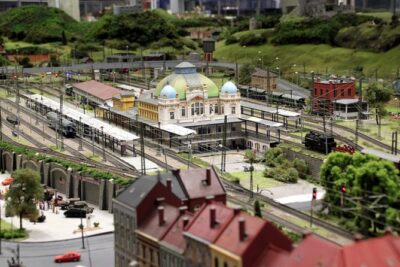
★ 4.5 · 574 reviews - Skip the Line: Kingdom of Railways Entrance Ticket in Prague
★ 3.5 · 26 reviews - Como-Brunate Jeep Sightseeing Tour & Funicular Rail SKIP THE LINE
★ 4.5 · 6 reviews
New on the timetable around the USA
- Virginia City Day Tour From Lake Tahoe with Train Ride★ 4.8 · 19 reviews
- Ventura: Rail Bike Guided Tour with Farm Stand Stop★ 4.1 · 18 reviews
- Winnipesaukee Scenic Railroad★ 4.5 · 7 reviews
- Laughton Glacier Hike and White Pass Rail Adventure★ 5.0 · 12 reviews
- Snoqualmie Fall & Railway Museum 3-Hours (Private Tour)★ 5.0 · 4 reviews
- Grand Canyon Excursion from Sedona with First Class Train Ride★ 4.5 · 47 reviews
- Verde Canyon Rail Day Adventure from Scottsdale or Phoenix★ 5.0 · 4 reviews
- Train Ride Adventure through Mother Natures Giant Redwoods Park★ 4.5 · 9 reviews
Other Railway Museums worth a seat
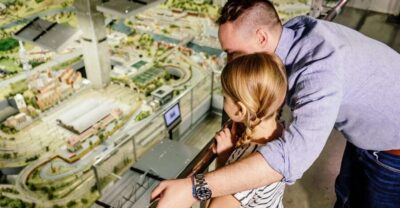

Skip the Line: Kingdom of Railways Entrance Ticket in Prague
Read our review →
Bowling Green: Historic RailPark & Train Museum Entry & Tour
Read our review →
Kusadasi Day Trips Magnesia, Train Museum Turkish Bath
Read our review →
Lists this ride appears on