
Review · LONDON
London: Postal Museum Entry Ticket and Underground Rail Ride
London’s Postal Museum hides one of the city’s most unusual rides underground. After exploring the story of British mail, you board a miniature train and travel through the former Mail Rail tunnels, where post once moved beneath the city without competing with traffic above.
I like the hands-on mail-sorting carriage, complete with a floor that wobbles as you work, and the chance to see The Penny Black, the world’s first postage stamp. The main drawback is time: the advertised visit lasts about 90 minutes, but you can easily need two to three hours if you read the displays and have children with you.
- A 15-minute underground train ride takes you through the old Post Office railway.
- The Penny Black and flintlock pistols give the postal story some memorable objects.
- Interactive exhibits let you sort mail, design stamps, dress up, and explore communication.
- The wobbly-floor carriage shows how difficult sorting letters could be on a moving train.
- The attraction suits families best, though adults get plenty of social and transport history.
- The $24 admission offers good value if you allow enough time for both the ride and museum.
London’s strangest little railway

The central attraction is Mail Rail, the Post Office’s former underground railway. It operated beneath London for more than 100 years, carrying letters between sorting offices while streets above stayed crowded with traffic.
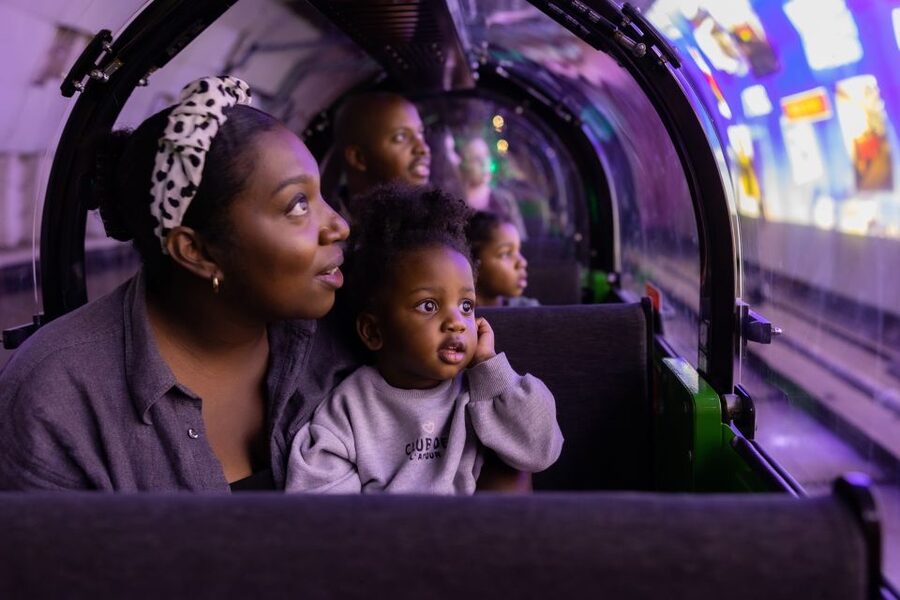
Today, you ride a small train through part of the old system. The journey lasts around 15 minutes, so it is not a long railway excursion. Its value comes from the setting and presentation. Projected films, wall graphics, and recorded commentary explain how the railway worked and why it mattered.
I like the way the ride gives the museum a clear focus. Postal history can sound dry when it is reduced to stamps, dates, and sorting methods. The train makes the subject physical. You are not just looking at a photograph of an underground railway. You are sitting inside one and moving through its tunnels.
The ride is short, and some of its time is taken up by video stops. That can disappoint adults hoping for a longer journey. For children, however, 10 to 15 minutes is usually enough to keep the experience exciting without making the tight space feel tiring.
What the Mail Rail ride feels like
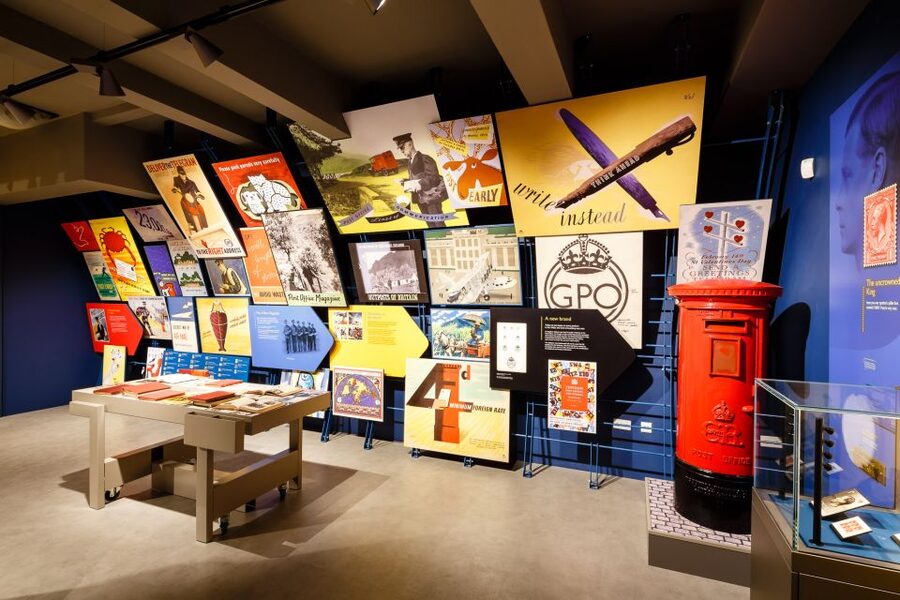
The train is miniature, and the tunnels are narrow. Tall passengers may find the carriage uncomfortable, and anyone uneasy in confined spaces should think carefully before booking. One part of the ride includes a blackout effect, which may surprise younger children.
You will need to leave bags before boarding. This can sound worrying, but the train cars have separate lockers, and staff lock them before the ride and open them when you return. That arrangement keeps the carriages clear and removes the need to hold luggage in a cramped space.
The presentation is one of the strongest parts of the experience. Projected scenes appear on the tunnel walls, and commentary brings the railway’s working life into view. The use of a former employee’s voice and filmed material gives the ride a human touch, rather than presenting it as a bare technical display.
You should not expect a large-scale theme-park attraction. This is a museum ride with a short route, modest train, and a strong educational purpose. If you enjoy unusual London infrastructure, it is the part of the visit most likely to stay with you.
More Museum Stops around the UK:
- From London: Liverpool FC Stadium & Museum Rail Day Tour
★ 4.8 · 8 reviews - Brussels: Train World Museum Entrance Ticket
★ 4.7 · 524 reviews - Brussels Train World Museum Entrance Ticket
★ 4.5 · 220 reviews
The postal story begins with The Penny Black
Back above ground, the museum traces more than 500 years of postal development. The displays explain how communication changed from expensive, slow delivery into a service used by ordinary people.
The Penny Black is the star object. It was the first postage stamp, and seeing it in person gives a useful sense of how a small piece of paper changed mail delivery. The stamp is not large or flashy, so do not expect a grand display. Its importance is historical rather than visual.
The collection also includes flintlock pistols once used to protect mail from theft. These weapons remind you that carrying letters was not always a quiet office job. Mail coaches and postal routes could be targets, and the security of the delivery system sometimes depended on armed protection.
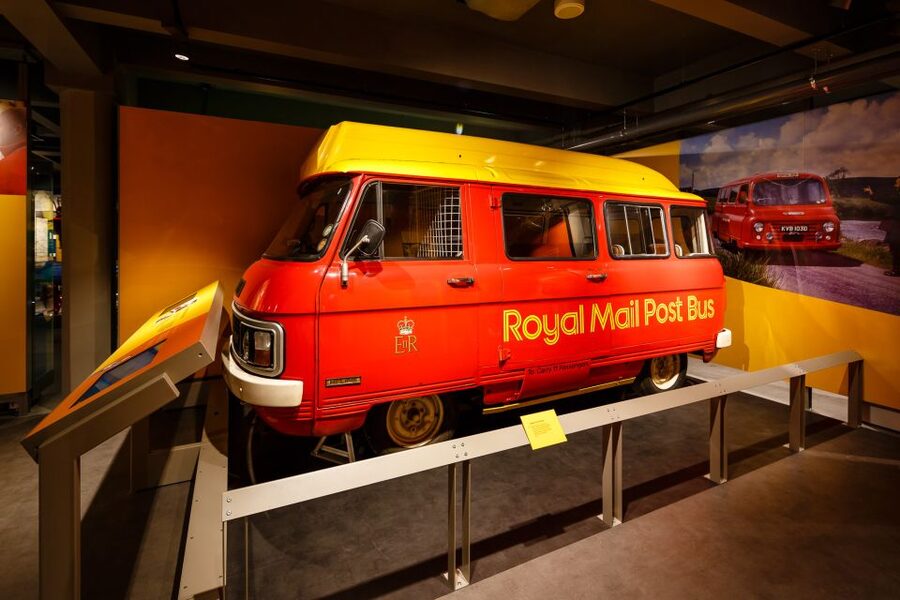
Another memorable object is a Victorian miniature rail car that operated on London’s streets. It helps connect the postal service with the city’s wider transport story. The museum is at its best when it shows how mail depended on roads, railways, workers, technology, and changing city life.
Hands-on exhibits that make adults work too

The interactive displays are designed with children in mind, but adults can enjoy them as well. The mock-up train carriage is especially effective. You try sorting mail while standing on a moving, uneven floor, which gives you a quick sense of the skill required by workers on postal trains.
It is harder than it looks. Letters had to be sorted quickly while the carriage moved, and the wobbly floor turns a simple task into a small physical challenge. This is a better lesson than a label explaining that postal workers worked under difficult conditions.
You may also find activities connected with stamp design, telephones, post boxes, and communication. Children can dress up, play educational games, and handle displays rather than simply reading panels. Families with school-age children often get the most from this section.
The tone can feel young in places. On a busy weekend, younger children may crowd around the interactive stations, making it hard for adults to use them. If you want a quieter visit, allow time on a weekday if possible, and begin with the Mail Rail ride before the galleries get busy.
From stagecoaches to telephone boxes
The museum does more than explain how letters traveled. It shows how communication changed across generations.
You can learn about the development of post boxes and telephone boxes, subjects that connect directly with the streets of Britain. Adults may find the displays pleasantly nostalgic, especially when explaining old telephones and postal routines to children who have never used them.
The material also includes odd and memorable episodes from postal life. One display concerns a mail stagecoach horse attacked by a lioness. Details like this give the wider story some personality. They show that the postal system was shaped by accidents, animals, difficult routes, and the everyday risks faced by workers.
The exhibits are not huge in number. If you are expecting a major national museum with room after room of objects, you may find the collection modest. Its strength is the way the displays connect objects to work and communication. You can move through the museum at a steady pace, but serious readers may want longer than the suggested 90 minutes.
More Train Tickets and Passes around the UK:
- Christ the Redeemer Entry Ticket by Corcovado Train
★ 4.4 · 4,476 reviews - Granada City Train 1 or 2-Day Hop-On Hop-Off Ticket
★ 3.5 · 3,128 reviews - Interlaken: Funicular Ticket to Harder Kulm
★ 4.7 · 1,469 reviews - Plitvice Lakes Tour: Secured Tickets, Train & Boat Ride
★ 4.5 · 802 reviews
How long should you allow?
The stated duration is 1.5 hours, which covers the main visit and the Mail Rail ride. I would treat that as the minimum rather than the ideal.
A quick visit can include the train, the main objects, and a few interactive displays. For a family, two hours is more realistic. If you read the history panels, stop for activities, browse the shop, and use the café, three hours can pass easily.
The extra time matters because the attraction has two different experiences. Mail Rail is a timed, focused ride. The museum galleries are self-paced and reward patience. Rushing away after the train means missing much of what makes the admission worthwhile.
One useful detail is that tickets can remain valid for a year, according to the information provided during the booking period. Check the current terms when you book, since policies can change. This may help if you cannot finish every gallery in one visit.
Is $24 good value?
At $24 per person, the price is fair if you plan to use the museum as more than a short train ride. The Mail Rail experience alone is unusual, but it lasts only about 15 minutes. The value comes from combining that ride with the galleries, interactive exhibits, historic objects, and time in the café.
For adults interested only in underground transport, the museum section may feel limited. In that case, the short ride accounts for much of the attraction, and you should keep your expectations in check.
For families, the calculation looks better. Children have physical activities, games, dress-up options, and the train. Adults get postal history, transport details, and a chance to see objects such as The Penny Black and the flintlock pistols.
The price also compares well with a typical London outing when you need something indoors and structured. The museum is not just a collection of framed stamps. You have a ride, working-style demonstrations, projected films, and activities that can occupy a full afternoon.
Food, staff, and practical comfort
The on-site café serves snacks and refreshments and is described as family-friendly. It gives you a place to pause after the ride or before tackling the galleries.
Service is generally helpful, but the café can need attention during busy periods. Tables, chairs, and floors may not be cleared quickly after spills, particularly late in the day. Keep an eye on the floor around young children, and do not count on finding a spotless table immediately at a busy time.
Staff assistance is a strong part of the visit. They help organize the train, explain the bag-storage process, and guide you through boarding. The ride is carefully managed, which matters in a confined underground setting.
The museum is wheelchair accessible. The supplied information does not give detailed access notes for every part of the train, so contact the museum directly if you need specific guidance about the carriage, lockers, or route.
Who will enjoy this most?
I would recommend the Postal Museum most strongly to families with primary-school-age children and to adults who enjoy transport, engineering, communications, or London’s less familiar stories.
Children get immediate rewards from the train, costume play, mail sorting, and interactive games. The subject also gives parents something useful to talk about, from how people communicated before mobile phones to how letters moved around a major city.
Adults without children can still enjoy the visit, especially if they like working systems and urban history. The old railway is the main reason to go, while The Penny Black, postal weapons, and Victorian rail car add substance.
I would be less enthusiastic about it for someone seeking a grand art collection, a long train journey, or a quiet museum with no child-focused activities. The displays are approachable and practical, not vast or scholarly. On busy weekends, the noise and crowds around interactive stations can reduce the pleasure.
Booking tips for a smoother visit
Start with the Mail Rail ride if your schedule allows. It is the most time-sensitive part of the experience, while the galleries can be explored before or after it.
Give yourself more than 90 minutes, particularly with children. The train is short, but the sorting activity, stamp displays, old films, communication exhibits, and café can extend the visit.
Remember that the separate Sorted! Postal Play Space for children aged eight is not included automatically. It must be booked separately through The Postal Museum.
The attraction offers free cancellation up to 24 hours before the visit and a reserve-now, pay-later option according to the supplied booking details. Check the current conditions before paying, since opening days and booking rules can change.
Should you book the Postal Museum?
Book it if you want an unusual London attraction with a real underground railway, hands-on activities, and enough history to interest adults. The Mail Rail ride is brief but memorable, and the museum makes a good family afternoon rather than a quick photo stop.
Skip it if you want a long train trip or a large collection of postal artifacts. For most people, the best plan is to treat the $24 ticket as entry to a two-hour museum visit with a 15-minute ride at its center. That gives you time to sort letters, inspect The Penny Black, learn how mail was protected, and see why an underground railway once mattered to London.
FAQ
Where does the Postal Museum experience begin?
You start at The Postal Museum in London.
How long does the experience last?
The stated duration is 1.5 hours. You may want two to three hours if you plan to explore the exhibits, use the interactive activities, and stop at the café.
How long is the underground train ride?
The Mail Rail ride lasts about 15 minutes.
What is Mail Rail?
Mail Rail was the Post Office’s underground railway, used to move mail through tunnels beneath London. The ride takes you through part of this former railway.
What can you see in the museum?
You can see The Penny Black, a Victorian miniature rail car, flintlock pistols used to defend mail, postal displays, and exhibits about communication and the development of post boxes and telephone boxes.
Is the museum suitable for children?
Yes. It includes educational games, interactive galleries, dress-up activities, a mock-up mail-sorting carriage, and the underground train ride. The separate Sorted! Postal Play Space must be booked separately.
Is the experience wheelchair accessible?
The activity is listed as wheelchair accessible. If you need specific information about the train carriage or other parts of the route, contact The Postal Museum before booking.
Can I bring bags on the Mail Rail ride?
You must leave bags before boarding. Separate lockers are provided for the train, and staff lock them and open them after the ride.
Can I cancel my booking?
The supplied booking terms allow cancellation up to 24 hours in advance for a full refund. A reserve-now, pay-later option is also available, subject to the current booking conditions.
New on the timetable around the UK
- York Day Rail Tour from London including Hop-on Hop-off tour★ 5.0 · 3 reviews
- Liverpool and The Beatles 2 Day Rail Tour from London with Hotel★ 4.0 · 10 reviews
- London to Dublin by Ferry and Rail★ 4.0 · 15 reviews
- York Day Rail Tour from London Including Hop-on Hop-off Tour★ 3.0 · 3 reviews
- Edinburgh, Loch Ness, The Highlands from London – 3 Day Rail Tour★ 4.0 · 40 reviews
- Private Tour – Moors, Whitby & Yorkshire Steam Railway Day Trip from Harrogate★ 5.0 · 2 reviews
- Jacobite Train and Private Cruise of Loch Nevis with Lunch★ 4.5 · 2 reviews
- Steam Trains and Castles with qualified Isle of Man Tour Guide★ 3.5 · 3 reviews
Other London Train Journeys worth a seat

Edinburgh Rail Trip from London with Castle entry and Hop-on Hop-off bus
Read our review →
Welcome to Paris Day Trip from London via Train
Read our review →
Paris Explorer Rail Tour from London with Paris Sightseeing Bus
Read our review →
Lake District – Rail Tour from London with Cream Tea and Cruise
Read our review →
Edinburgh, Loch Ness, The Highlands from London – 3 Day Rail Tour
Read our review →
Liverpool and The Beatles 2 Day Rail Tour from London with Hotel
Read our review →
From London: Liverpool FC Stadium & Museum Rail Day Tour
Read our review →Lists this ride appears on