
Review · TOKYO
Train in Samurai Swordsmanship and Defeat the Demon in Tokyo
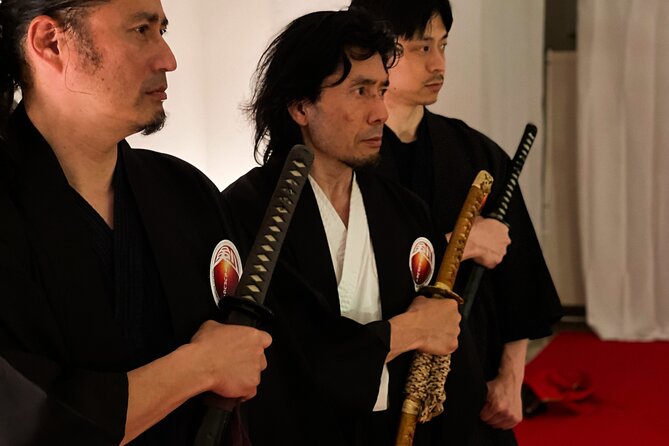
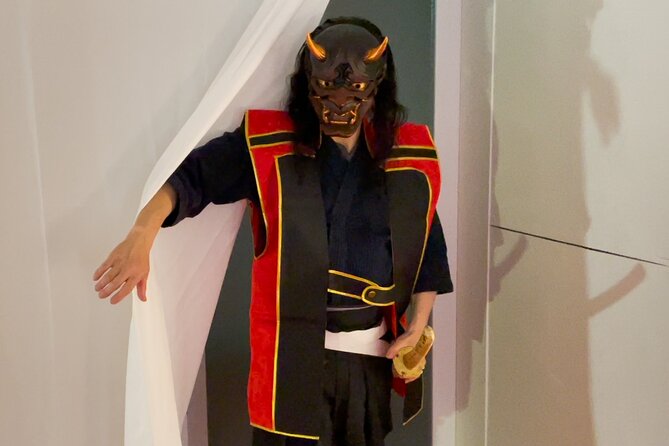
This is more than a staged sword show. You take part in a four-part samurai story, beginning with the legend of the Night Parade of a Hundred Demons, then moving through instruction, a symbolic battle with an oni, and a final recognition ceremony. The focus is on posture, breathing, discipline, and courage, not simply waving a sword around.
I like the small maximum group of six, which should give the English-speaking instructor room to guide each person through the movements. I also like the thoughtful extras: a rented samurai uniform, matcha with Japanese sweets, a commemorative photo, and a personalized scroll naming you and the techniques you learned.
The main consideration is the price. At $84.70 per person for about two hours, this is not a cheap drop-in activity. It makes the best sense if you want a structured cultural experience with a story, costume, instruction, and keepsakes, rather than a brief photo opportunity.
Key points to know before booking
- Four-part samurai story: Follow the sequence from prologue to training, battle, and recognition.
- Small English-friendly group: The maximum is six people, and the guide teaches sword skills, Bushido, and samurai history in English.
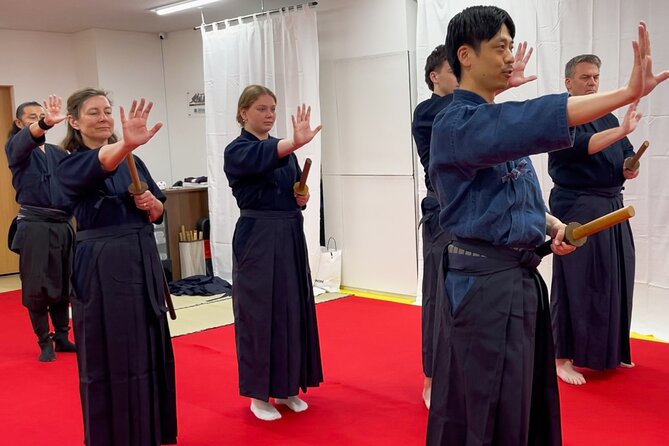
- Hands-on instruction: Expect lessons in etiquette, breathing, posture, strikes, blocks, and mental focus.
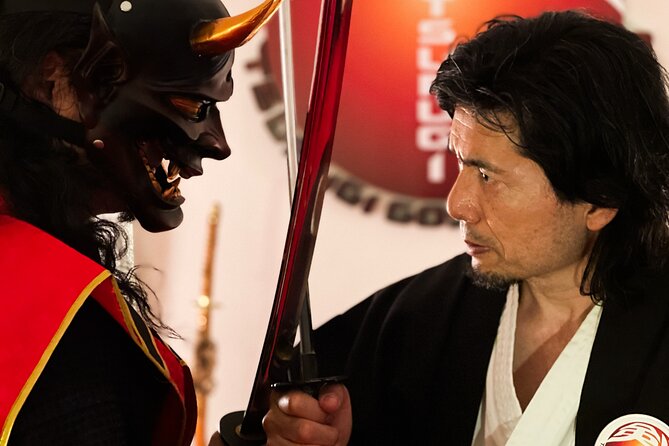
- Oni finale: Put the techniques together in a symbolic confrontation with the demon.
- Traditional extras: Wear a samurai uniform, drink matcha, eat Japanese sweets, and pose for a commemorative photo.
- Personal keepsake: Take home a scroll with your name and the skills you gained.
The story begins with the Night Parade of a Hundred Demons
The experience opens with the Japanese legend of Hyakki Yakō, the Night Parade of a Hundred Demons. In this old story tradition, supernatural beings called yokai and oni move through the night in an eerie procession. The tale gives the activity a clear setting and purpose before you pick up a sword.
The story then turns to the present. The oni, once sealed away, has returned, and the tsurugi samurai squad needs new warriors. You are placed in the role of someone chosen for the trial. This framing may appeal to families and younger participants because it turns a lesson into a simple adventure with a beginning, middle, and end.
There is also a symbolic layer. The demon is not only an outside monster. It represents fear, doubt, and weakness within you. You do not need to treat this as a serious spiritual exercise, but the idea gives the final scene more meaning than simply hitting a target. The goal is courage and composure, not brute force.
If you prefer a quiet museum visit or a formal historical lecture, this theatrical setup may feel too playful. If you like role-play and clear storytelling, it helps the two-hour session move along.
More Train Journeys around Tokyo:
- Mt Fuji & Hakone Cruise, Drum Show Bullet Train 1 Day from Tokyo
★ 4.0 · 7,413 reviews - Tokyo Mt Fuji 5th St & Hakone Cruise Bus Tour w/Bullet Train
★ 4.4 · 5,024 reviews - Mt. Fuji and Hakone Day Trip From Tokyo with Bullet Train Option
★ 4.0 · 368 reviews
Samurai etiquette comes before the sword work
The training is presented as a lesson in centuries-old samurai swordsmanship from the Sengoku era. The instruction covers etiquette, breathing, posture, strikes, blocks, and focus. That order matters. You are not rushed directly into combat movements without first being introduced to the way a samurai is expected to stand and carry himself.
The emphasis on breathing and posture should make this more accessible to beginners. You do not need to arrive with martial arts experience. The goal is to learn a sequence of basic skills and understand the attitude behind them.
The English guide also explains Bushido and samurai history. This gives you useful context for the movements, rather than leaving you with a costume and a few poses. The provided information does not name individual instructors, but the activity is led by the tsurugi samurai squad and is designed to be conducted fully in English.
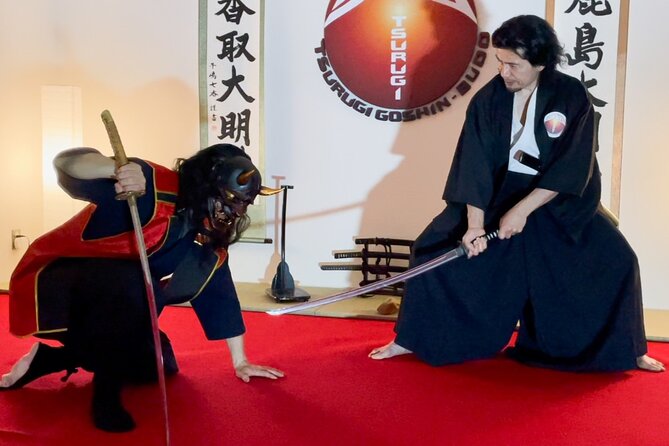
A live sword demonstration comes before or during the lessons. This is one of the moments that helps show the difference between watching a performance and taking a class. You can see the instructor demonstrate the movement, then work on applying the technique yourself.
The exact type of training sword is not specified, so I would not book this expecting a detailed weapons seminar or an advanced martial arts course. Think of it as an introductory session with cultural explanation, guided practice, and a dramatic finale.
Wearing the samurai uniform changes the experience
A samurai uniform is provided during the lessons. This is useful in practical terms because you do not need to pack or rent your own costume, and it helps separate the activity from an ordinary sightseeing stop.
The uniform also makes the experience feel complete. You are not just standing in modern clothes while someone explains old techniques. Once dressed, you can take part in the story, pose for photographs, and get a clearer sense of the discipline and presentation associated with the samurai image.
A commemorative photo with a samurai is included. For families, couples, and friends, this may be one of the most enjoyable parts. It gives you a physical record of the activity and works well as a shared Tokyo memory.
There is a small tradeoff. Costume activities can sometimes appeal more to people who enjoy performance and photographs than to those seeking strict historical training. Here, the uniform is paired with instruction in sword skills, Bushido, and history, but the two-hour format still limits how far the study can go.
The battle with the oni puts the lessons together
After the training, you face the oni in the final battle. This is described as a symbolic clash between spirit and shadow, not a claim that you are taking part in a real fight. You use the offensive and defensive movements introduced earlier and combine them in the closing challenge.
This structure gives the lesson a useful payoff. You learn a technique, practice it, then use it as part of a story. That can make the material easier to remember, particularly for children and first-time martial arts participants.
The battle also explains the activity’s title. You are not simply learning sword forms and leaving. The session builds toward a clear goal: defeat the demon and prove that you can face fear and doubt.
The precise mechanics of the oni encounter are not provided, so you should not expect a detailed combat simulation or a physically demanding contest. The emphasis is on courage, focus, and participation. If you are looking for competitive sparring, this is probably not the right choice.
I like that the activity does not require you to take the inner-darkness theme too literally. You can enjoy the fantasy story, learn a few techniques, and take photographs. Or you can use the symbolism as a quiet reminder to stay calm under pressure. The experience leaves room for both approaches.
Same tracks, a different carriage:
- Tokyo: Kamakura & Enoshima Day Tour with Pickup & Train Ride
★ 4.1 · 61 reviews - Snow Monkey Park and Miso Production Tour Bullet Train from Tokyo
★ 4.5 · 26 reviews - Mt Fuji & Hakone Private Tour from Tokyo: Return by Bullet Train
★ 5.0 · 22 reviews - Tokyo:Izu Penisula Train Mt Omuro, Capybara Sightseeing Trip
★ 4.1 · 10 reviews
Matcha and a personalized scroll round out the visit
Authentic matcha tea and Japanese sweets are provided during the experience. This is a welcome cultural touch. The tea gives the session a calmer pause between the active training and the final presentation, and the sweets add a distinctly Japanese element without requiring a separate tea ceremony booking.
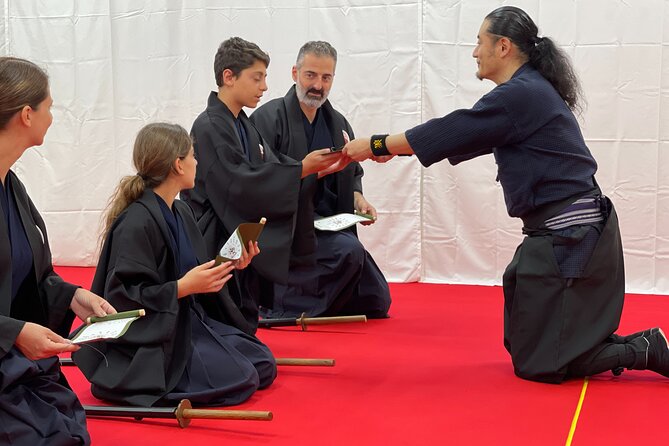
At the end, you receive a personalized scroll with your name and the techniques you learned. This is more useful than a generic paper certificate because it connects the souvenir to the actual class. You can keep it as a reminder of the experience or give it to someone who enjoys Japanese culture and samurai history.
The scroll also supports the activity’s final chapter, called recognition. You move from being a newcomer, to a trainee, to someone acknowledged for completing the trial. That simple progression gives the ending a sense of purpose.
Do not expect the scroll to replace a formal martial arts rank or qualification. It is a commemorative certificate tied to this activity. Its value is sentimental rather than professional.
Why the small group matters
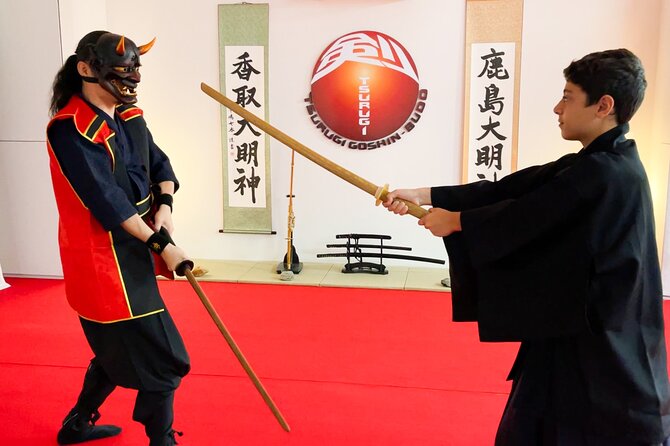
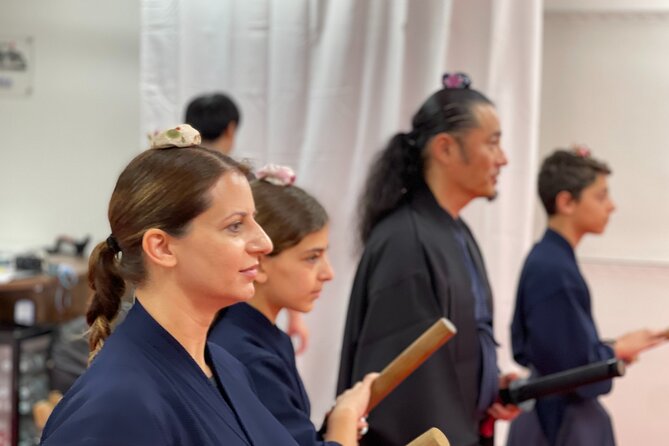
The maximum group size is six. That is one of the strongest practical features here. Sword movements, posture, and blocking positions are easier to follow when the instructor is not trying to manage a large crowd.
A small group also makes the role-play less awkward. You have room to participate without feeling lost in a large audience, and there should be more opportunity to see the demonstration and follow the English explanations.
This format suits solo visitors, couples, families, and groups of friends. You can join alone and still take part in the story, but the activity may feel more lively when two or more people share the battle and photographs. A birthday outing, for example, fits the format well, particularly if you want an activity that is more memorable than a standard meal.
The small group does not guarantee private instruction. Six people may still be present, and the activity is not advertised as a private tour. If you need a one-to-one lesson, confirm that before booking.
Location, timing, and what the price includes
The activity begins and ends at the International Goshin-Budo Association in Kōjimachi, Chiyoda City. The listed address is 4-chōme 2-1, MK Kōjimachi Building, Tokyo 102-0083. It is near public transportation, but private transportation is not included.
The session lasts about two hours. That is long enough to include the story, uniform rental, demonstration, instruction, battle, tea, photographs, and scroll without taking up an entire day of sightseeing.
At $84.70 per person, the value depends on what you want from the outing. You are paying for a compact package that combines cultural explanation, active participation, costume, refreshments, a photograph, and a personalized souvenir. Compared with a quick costume photo, it offers far more structure. Compared with an extended martial arts course, it is brief and introductory.
The price is easier to justify for families and couples who would otherwise pay separately for several small activities. It is less attractive if you only want to hold a sword for a few minutes or take a costume photograph.
The booking pattern, with reservations made about 29 days ahead on average, suggests that you should not leave this until the last minute if your Tokyo schedule is tight. Confirmation is received at booking, and free cancellation is available until 24 hours before the start time. Changes or cancellations made inside that window are not refunded.
Who will enjoy this most
I would recommend this activity to you if you enjoy hands-on cultural experiences and do not mind a little theatrical storytelling. Families are a good fit because the activity has a clear plot, a physical element, costume photos, and a defined finale.
It also works well for couples and friends. The shared challenge gives you something to talk about afterward, and the commemorative photo makes the occasion feel more special. Solo visitors can enjoy it too, since the activity is designed for individuals as well as groups.
The English-friendly format is important. You do not need to rely on a translation app to understand the sword lessons, Bushido explanation, or story. That makes the activity more useful than a performance where you simply watch without context.
You may want to skip it if your interest is strictly academic. The experience presents samurai ideas in an accessible adventure format, not as a long historical seminar. You may also want to skip it if you dislike costumes, staged battles, or symbolic themes about inner fear.
Most people can participate, according to the supplied activity information, but the exact physical demands are not described. If you have concerns about movement or handling a sword, ask the provider before booking.
Should you book the Tokyo samurai experience?
Book it if you want active participation rather than passive sightseeing. The strongest reasons are the small group, English instruction, clear story, and combination of training with cultural details such as matcha, Bushido, and a personalized scroll.
The experience is also a good choice for a family day, a birthday gift, or a shared activity with friends. You will come away with photographs and a named scroll, but the lasting value is likely to be the memory of learning a sequence and using it in the oni finale.
Skip it if you want advanced swordsmanship, a full historical reenactment, or an inexpensive short photo stop. At $84.70, it deserves a place in your itinerary when you value the complete package. For the right audience, this is a lively way to connect with Japanese samurai tradition while having a little fun with the legend.
FAQ
Where does the samurai sword experience begin?
It begins at the International Goshin-Budo Association in Kōjimachi, Chiyoda City, Tokyo. The listed address is 4-chōme 2-1, MK Kōjimachi Building, Tokyo 102-0083.
Where does the activity end?
The activity ends back at the meeting point.
How long does the experience last?
The experience lasts approximately two hours.
Is the activity conducted in English?
Yes. An English guide explains sword skills, Bushido, and samurai history.
How many people can join the activity?
The maximum group size is six people.
What is included in the price?
The price includes samurai uniform rental during the lessons, a live sword demonstration, English instruction, matcha tea and Japanese sweets, a commemorative photo with a samurai, and a personalized scroll with your name and the techniques you learned.
Can I cancel for a full refund?
Yes. You can cancel up to 24 hours before the experience start time for a full refund. Cancellations or changes made less than 24 hours before the start time are not refunded or accepted.
New on the timetable around Tokyo
- Mt Fuji & Hakone Private Tour from Tokyo: Return by Bullet Train★ 5.0 · 22 reviews
- Tokyo-Izu: Volcano, Ocean& Capybara Cuddle with Izu Scenic Train★ 3.5 · 3 reviews
- Private tour with Yasushi and Yoko – by car, train, on foot★ 5.0 · 2 reviews
- Bullet Train Experience & Mishima Shrine Private Tour from Tokyo★ 5.0 · 9 reviews
- 3-Day Private Tokyo and Nagano: Snow Monkeys, Tsukiji Market and Bullet Train★ 5.0 · 2 reviews
- Bullet Train and Mt. Fuji Famous Food Tour★ 5.0 · 4 reviews
- Tokyo: Kamakura & Enoshima Day Tour with Pickup & Train Ride★ 4.1 · 61 reviews
- Tokyo:Izu Penisula Train Mt Omuro, Capybara Sightseeing Trip★ 4.1 · 10 reviews
Other Japan Train Journeys worth a seat
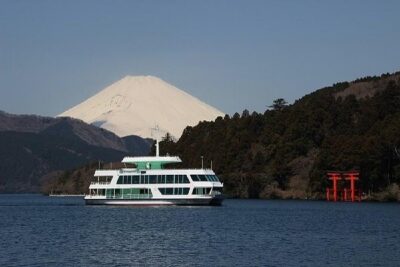
Mt Fuji & Hakone Cruise, Drum Show Bullet Train 1 Day from Tokyo
Read our review →
Tokyo Mt Fuji 5th St & Hakone Cruise Bus Tour w/Bullet Train
Read our review →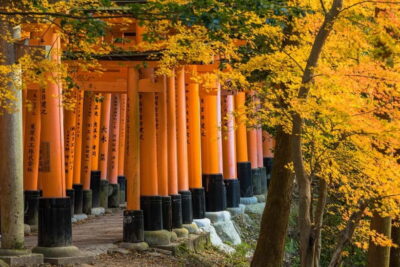
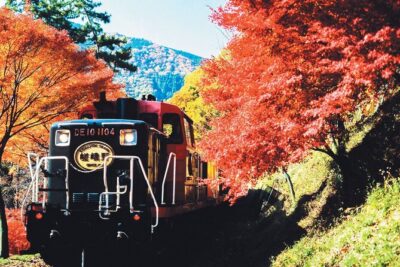
Sagano Romantic Train & Arashiyama, Kiyomizudera, Fushimi Inari Taisha Day Tour
Read our review →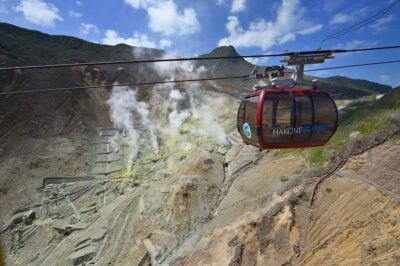
Hakone: Train Pass with Unlimited Rides & Activity Discounts
Read our review →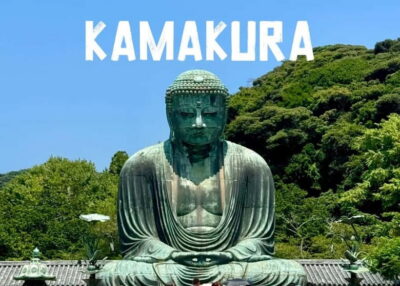
Kamakura & Enoshima Day Tour with Pickup & Train Ride
Read our review →Arashiyama Day Tour with Train, Boat, and Onsen
Read our review →Lists this ride appears on