
Review · JAPAN
Fukuoka: Takachiho Gorge & Scenic Railway One Day Tour
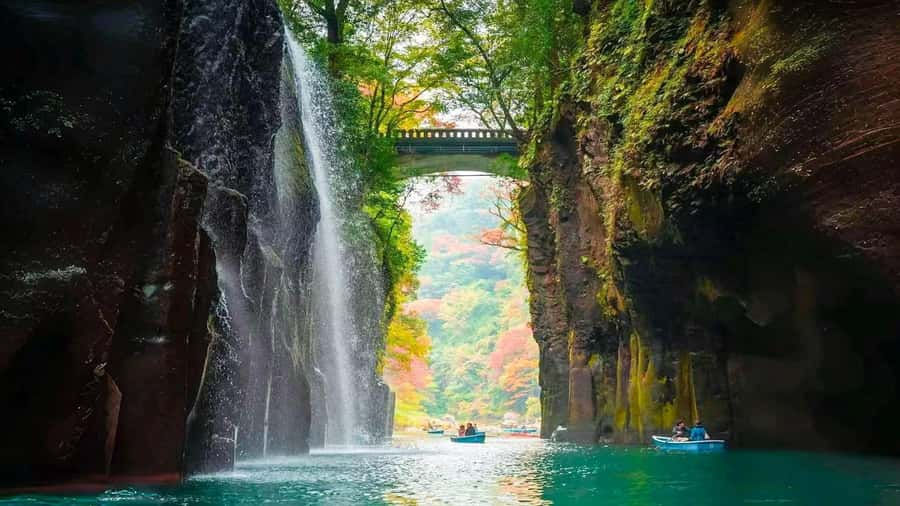
Takachiho Gorge is the star here: a narrow volcanic canyon where Manai Waterfall drops about 80 meters beside dark cliffs. Add a short vintage train ride and a shrine tied to Japan’s oldest myths, and you get a full day that reaches well beyond Fukuoka’s usual city sights. I like the strong mix of nature and culture, and I like having a driver handle the long journey into Miyazaki Prefecture.
I also like the human touch. Guides such as Daisy, Moon, Kevin, and Riku have been praised for clear explanations, good energy, and care with the group. The drawbacks are real: this is a long day, the gorge involves many steps, meals are not included, and the boat ride and train ticket cost extra. Winter conditions can also replace the train with other stops.
Key points to know before booking
- Manai Waterfall is the visual prize: You get the classic Takachiho view from the gorge, with volcanic walls, river reflections, and possible morning rainbows.
- The vintage train lasts about 30 minutes: It is a pleasant scenic extra, but the ticket is paid separately and the service can be changed or canceled.
- Amano Yasugawara connects scenery with Shinto myth: You can stack stones while hearing the story of the nearby Amano Iwato site.
- The optional boat requires planning: The 4-kilometer ride through steep cliffs is not included, and same-day availability is not guaranteed.
- This is an active, tightly timed day: Expect a 30-minute round-trip walk at the gorge, many stairs, limited bathroom time, and long bus travel.
- The $44 price is good for transport: Gas, driver, and round-trip transfer are covered, but food, insurance, train admission, and boat fees are not.
Why Takachiho is worth the long ride from Fukuoka
Fukuoka is an easy city to enjoy on foot, but Takachiho gives you a very different view of Kyushu. The journey takes you into a rural part of the island known for cliffs, forests, shrines, and stories from Japanese mythology. You spend much of the day on the road, yet the payoff is a group of sights that are difficult to combine without private transport.
The tour costs $44 per person and includes the bus transfer, fuel, and driver. That is a sensible price if you want to avoid arranging a long intercity route yourself. You are paying for access and convenience rather than an all-inclusive day. The boat, train ticket, meals, drinks, and personal insurance sit outside the base price.
I would treat this as a big sightseeing day, not a relaxed local outing. The schedule has several major stops, and time can be affected by traffic, maintenance, weather, or crowd conditions. That trade-off is worth it for many people, especially if you have only a short stay in Fukuoka and want to see a more remote corner of Kyushu.
More Scenic Railways in Japan:
- Fukuoka Takachiho Gorge, Amano Iwato and Scenic Train Tour
★ 4.5 · 17 reviews - Fukuoka: Takachiho Gorge, Amano Iwato & Scenic Train Tour
★ 3.8 · 12 reviews - Tokyo-Izu: Volcano, Ocean& Capybara Cuddle with Izu Scenic Train
★ 3.5 · 3 reviews
Entering Takachiho Gorge and finding Manai Waterfall
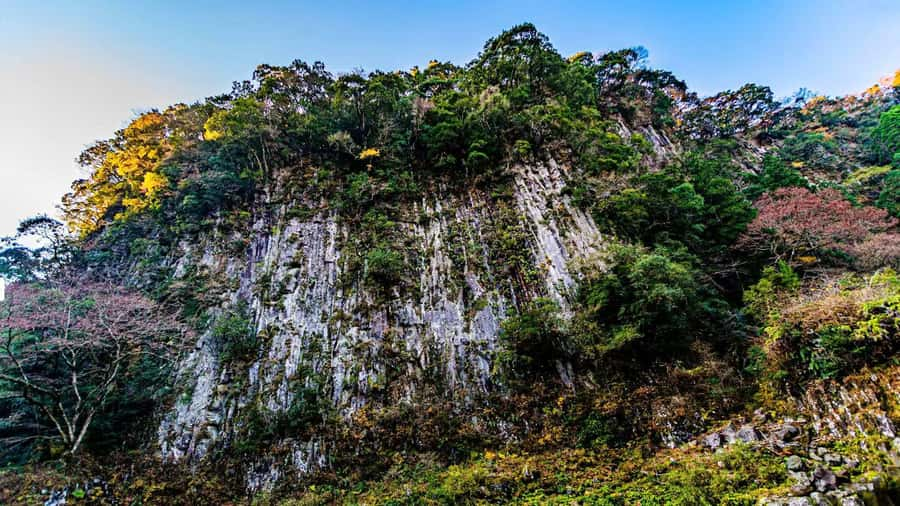
The first major stop is Takachiho Gorge, formed by volcanic activity and shaped by the Gokase River. The dark rock walls rise sharply around the water, creating the enclosed feeling that makes this place so memorable. Manai Waterfall pours down the cliff face and is widely recognized among Japan’s top scenic waterfalls.
Your guide can point out good photo positions, but you should still allow time to look away from the camera. The waterfall, river, and high cliffs work best as a single view. Morning conditions can bring a rainbow near the falling water, though no tour can promise one.
The gorge visit involves a roughly 30-minute round-trip walk and many steps. This is not a flat promenade. Wear shoes with a secure sole, bring water, and keep your hands free for railings where needed. The route is not advised for wheelchair users or people with mobility limitations, heart problems, pregnancy, or other conditions that make stairs and uneven walking difficult.
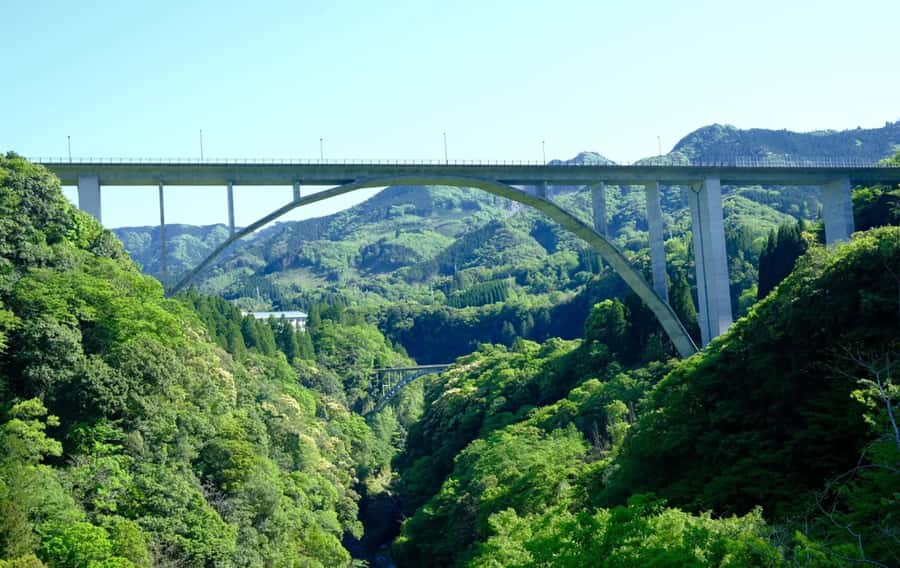
One small but useful detail is the Three Eras Bridge area. Meiji, Showa, and Heisei-era bridges cross the gorge, creating a compact visual record of changing Japanese construction. They also give you different angles for photos, especially if you want the river and cliffs framed below.
The short stop can feel rushed if you want to explore every path. That is one of the costs of fitting Takachiho into a day from Fukuoka. Still, the main view is powerful, and the guide can help you focus on the best parts instead of wandering without a plan.
The optional boat ride through the cliffs
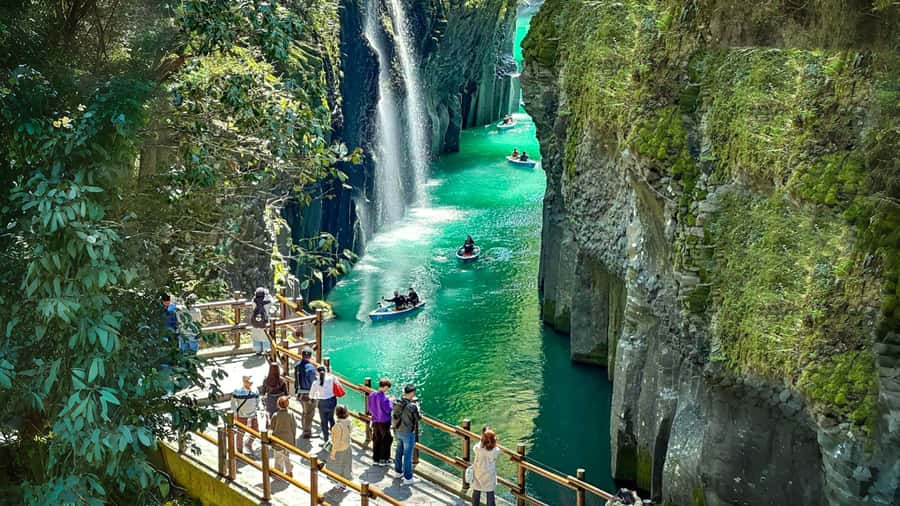
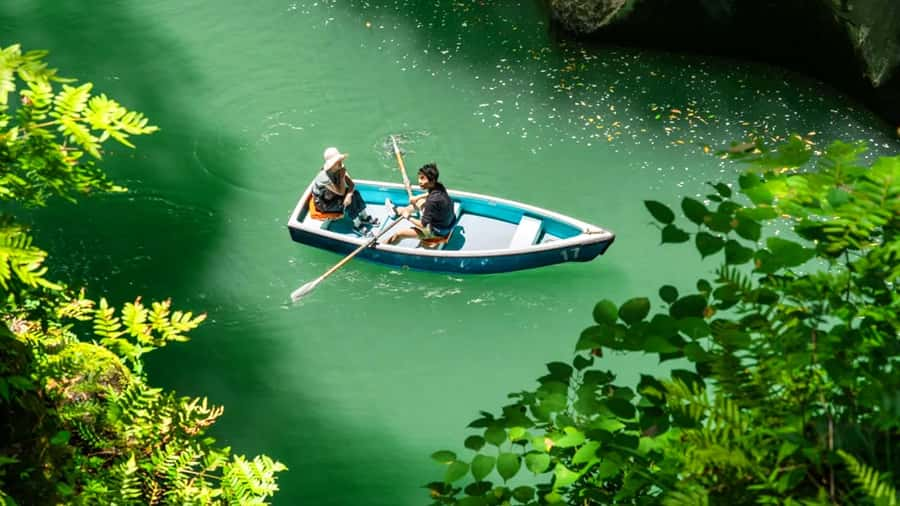
The Takachiho boat ride is the most intimate way to see the gorge. The route runs for about 4 kilometers through steep walls, bringing you close to the water and beneath the towering cliffs. From below, the height of the rock and the fall of Manai Waterfall become much more dramatic.
The boat is not included in the $44 price. You pay separately, and advance booking is important. Same-day access is not guaranteed, and one of the practical complaints about this tour is that the boat reservation can create a tight connection with the rest of the schedule. The path to the boarding area includes stairs, so you need to leave enough time to get there.
Ask about the boat before your tour date, rather than assuming the guide will arrange it on the day. If storms, heavy rain, or high water make the ride unsafe, the boat may stop operating. A full refund for the boat may be available when the operator cancels because of those conditions, but the day tour itself does not promise a refund for weather-related changes.
I see the boat as a worthwhile extra if you want the closest view of the gorge and can manage the stairs. If you prefer an easier day, the gorge viewpoints on foot still deliver the main scenery without adding another timed activity.
A 30-minute ride on the Amaterasu Railway
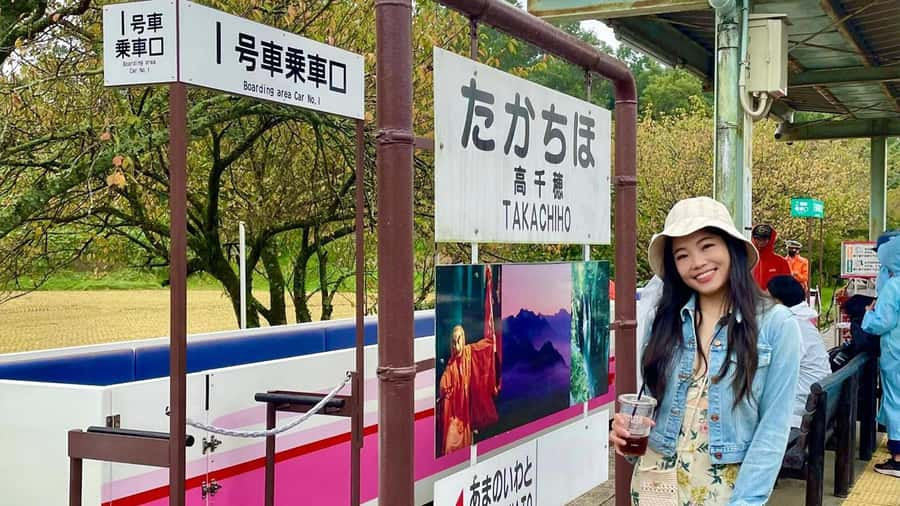
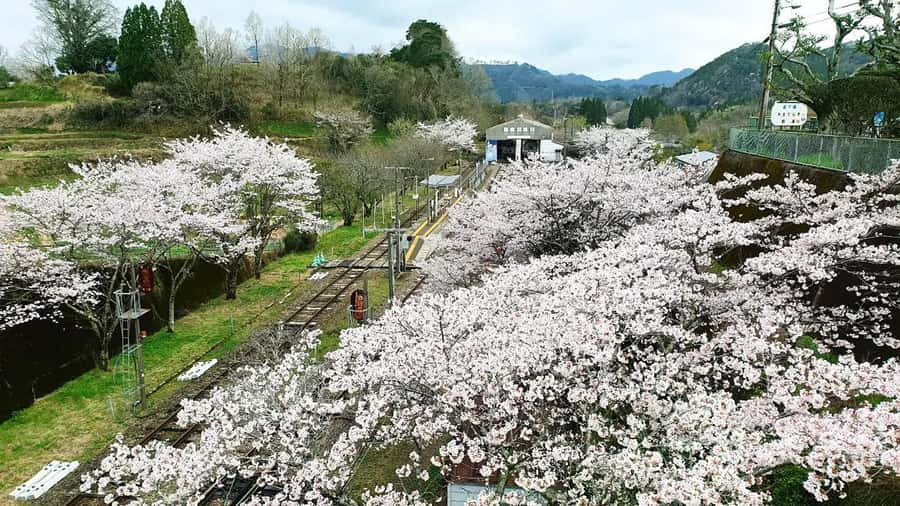
The vintage railway adds a different mood. Instead of walking beside the river, you sit in an old-style carriage and watch the scenery move past. The ride lasts about 30 minutes and may pass forests, rice fields, bridges, and gorge views depending on the season.
Spring can bring cherry blossoms, summer offers green fields, autumn brings maple color, and winter may show snow around bridges. The Crescent Moon Bridge and Mount Fuji references in the railway information are seasonal viewing details, so do not expect every feature on every departure.
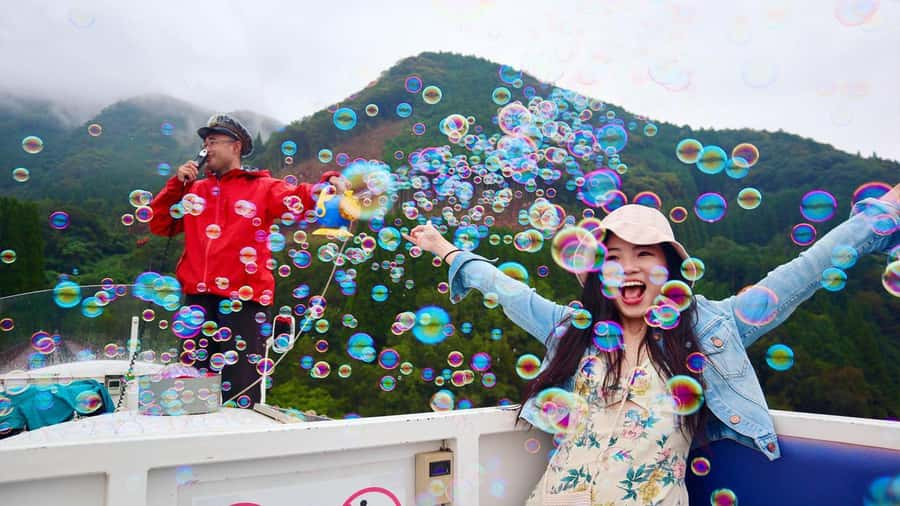
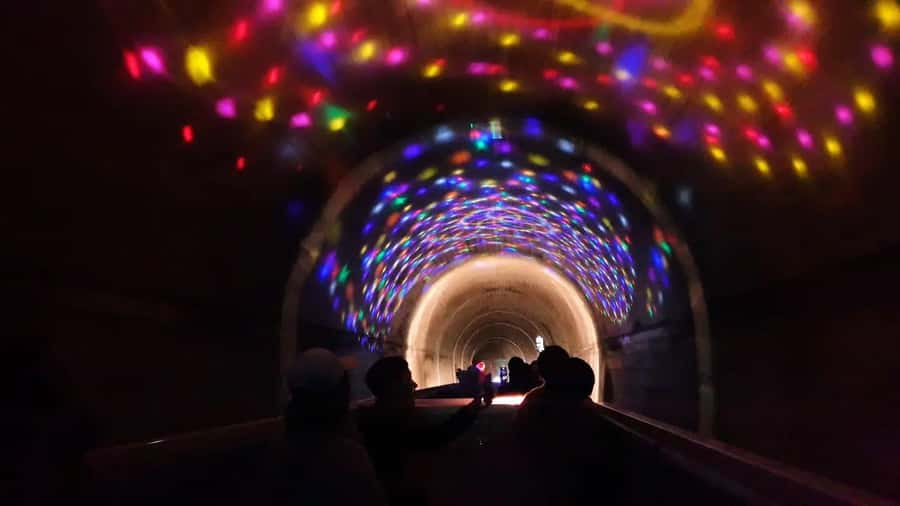
The sound is part of the appeal: wheel clatter, outdoor air, bird calls, and old Showa-era music. Staff may use bubble machines for photographs, adding a playful retro touch. It is not a major railway journey, but it gives the day a gentle pause between walks and bus travel.
The train ticket is not included, despite the railway being part of the planned experience. Budget for that separately. The railway also closes on the third Thursday of each month, along with specific dates including September 18, October 16, and November 20. From December 1 through February 28, cold outdoor conditions can make the small train unsuitable, and the itinerary changes to other attractions.
Heavy rain, typhoons, maintenance, or other unsafe conditions can also stop the railway. If riding the train is your main reason for booking, check the operating calendar before paying. If you are happy with a broader day of scenery and shrines, the replacement stops may still make the trip worthwhile.
More Day Trips by Rail around Japan:
- Mt Fuji & Hakone Cruise, Drum Show Bullet Train 1 Day from Tokyo
★ 4.0 · 7,413 reviews - Mt. Fuji and Hakone Day Trip From Tokyo with Bullet Train Option
★ 4.0 · 368 reviews - Tokyo: Izu Scenic Oceanview Train, Volcano, Coast Day Trip
★ 3.4 · 4 reviews - From Tokyo: Seibu Railway 1 Day Pass and Nagatoro
★ 4.7 · 4 reviews
Amano Yasugawara and the stone-stacking ritual
Amano Yasugawara brings the day into the world of Shinto legend. The site is linked with the Amano Iwato story recorded in the Kojiki, an early Japanese text of myths. Your guide can explain the story and why the cave and river setting matter in Japanese religious tradition.
A familiar ritual here is stacking stones. You can place stones into small towers while making a wish. It is simple, tactile, and easy to understand even if you know little about Shinto practice. The guide supervises the activity and provides stones, so you do not need to prepare anything.
The stop is not only about taking a quick photo. It offers a chance to see how natural places and myth remain connected in Japan. At the same time, the visit may feel brief. One review described a brisk walk through the shrine area, which is a fair warning for anyone hoping for a long, quiet visit.
Wear shoes that handle steps and uneven ground. Keep some cash with you for small purchases or optional costs nearby, since cash is specifically recommended for the day.
What the guide and bus service add
The bus is heated, which matters during a long winter ride, and the tour uses a driver for the round-trip transfer from the meeting point. A guide holding a flag meets you at the start, and the tour finishes back at that same meeting point.
Guides use Chinese and English, but the bus may include people from several countries. That means explanations can be given in multiple languages rather than as a private, single-language service. You should expect useful commentary, but not constant one-to-one attention.
The strongest guide reports point to people such as Daisy, Moon, Kevin, Riku, and Johnny. Their useful roles include explaining local mythology, answering personal questions, suggesting places to see in Fukuoka, and keeping the group moving. Moon was especially praised for connecting the history and stories to the sites, while Kevin was noted for giving clear information during the drive. The quality of a group tour can vary with the guide assigned that day, but the format gives you more context than an unaccompanied visit.
The bus ride is also part of the experience. You pass through southern Kyushu scenery on the way to the stops, though you should remember that much of the day is spent sitting. Bring water, a camera, sunglasses, a hat, sunscreen, and comfortable clothing.
Food, bathrooms, and the hidden cost of a long day
No meals or drinks are provided. Bring snacks, or plan to buy food at nearby convenience stores, cafes, or other eateries. Do not count on a leisurely restaurant lunch unless the schedule specifically allows it.
Bathroom breaks may be limited. One useful warning is that the day can be difficult if you need frequent toilet stops. The combination of long bus travel, fixed sightseeing times, and several active stops leaves less flexibility than you may expect.
The advertised price is low for a full-day transfer into a distant part of Kyushu, but calculate the real cost before booking. Add the train ticket if it is operating, the boat if you want it, meals, drinks, and any personal expenses. Personal travel and accident insurance are also excluded.
Luggage or special requests must be reported in advance, and a luggage fee may apply. Keep valuables with you and avoid bringing large bags unless you have confirmed the arrangement.
Who should book this day trip
I would recommend this tour to you if you want to see Takachiho without renting a car or planning several complicated connections. It suits people who enjoy dramatic scenery, Japanese mythology, short walks, and a full schedule. It is also a practical choice for a first Kyushu visit when you want one strong day outside Fukuoka.
You should think twice if you dislike long bus rides, need frequent breaks, or want to set your own pace. The tour is not suitable for wheelchair users, people with mobility impairments, pregnant women, people with heart problems, or people over 70 according to the stated restrictions. The gorge stairs and shrine paths are the main concern.
The boat is best for those who plan ahead. The railway is best treated as an appealing extra, not a guarantee. Weather and seasonal closures can change both. A flexible attitude will make the day much easier.
Should you book the Fukuoka to Takachiho tour?
Book it if the main goal is seeing Takachiho Gorge and Amano Yasugawara with transport handled for you. The $44 starting price offers good value for the driver, fuel, and round-trip transfer, and the guides can add useful context to places that might otherwise be hard to understand.
Do not book it expecting a slow, independent exploration or a fully paid package. You will need comfortable shoes, snacks, cash, and patience with a long schedule. Check the railway closure dates, ask about the separate boat reservation, and accept that weather may change the plan. For an active visitor who wants a broad taste of Kyushu in one day, this is a strong choice.
FAQ
What is included in the $44 tour price?
The price includes gas, a driver, and round-trip transportation from the meeting point. It does not include food, drinks, the boat ride, the Amaterasu train ticket, insurance, or other personal expenses.
Is the Takachiho Gorge boat ride included?
No. The boat ride costs extra and should be arranged in advance. Same-day availability is not guaranteed.
How long is the train ride?
The train experience lasts about 30 minutes. The ticket is paid separately.
Does the train operate in winter?
From December 1 through February 28, the small train may be replaced with other attractions because cold outdoor conditions make the ride unsuitable. Severe weather and maintenance can also affect service.
When is the Amaterasu Railway closed?
It is closed on the third Thursday of each month. Listed closure dates also include September 18, October 16, and November 20.
How difficult is the Takachiho Gorge walk?
The gorge includes many steps and a roughly 30-minute round trip on foot. Comfortable shoes are important, and the route is not advised for people with mobility impairments.
Are meals provided?
No. Bring snacks or use nearby convenience stores, cafes, and other eateries.
What languages are available?
The tour provides Chinese and English. Since people from several countries may share the bus, the guide may use multiple languages during the day.
Where does the tour start and finish?
The guide meets you at the stated meeting point while holding a flag. The tour ends back at the meeting point.
Can weather cancel parts of the tour?
Yes. Typhoons, heavy rain, high water, and other unsuitable conditions can stop the boat or train and lead to itinerary changes. Traffic and maintenance can also alter timing.
New on the timetable around Japan
- Train in Samurai Swordsmanship and Defeat the Demon in Tokyo★ 5.0 · 5 reviews
- Mt Fuji & Hakone Private Tour from Tokyo: Return by Bullet Train★ 5.0 · 22 reviews
- Tokyo-Izu: Volcano, Ocean& Capybara Cuddle with Izu Scenic Train★ 3.5 · 3 reviews
- Private tour with Yasushi and Yoko – by car, train, on foot★ 5.0 · 2 reviews
- Bullet Train and Mt. Fuji Famous Food Tour★ 5.0 · 4 reviews
- Bullet Train Experience & Mishima Shrine Private Tour from Tokyo★ 5.0 · 9 reviews
- 3-Day Private Tokyo and Nagano: Snow Monkeys, Tsukiji Market and Bullet Train★ 5.0 · 2 reviews
- Guided Half-day Tour(PM) to Toyota Commemorative Museum & SCMAGLEV Railway Park★ 5.0 · 3 reviews
Other Scenic Railways worth a seat
Lake Como Cruise, St. Moritz & Bernina Red Train
Read our review →
Self-Guided Kuranda Trip with Train and Skyrail
Read our review →
Bernina Red Train, Swiss Alps & St Moritz From Milan
Read our review →
Milan to St. Moritz: Scenic Bernina Train Tour with Guide
Read our review →
Bernina Train, Swiss Alps & St. Moritz Day Trip
Read our review →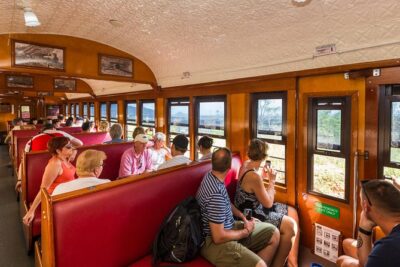
Lists this ride appears on