Review · TOKYO
3-Day Private Tokyo and Nagano: Snow Monkeys, Tsukiji Market and Bullet Train
The snow monkeys are the headline here. You take the bullet train from Tokyo to Nagano, walk into the mountains to Jigokudani, then warm up in Yudanaka’s hot springs before visiting one of Japan’s oldest temples. I like the private setup, since your guide can adjust the pace, and I like that trains, local transport, meals, lodging, and the monkey park fee are bundled together.
The main tradeoff is the pace. You cover two cities, a mountain park, a market, a temple, and an onsen in three days. The 40-minute uphill walk each way to the monkeys also calls for decent fitness, and the park visit can change with the weather.
Key points to know before booking
- Snow monkeys require a mountain walk: Plan on at least 40 minutes each way over elevated ground to reach Jigokudani.
- A private guide shapes the trip: Only your group takes part, and guides such as Akemi and Satoshi have adjusted plans to suit pace and interests.
- Meals and transport are built in: The price includes round-trip bullet train rides, public transport, two breakfasts, two lunches, and two dinners.
- Tokyo and Nagano feel very different: You get city streets, Tsukiji snacks, a tatami dining experience, mountain hot springs, and Zenko-ji Temple.
- Weather can change Nagano plans: The order of stops may shift, and poor weather can lead to a new date or a full refund.
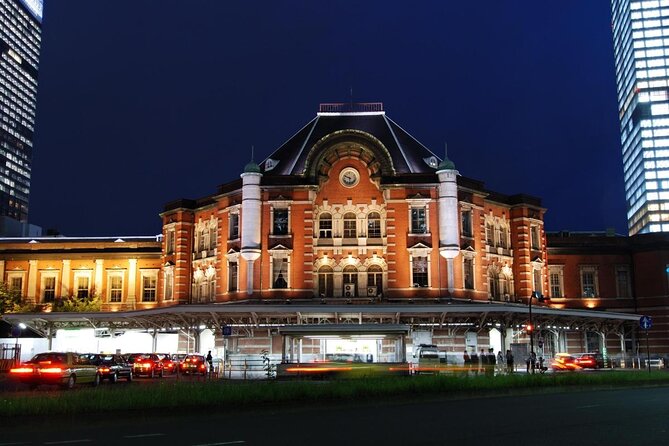
- The tour ends at Ueno Station: Your guide helps point you toward your next destination after returning to Tokyo.
Why this three-day route works
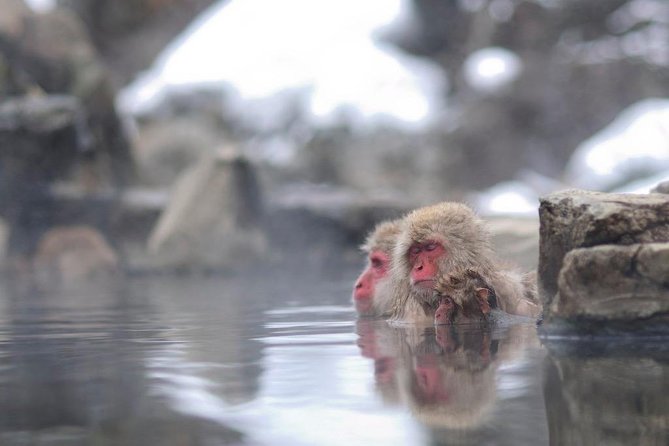
This trip gives you a quick look at two sides of Japan. Tokyo supplies neon-lit streets, market food, and late-night dining. Nagano brings temple bells, mountain air, hot springs, and the famous Japanese macaques that gather around warm pools in winter.
I especially like the private format for a route with several moving parts. You are not trying to work out train connections, local buses, park access, meals, and a ryokan stay on your own. Your guide travels with you and can make practical calls when weather or your energy level gets in the way.
The price is listed at $2,173, with group discounts available. That is a serious sum, so the value depends on your group size and how much help you want. The package covers the major transport, two nights of lodging, five included meals, the monkey park entrance, and guiding. If you were planning to arrange all of that yourself, the convenience has real worth. If you enjoy building your own rail trip and choosing restaurants, you may find the package restrictive.
More High-Speed Trains in Japan
- Mt Fuji & Hakone Cruise, Drum Show Bullet Train 1 Day from Tokyo
★ 4.0 · 7,413 reviews - Tokyo Mt Fuji 5th St & Hakone Cruise Bus Tour w/Bullet Train
★ 4.4 · 5,024 reviews - Mt. Fuji and Hakone Day Trip From Tokyo with Bullet Train Option
★ 4.0 · 368 reviews
Day 1: Asakusa, Tokyo after dark, and an izakaya table
You begin at Hotel Sunroute Asakusa, with check-in available before the 4 p.m. orientation. Asakusa is a sensible starting point because it gives you a calmer introduction to Tokyo than the city’s busiest commercial districts. Your guide gets you oriented, then the evening moves into a two-hour walking tour.
The exact evening area is Shinjuku or Shibuya. Both offer a strong first look at Tokyo after sunset, though in different ways. Shinjuku is known for its dense city activity and towering streetscapes, while Shibuya is associated with major pedestrian crossings and youth-oriented shopping areas. Since the precise district is not fixed in the details provided, ask your guide which area is planned for your date.
The walk is more useful than simply being dropped into a station and told to explore. Tokyo can feel confusing at first, especially when large rail stations spill into several neighborhoods. With a private guide, you can stop to ask how the streets, stations, and local districts fit together.
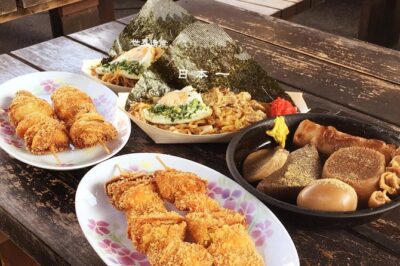
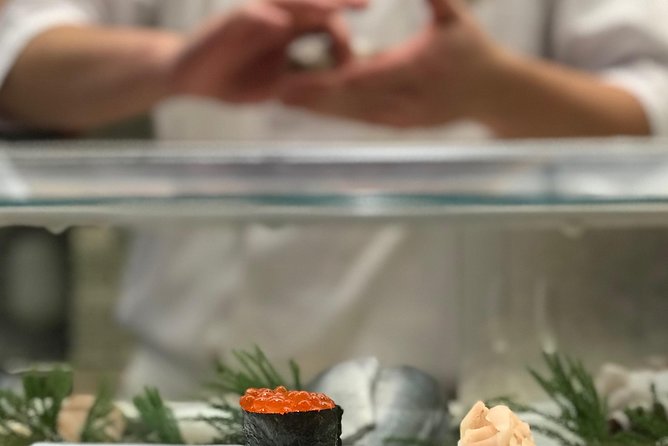
Dinner is served in an izakaya-style restaurant, where you sit on tatami mats at low tables and share a selection of Japanese dishes recommended by your guide. This is a good way to eat if you want more than one plate and prefer to sample several flavors at once.
The practical point is that the food is selected for you, but the arrangement may not suit every body. Sitting on the floor at a low table can be hard on knees and hips. The tour itself warns that it is not recommended for people with knee problems, and that warning applies here as well as to the mountain walk.
Day 2: Tsukiji flavors before the mountain journey
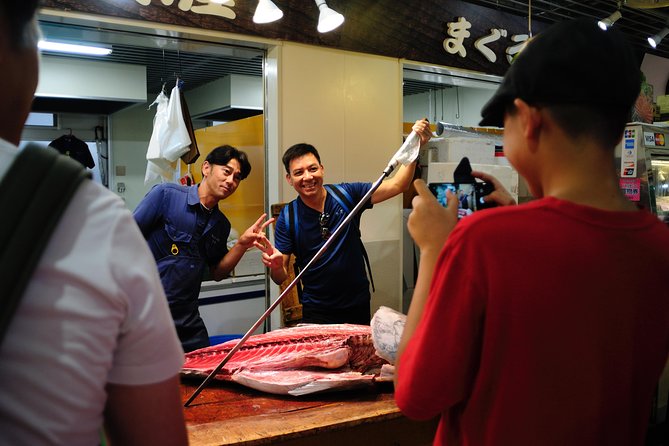
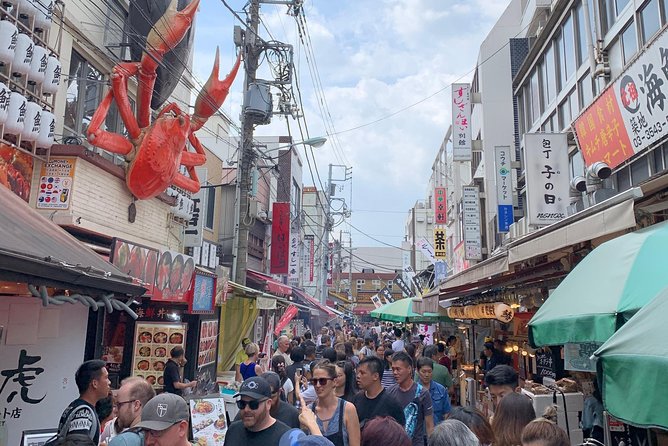
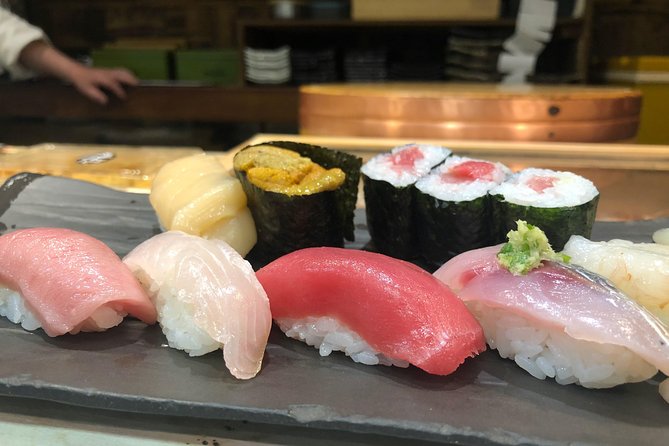
Tsukiji Market is the morning food stop. The wholesale tuna market moved elsewhere, but the outer market remains a lively place to browse seafood, produce, fruit, and snacks through narrow, crowded alleys. You have about two hours, enough time to look closely rather than rush through a single photo stop.
I like this part because food gives you a direct connection to daily life. You can see the range of ingredients used in Japanese cooking, and your guide can help explain what you are looking at. The market is also a practical place to notice how much of Japanese eating culture begins with careful ingredients and small, focused shops.
Crowded alleys require patience. Keep your group together and expect to walk at a steady pace. The market visit is included as part of the guided day, but the supplied details do not state that individual snacks or purchases are covered, so budget for anything you want to buy.
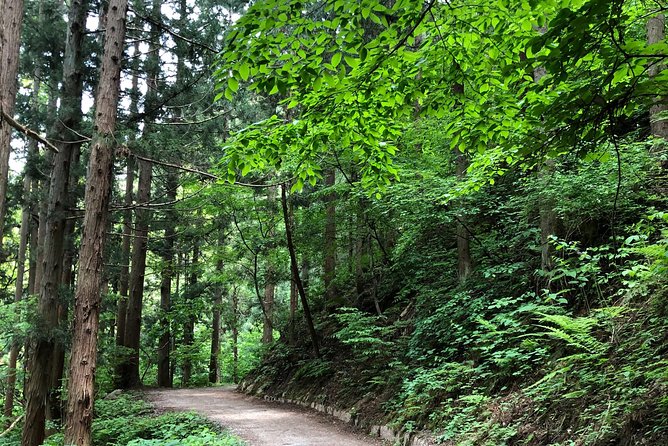
From Tokyo, the day turns toward Nagano and the Jigokudani Snow Monkey Park. The order and timing depend on weather, which matters in this mountain setting. The walk to the park takes at least 40 minutes one way over elevated ground, and the tour notes that the visit may be changed or rearranged if conditions are poor.
This is not a quick roadside animal stop. You need to be ready for a proper walk before you see the monkeys. Wear shoes that can handle a mountain path and bring clothing suited to the forecast. The supplied information does not promise snow on every departure, so think of the visit as a mountain park experience first, with winter scenery possible depending on the season and conditions.
Jigokudani and the snow monkeys
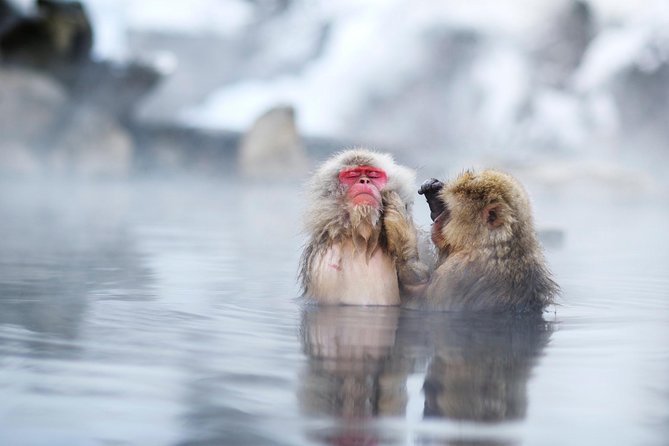
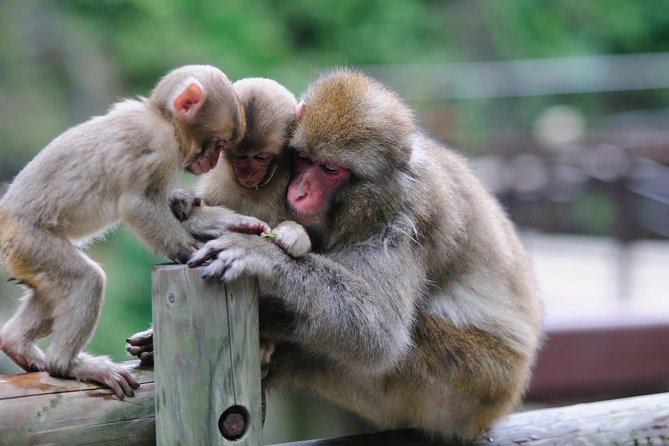
Jigokudani is the emotional center of the tour. The park is known for Japanese macaques that gather near hot spring water, an unusual sight that gives this route its name and appeal.
You have about an hour and a half at the park, but part of that window is tied to the approach. The 40-minute walk each way means your legs do much of the work before you reach the viewing area. If you have knee trouble, poor balance, or limited stamina, this is the clearest reason to choose another excursion.
Weather can affect both comfort and access. The company states that poor weather may lead to a different date or a full refund, while the order of Nagano stops can change during the tour. That flexibility is useful, but you should not treat the snow monkey visit as independent of conditions.
The entrance fee is included. Your guide can help with the timing and transport, which is valuable after a busy Tokyo morning. Still, this is the one stop where you should make an honest fitness check before booking. The tour requires moderate physical fitness, and the mountain walk is not optional if you want to reach the park.
More High-Speed Trains in Tokyo:
- Snow Monkey Park and Miso Production Tour Bullet Train from Tokyo
★ 4.5 · 26 reviews - Mt Fuji & Hakone Private Tour from Tokyo: Return by Bullet Train
★ 5.0 · 22 reviews - Bullet Train Experience & Mishima Shrine Private Tour from Tokyo
★ 5.0 · 9 reviews - Bullet Train and Mt. Fuji Famous Food Tour
★ 5.0 · 4 reviews
Yudanaka Onsen, sake, and a ryokan dinner
After the park, you head to Yudanaka Onsen. Time permitting, the plan includes a local sake brewery. If the day runs long, the brewery visit moves to the next day. That small detail tells you something important: the Nagano schedule has room to adjust, but not every stop is guaranteed at the same hour.
The onsen portion lasts about 30 minutes. You get a chance to experience a traditional hot spring bath after the mountain walk, which is a sensible pairing. The short bath time makes this more of a cultural experience and a reset than a full spa afternoon.
Dinner takes place at the ryokan and features local Japanese dishes. Two dinners, two breakfasts, and two lunches are included in the package. The exact menus are not specified, so you should not book this expecting a particular dish. You can expect the guide to help you navigate the meal and setting.
The overnight stay also breaks up the long rail journey. Instead of returning to Tokyo after the monkey park, you spend the night in the Nagano area, making room for Zenko-ji the next morning. For me, this is one of the strongest design choices in the trip. The hot spring night gives the route a local rhythm that a same-day return would lose.
Day 3: Zenko-ji and the ride back to Tokyo
The final morning centers on Zenko-ji Temple in Nagano. The temple was built more than 1,300 years ago, and the planned visit lasts about two hours. That gives you enough time to see the complex with context rather than treating it as a brief stop between trains.
Zenko-ji adds a different kind of cultural experience from the Tokyo neighborhoods and market. It is a place for architecture, religious tradition, and quiet observation. Your guide can help connect what you see to the larger story of the city, though the provided details do not specify which temple areas or rituals are included.
You then have lunch in Nagano before boarding the bullet train for Tokyo. The return ride takes about two hours, and the necessary bullet train fare is included. Rail travel is a major part of the appeal here. You see how quickly Japan connects a huge capital with a mountain city, without needing to decipher the ticket system yourself.
The tour ends at Ueno Station. Your guide helps you find your way to your next destination, but the activity does not continue beyond that station. Plan your onward hotel, airport, or evening arrangements around the arrival there.
What the private guiding adds
A private trip is most useful here during transitions. You move between Tokyo streets, market lanes, trains, mountain roads, a hot spring town, and a major temple. Having one person responsible for the flow can remove a lot of small decisions.
The guide can also respond to your pace. Akemi is described as fitting planned activities around the group’s preferences, while Satoshi is described as making transport between cities and sites easy and adding context along the way. Those details point to the kind of service you should expect from a strong guide: less time spent worrying about logistics and more time paying attention to where you are.
The benefit is not only convenience. A private guide can help you understand how to behave in an izakaya, what you are seeing at Tsukiji, and how the Nagano stops fit together. If you want a self-directed trip, that level of structure may feel like too much. If this is your first visit to Japan, it can be a welcome buffer against confusion.
Who should book this experience
I would recommend this tour to you if you want a compact introduction to Tokyo and Nagano without managing the rail planning yourself. It suits couples, families, and small private groups that value personal attention and want food, culture, transport, and lodging handled in one booking.
It is also a good fit for a special trip. One couple used it during a honeymoon, and the private guide was able to adjust the pace and planned stops to suit them. That flexibility can matter when you want a memorable route without the rigid feel of a large coach tour.
I would hesitate if you have knee problems or dislike long walks. The monkey park requires at least 40 minutes each way on elevated ground, and the tatami dining setup may also be uncomfortable. I would also hesitate if your main goal is a slow, detailed Tokyo visit, since this route gives you only short windows in each city.
The tour runs for about three days and begins with a 4 p.m. orientation, so make sure that starting time fits your arrival plans. Confirmation is sent within 48 hours, subject to availability. The activity is near public transport, but the end point is Ueno Station rather than your hotel.
Cancellation terms are strict close to departure. You receive a full refund if you cancel at least six full days before the start time, 50 percent if you cancel two to six full days ahead, and no refund within two days. Weather or minimum-participant issues can lead to a new date or a full refund.
Should you book the Tokyo and Nagano tour?
Book it if you want snow monkeys, an onsen, Zenko-ji, and Tokyo food stops in one carefully connected trip. The included rail travel, meals, lodging, guide, and park admission make the $2,173 price easier to judge, especially for a private group that would otherwise arrange each piece separately.
Skip it if you want to set your own restaurant schedule, spend several full days in Tokyo, or avoid mountain walking. For the right group, the appeal is simple: you get a private guide, a memorable change of scenery, and a clear path from city streets to Nagano’s hot springs and temple district.
FAQ
Where does the tour start?
It starts at Hotel Sunroute Asakusa, 1-chōme-8-5 Kaminarimon, Taito City, Tokyo. The orientation takes place at 4 p.m., and you can check in before then.
Where does the tour end?
The tour ends at Ueno Station in Tokyo. The guide helps you find directions to your next destination.
Is transportation included?
Yes. Round-trip bullet train rides from Tokyo to Nagano and back are included, along with necessary public transportation fees.
Are meals included?
Yes. The package includes two dinners, two breakfasts, and two lunches.
Is accommodation included?
Yes. Two nights of accommodation are included.
How long is the walk to the snow monkeys?
You should plan on walking at least 40 minutes one way over elevated mountain ground to reach Jigokudani Snow Monkey Park.
Can the Nagano schedule change?
Yes. The order of Nagano stops may change based on weather. The snow monkey visit depends on conditions, and a poor-weather cancellation may result in another date or a full refund.
Is this a private tour?
Yes. Only your group participates, with an English-speaking guide. Confirmation is subject to availability and is sent within 48 hours of booking.
More Winter Rail Trips around Tokyo
- Winter Tour Viking Village, Nærøyfjord Cruise & Flåm Railway
★ 4.6 · 26 reviews - Zakopane & Gubalowka Funicular – Private Winter Tour from Krakow
★ 5.0 · 10 reviews - Jade Dragon Snow Mountain Glacier Cableway with Scenic Train Tour
★ 5.0 · 9 reviews - Winter Tour Viking Village, Nærøyfjord Cruise and Flåm Railway
★ 4.5 · 4 reviews
More Three-Day Rail Trips around Tokyo
- 3-Day Isle of Skye, ‘Hogwarts Express’ Train and Highlands Tour
★ 5.0 · 972 reviews - 3-Day Blarney Castle, Ring of Kerry, & Cliffs of Moher Rail tour
★ 4.5 · 211 reviews - Edinburgh: Isle of Skye & Optional Jacobite Train 3-Day Tour
★ 4.7 · 191 reviews - 3 Day Isle of Skye and Jacobite Steam Train Tour from Inverness
★ 5.0 · 161 reviews
New on the timetable around Tokyo
- Train in Samurai Swordsmanship and Defeat the Demon in Tokyo★ 5.0 · 5 reviews
- Private tour with Yasushi and Yoko – by car, train, on foot★ 5.0 · 2 reviews
- Mt Fuji & Hakone Private Tour from Tokyo: Return by Bullet Train★ 5.0 · 22 reviews
- Tokyo-Izu: Volcano, Ocean& Capybara Cuddle with Izu Scenic Train★ 3.5 · 3 reviews
- Bullet Train Experience & Mishima Shrine Private Tour from Tokyo★ 5.0 · 9 reviews
- Bullet Train and Mt. Fuji Famous Food Tour★ 5.0 · 4 reviews
- Tokyo: Kamakura & Enoshima Day Tour with Pickup & Train Ride★ 4.1 · 61 reviews
- Tokyo:Izu Penisula Train Mt Omuro, Capybara Sightseeing Trip★ 4.1 · 10 reviews
Other High-Speed Trains in Japan worth a seat
Mt Fuji & Hakone Cruise, Drum Show Bullet Train 1 Day from Tokyo
Read our review →
Tokyo Mt Fuji 5th St & Hakone Cruise Bus Tour w/Bullet Train
Read our review →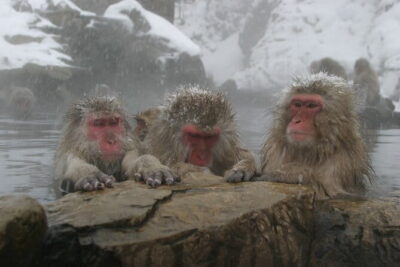
Snow Monkey Park and Miso Production Tour Bullet Train from Tokyo
Read our review →
Mt Fuji & Hakone Private Tour from Tokyo: Return by Bullet Train
Read our review →
Bullet Train Experience & Mishima Shrine Private Tour from Tokyo
Read our review →