
Review · NEW DELHI
Steam Engines And Railway Museum In Rewari From Delhi
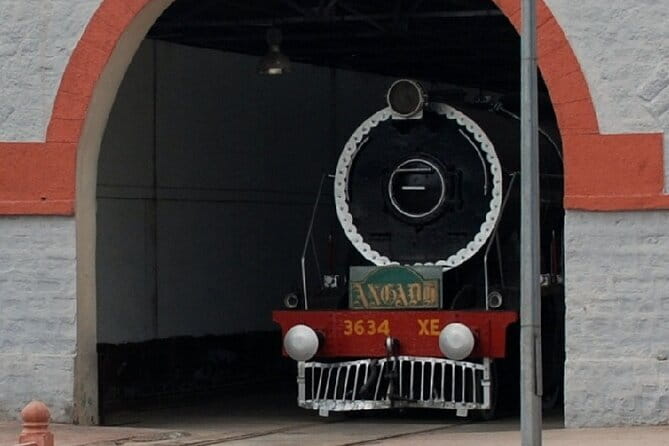
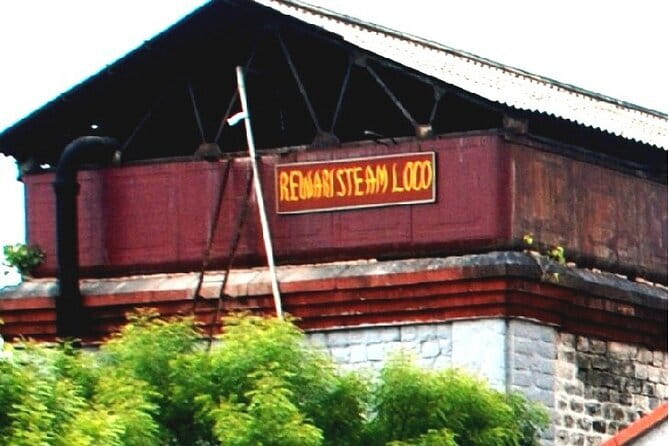
The most unusual part of this day trip is not simply seeing old locomotives. It is visiting India’s only surviving steam locomotive shed, where several engines have been restored and remain fully functional. The 1885 Fairy Queen is the star, but the collection of 11 steam engines gives the visit real weight.
I like the private air-conditioned transport, which takes the strain out of a roughly two-hour drive each way. I also like the chance to see railway objects beyond the engines, including a Victorian signalling system, old coach seats, and gramophones. The main drawback is the long road journey for a museum visit, especially if your interest in railways is only casual.
- The 1885 Fairy Queen is the museum’s headline locomotive and one of its most important historic machines.
- Eleven restored steam engines give you more than a single nostalgic photo stop.
- Live demonstrations may let you see some locomotives in working condition.
- Victorian railway equipment adds context through signals, gramophones, and coach seating.
- A private eight-hour schedule includes Delhi hotel pickup, a local English-speaking guide, and return transport.
- The visit suits families and railway fans, but children must be accompanied and everyone should manage moderate walking.
Why Rewari matters to railway fans
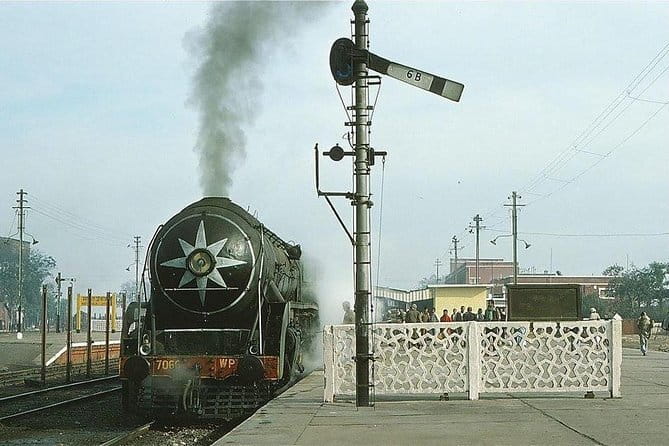
Rewari is about 50 miles from Delhi, on the old rail route linking Delhi with Peshawar in what is now Pakistan. Its railway connection gives the museum more meaning than a collection of engines placed in an unrelated building.
The railway shed is described as the only surviving steam locomotive shed in India. That makes the setting part of the attraction. You are not simply looking at machinery in a display hall. You are visiting a place connected to the working railway system that once relied on steam power.
I find that context important. A steam engine is impressive on its own, but it becomes easier to understand when you see it alongside the equipment and systems that helped operate India’s railways. The signals, coach seats, and other older objects help turn the visit into a story about railway travel, not just a parade of large metal machines.
This is also a good stop for anyone who grew up with Indian railway journeys. The engines can bring back memories of long-distance trains, station platforms, family trips, and the particular sound and smell associated with older rail travel. If you are bringing children, the size and shape of the locomotives can make railway history feel much more immediate than a textbook lesson.
The Delhi to Rewari drive takes about two hours
The day begins with pickup from your hotel in New Delhi at about 9:00 a.m. You travel in a private, air-conditioned vehicle, with the return to the same meeting point later in the day.
The drive to Rewari takes around two hours. That is a meaningful part of the schedule, so I would not treat this as a quick museum outing. The total experience lasts about eight hours, with roughly six hours allocated to the Rewari stop and the rest taken up by the road journey.
A private car is useful here. You do not have to manage a separate train connection, arrange a taxi at the other end, or fit your plans around a shared group departure. You can also travel with only your own party, which is helpful for families or friends with different levels of interest in railway history.
The tradeoff is cost. At $165 per person, this is not a budget museum transfer. You are paying for a full private day trip from Delhi, including the vehicle, hotel pickup and drop-off, an English-speaking local guide, and bottled water. The value improves when two or more people share the experience, and group discounts may be available. For one person focused mainly on seeing the engines, the price requires more thought.
Two bottles of mineral water per person are included. Food and other drinks are not, so you should plan accordingly. The information provided does not specify a restaurant stop or a meal, and you should not assume lunch is part of the day.
More Railway Museums around New Delhi:
- Skip the Line: Historic RailPark and Train Museum Ticket with Guided Tour
★ 4.5 · 59 reviews - Prague: Railway Kingdom Giant Model Railway Museum
★ 4.4 · 54 reviews - Vienna: Kingdom of Railways Museum Entry Ticket
★ 3.6 · 50 reviews
Entering the Rewari Railway Heritage Museum
The main stop is the Rewari Railway Heritage Museum, where you can see 11 steam engines described as among the oldest in the world. The engines have been restored and are fully functional, which gives the collection a practical edge.
A locomotive sitting quietly behind a barrier can be interesting. A restored locomotive that can be demonstrated in working condition is more engaging. Live demonstrations are available for some engines, although the information does not promise that every engine will operate during your visit. That uncertainty is worth keeping in mind when planning your expectations.
The collection also has links to popular culture. Some of the steam engines have appeared in Bollywood films, a small detail that may appeal to visitors who know Indian cinema. It also shows how these machines continue to work as symbols of an earlier India, not just as railway hardware.
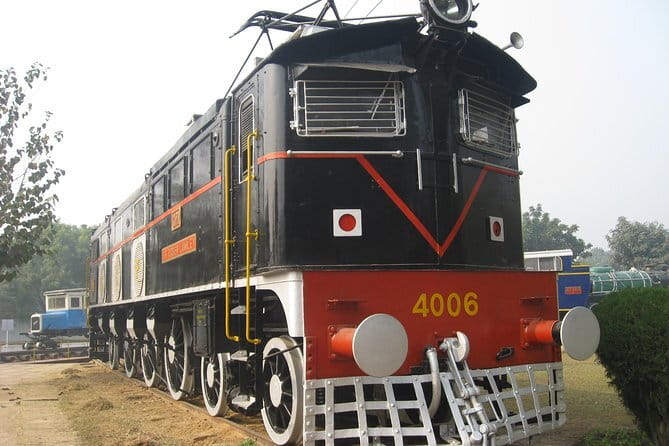
You will want time to look closely. Steam locomotives are full of visible parts: driving wheels, rods, boilers, pipes, and fittings. The museum’s 11-engine collection gives you the chance to compare different shapes and designs instead of treating one locomotive as the whole story.
A guide can help make the machinery easier to follow. Without some explanation, a large engine can become a wall of black metal and unfamiliar parts. The included local English-speaking guide is especially useful if you want to understand how the engines fit into Indian railway history rather than simply take photographs.
The Fairy Queen is the key attraction
The Fairy Queen engine, built in 1885, is the most important individual object in the collection. Its age alone makes it memorable, but its restored and functional condition gives it more interest than a static antique.
I would make this the first engine you seek out, then use the rest of the collection to broaden the visit. The Fairy Queen gives you a clear focal point. The other locomotives help show that steam railway history was not one machine or one moment, but a long period of changing designs and working practices.
The museum’s appeal is strongest when you slow down. Look at the proportions of the engine, the position of the wheels, and the working parts around the boiler. You do not need to be a technical railway expert. Curiosity is enough, and the guide can supply the background that turns details into a readable story.
For children, the Fairy Queen may be the easiest engine to remember because it has a name and a clear date. The 1885 construction date also offers a simple way to explain how old the machine is. The collection can become a hands-on history lesson, although the level of interaction available is not specified, so children should remain with an adult.
Victorian signals and old coach seats

The non-locomotive exhibits are important because they show how a railway operates around its trains. The Victorian signalling system is one of the most distinctive examples. It helps you see that safe railway travel depended on communication and control, not just powerful engines.
Old railway coach seats offer a more familiar point of connection. Engines are large and mechanical, while a seat lets you imagine the passengers who used the railway. You can think about the difference between railway travel then and now, and about how much time people spent sitting in coaches during long journeys.
The collection also includes gramophones and other Victorian-era railway exhibits. These objects broaden the visit beyond engineering. They suggest the sound, design, and everyday atmosphere of an earlier period.
I like this mix because it gives different members of a group something to enjoy. A railway enthusiast may spend time studying the engines. Someone interested in social history may prefer the coach seats and older domestic objects. Children may be drawn to the scale of the locomotives and the chance to explore a place filled with unfamiliar equipment.
The available information does not list every exhibit or explain how much of the display is indoors or outdoors. Comfortable clothing and walking shoes are recommended, so you should expect some movement around the museum rather than a short, seated presentation.
More Steam Trains in New Delhi:
- Puffing Billy Railway: Heritage Steam Train Journey
★ 4.6 · 1,195 reviews - Mallorca in One Day Sightseeing Tour with Boat Ride and Vintage Train
★ 4.0 · 1,096 reviews - From Inverness: Jacobite Steam Train and Highlands Tour
★ 4.4 · 921 reviews - From Edinburgh: Magical Highlands Tour with Jacobite Train
★ 4.5 · 726 reviews
Six hours at Rewari can feel generous
The planned Rewari stop lasts about six hours, which is a generous amount of time for a museum visit. It allows room for a guided explanation, time with the engines, photographs, and a slower look at the smaller exhibits.
That schedule is a benefit if you are passionate about railways. You will not need to rush from one locomotive to the next. You can revisit the Fairy Queen, study the signalling equipment, and give children time to look around.
It can feel long if your interest is limited. The museum is the reason for the outing, and there is no second major sightseeing stop listed. If you are choosing this day trip mainly for a general taste of Delhi’s surrounding area, six hours at one railway museum may be more than you need.
The private format helps soften that concern. You are not locked into a large group’s pace, and your own group can spend more or less time on particular displays within the planned schedule. Still, the overall eight-hour day is fixed enough that you should choose this experience because you genuinely want to see the railway collection.
Who will get the most from this day trip

I would recommend it first to railway enthusiasts, families with children, and anyone who enjoys machinery, transport history, or old forms of travel. The combination of restored engines and smaller railway artifacts makes it more varied than a single locomotive display.
It also suits visitors who prefer a private outing to an independent journey. The car, pickup, guide, and return transfer remove several practical tasks. You can focus on the museum instead of working out how to reach Rewari and get back to Delhi.
The experience may be particularly appealing if you have Indian railway memories of your own. The old seats, engines, and station-era objects can create a strong sense of nostalgia. The museum also offers enough unusual material for children to enjoy, with the right adult supervision.
I would be more cautious about booking if you dislike long drives or want a day with several different attractions. The two-hour journey in each direction is a central part of the plan. This is a focused railway outing, not a broad tour of the Rewari area.
The physical demands are moderate. Comfortable clothing and walking shoes are sensible. The tour is not recommended for pregnant women or people with back problems, and children must be accompanied by an adult.
Is $165 per person a fair price?

The price makes the most sense when you value convenience and privacy. For $165 per person, the package includes a private air-conditioned vehicle, hotel pickup and drop-off, a local English-speaking guide, and bottled water. Admission to the museum itself is listed as free, so the main cost covers transport, time, and organization rather than an expensive entrance ticket.
For a family or group of friends, the private arrangement can be worthwhile, especially if a group discount applies. You avoid paying separate Delhi to Rewari transport costs and do not have to coordinate local transfers at the museum.
For a solo visitor, the value is less obvious. The museum collection is special, but you are still paying for a full private vehicle and a long day. I would compare the price with your interest level before booking.
The free cancellation rule offers some useful protection. You can cancel at least 24 hours before the 9:00 a.m. start time for a full refund. Changes or cancellations made less than 24 hours before the start are not accepted for a refund.
My practical advice before you go
Wear shoes you can walk in and clothes that are comfortable for a full day. The schedule includes a long drive and several hours at the museum, so this is not the place for stiff footwear or an overly formal outfit.
Bring extra money for food and drinks. Bottled water is included, but meals are not specified as part of the package. The supplied details do not confirm a restaurant stop, so it is sensible to ask the operator about food arrangements before departure.
Keep your expectations realistic about demonstrations. The engines are restored and fully functional, and live demonstrations are available, but the information does not guarantee that every locomotive will be running on your date.
The tour is private, and only your group participates. That gives you more control than a large shared coach trip, but the guide’s name is not provided in advance. You receive a local English-speaking guide as part of the service.
Should you book the Rewari steam-engine tour?
Book it if the Fairy Queen, working steam engines, and old Indian railway equipment sound like the main event of your Delhi stay. The combination of 11 locomotives, Victorian signalling gear, coach seats, and a historic railway setting gives the outing genuine substance.
I would especially choose it for a family that wants a memorable day outside Delhi, or for friends who enjoy transport history and old machinery. The private car and included guide make the long journey easier.
Skip it if you want a cheap, quick museum visit or a day packed with several unrelated sights. At $165 per person, the value depends on caring about railways. For the right audience, Rewari offers something unusual: not just a look at old trains, but a close connection with the steam-powered era of Indian rail travel.
FAQ
Where does the tour start and finish?
The tour starts in New Delhi, with hotel pickup in the morning, and ends back at the original meeting point after the visit to Rewari.
What time does the tour begin?
The listed start time is 9:00 a.m.
How long is the drive from Delhi to Rewari?
The drive takes around two hours each way. Rewari is about 50 miles from Delhi.
How long does the full experience last?
The tour lasts approximately eight hours, including the drive. About six hours are allocated to the Rewari stop.
What is included in the tour?
The package includes transport in a private air-conditioned vehicle, hotel pickup and drop-off, a local English-speaking guide, and two bottles of mineral water per person.
Is museum admission included?
Admission to the museum is listed as free.
Are food and drinks included?
Food and drinks are not included unless specifically stated. Bottled water is provided.
Is the tour suitable for children?
Children may join, but they must be accompanied by an adult. The tour also recommends a moderate level of physical fitness and comfortable walking shoes.
More Museum Stops around New Delhi
- Brussels: Train World Museum Entrance Ticket
★ 4.7 · 524 reviews - London: Postal Museum Entry Ticket and Underground Rail Ride
★ 4.6 · 363 reviews - Brussels Train World Museum Entrance Ticket
★ 4.5 · 220 reviews - From Krakow: Zakopane Tour with Gubalowka Funicular & Museum
★ 4.5 · 80 reviews
New on the timetable around New Delhi
- Taj Mahal and Agra Tour By India’s Fastest Train★ 5.0 · 2 reviews
- Private Tajmahal Day Tour From New Delhi By Gatiman Express Train★ 5.0 · 14 reviews
- Taj Mahal & Agra Tour From Delhi By Fastest Train★ 5.0 · 7 reviews
- Taj Mahal & Agra Fort Visit by Gatimaan Express Train★ 5.0 · 4 reviews
- From Delhi: Taj Mahal & Agra Tour by Gatimaan Express Train★ 5.0 · 11 reviews
- Taj Mahal and Agra Fort Tour By Fastest Train – Gatiman Express★ 5.0 · 2 reviews
- Private Taj Mahal & Agra Tour By Gatimaan Express Train★ 5.0 · 4 reviews
- Taj Mahal Tour by Gatimaan Express Train With Lunch At 5 Star Hotel★ 5.0 · 8 reviews
Other Railway Museums worth a seat
Skip the Line: Historic RailPark and Train Museum Ticket with Guided Tour
Read our review →

Skip the Line: Kingdom of Railways Entrance Ticket in Prague
Read our review →

Bowling Green: Historic RailPark & Train Museum Entry & Tour
Read our review →
Kusadasi Day Trips Magnesia, Train Museum Turkish Bath
Read our review →Lists this ride appears on