
Review · JAPAN
Hakone and Kamakura: 3-day Rail Pass
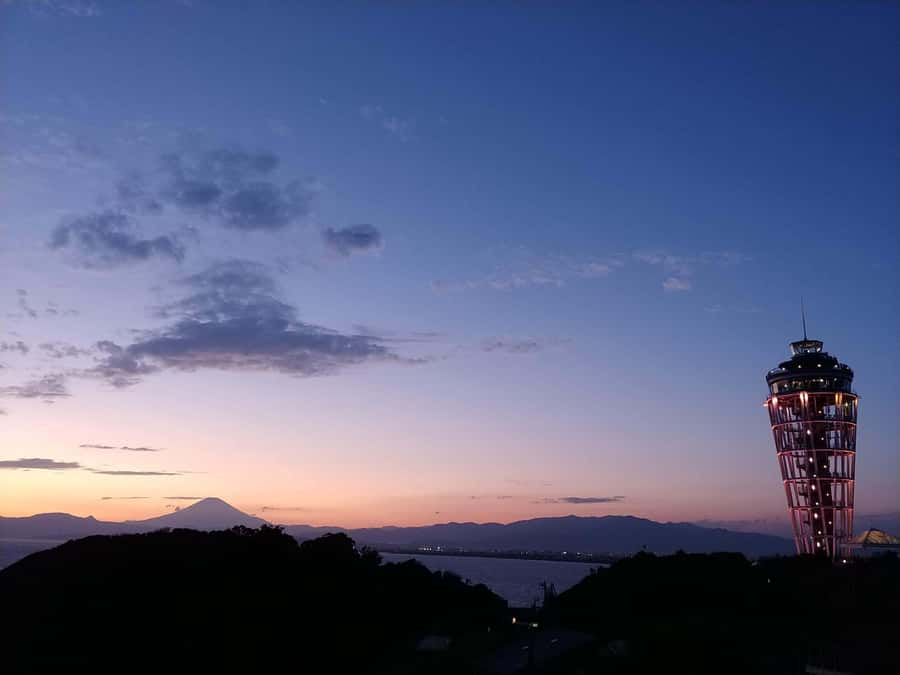
Hakone’s volcanic valley, Lake Ashinoko, and Mount Fuji views make a fine match for Kamakura’s temples and beaches, and this pass lets you reach both areas without buying a ticket at every turn. I like the one-pass access to eight Hakone transport services and the unlimited Enoden rides along the Kamakura coast. The more you ride, the better the $54 price begins to look.
I also like the discounts at more than 90 sightseeing facilities, including places such as the Hakone Open-Air Museum. The catch is important: this is not a pass for every operator in the region, and the voucher exchange at Shinjuku West can be hard to find. You must also pay separately for the Romance Car and avoid Izu Hakone buses.
Key points to know before you go
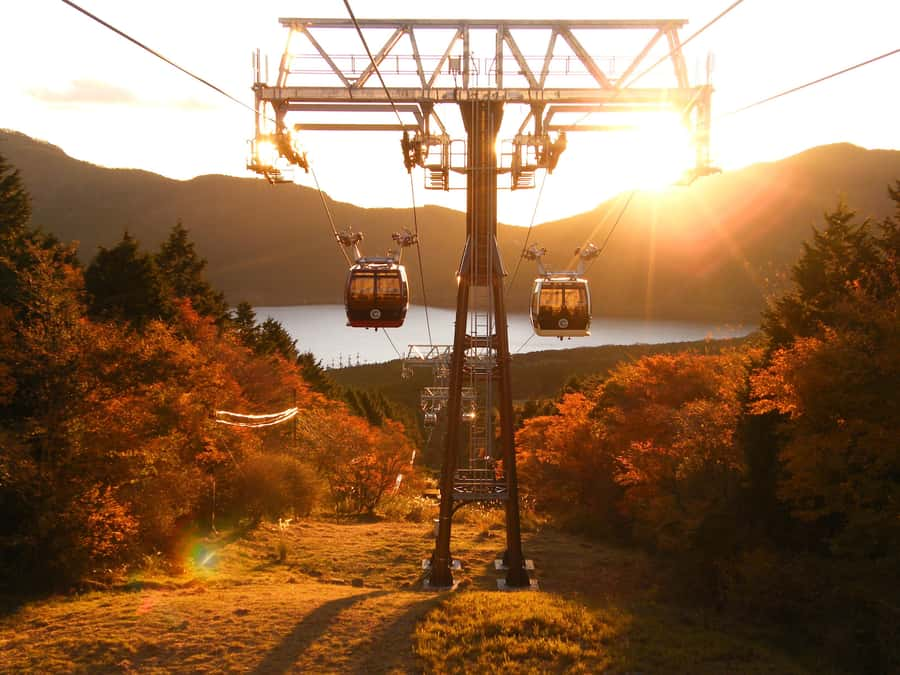
- Hakone’s full sightseeing loop is the main value: Use the Tozan train, cable car, ropeway, sightseeing cruise, and covered buses without paying each time.
- Kamakura adds a second travel style: Ride all Enoden lines between temples, town stops, and the coast.
- Mount Fuji views depend on conditions: Owakudani and Lake Ashinoko are scenic highlights, but wind can stop the ropeway and pirate-style sightseeing boat.
- The pass is operator-specific: It covers Odakyu and designated partner services, not every bus or train in Hakone and Kamakura.
- Shinjuku redemption needs planning: Exchange the voucher at the Odakyu Sightseeing Service Center, Shinjuku West, on the B1 floor.
- The $54 fare favors active sightseeing: It makes more sense if you use several Hakone services and spend time in Kamakura, rather than making one simple train trip.
What this pass actually gives you
Think of this as a transport key for two very different day trips. Hakone is a mountain resort area with a volcano, lake, cable systems, buses, and boat rides. Kamakura is flatter and more spread along the coast, with temple districts and Enoden trains linking the main stops.
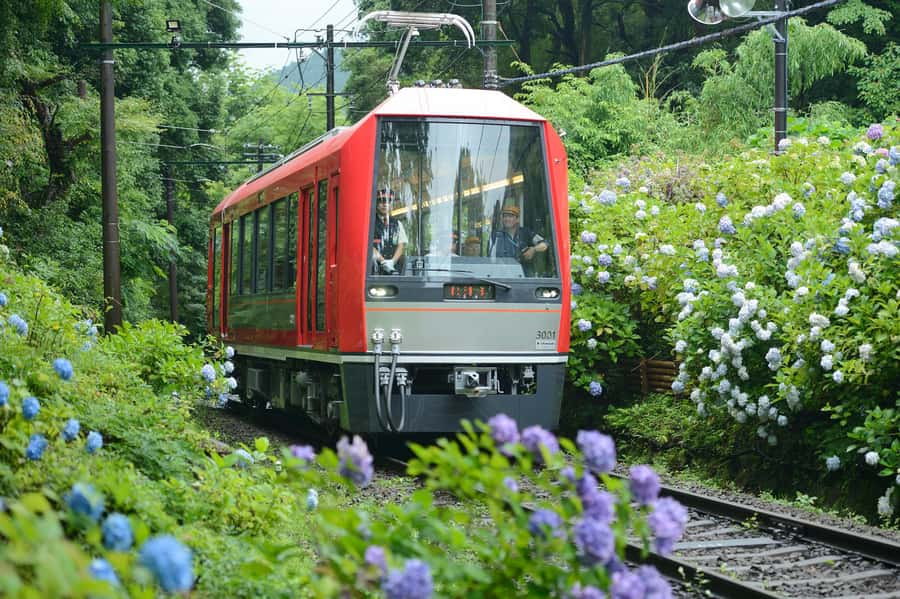
You get unlimited rides on Odakyu lines in the covered areas, all Enoden lines, and eight listed transport services in Hakone. The Hakone portion includes the Hakone Tozan Train, Hakone Tozan Cable Car, Hakone Ropeway, Hakone Sightseeing Cruise, designated Hakone Tozan buses, designated Odakyu Hakone Highway Buses, designated Tokai buses, and the KANKO SHISETSU-MEGURI tourist bus.
That list matters because Hakone sightseeing is rarely a single train ride. You may take a train uphill, change to a cable car, cross the mountains by ropeway, board a boat, and finish by bus. Paying for each leg separately can become costly and annoying. This pass removes that friction, as long as you stay within the covered routes.
Kamakura is simpler. The pass gives you unlimited Enoden rides, useful for moving between the old town, temple areas, and seaside stops. It is especially helpful if you want to get off several times instead of choosing one destination and returning directly.
More Three-Day Rail Trips around Japan:
- 3-Day Private Tokyo and Nagano: Snow Monkeys, Tsukiji Market and Bullet Train
★ 5.0 · 2 reviews - 3-Day Isle of Skye, ‘Hogwarts Express’ Train and Highlands Tour
★ 5.0 · 972 reviews - 3-Day Blarney Castle, Ring of Kerry, & Cliffs of Moher Rail tour
★ 4.5 · 211 reviews
Starting at Shinjuku West
The first task is exchanging your voucher for the physical pass. Go to the Odakyu Sightseeing Service Center, Shinjuku West, on the B1 floor of Odakyu Line Shinjuku Station West Exit, in front of the ticket gate. The stated hours are 8:00 AM to 6:00 PM.
Give yourself extra time. The center is not simply any ticket window in Shinjuku Station, and finding the correct West office has been the most stressful part of the process for some people. Study the station layout before you arrive, and do not leave the exchange until the last possible minute.
Bring your passport or another accepted ID. The pass is available only to people with non-Japanese passports, and it belongs only to the person whose name appears on it. Station staff can ask to see your ID, so keep it with you throughout the trip.
There is one small but easy-to-miss rule: return the physical pass at the final station of your trip. Treat it as a borrowed transport card, not a souvenir.
Hakone Tozan Train and the climb into the mountains
The Hakone Tozan Train is the natural starting point for Hakone sightseeing. It carries you from the lower part of the area toward the mountain transport network, where the trip becomes more about views and changing vehicles than about getting somewhere quickly.
The pass is useful here because Hakone works as a chain of connected services. You are not locked into one expensive ride. If you want to stop at a museum, continue uphill, or reverse course because the weather turns poor, the unlimited access gives you room to change plans.
The train itself is not the whole attraction. Its value comes from connecting with the cable car and ropeway. Keep your pass ready at transfers, and check that your chosen bus or route is one of the designated services covered by the pass.
Cable car and ropeway to Owakudani
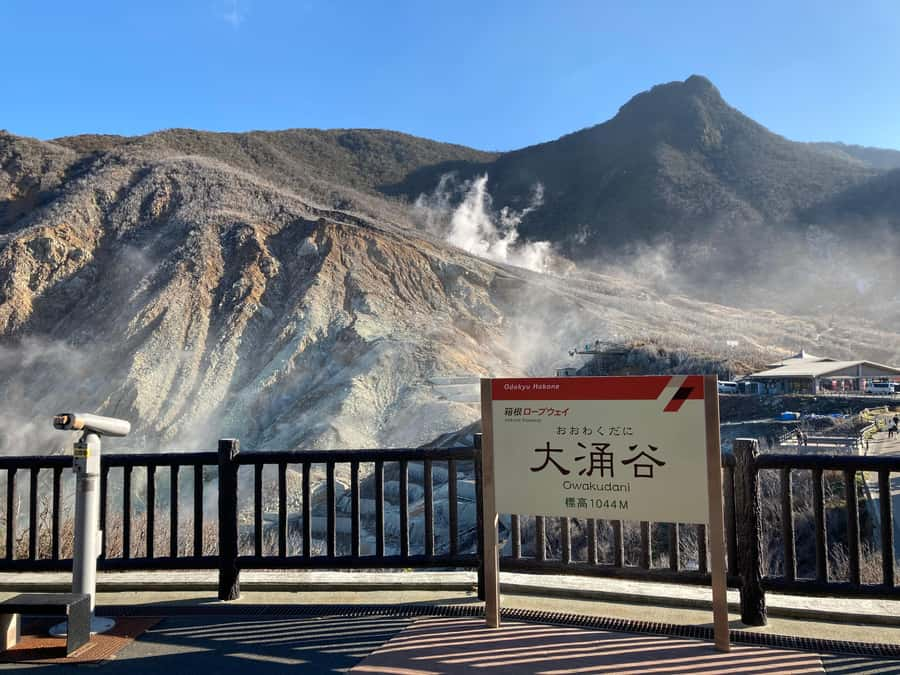
The Hakone Tozan Cable Car takes you farther up the mountain transport system. From there, the Hakone Ropeway reaches Owakudani, a volcanic area known for its dramatic terrain and views across the Hakone region.
Owakudani is one of the strongest reasons to choose this pass. It is difficult to combine the train, cable car, and ropeway economically if you must buy separate tickets for every section. With unlimited rides, you can focus on the experience rather than counting each transfer.
Weather is a real factor. Strong winds can stop the ropeway, and that can break the usual Hakone route. If the ropeway is closed, do not assume the rest of the pass has lost all value. You can still use the covered trains and buses, but you should adjust your expectations and leave room in your schedule for a less complete mountain circuit.
The ropeway can also affect your plans for the cruise. Wind may suspend both the ropeway and the sightseeing boat, so do not build a tight schedule around making every connection.
More Train Journeys around Japan:
- Mt Fuji & Hakone Cruise, Drum Show Bullet Train 1 Day from Tokyo
★ 4.0 · 7,413 reviews - Tokyo Mt Fuji 5th St & Hakone Cruise Bus Tour w/Bullet Train
★ 4.4 · 5,024 reviews - Mt. Fuji and Hakone Day Trip From Tokyo with Bullet Train Option
★ 4.0 · 368 reviews - From Osaka: Sagano Train Ride and Kyoto Guided Day Tour
★ 4.3 · 180 reviews
Lake Ashinoko and the Hakone Sightseeing Cruise
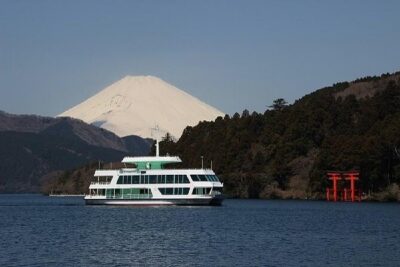
Lake Ashinoko gives Hakone its broadest views. On a clear day, the lake and surrounding mountains create the setting many people picture when they think of Hakone, with a chance of seeing Mount Fuji depending on weather and visibility.
The Hakone Sightseeing Cruise is included in the eight Hakone services. That is a meaningful saving for anyone planning to cross the lake by boat as part of the route. It also changes the pace of the day. After trains, buses, and cable systems, the boat offers a slower ride across the water.
Do not treat the cruise as guaranteed. High winds can stop the boat, just as they can stop the ropeway. You may need to use a bus instead, and the pass is helpful in that situation because several bus options are covered in designated areas.
The pass gives access, not a weather guarantee. Mount Fuji views, ropeway operation, and the lake crossing all depend on conditions beyond the ticket’s control.
Hakone Open-Air Museum and the local buses
The Hakone Open-Air Museum is another strong use of the pass, especially if you want more than transport scenery. The museum combines outdoor art with the mountain setting, and the pass offers special discounts at many facilities, including more than 90 sightseeing sites across the covered areas.
The exact discount can vary by facility, so check the current terms when you collect the pass. Do not assume every admission is free. This is a transport pass with discounts, not an all-inclusive attraction ticket.
The designated Hakone Tozan buses, Odakyu Hakone Highway Buses, Tokai buses, and KANKO SHISETSU-MEGURI sightseeing buses help fill the gaps between stations and attractions. This is where the pass becomes practical rather than merely scenic. Hakone has several attractions spread across a mountainous area, and buses may be the easiest way to reach one after a ropeway closure or a change in weather.
The key word is designated. Not every bus is covered, and Izu Hakone Bus is specifically excluded. Check the operator name before boarding. A pass that works perfectly on one service may not work on another bus serving a similar road.
Kamakura’s temples, trains, and beach views
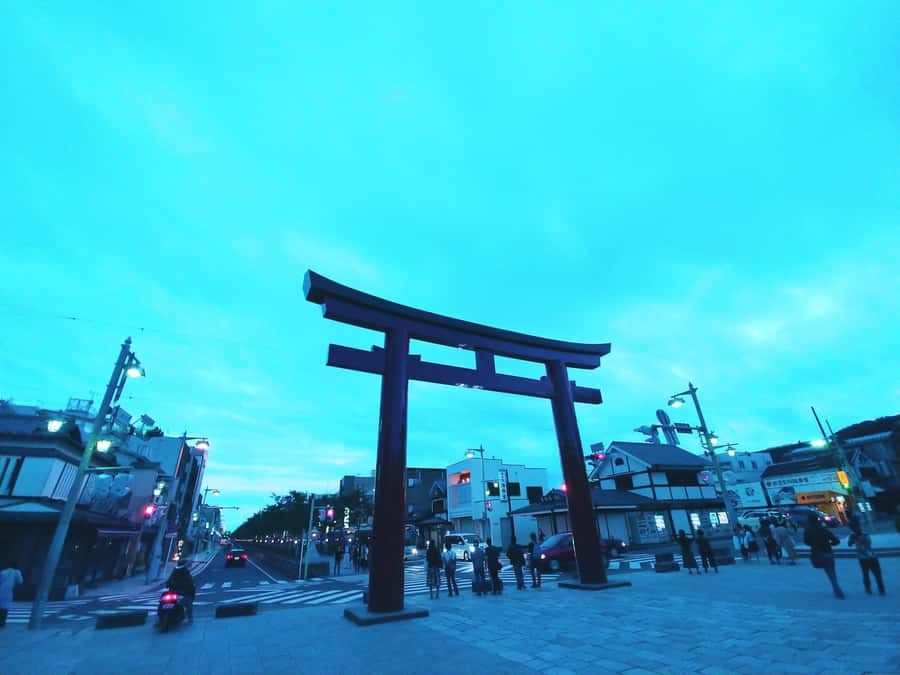
Kamakura offers a useful contrast to Hakone. Instead of volcanic slopes and lake transport, you get an old samurai capital, temples, bay views, and scenic beaches. The Enoden line ties these parts together, and unlimited rides make it easy to stop more than once.
You can use Kamakura as its own day of sightseeing or add selected stops to a wider itinerary. The pass is most useful when you plan to ride Enoden several times. If you simply visit one Kamakura destination and return, the savings may be less impressive.
The beach and bay views are part of the appeal, but this is not a guided cultural tour. No guide is included, so you decide which temples, streets, and coastal stops fit your interests. That freedom suits independent visitors who want to set their own pace, but you need to plan your route and keep track of station names yourself.
Kamakura also shows why the pass should not be described as a ticket for every regional operator. Enoden is included, but the coverage follows specific companies and services. A route that looks close on a map may still require a separate fare if it uses an excluded operator.
Does the $54 price save money?
At $54 per person, the pass can be good value if you use Hakone as a full sightseeing circuit and add Kamakura rides. One practical calculation is simple: a train journey from Shinjuku to Hakone, the ropeway, the lake boat, local buses, and several additional rides can quickly add up. A December price comparison estimated about $25 for the round-trip train, $25 for the ropeway, and another $25 for the boat, before other transport or attraction discounts.
Those figures are only a rough guide, not a promise of exact current fares. Still, they show why the pass can pay off quickly for an active itinerary. It is strongest for you if you plan to use several included Hakone services, visit one or more discounted attractions, and ride Enoden repeatedly.
It is weaker if you plan a single short journey, avoid the ropeway and cruise, or use transport from operators not covered by the pass. The pass does not include the Limited Express Romance Car fare, so you must pay extra if you want that service. It also does not cover Izu Hakone Bus.
The discount program adds possible value, but do not count every discount as cash savings until you know which facilities you will visit. The transport coverage is the main reason to buy.
The three-day rule needs checking
The pass is advertised as valid for three days from first activation. Another part of the information describes it as a 36-hour pass. Those descriptions do not match neatly, so confirm the exact validity period when exchanging the voucher.
This detail matters because Hakone and Kamakura require planning around travel time. If the pass truly works across three calendar days, you have more freedom to split the areas. If the usable period is 36 hours, you may need to concentrate your rides more tightly.
Activate it when your sightseeing begins, not simply because you have arrived in Tokyo, unless the stated validity rules make that necessary. Ask the service center to explain the start and end time clearly before you leave the counter.
Who should buy it?
I would choose this pass for an independent visitor who wants Hakone’s major transport links and a separate Kamakura day. It suits you if you like moving at your own speed, changing plans when weather shifts, and stopping at several attractions without buying a new ticket each time.
It is also a good match if the Hakone ropeway, lake cruise, Owakudani, and Open-Air Museum are high on your list. The combination of included transport and facility discounts gives the pass several ways to earn its price.
I would think twice if you want a fully guided experience. There is no guide listed, and you will need to read signs, manage transfers, and select your own attractions. I would also hesitate if you expect all regional transport to be covered. The operator limits are real, especially for buses.
The pass is wheelchair accessible, but the information does not give detailed access notes for each train, cable system, boat, bus, or attraction. If you need exact arrangements, ask at the service center before beginning the route.
My practical verdict
Book it if you will make Hakone a full transport day and use Enoden in Kamakura. At $54, the pass can save money once you combine the mountain train, cable car, ropeway, cruise, buses, and several local rides.
Skip it if your plan is only one direct train journey or if your preferred routes rely on Izu Hakone Bus and other excluded services. Most importantly, solve the Shinjuku exchange problem before you arrive. Know the West office location, bring your passport, check the validity wording, and confirm which services are covered. With those details handled, this pass gives you a flexible way to connect Hakone’s volcanic sights with Kamakura’s temples and coast.
FAQ
Where do I exchange the voucher?
Exchange it at the Odakyu Sightseeing Service Center, Shinjuku West, on the B1 floor of Odakyu Line Shinjuku Station West Exit, in front of the ticket gate.
What are the service center hours?
The stated hours are 8:00 AM to 6:00 PM.
Who can use this pass?
The pass is for holders of non-Japanese passports.
Do I need to carry my passport?
Yes. You must carry your passport or ID and show it to station staff if requested.
Can someone else use my pass?
No. The pass can only be used by the person whose name appears on it.
How long is the pass valid?
It is described as valid for three days from first activation. The information also describes it as a 36-hour pass, so confirm the exact validity period when you exchange it.
Is the Romance Car included?
No. The Limited Express Romance Car fare is not included.
Is Izu Hakone Bus included?
No. Izu Hakone Bus is specifically excluded.
Does the pass include Enoden?
Yes. You get unlimited rides on all Enoden lines.
What should I do with the physical pass at the end?
Return the physical pass at the final station of your trip.
New on the timetable around Japan
- Train in Samurai Swordsmanship and Defeat the Demon in Tokyo★ 5.0 · 5 reviews
- Mt Fuji & Hakone Private Tour from Tokyo: Return by Bullet Train★ 5.0 · 22 reviews
- Tokyo-Izu: Volcano, Ocean& Capybara Cuddle with Izu Scenic Train★ 3.5 · 3 reviews
- Private tour with Yasushi and Yoko – by car, train, on foot★ 5.0 · 2 reviews
- Bullet Train Experience & Mishima Shrine Private Tour from Tokyo★ 5.0 · 9 reviews
- 3-Day Private Tokyo and Nagano: Snow Monkeys, Tsukiji Market and Bullet Train★ 5.0 · 2 reviews
- Bullet Train and Mt. Fuji Famous Food Tour★ 5.0 · 4 reviews
- Guided Half-day Tour(PM) to Toyota Commemorative Museum & SCMAGLEV Railway Park★ 5.0 · 3 reviews
Other Japan Train Journeys worth a seat
Mt Fuji & Hakone Cruise, Drum Show Bullet Train 1 Day from Tokyo
Read our review →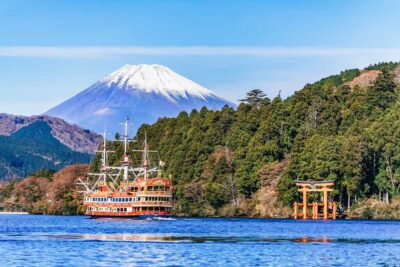
Tokyo Mt Fuji 5th St & Hakone Cruise Bus Tour w/Bullet Train
Read our review →
Sagano Romantic Train & Arashiyama, Kiyomizudera, Fushimi Inari Taisha Day Tour
Read our review →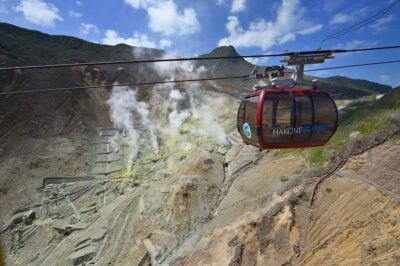
Hakone: Train Pass with Unlimited Rides & Activity Discounts
Read our review →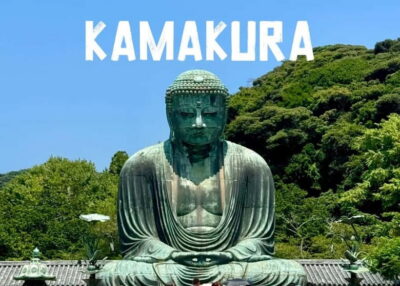
Kamakura & Enoshima Day Tour with Pickup & Train Ride
Read our review →Arashiyama Day Tour with Train, Boat, and Onsen
Read our review →Lists this ride appears on