
Review · USA
Bowling Green: Historic RailPark & Train Museum Entry & Tour
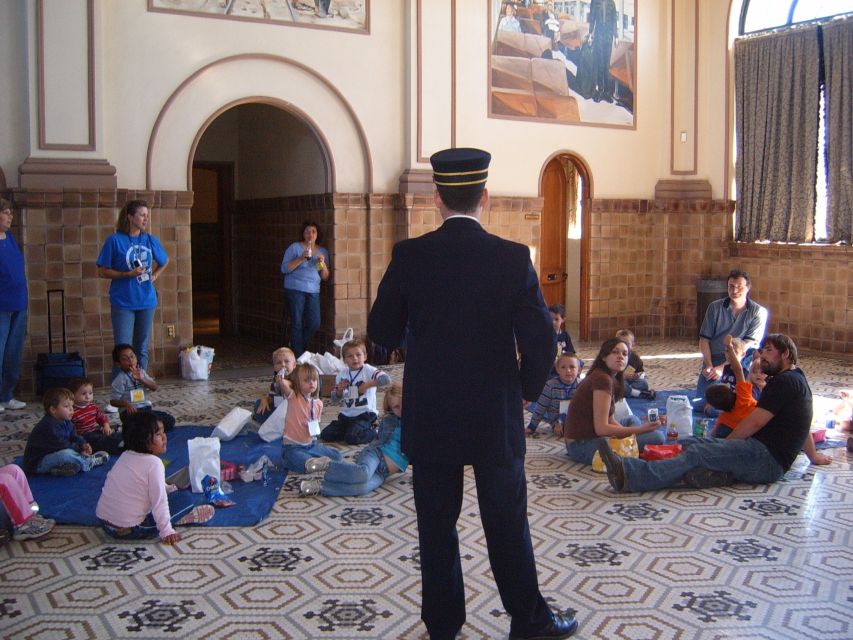
The most memorable part of this Bowling Green visit is not a ride. The trains stay put. Instead, you walk through the working world of American rail travel, from an E8 diesel-electric locomotive to the oldest surviving L&N passenger car. The 1925 depot gives the whole visit a proper setting, with original wooden benches where your guided tour begins.
I like two things here: you get both a self-guided museum visit and a focused 45-minute tour, and the cars show rail travel from several angles. You can see how mail was sorted aboard a Railway Post Office, then compare a dining car, sleeper, and presidential coach. The main consideration is access: the museum has an elevator, but the guided train-car portion is not suitable for people with mobility impairments.
Key points to know
- The tour begins in a 1925 train depot, where you sit on the same wooden benches once used by passengers.
- Five historic cars form the guided route, including an E8 locomotive and the 1911 L&N Presidential Car.
- The Railway Post Office car explains nearly 150 years of train-based mail delivery through a workplace you can enter.
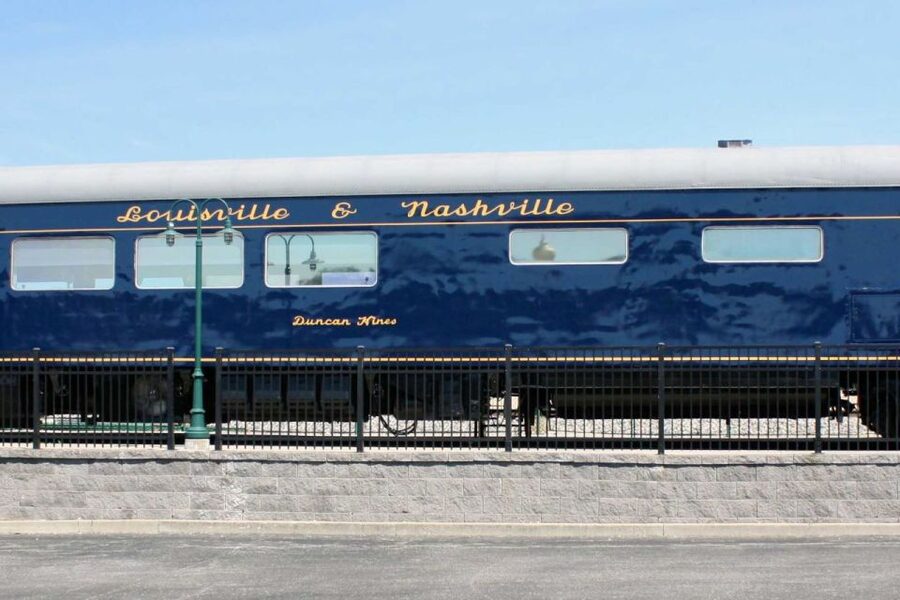
- The Duncan Hines Dining Car and Towering Pine Sleeper show how food, service, and sleeping arrangements differed by class.
- The museum works for mixed-age groups, with artifacts for adults and interactive displays for children.
- Tours run hourly from 10:15 a.m. through 3:15 p.m., but winter opening days and hours are reduced.
Start with the depot, not the gift shop
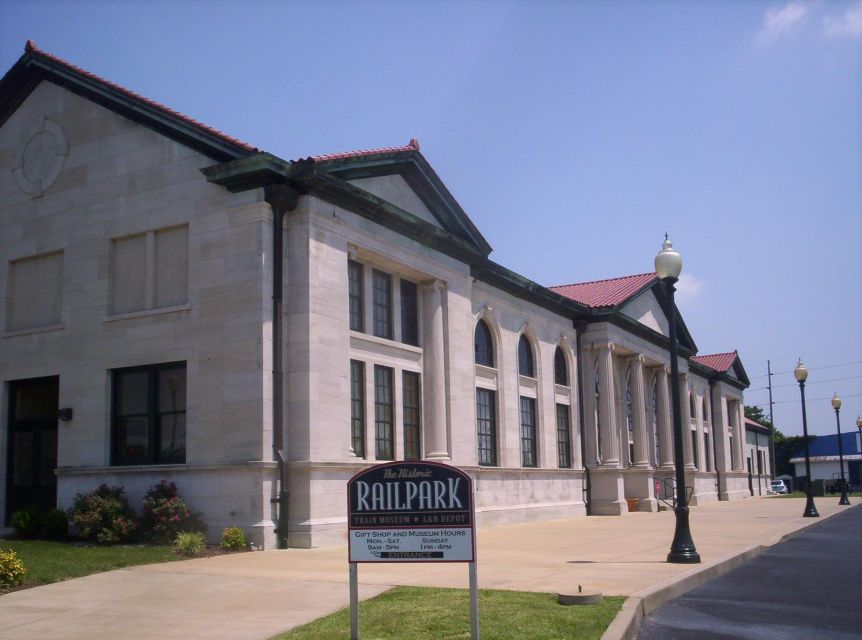
You enter through the gift shop after passing five historic train cars. This is not just a quick ticket counter. It has toy trains, puzzles, train memorabilia, and themed activities, so families may want to allow a few minutes here before heading into the museum.
Staff will tell you about the day’s tour schedule and direct you through the door into the museum. Present your GetYourGuide voucher, and you will be assigned the next available tour. You should then meet your guide five minutes before the scheduled time on the first floor, beside the old wooden benches.
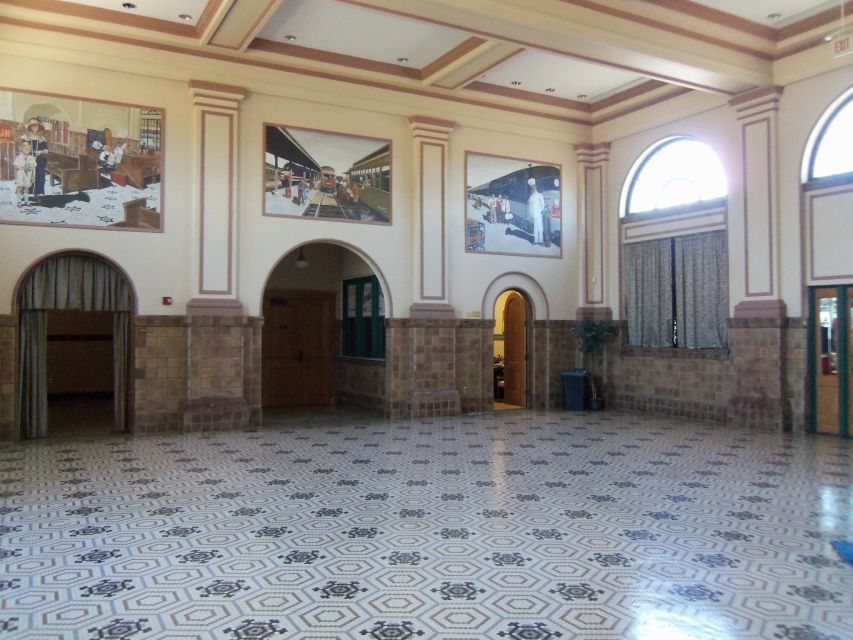
That starting point matters. The depot was built in 1925, and the benches help you picture the building as a busy passenger stop rather than a collection of objects behind glass. Your guide uses this indoor introduction to explain the Louisville and Nashville Railroad and the people who kept it running.
The museum visit and guided tour work well together. You can first look around at your own pace, then join the scheduled walk through the cars. If you arrive early, the displays give you something useful to do instead of waiting around.
More Railway Museums around the USA:
- Skip the Line: Historic RailPark and Train Museum Ticket with Guided Tour
★ 4.5 · 59 reviews - Snoqualmie Fall & Railway Museum 3-Hours (Private Tour)
★ 5.0 · 4 reviews - Prague: Railway Kingdom Giant Model Railway Museum
★ 4.4 · 54 reviews
A museum that gives the railroad a human face
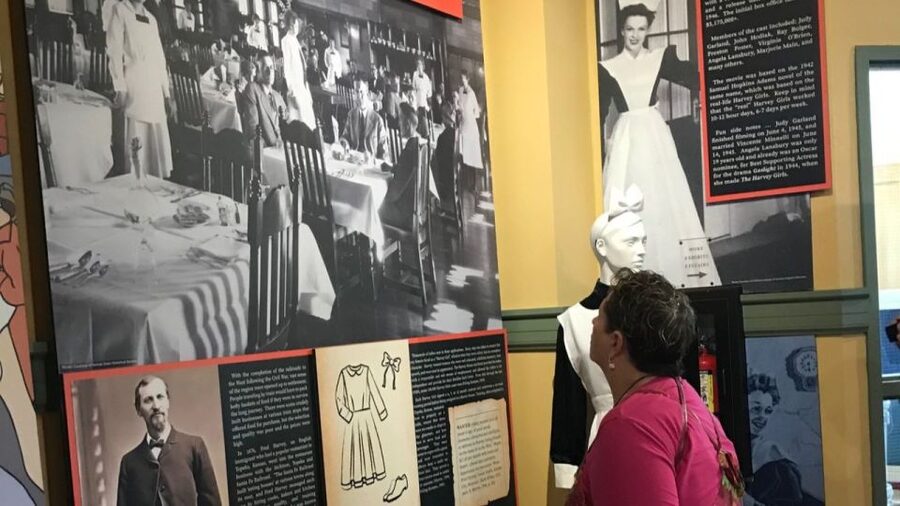
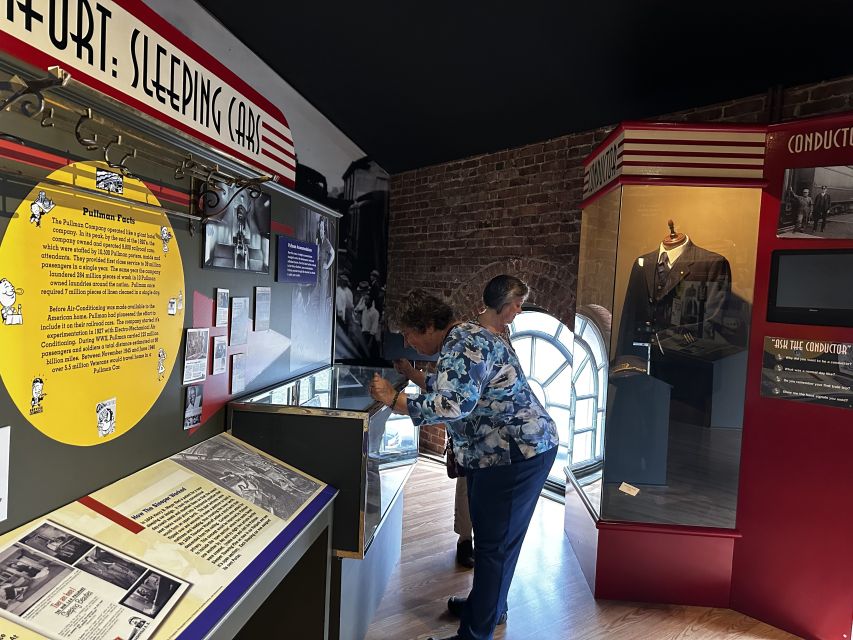
The museum is not limited to locomotives and machinery. You also learn about the workers who made rail travel function, including an L&N cook, a Pullman porter, and a conductor.
That human focus is one of the better reasons to visit. A locomotive can be impressive, but it does not explain who prepared meals, handled passengers, cleaned sleeping compartments, or moved mail. The exhibits connect the equipment with the jobs that made a long train journey possible.
You can also compare the experience of workers and passengers. The dining car raises practical questions about cooking in a moving train. The sleeper shows how travelers rested. The Railway Post Office reveals a job that most modern visitors no longer see in action.
Children have informative, interactive displays to keep them involved, while adults who remember older forms of American transportation will find plenty of familiar details. The museum has something for different ages, though the amount of interest will depend on how much time your group wants to spend reading and examining artifacts.
The E8 locomotive makes a strong first stop
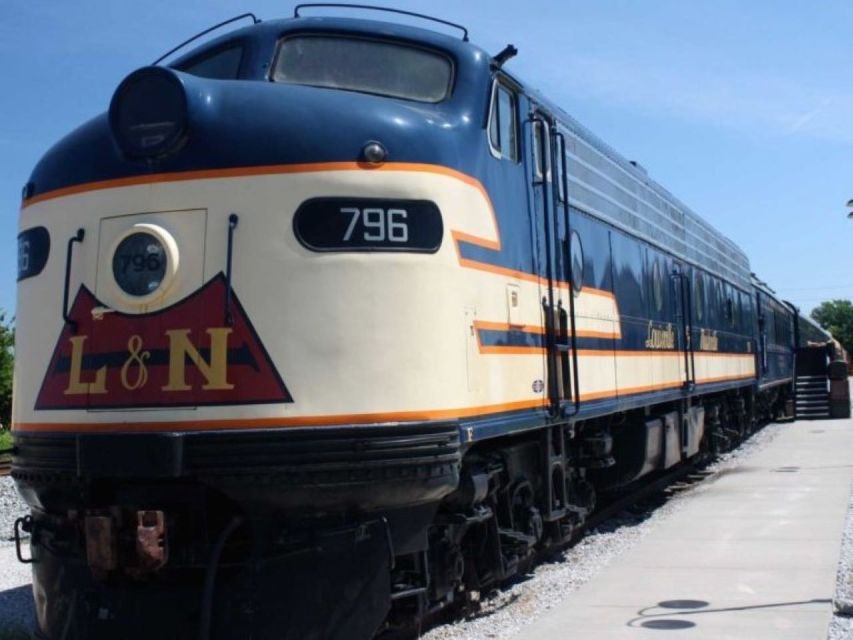
The guided car tour begins aboard an E8 diesel-electric locomotive. This gives you an immediate look at the machinery that powered passenger trains during the diesel era.
The important point is that you are not simply viewing the locomotive from a platform. You board it as part of the route. That change in scale helps you understand how much equipment and working space were packed into a train engine.
The locomotive is also a good first stop because it sets up the rest of the tour. After seeing the engine that moved the train, you shift attention to the cars that served the people inside it. The tour moves from power to work, food, sleep, and luxury.
There is no ride involved. The cars are immobile, so you should book this for access to preserved interiors and guided interpretation, not for a moving train experience.
Mail on wheels inside the Railway Post Office
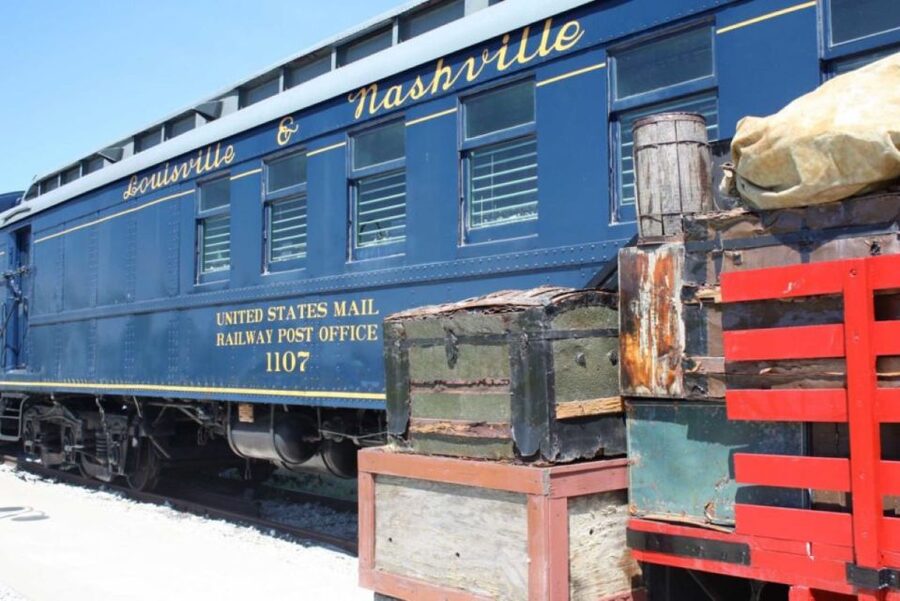
The Railway Post Office, or RPO, is one of the most unusual parts of the visit. For nearly 150 years, mail was delivered by train, and this car shows how that system worked from inside the workplace.
The value here is practical. You are not just told that railroads moved letters and parcels. You get to enter the setting where postal workers handled the job while the train traveled between towns.
For many people, this will be the most eye-opening car because the work is less familiar than dining or sleeping on a train. It also shows how railroads served communities beyond passenger travel. Trains carried communication, not just people and goods.
Your guide adds the stories behind the railway and the workers. The supplied information describes the guides as well prepared and patient, and one recent tour was led by Molly. Since guides can vary by departure, you should expect an English-speaking guide but not necessarily a particular person.
More Museum Stops around the USA:
- Brussels: Train World Museum Entrance Ticket
★ 4.7 · 524 reviews - London: Postal Museum Entry Ticket and Underground Rail Ride
★ 4.6 · 363 reviews - Brussels Train World Museum Entrance Ticket
★ 4.5 · 220 reviews - From Krakow: Zakopane Tour with Gubalowka Funicular & Museum
★ 4.5 · 80 reviews
The Duncan Hines Dining Car shows service at work
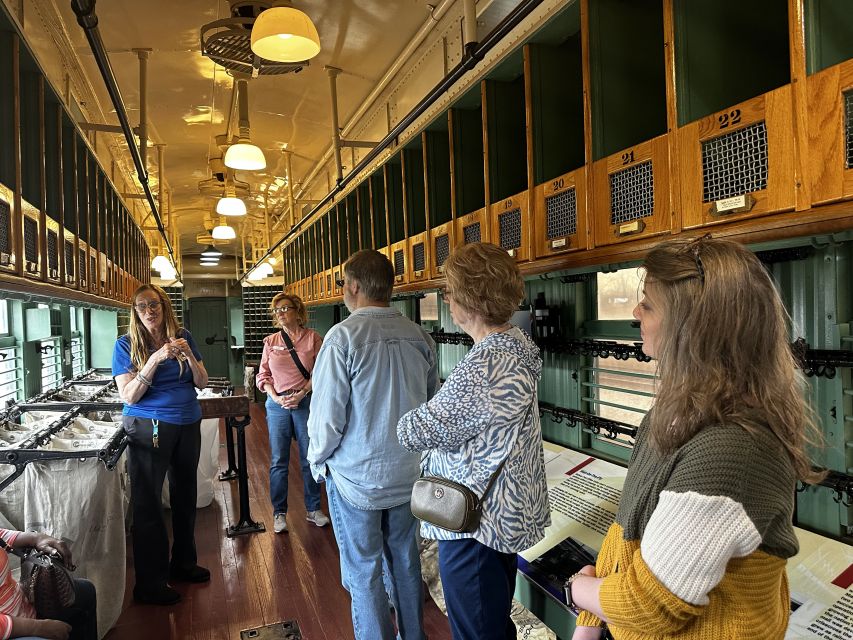
Next comes the Duncan Hines Dining Car. Here you find out what meals were like for people eating, cooking, and serving aboard the train.
This car is useful because it puts several viewpoints together. You can consider the passenger sitting down to eat, the cook preparing food in a confined railway kitchen, and the server managing the meal in a moving vehicle. The experience is less about a restaurant visit and more about seeing the labor behind formal rail dining.
The name Duncan Hines adds a Kentucky connection to this part of the museum. The car also helps you compare rail travel with modern transport. Today, food service is often an afterthought on a journey. On historic trains, dining was part of the travel experience and required a full staff and carefully planned operation.
Food and drinks are not included in the $22 admission price. The dining car is for viewing and interpretation, so do not count on a meal during the tour.
The Towering Pine Sleeper puts class differences in view
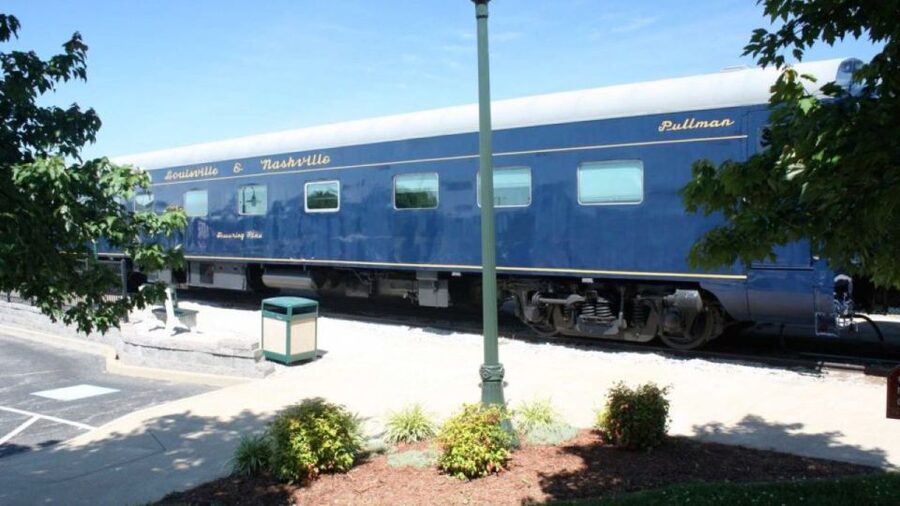
The Towering Pine Sleeper Car shows what it was like to travel in first, second, and third class. This is where the social side of rail travel becomes especially clear.
The point is not simply to see beds. You can compare how much privacy, comfort, and space passengers received at different fares. The car helps explain that a long train journey was not one uniform experience. Your ticket determined where you sat or slept and how much service came with the trip.
This part should appeal to anyone interested in the practical details of historic travel. Where did people sleep? How were passengers separated? What did a night on the train feel like for different classes? The preserved layout gives your guide a useful setting for those questions.
The sleeper can also be a good stop for families because children can see that a train could contain rooms and sleeping areas, not only rows of seats. At the same time, visitors with limited mobility should remember that boarding the cars is part of the guided route and is not accessible.
The 1911 L&N Presidential Car closes the tour
The last stop is the L&N Presidential Car, built in 1911. It is the oldest surviving passenger car from the Louisville and Nashville Railroad, making it an important final chapter in the tour.
After the locomotive, postal car, dining car, and sleeper, this coach shows the top end of the rail experience. The name presidential signals a more private and formal style of travel, far removed from the ordinary passenger compartments.
Ending here works well. You begin with the engine and finish with the railroad’s most prestigious surviving passenger space. The car also gives you a chance to think about how railroads served very different types of people, from workers in the RPO and dining car to passengers traveling in greater comfort and privacy.
The presidential coach is not just a luxury display. It helps explain how railroads reflected status and social position. A visit can be worthwhile even if you are not a rail enthusiast, because the cars show changing ideas about work, service, class, and movement across the United States.
How the $22 price works for a full day
At $22 per person, admission includes the museum and the 45-minute guided tour. The value is strongest if you use the visit as more than a quick look at the cars.
The guided portion gives you structure and access to the interiors, while the museum lets you explore at your own pace. You can study artifacts, look at the interactive displays, browse the depot, and return your attention to sections that interest you most. That combination makes the ticket more useful than a short photo stop.
I would allow enough time to see both parts rather than arriving just before the tour. The published tour times are 10:15 a.m., 11:15 a.m., 12:15 p.m., 1:15 p.m., 2:15 p.m., and 3:15 p.m. If you arrive early, you can look through the museum before your assigned departure. If you arrive later, the final tour time may leave less room for a relaxed visit.
There is no included food or drink, and the train cars do not move. You are paying for preserved spaces, museum access, and a live explanation of the railroad rather than transportation.
Timing your visit through the seasons
From March 9 through January, the museum is open daily from 9 a.m. to 4 p.m. From January through March 9, it is closed Mondays and Tuesdays and open Wednesday through Sunday from 10 a.m. to 4 p.m.
These hours make the attraction easy to fit into a day in Bowling Green, but check the seasonal schedule before you go. The last scheduled tour is at 3:15 p.m., so a late afternoon arrival may not give you much flexibility.
The museum closes on New Year’s Day, Easter Sunday, Thanksgiving Day, Christmas Eve, and Christmas Day. It is worth checking the date carefully if your visit falls near a holiday.
The experience is in English, and the activity has free cancellation up to 24 hours in advance. You can also reserve and pay later, which helps if your plans in Kentucky are still shifting.
Who will enjoy this most
I would recommend this experience to anyone interested in American transportation, preserved interiors, local history, or the daily work behind old railway travel. It is especially good for families with children who like vehicles, machinery, or hands-on displays.
It also suits mixed groups. A rail enthusiast can focus on the locomotive and cars, while someone less interested in engines can pay attention to the postal system, dining service, sleeping arrangements, or class differences.
The experience is less suitable if you want a train ride. Nothing moves, and the main appeal is the chance to walk through historic cars while a guide explains their purpose.
Mobility is the key limitation. The museum itself has an elevator and is accessible, but the guided train-car tour is not accessible for people with mobility impairments. One visitor managed the visit while using crutches, but you should not treat that as a guarantee that the car route will work for your needs. Contact the provider before booking if access is a concern.
Should you book the Historic RailPark tour?
Book it if you want a compact, well-structured look at the working railroad, not just a display of old trains. The 1925 depot, Railway Post Office, Duncan Hines Dining Car, Towering Pine Sleeper, and 1911 presidential coach give you a useful range of experiences in one visit.
The strongest reason to go is the variety. You see the engine, the mail system, the kitchen and dining service, the sleeping car, and the luxury coach. The guide adds the stories that turn each car into a place with a purpose.
Skip it if you need a moving train, included food, or fully accessible access to the historic cars. For everyone else, $22 is a fair price for a museum visit plus a guided route through some of Bowling Green’s most unusual preserved railway spaces.
FAQ
How much does the Historic RailPark and Train Museum tour cost?
The price is $22 per person. Museum entry and the 45-minute guided tour are included.
How long does the guided tour last?
The guided train tour lasts 45 minutes. The activity is listed as lasting one day because you can also spend time exploring the museum.
Does the tour include a train ride?
No. The historic trains are immobile, so there is no riding portion.
What time do guided tours begin?
Scheduled tours begin at 10:15 a.m., 11:15 a.m., 12:15 p.m., 1:15 p.m., 2:15 p.m., and 3:15 p.m.
Is the tour offered in English?
Yes. The tour has a live English-speaking guide.
What train cars will I see?
The route includes an E8 diesel-electric locomotive, a Railway Post Office car, the Duncan Hines Dining Car, the Towering Pine Sleeper Car, and the L&N Presidential Car.
Is the museum accessible?
The museum has an elevator and is accessible. However, the guided tour through the historic train cars is not accessible for people with mobility impairments.
Are food and drinks included?
No. Food and drinks are not included in the admission price.
When is the museum closed?
The museum is closed on New Year’s Day, Easter Sunday, Thanksgiving Day, Christmas Eve, and Christmas Day.
Can I cancel my booking?
You can cancel up to 24 hours in advance for a full refund. A reserve-now, pay-later option is also available.
New on the timetable around the USA
- Virginia City Day Tour From Lake Tahoe with Train Ride★ 4.8 · 19 reviews
- Ventura: Rail Bike Guided Tour with Farm Stand Stop★ 4.1 · 18 reviews
- Winnipesaukee Scenic Railroad★ 4.5 · 7 reviews
- Laughton Glacier Hike and White Pass Rail Adventure★ 5.0 · 12 reviews
- Snoqualmie Fall & Railway Museum 3-Hours (Private Tour)★ 5.0 · 4 reviews
- Grand Canyon Excursion from Sedona with First Class Train Ride★ 4.5 · 47 reviews
- Train Ride Adventure through Mother Natures Giant Redwoods Park★ 4.5 · 9 reviews
- Verde Canyon Rail Day Adventure from Scottsdale or Phoenix★ 5.0 · 4 reviews
Other Railway Museums worth a seat
Skip the Line: Historic RailPark and Train Museum Ticket with Guided Tour
Read our review →

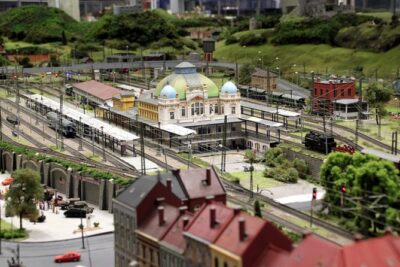
Skip the Line: Kingdom of Railways Entrance Ticket in Prague
Read our review →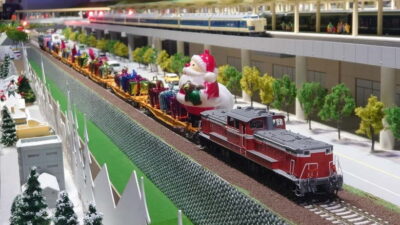

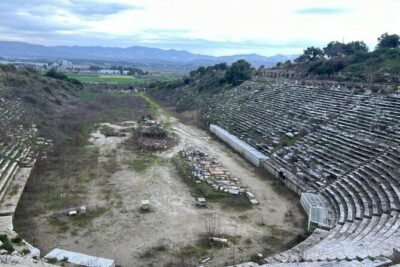
Kusadasi Day Trips Magnesia, Train Museum Turkish Bath
Read our review →
Lists this ride appears on