
Review · BANGKOK
From Bangkok: Death Railway & Hellfire Pass Tour with Lunch
Hellfire Pass is the heart of this long day from Bangkok. Walking the cut through the rock, then seeing the tools, photographs, and personal accounts at the memorial museum, gives the Death Railway a human scale that a history book cannot. I like the mix of quiet memorials and dramatic scenery, and I like that the train ride lets you see the route itself rather than only reading about it.
The drawback is time. You cover several important sites in about 12 hours, and the schedule can feel tight. The museum, walking trail, cemetery, lunch, and train ride all deserve more breathing room than this day always allows, so you should arrive ready for a full and sometimes brisk outing.
Key points to know before booking
- Hellfire Pass is the emotional center: Allow enough energy for the walking trail and time to take in the memorial exhibits.
- The train ride adds real context: You travel on part of the Death Railway rather than viewing it only from the road.
- You visit two different kinds of museums: One focuses on the railway’s story, while Hellfire Pass presents the human cost through a memorial centre and trail.
- The War Cemetery is quiet and sobering: It is a place for reflection, not a quick photo stop.
- The day is long but practical: Hotel pickup, lunch, tickets, transport, and insurance are included.
- Small group size helps: The tour has a maximum of 15 people, though Bangkok traffic can still affect the return time.
Why Hellfire Pass makes this Bangkok day trip worthwhile
The Death Railway was built during World War II under brutal conditions. Allied prisoners of war and Asian laborers were forced into railway construction through difficult country, with sickness, exhaustion, hunger, and violence causing enormous loss of life.
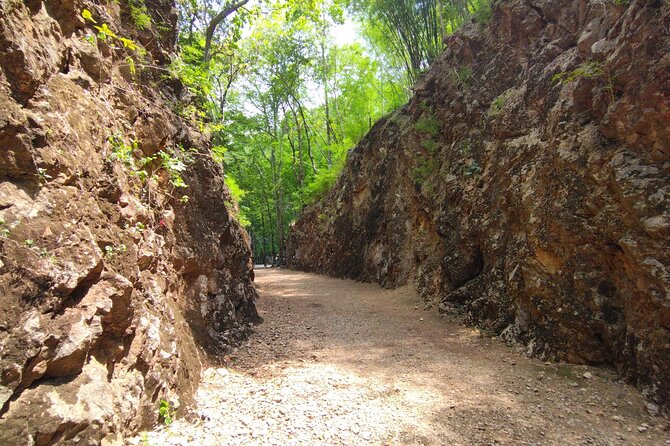
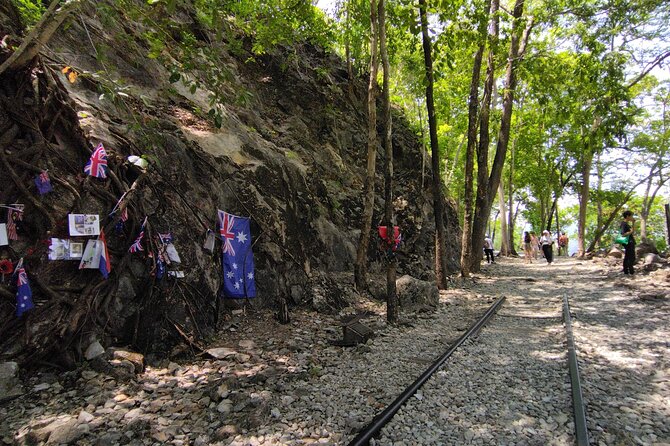
At Hellfire Pass, the story becomes physical. You walk through a rock cutting made by hand under terrible pressure. The place is not polished into a simple attraction. Its power comes from the rough trail, the silence, and the knowledge that people worked here with basic tools.
I find this is the strongest reason to choose this tour over a standard River Kwai visit. The bridge is famous, but Hellfire Pass explains the human cost behind the name Death Railway. The museum and memorial walking trail also help you understand why the railway remains such an important site in Thailand.
The experience is serious. This is not a light sightseeing day with a few historical stops added on. You will visit graves, museums, and a place linked to extreme suffering. I recommend treating the day with patience and respect.
More Death Railway Trips around Bangkok:
- From Bangkok: Death Railway & Hellfire Pass Tour with Lunch
★ 4.6 · 931 reviews - Bridge on the River Kwai and Thailand-Burma Railway Tour
★ 4.5 · 658 reviews - Bridge on the River Kwai and Thailand-Burma Railway Guided Tour
★ 4.5 · 353 reviews
The early start and the ride from Bangkok
The tour begins at about 7:00 in the morning. Pickup is available from hotels in several parts of Bangkok, including Chatuchak, Lard Pao, Bang Khen, Don Muang, and the Suvarnabhumi area. The exact pickup arrangement matters because Bangkok traffic can make the beginning and end of the day less predictable.
Transport is by air-conditioned vehicle, and the group can include up to 15 people. That is a useful middle ground. You avoid the complete lack of personal attention found on a large coach, but you should not expect a private tour or a completely flexible route.
I like having the transport arranged for a destination as far from central Bangkok as Kanchanaburi. You do not need to work out separate buses, railway connections, or taxi transfers. The tradeoff is that the day is tied to the group timetable, and the return drive may be slow.
At the end, the guide may not accompany you all the way to your hotel. The driver will still take you back safely, but this is worth knowing if you expect a guide to remain with the group until every person reaches the lobby.
Hellfire Pass Interpretive Centre and Memorial Walking Trail
Your first major stop is the Hellfire Pass Interpretive Centre and Memorial Walking Trail. Admission is included, and the visit is scheduled for about one hour.
The centre gives the site its context. You can expect exhibits about the railway, the prisoners who built it, and the hardship faced by Asian laborers. Personal accounts and historical displays make the place more than a scenic walk.
The trail then takes you through Hellfire Pass itself. The cut is a direct reminder of the physical work required to push a railway through rock. You do not simply look at a model or a photograph. You walk through the space and see the scale of the excavation around you.
One hour is useful, but it can be tight. The centre deserves close attention, and the trail takes time if you want to pause rather than hurry through. One piece of practical advice is to keep moving when asked, but do not let the schedule stop you from noticing the details that make this site meaningful.
The walking portion is also the one part of the tour where comfortable shoes matter most. The supplied information does not give a detailed accessibility assessment, so anyone with mobility concerns should ask the operator before booking.
Nam Tok and the Death Railway train ride
The tour then reaches the Nam Tok area, with about one hour and 40 minutes allocated to this part of the day. This is where the railway journey becomes more than a museum display.
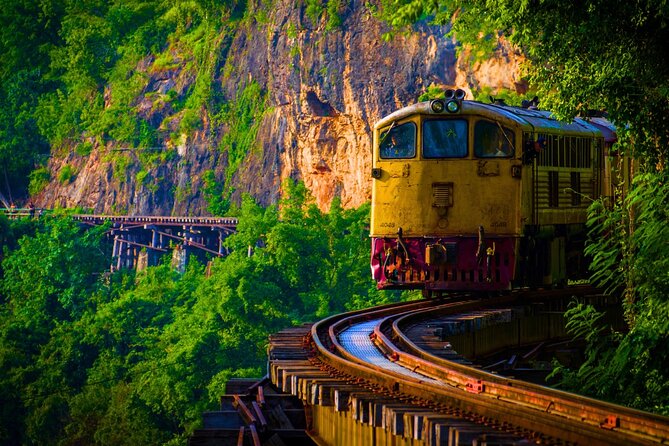
The included train ticket lets you ride a section of the Death Railway. The route gives you a view of the railway corridor and the surrounding countryside, while also connecting the modern journey to the labor that made the line possible.
I like this part because it changes the pace. After the memorial exhibits and cemetery, the train offers time to sit, look out the window, and process what you have seen. It is also one of the more enjoyable parts of the day, but the enjoyment comes with a certain tension. You are riding a working railway built under terrible conditions.
Lunch is included, with the itinerary linking the meal to the Wang Pho area. The food has been described as a pleasant part of the day, and it gives you a needed break between the more serious stops. Do not expect lunch to be the main reason to book. Its value is practical: you do not have to search for food during a tightly timed excursion.
The schedule can be confusing because the exact order of the museums, cemetery, lunch, and train ride may affect how much time you have at each. Ask your guide early in the morning when your key stops will happen. That simple question can help you set expectations.
More Train Journeys around Bangkok:
- Day Trip to Bangkok Floating Market & Maeklong Railway
★ 5.0 · 1,528 reviews - Bangkok: Railway and Floating Market Tour with Dragon Temple
★ 4.6 · 1,225 reviews - Private Excursion to Maeklong Railway and Floating Markets
★ 5.0 · 850 reviews - From Bangkok: Railway & Damnoen Saduak Floating Market Tour
★ 4.6 · 775 reviews
The River Kwai Bridge and its difficult symbolism
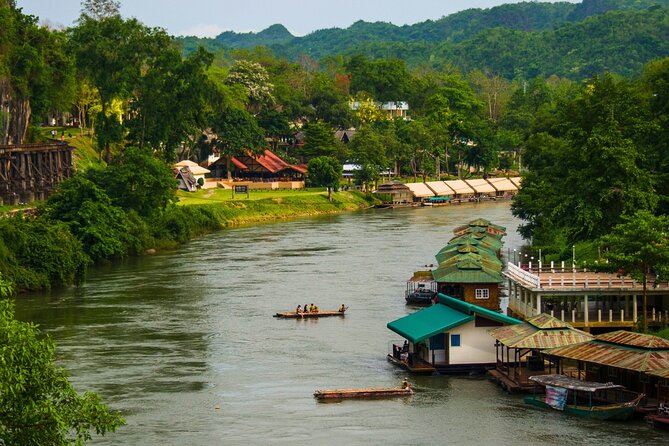
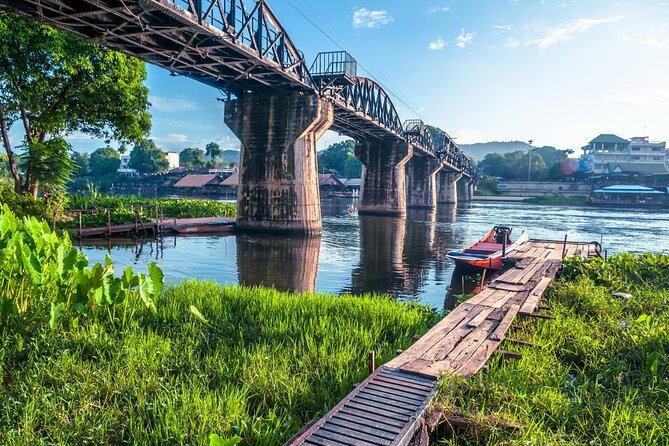
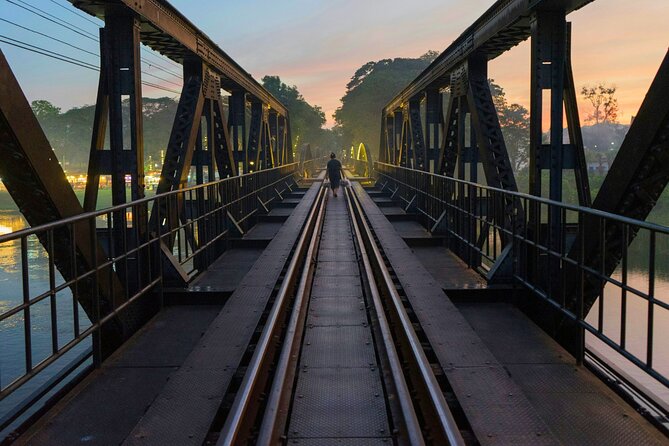
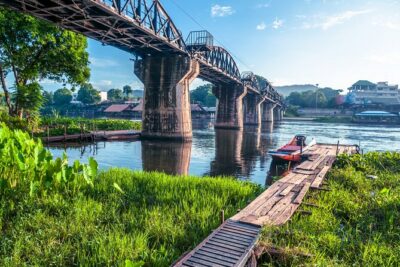
The River Kwai Bridge stop lasts about 30 minutes and has no separate admission charge. You visit the bridge near River Kwai Bridge Station, one of the best-known reminders of the railway project.
The bridge is visually striking, but it is also the stop most likely to feel brief. Thirty minutes gives you time to see the structure, take photographs, and hear an explanation, but not much time for a long visit.
I would not judge the whole experience by the bridge. Its fame can make it seem like the central attraction, yet Hellfire Pass and the museums offer more detail. The bridge works best as part of the larger story, especially after you have learned how the railway was built and who suffered during its construction.
This is also a useful place to remember that the tour is not only about scenery. The bridge has become a symbol, but the people behind the railway should remain the focus.
The Death Railway Museum and Research Centre
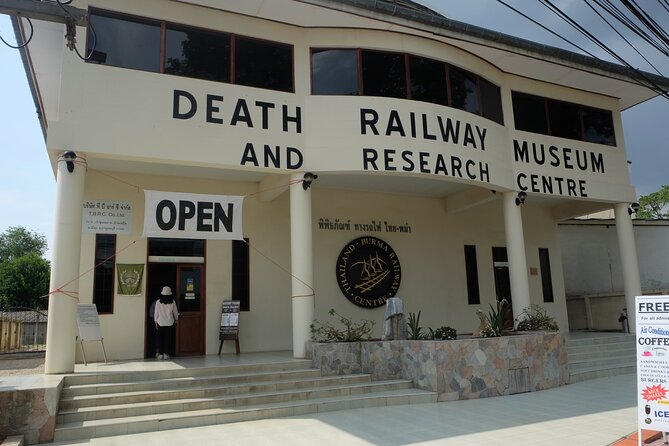
The Death Railway Museum and Research Centre is scheduled for about one hour, with admission included. This is the place to build a clear timeline and understand the wider railway project.
The museum covers the experiences of Allied prisoners of war and Asian laborers. It also helps explain how conditions worsened and why deaths rose at particular points during construction. That background can change the way you view the cemetery and Hellfire Pass.
The museum is especially important if you do not already know much about the Thailand-Burma Railway. Without this context, the bridge and railway ride can become disconnected sightseeing stops. With it, each location carries more meaning.
I would prefer the research centre or interpretive centre to come before the cemetery. Learning the story first makes the cemetery easier to understand, especially when you see the dates and scale of the loss. The tour order may not always provide that ideal sequence, so listen carefully to the guide and take the chance to ask for context before moving on.
Some feedback about the day points to only about 40 minutes in the museum and 30 minutes on the walking trail. If your schedule is compressed this way, you will need to choose between reading every display and keeping pace with the group. I would focus on the main exhibits and ask the guide which sections are most important.
Kanchanaburi War Cemetery
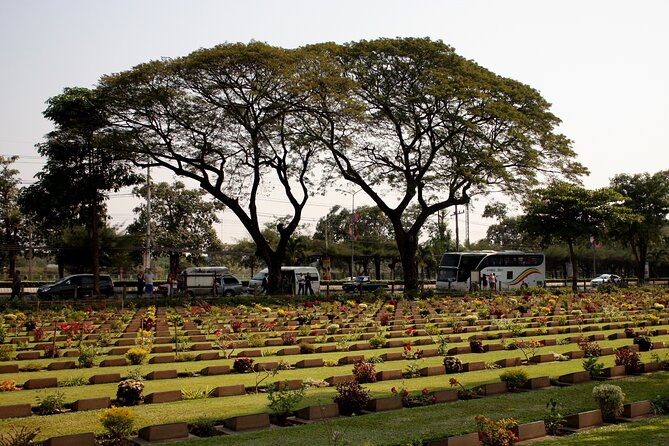
The Kanchanaburi War Cemetery is a solemn stop, scheduled for about one hour and free to enter. Its carefully maintained grounds honor Allied prisoners of war and others who died during the construction of the railway.
This is not a place for hurried sightseeing. The neat rows of graves contrast with the suffering described in the museums. That contrast is part of the experience. You are given a quiet setting in which to think about the names, dates, and human cost behind the railway.
The cemetery can feel intense, especially when visited alongside the museum. I recommend keeping your camera away for at least part of the visit and allowing yourself time to walk quietly.
The order matters here. If you arrive before receiving enough background, you may understand the cemetery less fully. If that happens, return mentally to what you learned at the research centre and Hellfire Pass. The full meaning of the stop often comes together only after the separate pieces have been joined.
What the $82 price includes
At $82 per person, this is not the cheapest way to reach Kanchanaburi, but the price covers a large amount in one day. You receive hotel pickup where available, an air-conditioned vehicle, an English-speaking guide, lunch, the train ticket, admission fees, taxes, and travel insurance.
That package has real value. Arranging the same combination independently would mean organizing long-distance transport, museum admissions, a train ticket, and a return journey while managing the timing yourself. The tour also removes the stress of driving in and out of Bangkok.
The value is strongest if you want the full historical route in one day. It is weaker if you prefer slow museum visits, long breaks, or time to explore Kanchanaburi on your own.
Group discounts are available, and the maximum group size is 15. Since the tour has been booked repeatedly, availability may matter during busy periods. Free cancellation is offered if you cancel at least 24 hours before the start time. Changes or cancellations inside that window are not refunded.
Who should book this experience
I would recommend this tour to you if you have one available day in Bangkok and want a serious historical excursion rather than another temple visit. It suits first-time visitors who need the main Kanchanaburi sites explained and anyone who wants the train ride included without planning several separate tickets.
It also works well for people who prefer a guide at memorial sites. The museums and cemetery raise questions that are easier to address with someone leading the day, and the English-speaking guide can connect the stops.
I would be more cautious if you dislike early starts, long road journeys, or fixed schedules. The day lasts about 12 hours, and the return to Bangkok can be affected by traffic. You should also think carefully if you need a slow pace at museums or have walking limitations.
A guide named Alex is associated with one of the departures, but guide assignments can vary. The operator is Discova Thailand, and the small group format gives you a better chance to ask questions than a large bus tour would.
Seasonal closure dates and a useful alternative
Hellfire Pass is closed on December 5, 24, 25, 26, 27, and 31, 2025, as well as January 1, 2026. On those dates, the tour substitutes Wat Tham Suea, also called Tiger Cave Temple, in Kanchanaburi.
That is not a like-for-like replacement. Wat Tham Suea is a different kind of attraction, so do not book on one of those dates expecting the Hellfire Pass trail and memorial centre. If Hellfire Pass is the main reason you want this excursion, choose a date when it is open.
My call on the Bangkok Death Railway tour
I would book this tour if you want the essential Kanchanaburi story in one organized day and accept that the schedule may move quickly. The Hellfire Pass walk, museums, cemetery, and train ride create a much fuller experience than visiting the River Kwai Bridge alone.
I would not book it if your priority is a relaxed pace or extended time at each museum. For everyone else, the $82 cost is fair because it combines transport, lunch, admissions, a guide, insurance, and the train ticket. Go with comfortable shoes, a respectful attitude, and realistic expectations about the long day. You will return to Bangkok tired, but with a clearer understanding of why this railway still matters.
FAQ
How long is the Death Railway and Hellfire Pass tour?
The tour lasts approximately 12 hours, beginning at about 7:00 am.
Is hotel pickup available from Bangkok?
Yes. Pickup and drop-off are available for hotels in areas including Chatuchak, Lard Pao, Bang Khen, Don Muang, Suvarnabhumi, and other listed areas.
What is included in the tour price?
The price includes an air-conditioned vehicle, lunch, an English-speaking guide, travel insurance, all fees and taxes, and the train ticket.
Is admission to Hellfire Pass included?
Yes. Admission to the Hellfire Pass Interpretive Centre and Memorial Walking Trail is included.
Is the train ride included?
Yes. The tour includes a train ticket for the Death Railway journey.
How large is the tour group?
The tour has a maximum of 15 people.
What happens if Hellfire Pass is closed?
Hellfire Pass is closed on December 5, 24, 25, 26, 27, and 31, 2025, and January 1, 2026. Wat Tham Suea, or Tiger Cave Temple, is offered as the alternative attraction in Kanchanaburi.
Can I cancel for a full refund?
Yes, if you cancel at least 24 hours before the experience start time. Cancellations or changes made less than 24 hours before the start time are not refunded or accepted.
New on the timetable around Bangkok
- Small Group: Kanchanaburi Death Railway, Erawan Waterfall and Elephant★ 4.0 · 3 reviews
- Train trip death railway Bridge on river Kwai from Bangkok to Kanchanaburi trip★ 4.0 · 17 reviews
- Historic Kanchanaburi:Train, Boat, Skywalk from Bangkok(No Lunch)★ 5.0 · 2 reviews
- Private tour : Railway & Floating Market and the Bridge over river Kwae★ 5.0 · 2 reviews
- Historic Kanchanaburi: Train, Boat & Skywalk + Lunch From Bangkok★ 4.5 · 3 reviews
- Private Tour to Kanchanaburi Death Railway and Elephant Haven★ 5.0 · 15 reviews
- Maeklong & Damnoen Saduak Markets: Railway & Floating Market Tour★ 4.0 · 17 reviews
- Private Tour: Death Railway, Hellfire Pass and Erawan Waterfall★ 5.0 · 55 reviews
Other Death Railway Tours worth a seat
Bridge on the River Kwai and Thailand-Burma Railway Tour
Read our review →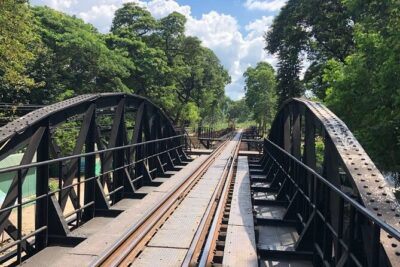
Bridge over River Kwai and Hellfire Pass Tour with Train Ride
Read our review →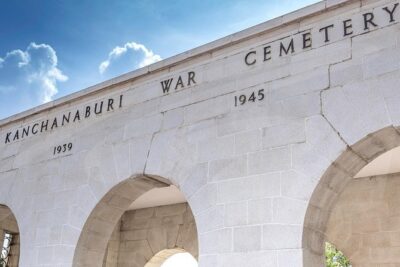
Private Tour: Thai–Burma Death Railway Bridge on the River Kwai from Bangkok
Read our review →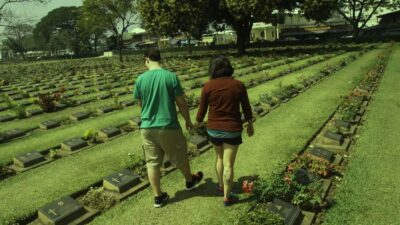
Death Railway & River Kwai Bridge Private Tour
Read our review →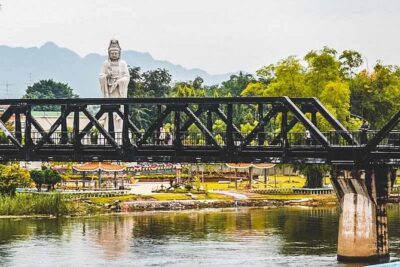
Private Tour: Death Railway, Hellfire Pass and Erawan Waterfall
Read our review →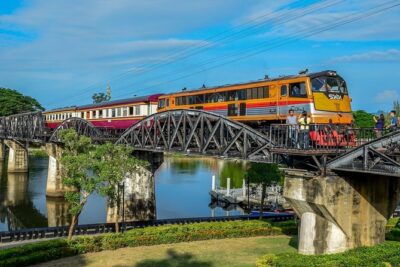
Erawan Waterfalls-Death Railway & River Kwai Tour
Read our review →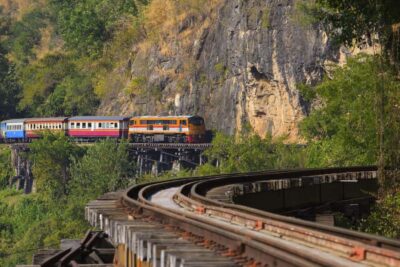
Lists this ride appears on