
Review · BANGKOK
From Bangkok: Death Railway & River Kwai Bridge Private Tour
The most moving part of this day is not the famous bridge. It is the way the Burma Railway Museum and war cemetery put human names and suffering behind a story many people know only from a film. Later, the train ride takes you over the railway itself, through scenery that is beautiful in a way that feels almost uncomfortable.
I like the private format for two reasons: you get a guide’s full attention, and the schedule can bend a little when you need more time at the cemetery or museum. Guides such as Johnny, Wes, George, and Mr King are often singled out for clear history, thoughtful care, and practical help, including finding good seats on the train. The catch is the distance. Kanchanaburi is about two to two and a half hours from Bangkok, and traffic can make the return even longer.
Key things to know before booking
- The day begins early: Pickup is from your hotel lobby in central Bangkok, with six listed pickup areas including Bang Rak, Sathon, Watthana, and Phra Nakhon.
- The history comes first: The Burma Railway Museum and Kanchanaburi War Cemetery explain the human cost before you board the train.
- The train ride is the highlight for many people: Expect about 40 minutes to an hour on wooden seats, with good views near the River Kwai and Kra Sae.
- A private guide changes the pace: Your guide can answer questions, help with photographs, and assist with train seating rather than simply moving you from stop to stop.
- Lunch is included: You stop at a local Thai restaurant, with dishes such as pad see ew mentioned as a favorite.
- Plan for a full day: The advertised duration is eight hours, but traffic and the long road journey can push the day closer to nine hours.
Why the Death Railway deserves a full day from Bangkok
The Thailand-Burma Railway was built in 1943 under the Japanese military during World War II. Prisoners of war and forced laborers were used to construct the line through difficult terrain, under brutal conditions. The name Death Railway comes from the enormous loss of life connected with its construction.
A visit here works best when you treat it as a memorial day, not simply a scenic train outing. The bridge is photogenic, and the train ride is enjoyable, but the cemetery and museum give the experience its weight. I appreciate that this tour places those sites alongside the railway rather than treating the history as a quick introduction to a sightseeing ride.
Kanchanaburi itself was founded in the late 18th century by King Rama I as a defensive outpost against attack from Burma. Your guide may connect that earlier history with the events of World War II and modern Thailand, giving you a wider view of why this area mattered long before the railway was built.
More Death Railway Trips around Bangkok:
- From Bangkok: Death Railway & Hellfire Pass Tour with Lunch
★ 4.6 · 931 reviews - Bridge on the River Kwai and Thailand-Burma Railway Tour
★ 4.5 · 658 reviews - Bridge on the River Kwai and Thailand-Burma Railway Guided Tour
★ 4.5 · 353 reviews
The long morning drive from Bangkok
Pickup takes place very early from your hotel lobby in Bangkok city center. That is good news for two reasons. You have a better chance of getting ahead of Bangkok traffic, and you arrive in Kanchanaburi with enough time for the main stops.
Transport is by private, air-conditioned car or SUV with a driver. Several people describe the vehicles as clean, cool, and comfortable, with cold water provided during the day. That matters here. You spend a fair amount of time on the road, and the heat outside the vehicle can be strong.
The trip to Kanchanaburi takes roughly two to two and a half hours. The overall day may last longer than the listed eight hours, particularly if Bangkok traffic slows the return. One booking took about nine hours, while another started at 6:40 a.m. and returned around 4 p.m. I would leave the evening open rather than scheduling a flight, dinner reservation, or show soon after your expected return.
Starting with the Burma Railway Museum
The Burma Railway Museum is an interactive museum devoted to the Thailand-Burma Railway. Allow about 40 minutes for a self-guided visit, though the private format gives you room to ask your guide questions before or after you go inside.
Period photographs, models, and displays explain how the railway was planned and constructed. This is where the scale of the project becomes easier to grasp. Instead of seeing only a bridge and a train track, you learn how prisoners of war were used, how the camps operated, and why the railway became one of the most painful chapters of the war in Southeast Asia.
I would not rush this stop. The material can be sobering, and the museum provides the facts you need before the more visual parts of the day. Some guides, including Johnny, Wes, and George, are praised for explaining both the railway and the wider history of Thailand in clear English.
The museum visit may sometimes take place in the afternoon rather than at the beginning. That means the exact order of stops can change. It is not a problem, but it helps to see the schedule as a working plan rather than a strict minute-by-minute program.
A quiet pause at Kanchanaburi War Cemetery
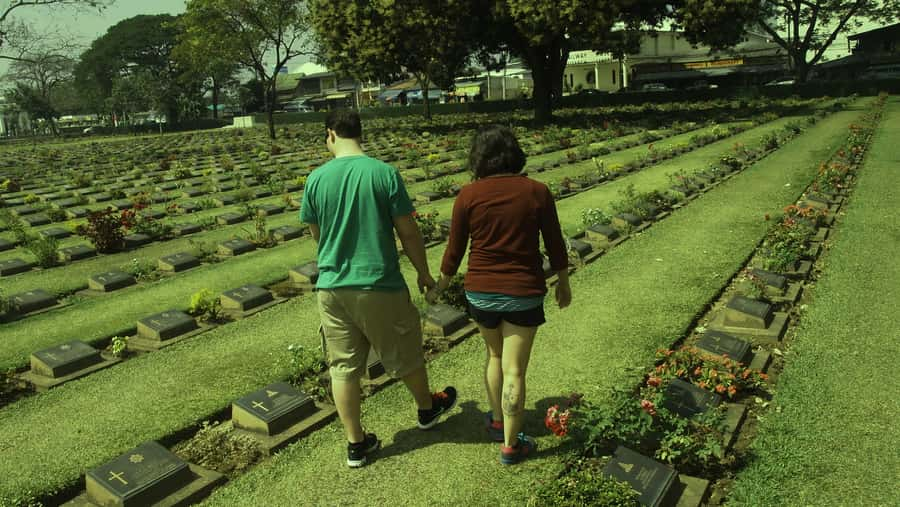
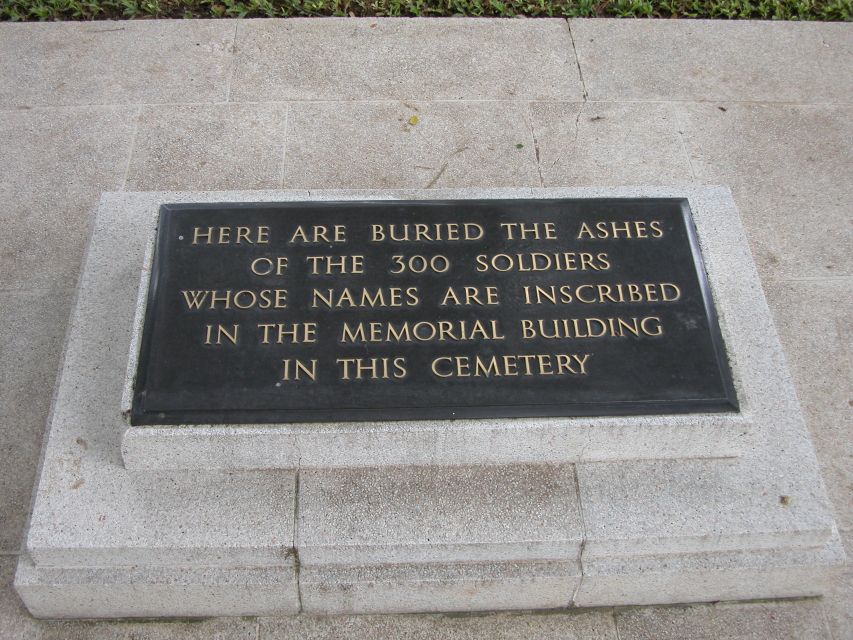
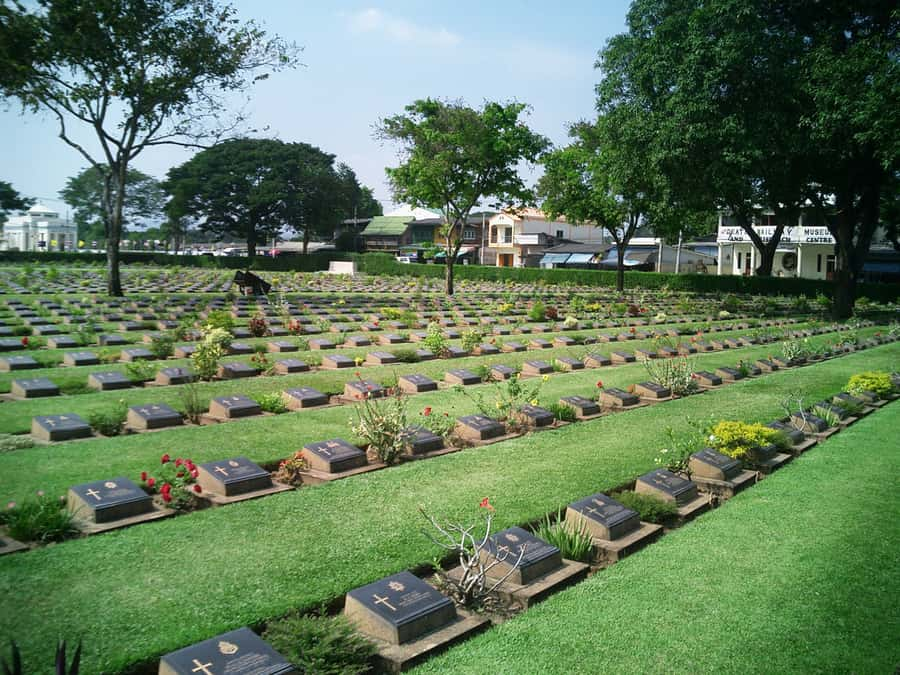
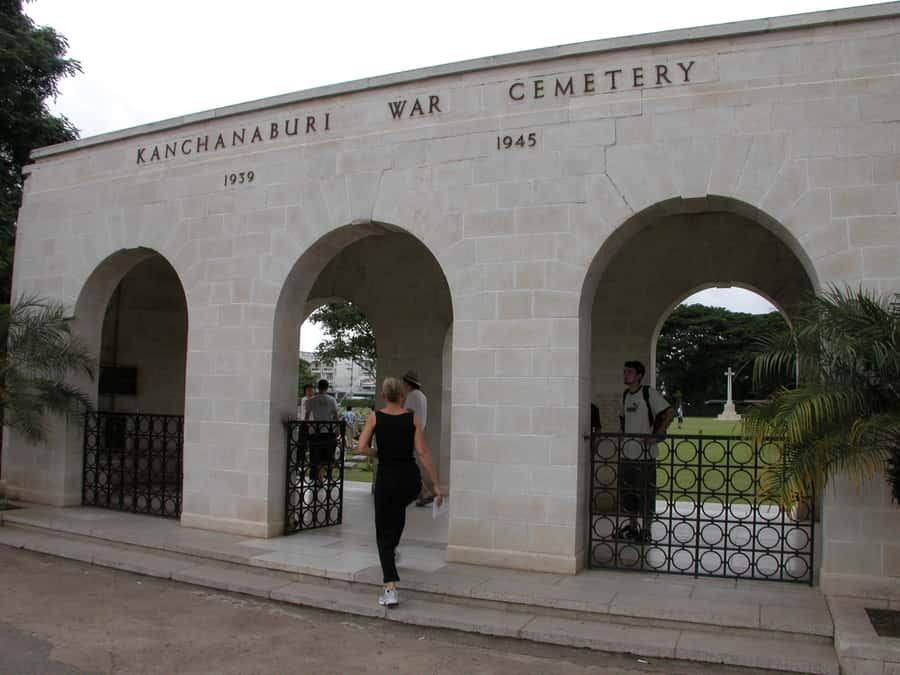
The war cemetery is a short visit, listed at about 30 minutes. It is also one of the most affecting stops.
The neatly maintained grounds contain the graves of about 6,000 Allied prisoners of war who died during the railway’s construction. You can walk among the headstones, read names and ages, and take in the silence. The numbers become personal here. Many of the men were young, and the cemetery makes that clear without needing a long explanation.
Your guide can provide background and point out details, but this is a place where you may want a few quiet minutes alone. I like that the private tour does not force you to move immediately from one grave to the next. Guests have described having time to take in the site rather than being hurried along.
Bring comfortable shoes. The cemetery is not a difficult stop, but you will be walking outdoors, and the day includes several other places where firm footwear is useful.
More Train Journeys around Bangkok:
- Day Trip to Bangkok Floating Market & Maeklong Railway
★ 5.0 · 1,528 reviews - Bangkok: Railway and Floating Market Tour with Dragon Temple
★ 4.6 · 1,225 reviews - Private Excursion to Maeklong Railway and Floating Markets
★ 5.0 · 850 reviews - From Bangkok: Railway & Damnoen Saduak Floating Market Tour
★ 4.6 · 775 reviews
Walking across the original River Kwai Bridge
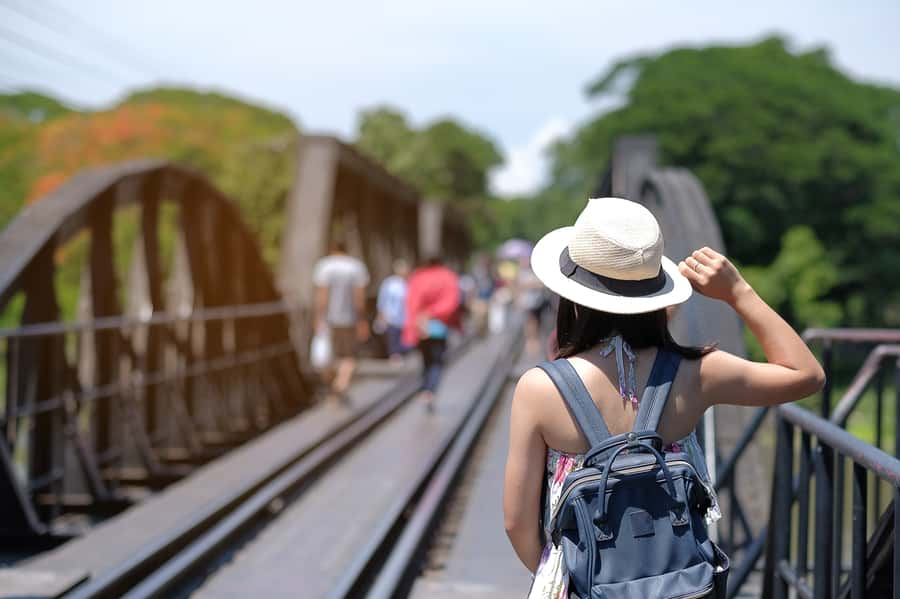
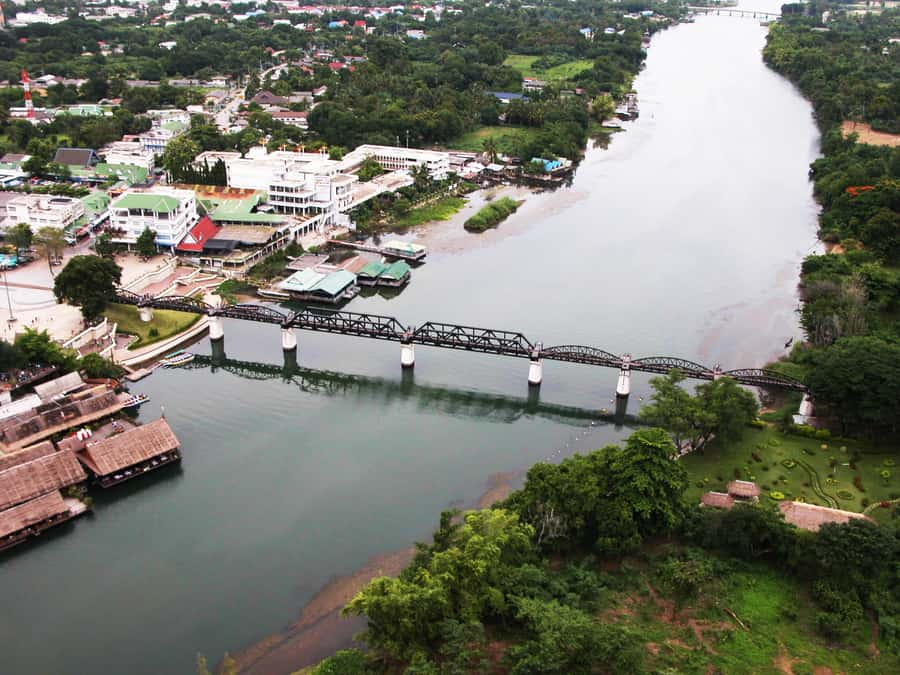
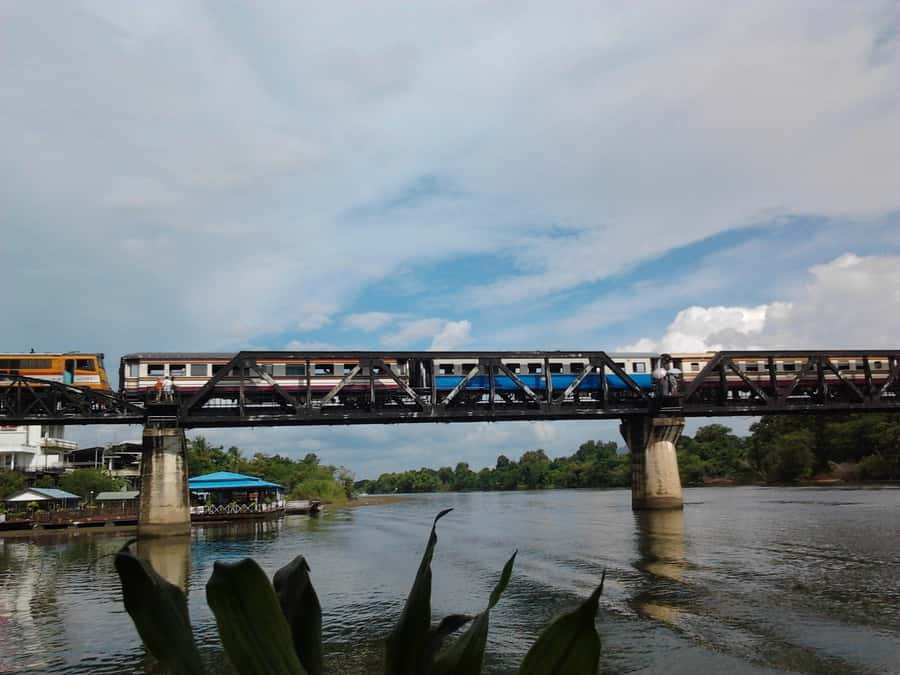
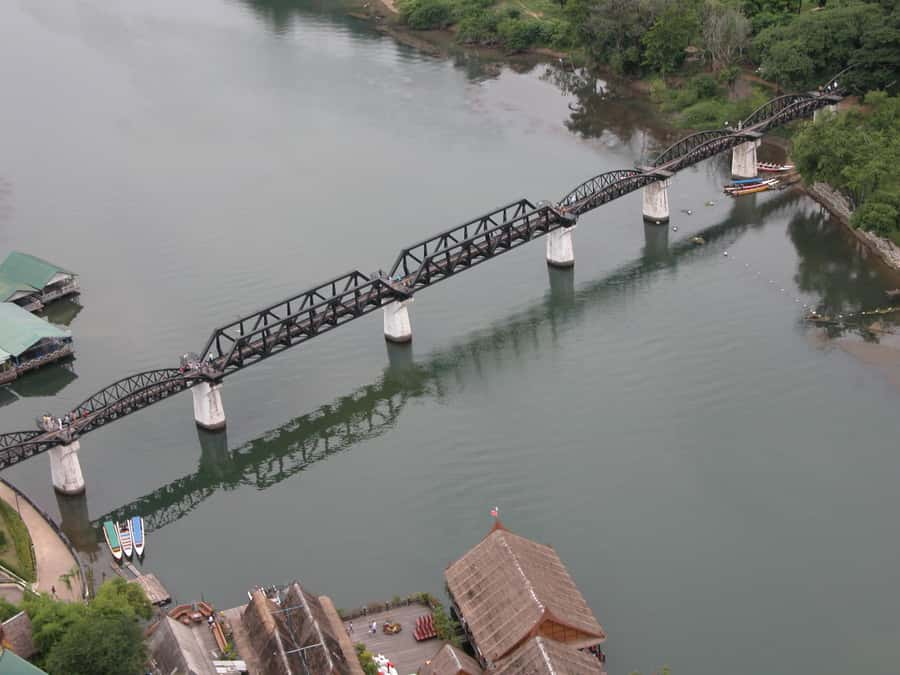
The bridge is the day’s best-known sight. You can stop for photographs, walk along the bridge tracks, and listen for the train before it arrives.
The structure gives you a sense of the railway’s setting. It is not just an isolated monument. The line crosses the river and continues through the surrounding countryside, where the route had to be pushed through difficult ground. Seeing the train pass and later riding it yourself makes the history more physical.
The bridge can be busy, especially when a train is due. A private guide is useful here because you are not left guessing where to wait or when to move off the track. Guides such as Johnny and Aom are praised for finding good photo spots and helping with train seating.
One itinerary lists 30 hours for this stop, which is clearly a timing error. In practical terms, plan on roughly 30 minutes for the visit and photo stop, with extra time if the train schedule or crowds cause a delay.
Riding the Death Railway to Kra Sae
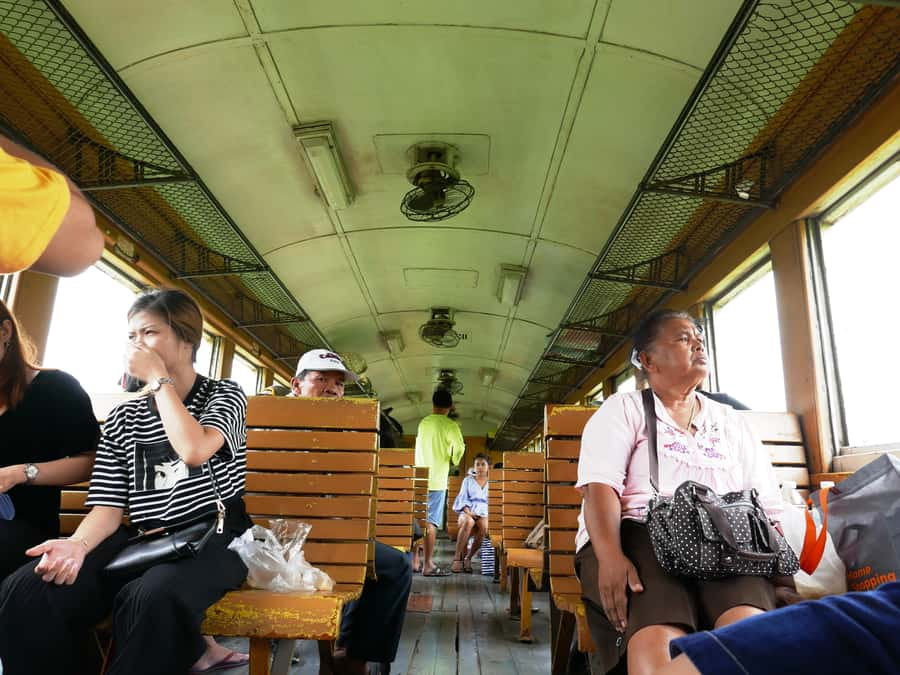
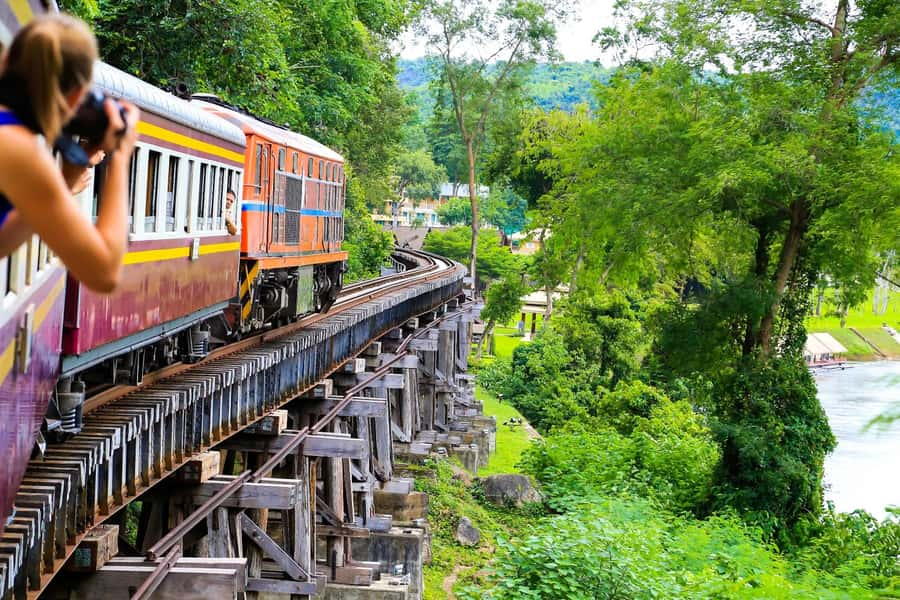
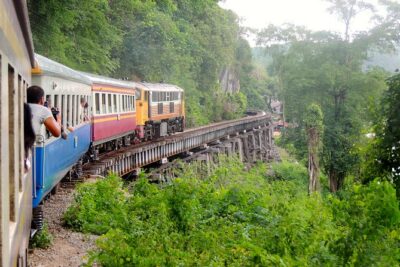
The train ride is the emotional and scenic center of the day. The journey is listed at about 40 minutes, while several descriptions place it closer to an hour. The exact time can depend on the train and route used that day.
Do not expect polished tourist-train comfort. The seats are wooden, and one useful tip is to bring a small cushion if you have room. The cars can be busy, so your guide may position you on the platform and help secure seats together. That small bit of local know-how makes a real difference.
The route passes over the bridge and toward Tham Kra Sae, also called Kra Sae Cave. You get views of the river and the surrounding countryside from the train, then see parts of the railway from a different angle as it moves along the track.
Train delays are possible. On one occasion, a breakdown required the guide to arrange for the driver to meet the group at a nearby stop. That is one advantage of having a private vehicle and an attentive guide. The train remains the least predictable part of the day, so keep a little flexibility in your expectations.
Kra Sae Cave and the railway beside the river
At the end of the train ride, you visit Kra Sae Cave and the nearby track. The stop lasts around 20 minutes, though the exact pace depends on train timing and local conditions.
You can walk near the railway and look out over the river from the elevated track. The setting is striking, but the scenery should not erase the reason the railway exists. Your guide can connect the views with the difficult work forced on prisoners of war and laborers who built the line.
This is also one of the better places for photographs. Guides frequently help with pictures, and several have sent additional photographs taken during the day. If you want your own pictures, tell your guide early. They often know where to stand and when to move before the train or other visitors fill the frame.
Thai lunch after the train
Lunch is included at a local restaurant. The food is described as fresh and tasty, with pad see ew receiving a special mention. Another meal was served as a buffet, and the quality may vary depending on the restaurant used that day.
I see lunch as a practical part of the tour rather than a major culinary event. It breaks up the road and train travel, gives you time to cool down, and keeps you from having to search for food in an unfamiliar area. Guides may also help arrange a good table, especially in a busy restaurant.
Drinks and extra meals are not included, so carry some cash for anything beyond the provided lunch. Bottled water is supplied during the tour, but an umbrella, sunglasses, and a camera are useful additions.
What the private format is really worth
At $169 per person, this is not the cheapest way to reach Kanchanaburi. The price includes hotel pickup and drop-off, private air-conditioned transport, an English-speaking guide, entrance fees, the train ticket, lunch, travel insurance, and expressway fees.
The value depends on your group size and priorities. If you are traveling as a couple or small family, the private vehicle saves you from waiting for a large group and lets you ask questions throughout the drive. You also have more control over time at the museum, cemetery, and bridge.
The guide is the main reason to pay more. Several guides, particularly Johnny, Wes, George, and Mr King, are praised for explaining the history, taking photographs, finding train seats, and adapting the pace. That kind of practical help is more useful here than a polished speech. The day involves several transitions, and a good guide keeps the experience calm.
The main cost is time. You are paying for convenience and context, not simply a train ticket. If you are comfortable arranging your own transport and visiting the bridge without background, you might find a cheaper option. If you want the whole story handled in one day from Bangkok, the package is easier to justify.
Who should book this Kanchanaburi tour
I would recommend it to anyone with a serious interest in World War II history, especially visitors who want the cemetery, museum, bridge, and train ride in one organized day. It also suits families and small groups who value a private vehicle and the chance to ask questions along the way.
The tour works well for people who want structure but not a rigid group schedule. You still have guided explanations, but you can often wander independently at the museum and cemetery, then return to your guide when you need help.
It is less suitable if you dislike early mornings, long road journeys, wooden train seats, or emotionally heavy historical sites. It is also not suitable for wheelchair users, according to the activity information. The day includes walking at several stops and boarding a regular train, so mobility should be considered carefully.
Free cancellation is available up to 24 hours before departure, and you can reserve now while paying later. Those policies are useful if your Bangkok plans are still moving, but the bigger practical decision is whether you are willing to give up most of a day for the drive.
Final call: is the Death Railway tour worth it?
Book this tour if you want more than a photograph at the River Kwai Bridge. The museum and cemetery give the railway its human meaning, while the train ride lets you see the route at ground level. The private guide, air-conditioned transport, lunch, and included fees remove much of the day’s friction.
I would be especially keen to book if Johnny, Wes, George, or Mr King were available, based on the strong descriptions of their history knowledge and personal care. Still, guide assignments can vary, so do not book solely on a promised individual unless the operator confirms it.
Allow nine hours rather than eight, bring comfortable shoes and a small cushion, and keep your evening free. With those expectations, this is a worthwhile and thoughtful day trip from Bangkok.
FAQ
How long is the tour?
The stated duration is eight hours, but the drive to Kanchanaburi takes about two to two and a half hours each way. Traffic or train delays can extend the day to around nine hours.
Where does pickup take place?
Pickup is from the lobby of your hotel in central Bangkok. Listed pickup areas include Khlong San, Pathum Wan, Sathon, Watthana, Bang Rak, and Phra Nakhon.
Is transportation private?
Yes. The tour uses a private group and private air-conditioned transport with a driver.
Is an English-speaking guide included?
Yes. An English-speaking live guide is included. Guides named in the tour information and experiences include Johnny, Wes, George, Mr King, Aom, Paula, and others.
Is lunch included?
Yes. Lunch at a local restaurant is included. Extra meals and drinks are not included.
How long is the Death Railway train ride?
The train portion is listed at about 40 minutes. Some descriptions place the ride closer to an hour, so allow for variation.
Will I visit the Burma Railway Museum?
Yes. The museum visit includes period photographs and models explaining the Thailand-Burma Railway and its World War II background.
Can I visit the River Kwai Bridge?
Yes. The tour includes a visit and photo stop at the bridge, with time to walk on the tracks before continuing by train.
What should I bring?
Bring comfortable shoes, sunglasses, an umbrella, and a camera. A small cushion may also help because the train seats are wooden.
Is the tour suitable for wheelchair users?
No. The activity is listed as unsuitable for wheelchair users.
New on the timetable around Bangkok
- Small Group: Kanchanaburi Death Railway, Erawan Waterfall and Elephant★ 4.0 · 3 reviews
- Train trip death railway Bridge on river Kwai from Bangkok to Kanchanaburi trip★ 4.0 · 17 reviews
- Historic Kanchanaburi:Train, Boat, Skywalk from Bangkok(No Lunch)★ 5.0 · 2 reviews
- Private tour : Railway & Floating Market and the Bridge over river Kwae★ 5.0 · 2 reviews
- Private Tour to Kanchanaburi Death Railway and Elephant Haven★ 5.0 · 15 reviews
- Maeklong & Damnoen Saduak Markets: Railway & Floating Market Tour★ 4.0 · 17 reviews
- Historic Kanchanaburi: Train, Boat & Skywalk + Lunch From Bangkok★ 4.5 · 3 reviews
- Private Tour: Death Railway, Hellfire Pass and Erawan Waterfall★ 5.0 · 55 reviews
Other Death Railway Tours worth a seat
Bridge on the River Kwai and Thailand-Burma Railway Tour
Read our review →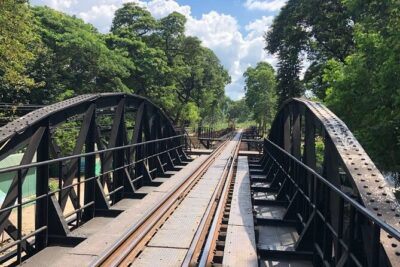
Bridge over River Kwai and Hellfire Pass Tour with Train Ride
Read our review →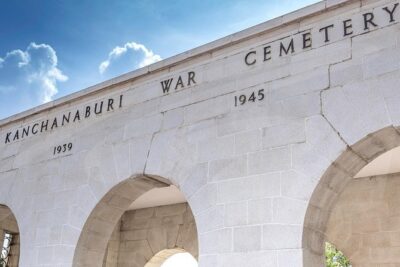
Private Tour: Thai–Burma Death Railway Bridge on the River Kwai from Bangkok
Read our review →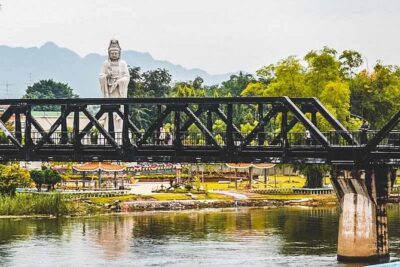
Private Tour: Death Railway, Hellfire Pass and Erawan Waterfall
Read our review →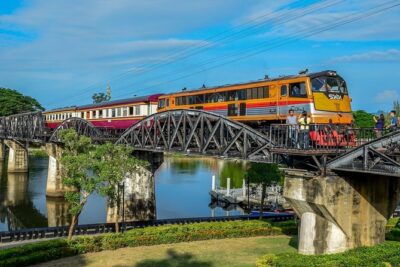
Erawan Waterfalls-Death Railway & River Kwai Tour
Read our review →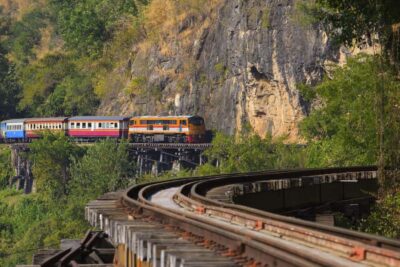
Full-Day Kanchanaburi River Kwai & Death Railway Private Tour
Read our review →Lists this ride appears on