
Review · SOUTH KOREA
Busan and Gyeongju 2 days Tour from Seoul by KTX Bullet Train
Busan and Gyeongju in two days is an ambitious slice of southern Korea. You begin before breakfast, board the KTX from Seoul, and trade the capital’s high-rises for Busan’s harbor, beaches, seafood stalls, and steep hillside neighborhoods. Day two shifts inland to Gyeongju, where royal tombs and Buddhist monuments tell a much older story.
I like the private minivan because it makes this long list of sights possible without wrestling with local buses. I also like the human scale of the route, from Choi Min-Shik’s stark black-and-white photographs to the women selling seafood at Jagalchi Market. The main catch is the pace: you see a lot, but you will not have much time to linger.
Key points at a glance
- KTX saves valuable time: The express train gets you between Seoul and Busan faster than a road transfer.
- Busan’s past and present meet: See war-era hillside settlements, a major seafood market, beaches, and a coastal temple.
- Gyeongju packs in Silla-era treasures: Tombs, palace ruins, a museum, Bulguksa Temple, and Seokguram Grotto fill the second day.
- Private touring gives you flexibility: Your group travels with a private guide and minivan rather than joining a large coach.
- The price covers major transport: KTX economy tickets, site admissions, private Busan transportation, and Busan hotel pickup and drop-off are included.
- Plan carefully for the overnight: Accommodation, meals, and Seoul hotel drop-off are not included.
A fast southern Korea trip from Seoul
At $800 per person, this is not a budget side trip. It is best understood as a time-saving private package that combines long-distance rail, local transport, guiding, and entry fees.
The value depends on your group. If you are traveling with family or several friends, the private format can make the cost easier to justify. You are paying for someone else to handle the complicated movement between Seoul, Busan, and Gyeongju, while your group avoids the limits of a fixed public tour.
The schedule begins at 6:30 a.m. in Seoul. That early start matters. You will have a full day in Busan, but the trip only works because the first hours are given to the KTX journey and transfers.
There is one important planning point. The experience is described as a two-day tour, yet the duration is also listed as roughly 16 to 18 hours. Accommodation is not included, and the package provides Busan hotel pickup and drop-off, not Seoul hotel drop-off. Before booking, confirm exactly where you sleep between the two sightseeing days and how your Seoul return is handled.
More High-Speed Trains in South Korea:
- Busan city tour from Seoul by KTX bullet train
★ 5.0 · 39 reviews - Gyeongju UNESCO Sites Tour by KTX train; The Museum Without walls
★ 4.5 · 11 reviews - Busan day trip including Gamcheon culture village from Seoul by KTX train
★ 5.0 · 3 reviews
Day one: Busan through memory, markets, and sea views
Choi Min-Shik Gallery and Busan’s human face
The first stop offers a thoughtful change of pace. Choi Min-Shik was a first-generation documentary photographer whose black-and-white images focused on ordinary people living through war, poverty, and rapid modernization.
You get about 30 minutes here. That is enough for a concentrated look rather than a long museum visit. The photographs connect directly to the neighborhoods that follow, especially the communities shaped by the Korean War and Busan’s hard years.
I like this opening because it gives context before the sightseeing becomes more visual. Instead of treating Busan as only a beach city, the stop reminds you that its modern identity was built by people facing difficult conditions.
Amidong Tombstone Culture Village
Amidong is one of the most unusual stops on the route. People first lived here in tents after arriving in Busan during the Korean War. As the settlement grew, residents built homes over Japanese graves because space was scarce.
You have about an hour to walk and take in the high views across the city. The site is next to Gamcheon Culture Village, but it has a different mood. Gamcheon is famous for its colors and art projects. Amidong feels more direct and tied to the practical struggle of making a home.
This stop may not suit anyone looking only for polished attractions. That is also its value. You see how war and displacement shaped the city’s hills, housing, and communities.
More Two-Day Rail Trips around South Korea:
- Granada City Train 1 or 2-Day Hop-On Hop-Off Ticket
★ 3.5 · 3,128 reviews - Cusco: Machu Picchu 2-Day Inca Trail with Panoramic Train
★ 4.9 · 260 reviews - From Hanoi: 2-Day 2-Night Sapa Tour by Overnight Train
★ 4.4 · 96 reviews - From Hanoi: Sapa Hill Tribes 2-Day Tour by Overnight Train
★ 4.4 · 62 reviews
Gamcheon Culture Village
Gamcheon began as a refuge for people fleeing to Busan during the Korean War. A creative urban renewal project starting in 2010 helped turn the steep settlement into one of Busan’s best-known sightseeing areas.
You have an hour here. Expect narrow routes, hillside views, painted buildings, and plenty of photo opportunities. The village is often nicknamed the Machu Picchu of Busan because of its layered construction on the slopes, though the comparison is more about the shape and views than the actual experience.
The short visit lets you get a feel for the place, but it will not cover every corner. Wear shoes suitable for inclines, and do not expect a flat walk. The private vehicle is especially useful because it reduces the need to arrange your own transport to and from this hillside district.
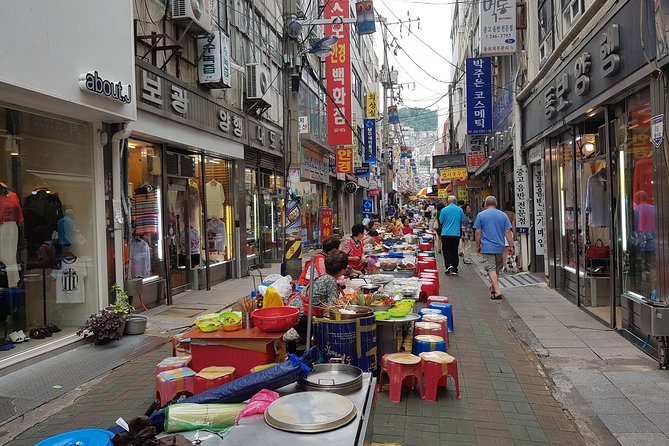
Jagalchi Market
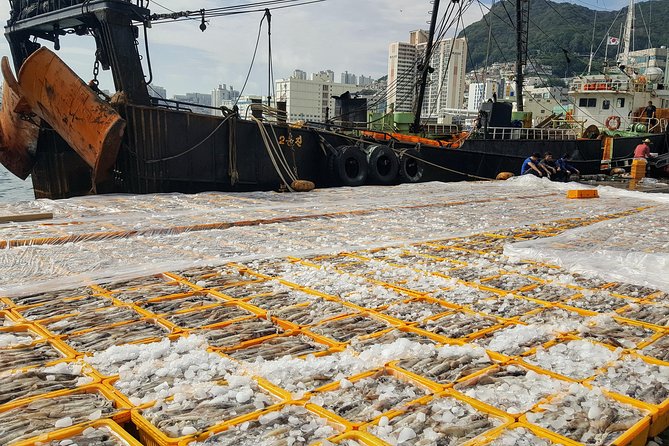
Jagalchi is Korea’s largest seafood market, with live and dried fish sold in a setting that feels central to Busan’s identity. After the Korean War, the market became firmly established as a fish market, and many of its vendors are women known as Jagalchi Ajumma.
An hour here gives you time to look at the displays and watch the market’s everyday trade. Food is not included, so any meal or seafood purchase is your own expense. That is worth remembering when comparing the tour price with a fully inclusive package.
This is one of the better places to use your guide. A market can be confusing if you are not familiar with the products or customs. Your guide can help you understand what you are seeing, though the exact food arrangements are not specified.
Gwangalli Beach after the city stops
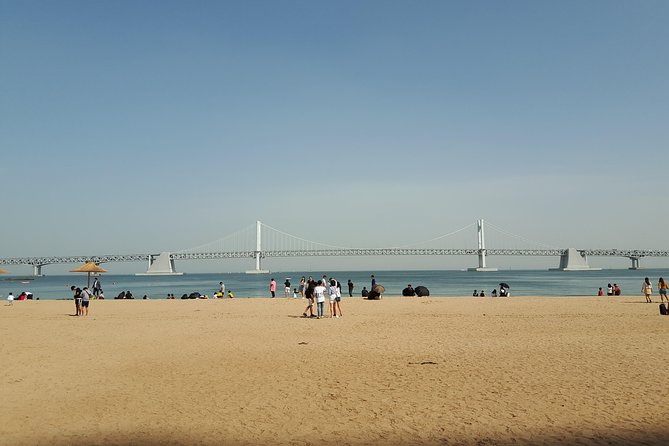
Gwangalli gives you an hour beside the water. The beach is known for fine sand, cafes, restaurants, and views of the bridge across the bay. During daylight, the bridge forms the main focus of the view. After dark, its illumination changes the scene.
The tour’s long first day makes timing important here. If you reach Gwangalli later, the area may feel more atmospheric, but the schedule does not promise a specific arrival time or evening stop. You will have time to stroll, take pictures, or pause at a cafe, but food and drinks remain separate.
I like the contrast. After markets and war-era neighborhoods, Gwangalli shows Busan as a modern coastal city with a relaxed side.
Haedong Yonggungsa, a temple beside the ocean
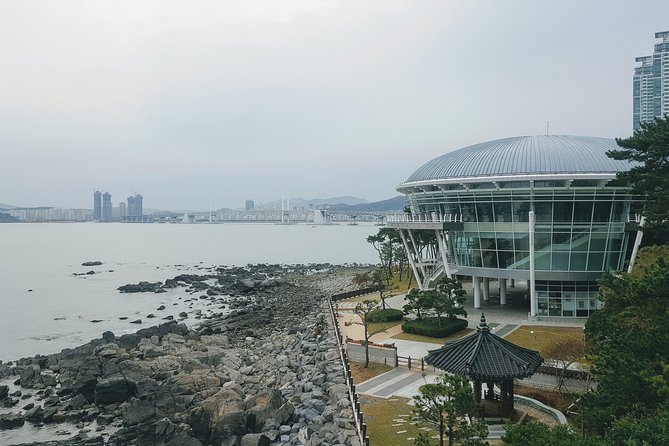
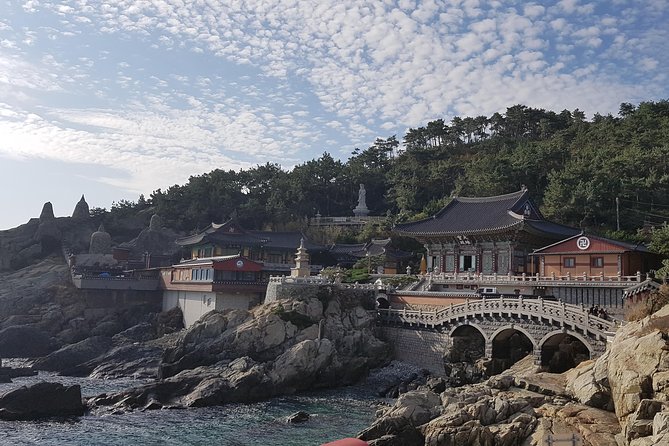
Haedong Yonggungsa is one of the route’s most distinctive sights. Many Korean temples sit in mountain settings, while this one occupies the northeastern coast of Busan.
The visit lasts about 1 hour and 40 minutes, making it the longest Busan stop. You can expect temple buildings, sea views, and a setting that feels quite different from the inland Buddhist sites on day two.
The coastal location is the attraction, but it also means the experience is tied to the weather and walking conditions. The schedule gives you useful time here, yet the number of stops means you will still need to keep moving.
Haeundae Beach and the UN Memorial Cemetery
Haeundae is Busan’s best-known beach. Its white sand stretches about 1.5 kilometers along a shallow bay, and the visit lasts 30 minutes.
That is enough for a look and a short walk, not a beach day. If you want swimming time or a long cafe stop, this itinerary will feel too tight. Still, seeing both Gwangalli and Haeundae helps you compare two different parts of Busan’s coast.
The final listed Busan stop is the UN Memorial Cemetery, visited for about 40 minutes. It honors soldiers who died in the Korean War while serving under the UN flag. Flags of participating nations and memorial names create a quiet setting for remembrance.
This stop adds weight to the day. After seeing neighborhoods formed by wartime displacement, you encounter a place dedicated to those who died in the conflict. It is a respectful visit, not a quick photo stop, so allow yourself to slow down.
Day two: Gyeongju and the Silla kingdom
Daereungwon Tomb Complex
Gyeongju was the center of the Silla dynasty, and Daereungwon makes that past visible at once. Large burial mounds mark the tombs of Silla kings and queens.
You spend about an hour here, with admission included. The mounds are the main sight, and the open setting gives you a useful introduction before the palace ruins and museum.
The scale can be surprising. These are not isolated objects behind glass. The tombs shape the view across the area, making the city feel connected to its ancient rulers.
Banwolseong Fortress
Banwolseong, or Half-Moon Fortress, was built during the Silla dynasty and served as a defensive structure. The stop lasts 30 minutes, so treat it as a short historical pause rather than a full archaeological visit.
The site is also valued for its surrounding scenery. Because the visit is brief, your guide’s explanation will help you understand what remains and why the fortress mattered.
Donggung Palace and Wolji Pond
Donggung Palace was the secondary palace for the Silla crown prince. Wolji Pond formed part of the palace complex and is known for its carefully composed views.
You have about an hour here, with admission included. The pond is especially associated with nighttime illumination, but this itinerary does not guarantee a night visit. In daylight, you can still appreciate the relationship between water, buildings, and the former palace grounds.
This is a good place to balance the tomb complex. Daereungwon is dominated by burial mounds. Donggung and Wolji suggest court life, ceremony, and design.
Gyeongju National Museum
The Gyeongju National Museum brings the day’s scattered monuments together. Its collection focuses on Silla culture and includes pottery, sculpture, and gold objects.
You have one hour, and entry is listed as included. That is a sensible amount of time for an overview, though anyone with a strong museum interest may want longer than the schedule allows.
I find museums especially useful after outdoor ruins. They help explain the objects, beliefs, and artistic skills behind what you see at the tombs and palace grounds. Here, the museum gives you a clearer picture of Silla civilization without requiring you to interpret every site on your own.
Bulguksa Temple
Bulguksa is a UNESCO World Heritage Site built during the Silla dynasty in the eighth century. Its stone carvings and temple structures represent some of Korea’s finest Buddhist architecture.
The scheduled visit lasts an hour, with admission included. You will see the main temple grounds and important buildings such as Daeungjeon. The time is enough for a strong introduction, but not for an unhurried study of every detail.
Bulguksa is also the practical base for the next major sight, Seokguram Grotto. That pairing makes the route efficient, though the day remains full.
Seokguram Grotto
Seokguram Grotto is another UNESCO World Heritage Site near Bulguksa. Built in the eighth century, it contains a stone-carved Buddha and is regarded as a high point of Korean Buddhist art.
You have about an hour here. The grotto is the sort of place where a guide’s explanation adds real value, since the importance lies not only in the Buddha itself but also in the design of the chamber and the skill behind the carving.
The name is occasionally written incorrectly as Seokgulam, but Seokguram is the standard spelling. Admission is listed as free, while the general tour description says all tourist-site admissions are covered. If exact ticket handling matters to you, confirm the details before departure.
What the private format really changes
A private tour is not simply a smaller bus. It gives your group control over the pace and makes a difficult route more manageable. You travel with an English-speaking guide and private minivan in Busan, rather than arranging separate taxis between coastal Busan, inland Gyeongju, and the train stations.
The itinerary can also be tailored, according to the tour description. That does not mean every stop can be extended without affecting the rest of the day. With fourteen listed sights, changes will need to be discussed early.
The private setup is particularly useful for families. A booking contact named Kyung Ae is specifically noted for going out of the way to keep a family comfortable, including two elementary-age children. That does not guarantee the same guide or exact service on every departure, but it suggests that families should explain their needs when booking.
The tour is described as suitable for most people, and it is near public transportation. Still, the route includes hills, outdoor walks, temple grounds, and a very early start. Anyone who dislikes packed schedules should think carefully before choosing it.
Is $800 a fair price?
The $800 price includes several costly and useful pieces:
- KTX round-trip economy fare from Seoul
- A qualified English-speaking guide
- Private Busan minivan transportation
- Hotel pickup and drop-off in Busan
- Admission to the listed tourist sites
Food, drinks, accommodation, and Seoul hotel drop-off are not included. Those exclusions are significant. You need to budget for meals and lodging, and you need a clear plan for the final return to Seoul.
For a solo visitor, the price is steep. For a private group, it may compare more favorably with buying rail tickets, hiring local transportation, paying admissions, and arranging guides separately. The strongest value is time, not low cost.
Who should book this Busan and Gyeongju tour?
I would choose this for a first visit to South Korea when Seoul is your base and you want a strong overview of the south without planning every transfer yourself.
It suits you if you:
- Want a private guide instead of a large group
- Prefer KTX to a long road journey
- Care about both modern Busan and ancient Gyeongju
- Are traveling with family or a small private group
- Can handle early mornings and a full sightseeing schedule
- Value convenience more than finding the lowest price
I would hesitate if you want slow beach time, extended museum visits, or relaxed meals. The tour covers a great deal, but its strength is range. You see many important places rather than spending half a day at one.
The cancellation policy is forgiving if your plans change: you can receive a full refund by canceling at least 24 hours before the start time. Changes made inside that window are not accepted, and the minimum group requirement still applies.
Should you book it?
Book this tour if you want maximum coverage with minimum planning. The KTX, private vehicle, guide, and included admissions remove much of the work involved in fitting Busan and Gyeongju into two days.
Before paying, confirm the overnight arrangement, the exact Seoul return plan, and how much flexibility you want in the schedule. If those details suit you, this is a demanding but rewarding route, with enough variety to show why southern Korea deserves more than a quick day trip.
FAQ
How long does the tour last?
The experience is described as a two-day tour, with an approximate total duration of 16 to 18 hours.
What time does the tour start?
The listed start time is 6:30 a.m. in Seoul.
Is transportation from Seoul to Busan included?
Yes. The tour includes round-trip KTX economy-class fare.
Is a guide included?
Yes. A qualified English-speaking guide is included.
Is the tour private?
Yes. Only your group participates in this private activity.
Is transportation in Busan included?
Yes. Private minivan transportation in Busan is included, along with hotel pickup and drop-off in Busan.
Is accommodation included?
No. Accommodation is not included.
Are meals and drinks included?
No. Food and drinks are not included.
Can I cancel for a full refund?
Yes, if you cancel at least 24 hours before the experience start time. Cancellations made less than 24 hours before the start are not refunded.
New on the timetable around South Korea
- Special Private Tour Nami Island, Rail Bike, Petite France★ 5.0 · 42 reviews
- Private Tour Rail Bike & Nami Island & (Petite France or Garden of Morning Calm)★ 4.5 · 13 reviews
- Scenic Escape: Nami Island, Garden of Morning Calm, and Rail Bike★ 3.0 · 2 reviews
- Gyeongju UNESCO Sites Tour by KTX train; The Museum Without walls★ 4.5 · 11 reviews
- Alpaca World with Gangchon Rail Park One Day Tour★ 4.5 · 3 reviews
- Eobi+Nami+Hanbok Tour with Rail Bike or Strawberry Option★ 5.0 · 10 reviews
- Nami Island & Petite France & Italian Village & Gangchon Rail Bike One-Day Tour★ 4.5 · 52 reviews
- Eobi Ice Valley, Nami Island, Morning Calm and Rail Bike Seoul★ 5.0 · 9 reviews
Other High-Speed and Bullet Trains worth a seat
Mt Fuji & Hakone Cruise, Drum Show Bullet Train 1 Day from Tokyo
Read our review →
Tokyo Mt Fuji 5th St & Hakone Cruise Bus Tour w/Bullet Train
Read our review →
Rome to Pompeii Guided Tour with Wine & Lunch by High Speed Train
Read our review →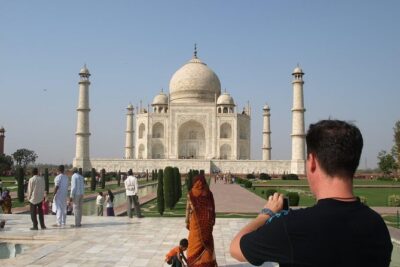
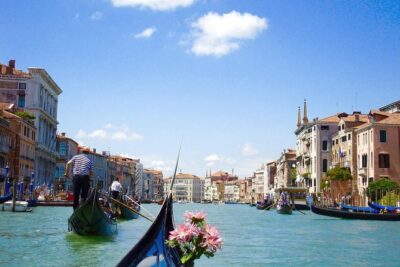
Venice Day Trip from Rome by High-Speed Train with Happy Hour
Read our review →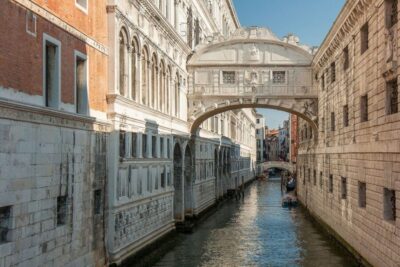

“Taj Mahal” Tour from Delhi by India’s Fastest Train (Gatiman Express)
Read our review →
Rome to Florence: High-Speed Train Day Trip with Guided City Tour
Read our review →Lists this ride appears on