

Review · VIETNAM
From Hanoi: 2-Day 2-Night Sapa Tour by Overnight Train
The most memorable part of this trip is the change from Hanoi’s city streets to Sapa’s steep rice terraces and mountain villages, reached by an overnight train rather than a long daytime ride. I like the local village treks and the chance to learn about H’mong and Dzay life from a local guide. I also like returning to Hanoi by day, when you can watch northern Vietnam pass by.
The main catch is the pace. You arrive early, start the first walk after breakfast, and face a longer trek on the second day. The train may be cozy, but it can also be noisy, and the ride back to Hanoi takes about six hours.
Key points to know before booking
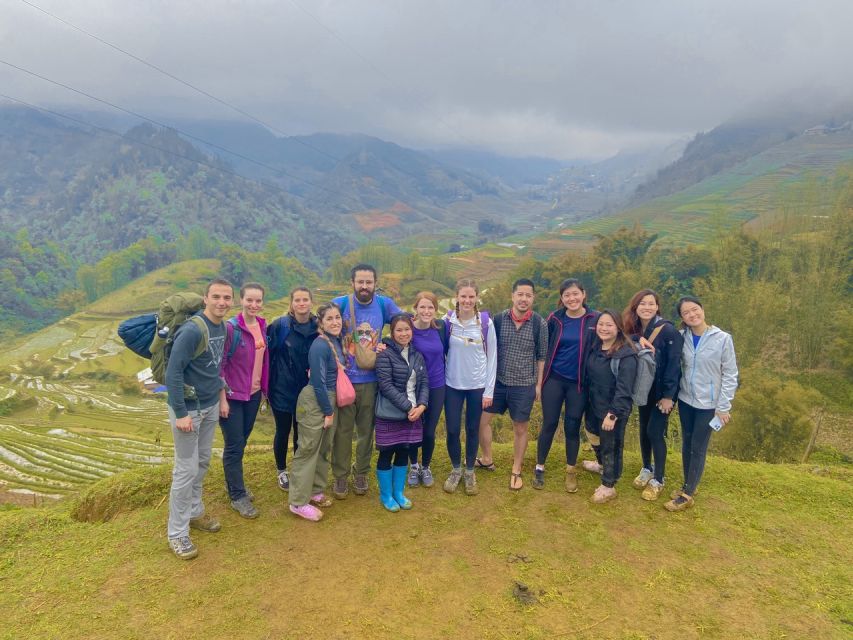
- The overnight train saves daylight: You travel from Hanoi to Lao Cai at night, then reach Sapa early in the morning.
- Sin Chai is a quieter first walk: This Black H’mong village offers a simple introduction to mountain life without using your entire first day.
- The second trek is the big one: Y Linh Ho, Lao Chai, and Ta Van bring rice terraces, village paths, and the most impressive scenery.
- Guides make the difference: Ai, Sung, and Zua have been praised for their warmth, cultural knowledge, and care on muddy paths.
- Pack for sudden weather changes: Warm clothing, shoes with firm grip, and waterproof gear matter, especially in December or during rain.
- The return ride is not a train: You go back to Hanoi by shared limousine-style vehicle, arriving around 8 to 9 PM.
Why the Hanoi to Sapa route works well

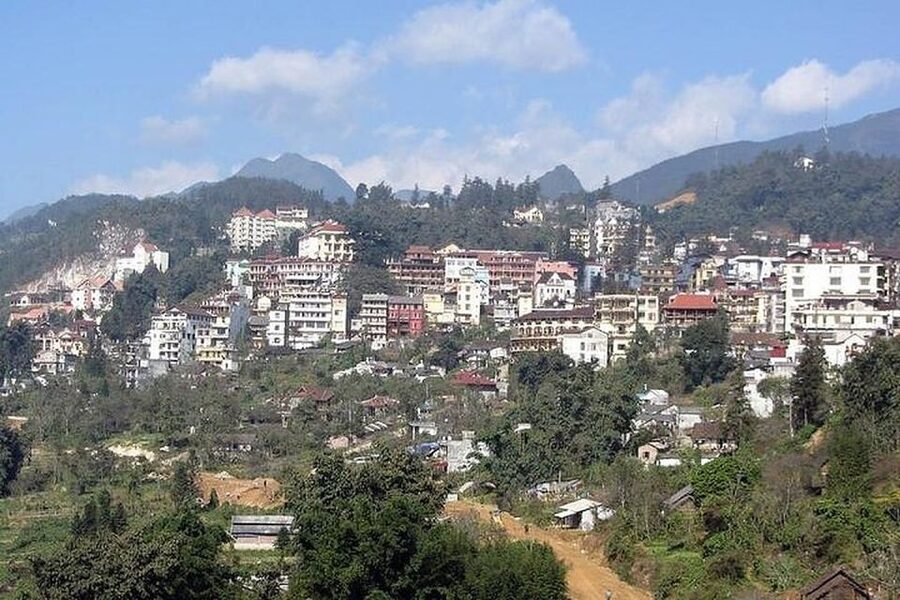
Sapa sits high in northern Vietnam, close to the Lao Cai border area. Reaching it by overnight train gives you a useful mix of transport and sightseeing. You leave Hanoi at about 10 PM, sleep, or at least rest, and arrive in Lao Cai around 6 AM. From there, a shared minivan takes you up to Sapa.
That timing saves you from spending a full day on the road. It also gives the trip a little old-fashioned travel charm. The train uses a shared air-conditioned four-bed cabin, with bedding provided. Water and small snacks may be available, but pack your own essentials because this is still a working overnight train, not a luxury sleeper.
Noise is the biggest unknown. Some departures are comfortable enough for a decent night, while others involve frequent stops and little sleep. If you need quiet to rest, bring earplugs and keep your expectations modest. Couples can pay extra for a private four-person compartment, and some departures may offer smaller cabins, though those options need to be arranged separately.
If your hotel is in Hanoi’s Old Quarter, staff arrange a taxi to the railway station around 9 PM. If you stay elsewhere, you need to reach Hanoi Railway Station at 120 Le Duẩn Street yourself. Treat that instruction seriously. A missed train would be a poor start to a mountain trip.
More Sleeper Trains in Vietnam
- Sapa: 3-Day, 3-Night Trek and Hotel with Overnight Train
★ 4.2 · 64 reviews - From Hanoi: Sapa Hill Tribes 2-Day Tour by Overnight Train
★ 4.4 · 62 reviews - Sa Pa Trekking 2 Days 3 Nights Homestay by Night Train
★ 4.5 · 11 reviews
Arriving in Sapa after the overnight train
You meet your guide at Lao Cai station and ride up to Sapa, usually arriving around 6 AM. The first practical stop is your hotel, where you leave your luggage and have breakfast.
Your room is normally available from 2 PM. That matters after a night on the train. An early check-in can be added, and I consider it worthwhile if you want a hot shower and a short rest before walking. Without early check-in, you may have breakfast, leave your bags, and head out without access to your room.
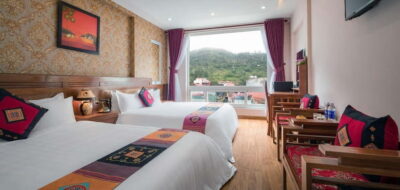
The hotel is a three-star property for one night. Facilities and exact location can vary, but the accommodation has been described as clean, spacious, and well placed. Heating is useful in the cooler months. One small warning: Sapa buildings can feel cold in winter, including dining rooms and reception areas, so bring a warm layer even if your room is comfortable.
Breakfast is included, as are lunch and dinner on the first day. The meals provide convenience, though the quality can vary. Breakfast has generally been a strong point, while lunch and dinner may feel plain or repetitive. You should budget for drinks and any food not listed in the schedule.
Sin Chai village and the first four-kilometer walk
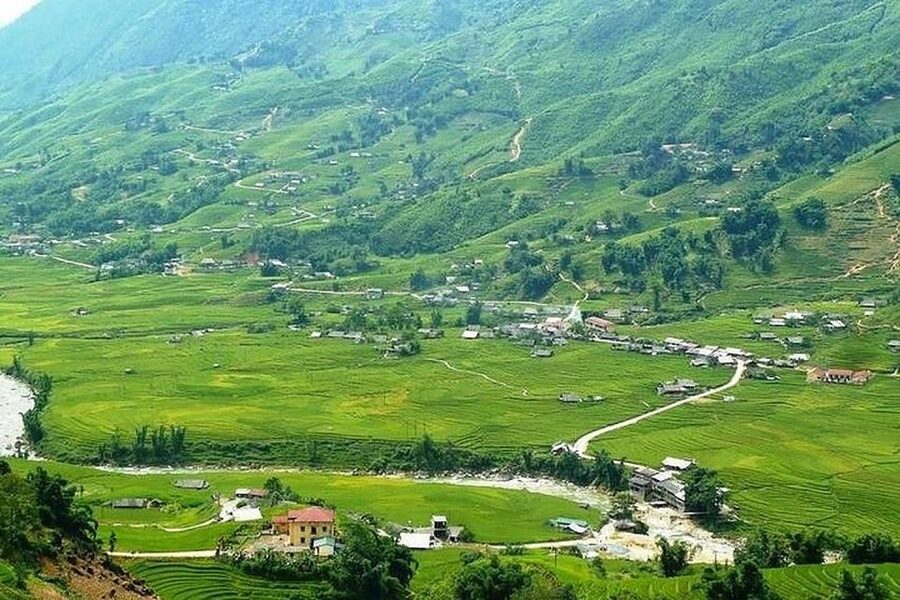
After breakfast, you walk roughly four kilometers southwest from Sapa toward Sin Chai, a village associated with the Black H’mong people. It is close enough to town for a gentle introduction, yet far enough to feel more rural than central Sapa.
Sin Chai is known here for its straightforward village setting and traditional highland way of life. The value is not a long list of monuments. It is the chance to walk through a lived-in place, see the setting around the homes, and hear about local customs from your guide.
This first walk is shorter than the following day, but it is not a paved city stroll. Paths can become slippery after rain. Support from local women may be offered along the route, sometimes followed by pressure to buy handmade goods or pay for assistance. The operator advises you to stay with your guide and ignore high prices or unwanted sales pitches.
That warning is useful, but the situation can feel awkward. Some local people do help with muddy or steep sections, while others may stay beside you mainly to sell items. You can be polite without buying. If someone gives you real help and you want to support them, agree on what you are buying before handing over money.
After the walk, lunch is served at a hotel restaurant. The afternoon and evening are free. You can rest, walk around Sapa, visit the old cathedral, browse the market, or look for roasted corn and baked eggs cooked beside charcoal fires. This free time is welcome because the overnight train and early start can catch up with you.
The Muong Hoa Valley trek: Y Linh Ho to Lao Chai
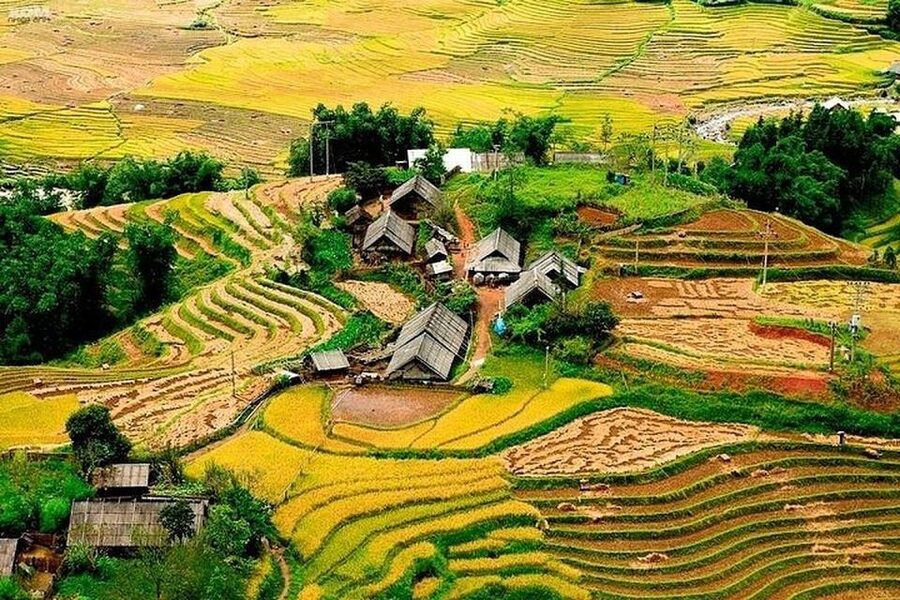
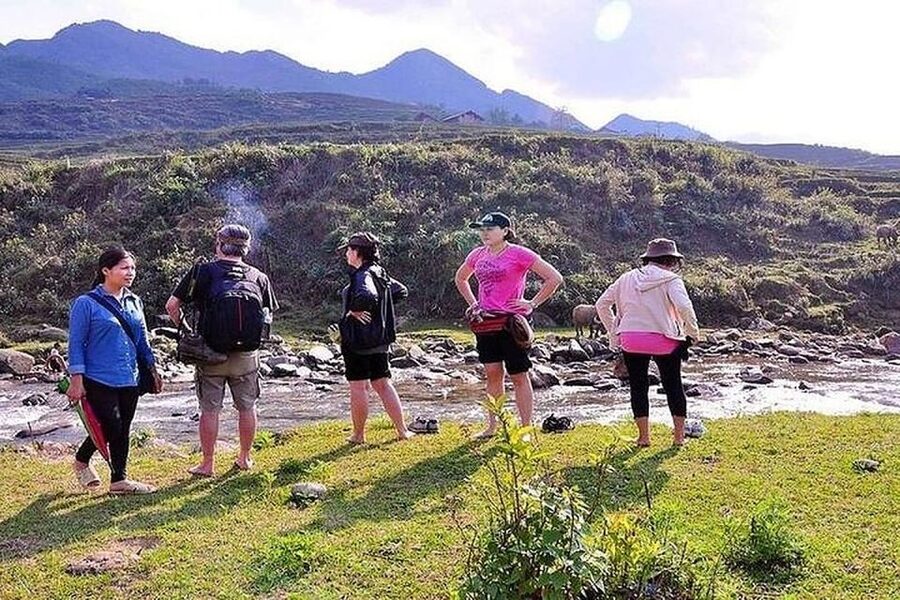
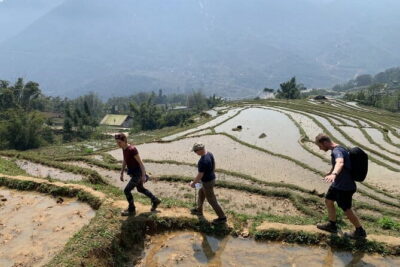
The second day is the heart of the trip. After breakfast, you walk down along the side of the Muong Hoa Valley toward Y Linh Ho, a Black H’mong village. The route continues to Lao Chai, another H’mong village, before lunch.
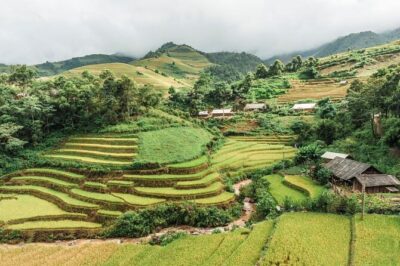
This is where the scenery becomes the main event. You see steep slopes, terraced rice fields, and mountain paths that connect villages below Sapa. The views change with the weather. Clear days offer wider mountain scenes, while mist and rain create a more enclosed, atmospheric walk.
The route requires real effort. Good shoes with firm grip are essential. In heavy rain, your guide may recommend gum boots, and you should listen. Mud can make downhill sections slippery, and crossing fields or uneven paths takes balance. This tour is not suitable for wheelchair users, pregnant women, or people with mobility impairments.
The English-speaking guides are central to the experience. Ai has been praised for helping with difficult crossings and explaining local culture in a friendly way. Sung has been described as careful, warm, and willing to share more personal insight, including a visit connected with her family. Zua has also been praised for her clear English and understanding of the natural setting and village traditions.
You may not receive one of these particular guides, but they show what to look for: someone who explains the people and places rather than simply leading you from point to point. Ask questions as you walk. The cultural details are what turn a scenic hike into a useful visit.
Same tracks, a different carriage:
- Hanoi Walking Street Food Tour with Train-Street Visit
★ 5.0 · 857 reviews - Da Nang: Hue Imperial Day Trip, Hai Van Pass Train, & Lunch
★ 4.8 · 619 reviews - Hanoi Jeep Tour: Red River Countryside+ Backstreet+ Train-street
★ 5.0 · 338 reviews - Hue Citadel tour by authentic Train via Hai Van Pass from Da Nang
★ 5.0 · 337 reviews
Lao Chai to Ta Van through the rice terraces
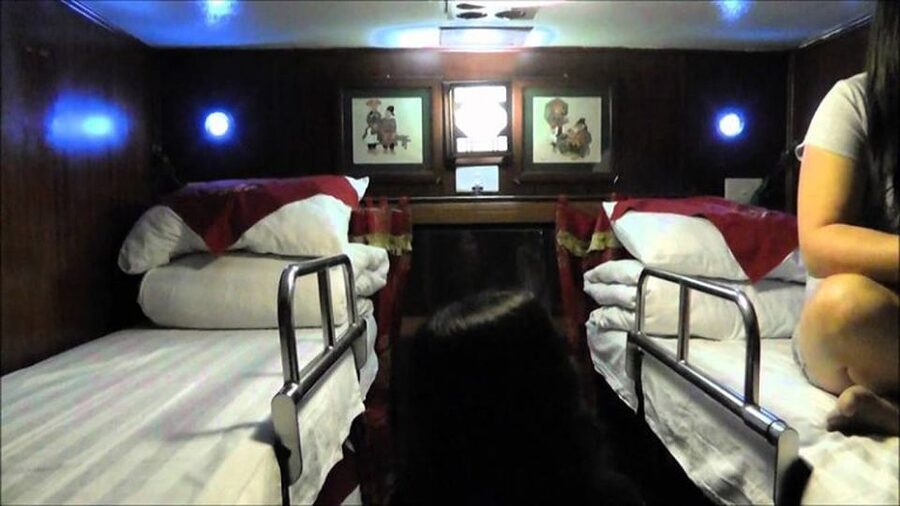
After lunch, the route continues through rice terraces and corn fields to Ta Van Village, home to the Dzay minority people. This section is often the most rewarding part of the trek because you move through open countryside rather than spending the day beside roads or shops.
Ta Van also helps you see that Sapa is not one single ethnic community. The H’mong and Dzay villages have their own customs, clothing, homes, and farming traditions. Your guide can explain those differences in a way that gives context to what you are seeing.
The village walks are more authentic than attractions built mainly for photographs. That also means conditions are basic. Paths may be wet, surfaces uneven, and facilities limited. Carry only what you need during the trek, and leave larger bags at the hotel or the tour operator’s office.
The schedule has you pack up around 2 PM and prepare for the return to Hanoi. This is an early finish to the walking, but the day is still far from over.
Returning to Hanoi by daytime limousine

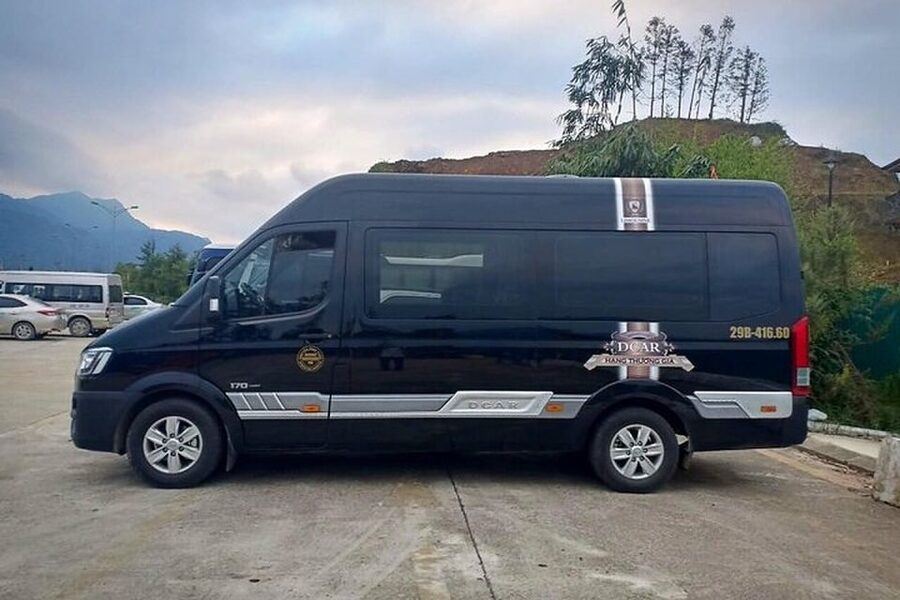
At about 2:30 PM, you leave Sapa in a shared limousine-style vehicle. Arrival in Hanoi is expected around 8 to 9 PM, depending on traffic and the route.
The return ride takes roughly six hours, so it is worth thinking of it as part of the tour rather than a quick transfer. The vehicle has been described as comfortable on some departures, but the word limousine can mean a nine-seat minibus rather than a private luxury vehicle. Transport arrangements have also occasionally caused confusion, including delays, hotel-to-hotel pickups, or vehicles that were not what passengers expected.
Communication is usually handled by the tour coordinators and guide, but instructions can be vague when drivers do not speak much English. Keep your phone charged, save the coordinator’s contact details, and ask where and when you will be collected before leaving Sapa. A little checking prevents a lot of standing around with luggage.
The daytime return does have one major benefit: you see parts of northern Vietnam that would be invisible on an overnight journey. If you compare this trip with a round-trip sleeper train, the daytime ride back gives you more scenery but less rest.
What the $168 price really covers
At $168 per person, the trip offers solid value if you want transport, guiding, meals, and lodging bundled together. The price includes:
- Shared air-conditioned four-bed train cabin from Hanoi to Lao Cai
- Shared minivan from Lao Cai to Sapa
- One night in a three-star hotel
- Two breakfasts, two lunches, and one dinner
- Entrance fees
- English-speaking guide
- Return transport from Sapa to Hanoi
You are paying for convenience as much as sightseeing. Booking train tickets, arranging the Lao Cai transfer, finding a Sapa hotel, and sorting out a guide would take time. Here, those pieces are connected in one short trip.
The value is weaker if you want complete control over your schedule, a private train cabin, or high-end accommodation. You also need extra money for drinks, unlisted meals, personal purchases, early check-in, and any private transport upgrades.
A private group is available, which may suit couples or families who want more control over walking speed and stops. The standard arrangement is shared for parts of the transport, so confirm the group setup before booking if that matters to you.
Weather, clothing, and practical preparation
Sapa weather can shift quickly. December may be cold, and rain can turn village paths into mud. Pack warm clothes even if Hanoi feels mild, and include a waterproof jacket or poncho, spare socks, and shoes with strong tread.
A useful packing list is short:
- Passport or ID card
- Warm layers
- Shoes with grip
- Rain protection
- Small day bag
- Earplugs for the train
- Cash for drinks and personal expenses
Do not bring a large suitcase on the walks. Leave it at the hotel or ask the operator where larger luggage should go. A small bag makes the village paths much easier.
Children must be accompanied by an adult, and infants sit on laps. The experience is not suitable for unaccompanied minors, wheelchair users, pregnant women, or people with mobility limitations. Alcohol and drugs are not allowed, and pets cannot join.
Cancellation is flexible up to 24 hours before departure for a full refund. You can also reserve now and pay later, which helps if your Hanoi schedule is still changing. Travel insurance is not included.
Who should book this Sapa tour?
I would choose this trip if you have limited time in northern Vietnam and want a first taste of Sapa without arranging every transfer yourself. It works especially well for people who value village walks, cultural explanation, and mountain scenery more than polished transport.
You should be comfortable with early mornings, shared transport, basic train conditions, and several hours of walking. The second trek is not a token stroll. It is the part that gives the trip its value, but it also demands the most from your legs.
I would be cautious about booking if you need a quiet night, guaranteed private transport, a fixed hotel standard, or detailed communication at every step. Ask about early check-in, cabin privacy, return transport, and the exact walking plan before paying.
FAQ
How long does the Sapa tour last?
The experience lasts about two and a half days, beginning with the overnight train from Hanoi and ending with arrival back in Hanoi around 8 to 9 PM on the second full day.
Where does the train leave from?
The train leaves from Hanoi Railway Station at 120 Le Duẩn Street at about 10 PM.
Is hotel pickup in Hanoi included?
Pickup is included for hotels in Hanoi’s Old Quarter. If your hotel is outside the Old Quarter, you need to go to Hanoi Railway Station before departure.
What type of train accommodation is included?
The included ticket is for a shared air-conditioned four-bed cabin from Hanoi to Lao Cai.
Is the return journey also by train?
No. You return from Sapa to Hanoi by a shared limousine-style vehicle, leaving around 2:30 PM and arriving around 8 to 9 PM.
What villages do you visit?
The walking program includes Sin Chai, Y Linh Ho, Lao Chai, and Ta Van. Sin Chai, Y Linh Ho, and Lao Chai are associated with Black H’mong communities, while Ta Van is associated with the Dzay people.
How much walking is involved?
The first day includes a trek of about four kilometers to Sin Chai. The second day involves a longer walk through Y Linh Ho, Lao Chai, and Ta Van, including rice terraces and uneven village paths.
Is early hotel check-in included?
No. The standard room check-in time is 2 PM. Early check-in is available as an additional option.
What meals are included?
The price includes two breakfasts, two lunches, and one dinner. Drinks, personal expenses, and meals not listed are extra.
Is the tour suitable for people with mobility limitations?
No. The tour is not suitable for wheelchair users, pregnant women, or people with mobility impairments because of the uneven and sometimes muddy trekking routes.
More Two-Day Rail Trips around Vietnam
- Sapa Trekking Tour by Night Train from Hanoi 3 Nights – 2 days
★ 5.0 · 7 reviews - 2-day Sapa Trekking & Fansipan Cable Car & Bus from Hanoi
★ 4.0 · 7 reviews - 2 days 3 Nights Sapa Trekking Tour by Night Train from Hanoi
★ 4.0 · 7 reviews - 2-Day Amazing Sapa Trek With Sleeper Train From Hanoi – Overnight At Hotel
★ 5.0 · 5 reviews
New on the timetable around Vietnam
- Saigon Railway Village Photo Tour★ 5.0 · 10 reviews
- Trekking Sapa – Bac Ha Market: Sleep on Train & Homestay★ 4.5 · 7 reviews
- Sapa Trekking Tour by Night Train from Hanoi 3 Nights – 2 days★ 5.0 · 7 reviews
- Hanoi city tour and drinking beside railway- group tour★ 4.0 · 7 reviews
- 3 Days Sapa Tour with Night Train from Hanoi★ 4.5 · 8 reviews
- Sapa 3 Days Trekking Tour ( Overnight Train + Homestay + Hotel )★ 5.0 · 4 reviews
- Sapa 2 Days 1 night By Bus/Train – Overnight in Hotel 3* With Mountain View★ 4.0 · 2 reviews
- Sapa – Bac Ha Trek Tour – Night Train & Bus & Homestay overnight★ 5.0 · 6 reviews
Other Sleeper Trains in Vietnam worth a seat
3-Day, 3-Night Trek and Hotel with Overnight Train
Read our review →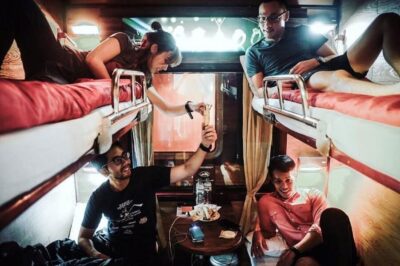
Sa Pa Trekking 2 Days 3 Nights Homestay by Night Train
Read our review →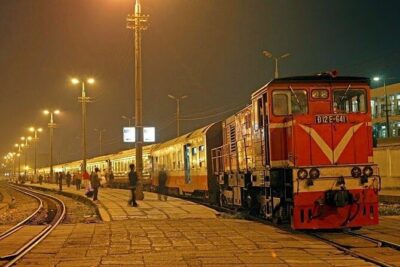
Explore Sa Pa with Overnight Train & Sleeper Bus & Trekking
Read our review →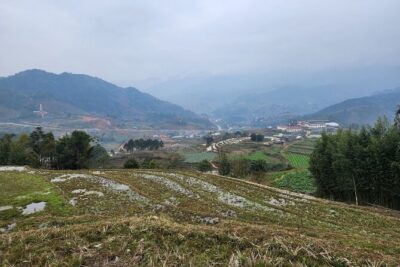
Bac Ha Trek Tour – Night Train & Bus & Homestay overnight
Read our review →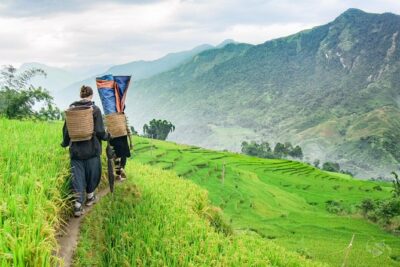
2-Day Amazing Sapa Trek With Sleeper Train From Hanoi – Overnight At Hotel
Read our review →Lists this ride appears on