
Review · VIETNAM
Saigon Railway Village Photo Tour
Saigon’s railway village is at its most photogenic just after dawn, when residents begin their day and the tracks lead you into parts of Ho Chi Minh City that many sightseeing routes skip. You start at Saigon Railway Station, work with a professional photographer, and aim your camera at the old steam locomotive before following life along the railway.
I like the small group of no more than five, because a guide can actually look at your settings and composition instead of giving a speech to a crowd. I also like the useful mix of photography and local routine: golden morning light, people waking up, trains, coffee, and a simple breakfast stop.
The main drawback is the early start. Pickup and the tour begin around 5:30 am, and the $119 price does not include food or drinks. If you want a relaxed late-morning walk, this is not your tour.
Key points to know before booking
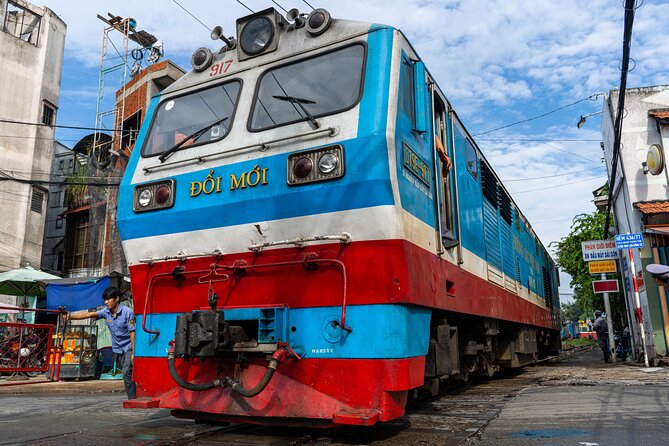
- Sunrise photography at Saigon Railway Station: Begin with camera settings, picture-story planning, and the old steam locomotive at the station entrance.
- A maximum of five people: The small format gives you more time for personal advice on angles, exposure, and composition.
- A working railway neighborhood: Photograph everyday life near the tracks rather than only visiting a famous photo stop.
- Guides with strong teaching skills: The team has included Eileen, Paul, Juan, Adrien, and Victor, with a focus on practical camera help.
- Breakfast is part of the rhythm, not the price: You may stop for coffee and noodles or banh mi, but food and drinks are not included.
- Hotel pickup is offered: Two-way transfers from central Ho Chi Minh City hotels remove the need to arrange an early morning ride yourself.
Why the railway village works so well for photography
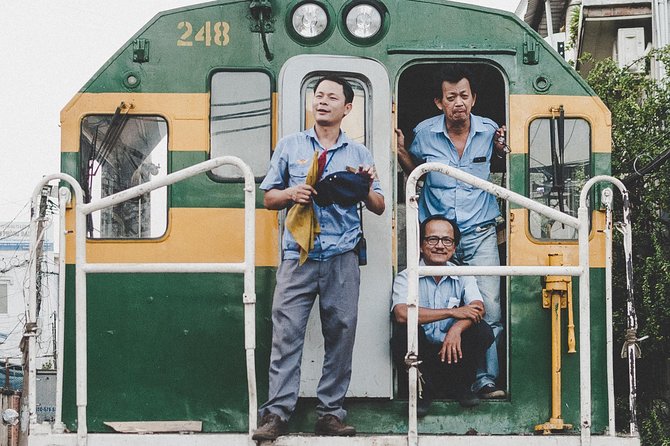
Hanoi’s Train Street gets most of the attention, but Ho Chi Minh City has its own railway setting. This tour is less about posing beside a single famous track and more about learning how to make a set of photographs from a living neighborhood.
That difference matters. A good street photograph often depends on timing, background, light, and the relationship between people and place. Here, you are not simply told where to point your camera. You learn how to watch the scene and build a picture story as the area moves from quiet morning to heavier traffic.
The railway gives your photographs a natural line. Tracks, platforms, walls, streets, and passing trains can guide the eye through the frame. Early light adds warmth, while the gradual change in activity gives you more than one mood to work with.
You should also expect ordinary scenes. Residents wake up, local traffic increases, and people go about their routines. That is the appeal. The best pictures may come from a small gesture, a person framed beside the tracks, or a changing patch of light rather than from a grand landmark.
More Photo Stops around Vietnam:
- Kamakura Tour with Pro Photographer: Anime Train & Fuji Sunset
★ 5.0 · 4 reviews - Kamakura Tour with Pro Photographer: Anime Train & Fuji view
★ 5.0 · 2 reviews
Starting at 5:30 am at Saigon Railway Station
The tour begins at Saigon Railway Station, with pickup offered from central Ho Chi Minh City hotels. The early transfer is useful because it saves you from arranging a taxi before dawn, when you may be tired and still finding your way around the city.
Your guide begins with an introduction and a review of camera settings. This is a valuable first step, especially if you are carrying a camera you have not used much in Vietnam. You can discuss the basics before the action starts, rather than trying to remember them while a good moment passes.
The guide also explains how to create a picture story. That means thinking beyond one attractive frame. You may work on a sequence that shows the station, the railway setting, local people, details, and the increase in activity through the morning.
This approach suits different experience levels. If you are new to photography, you can get help with settings and composition. If you already take photographs regularly, the picture-story idea gives you a more focused assignment than simply walking around and shooting whatever catches your eye.
The small group size helps here. With no more than five people, there is a better chance to ask about your own camera and shooting habits. The teaching is intended to be practical, not a general lecture about photography.
The old steam locomotive and the railway setting
The first subject is an old steam locomotive near the station entrance. It gives the morning a clear starting point and offers a chance to photograph a piece of Vietnam’s railway past before heading into the neighborhood.
A locomotive is an easy subject to understand, but it can also become a useful exercise. You can work on angles, framing, texture, and the relationship between the machine and the station around it. Your guide can then help you apply those ideas to less obvious subjects later in the walk.
The station area also helps you get comfortable with the group and the pace. You are not immediately pushed into a complicated street scene. Instead, you begin with a fixed subject while discussing settings and the purpose of each photograph.
Do not expect a museum visit or a long technical talk about railway history. The locomotive is used as part of the photography lesson. Its value is visual and practical: it gives you a subject with strong shapes and a link to the railway setting before the tour moves toward daily life.
Following the tracks as the neighborhood wakes
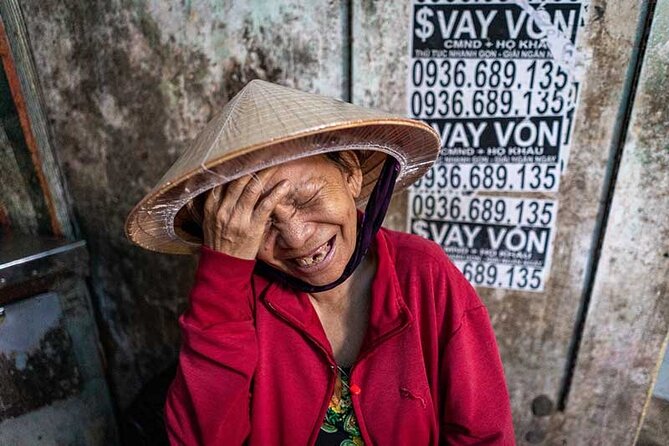
After the station introduction, the focus shifts to life near the railway tracks. This is where the tour becomes less predictable and more rewarding for someone who wants photographs with a sense of place.
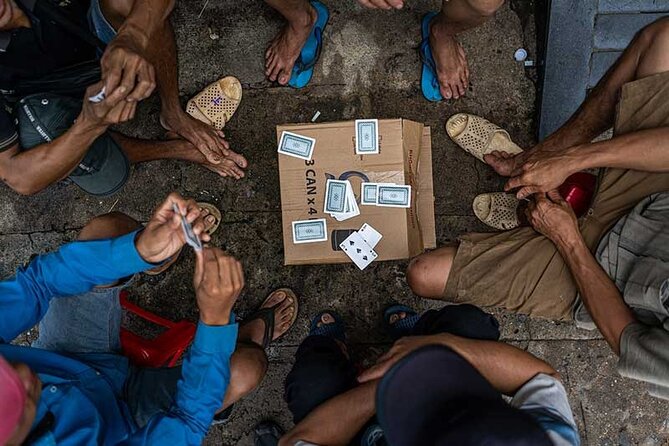
The area is described as a non-tourist neighborhood, so you are likely to spend more time observing local routines than looking for formal attractions. The guide’s job is to help you notice where the light falls, where people naturally gather, and how to wait for a useful moment without forcing the scene.
That last point is central to street photography. You may have the right camera settings and still miss the picture if you rush. A guide who understands the area can suggest good places to work and help you decide when to hold your position, change your angle, or move on.
The morning also provides a natural sequence. At first, the streets may feel quiet. As the neighborhood wakes and traffic reaches a busier point, you have a changing subject rather than a static photo stop. This gives you a chance to make different kinds of pictures during the same four-hour session.
A train may roll in during the time you are photographing. The tour is designed around railway life and train activity, but a specific train moment should not be treated as guaranteed. Weather, railway timing, and local conditions can affect what you see.
More Train Journeys around Vietnam:
- Hanoi Walking Street Food Tour with Train-Street Visit
★ 5.0 · 857 reviews - Da Nang: Hue Imperial Day Trip, Hai Van Pass Train, & Lunch
★ 4.8 · 619 reviews - Hanoi Jeep Tour: Red River Countryside+ Backstreet+ Train-street
★ 5.0 · 338 reviews - Hue Citadel tour by authentic Train via Hai Van Pass from Da Nang
★ 5.0 · 337 reviews
Learning settings, angles, and composition in real time
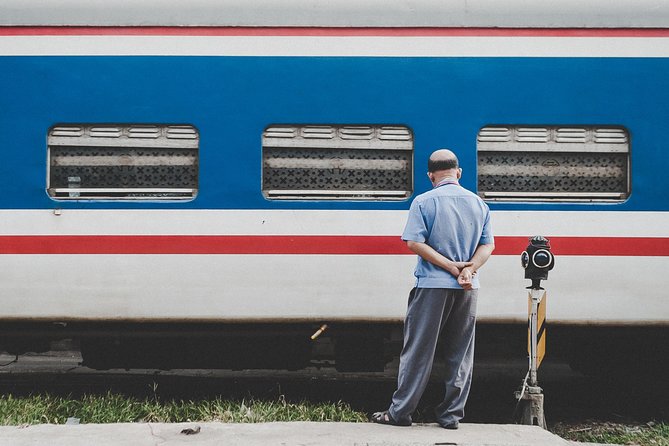
The strongest part of this experience is the chance to ask photography questions while you are standing in front of an actual subject. The guides do more than identify places to shoot. They help you work out how to photograph them.
Guide names connected with the tour include Eileen, Paul, Juan, Adrien, and Victor. The exact guide for your date is not stated, so you should not book based on a promise of a particular person. Still, the teaching style associated with the team is clear: practical instruction, advice on settings, and help finding stronger angles.
Eileen has been praised for attention to detail and composition, as well as helping photographers think about portraits. Paul has been described as especially good at showing useful shooting locations and camera settings. Juan has been noted for taking people to places they might not find alone, while Victor has been praised for taking time to understand a photographer’s skill level and style.
Adrien is also associated with patient instruction and showing interesting parts of the city. These details suggest a useful range of teaching approaches, but your results will still depend on your own camera, experience, and willingness to ask questions.
You should bring the camera you plan to use for the rest of your Vietnam trip. The value is not only in the pictures from this morning. The goal is to improve how you handle your own equipment, choose a subject, and react to changing light.
Coffee, noodles, or banh mi after the first photographs
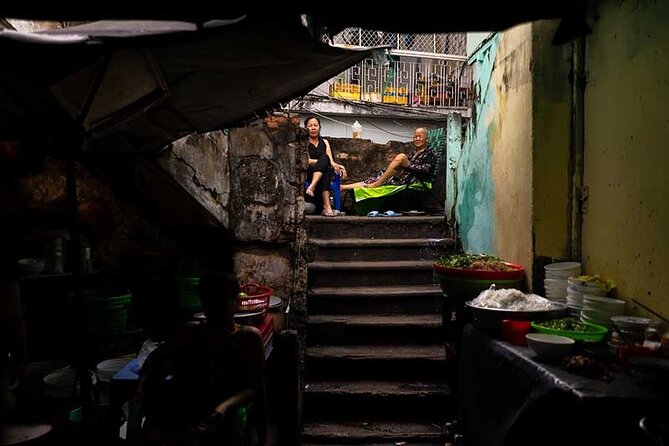
Food and drink form part of the morning experience, but there is an important price detail. The tour information describes a local breakfast of coffee and noodles or banh mi, while the inclusions state that food and drinks are not included.
Plan to pay for your own breakfast. That is not a serious disadvantage, but you should know it before you arrive. It also gives you a simple way to continue photographing local life over coffee or a quick meal without treating breakfast as a formal restaurant stop.
The food break can be useful for more than refueling. It gives you time to discuss the photographs you have taken and consider what is missing from your picture story. You may notice that you have many wide views but few details, or plenty of people but no clear sense of place.
Because the tour lasts about four hours and begins so early, a breakfast stop is a sensible part of the rhythm. If you need a full meal or have strict dietary requirements, the supplied details do not provide enough information to plan around that. Bring any needed advice to the operator before booking.
What $119 means in practical value
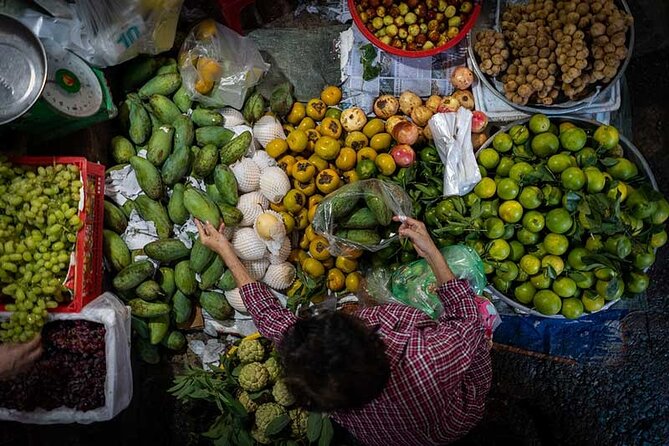
At $119 per person, this is not a cheap way to take a walk around the railway station. The price makes more sense if you want instruction, a small group, and early hotel transfers rather than simply a self-guided photo outing.
You are paying for a professional photographer guide, planning help, camera coaching, local knowledge, and the convenience of two-way transfers from central Ho Chi Minh City hotels. With a maximum of five people, the cost is easier to justify if you expect individual attention.
A solo photographer who already knows the city could spend less by arranging transport and exploring independently. The tradeoff is that you would need to find the railway area, judge where to go, manage the early logistics, and teach yourself through trial and error.
For someone learning street photography, the instruction may provide better value. One useful morning can improve how you photograph the rest of your trip, particularly if you are still unsure about exposure, composition, portraits, or choosing a strong angle.
The tour is also a better fit for people who care about photographs rather than checking off landmarks. If you only want a quick look at the railway station, $119 is hard to defend. If you want focused coaching in a small group, the price is more reasonable.
Who should book this early morning session
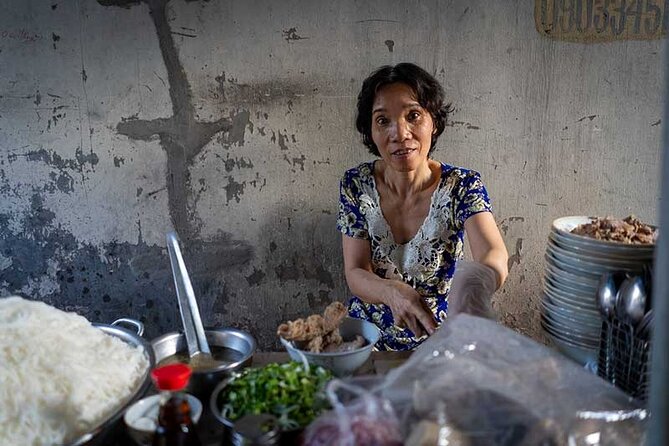
I would recommend this experience most strongly to:
- Photographers who want practical help with camera settings and composition.
- Beginners who want to improve before photographing the rest of Vietnam.
- Experienced photographers who want a clearer picture-story approach.
- People who prefer small groups and personal instruction.
- Visitors interested in local neighborhoods and ordinary morning life.
- Anyone who wants hotel pickup rather than arranging a pre-dawn ride.
You do not need to be an expert. The tour is built around adapting the lesson to your skill level and style. You should, however, be willing to wake early and work with your own camera.
This is less suitable if you dislike people-focused photography, want a guaranteed train arrival at a precise time, or prefer a slow sightseeing tour with no technical instruction. It is also not ideal if breakfast needs to be included in the ticket price.
Weather, cancellations, and group planning
The experience requires good weather. If poor weather causes cancellation, you are offered another date or a full refund. The tour also requires a minimum number of participants, so a cancellation for that reason comes with the same choice of another date or a full refund.
You can cancel for a full refund up to 24 hours before the start time. Changes or cancellations made less than 24 hours before the experience begin are not accepted for a refund, and the cutoff follows local time.
Confirmation is provided when you book. Most people can participate, and no health restrictions are listed. Pickup is offered, but the stated transfer service applies to central Ho Chi Minh City hotels, so confirm your pickup location before relying on it.
Is the Saigon Railway Village Photo Tour worth booking?
Book it if you want more than attractive snapshots. The combination of sunrise light, a working railway neighborhood, professional instruction, and a group capped at five creates a focused morning for improving your photography.
I especially like it for the start of a Vietnam trip. Advice on settings, angles, portraits, and picture stories can help you make better photographs in later cities, not just around the railway.
Think twice if the early start feels punishing or if you are mainly looking for a low-cost sightseeing walk. At $119, this is a specialist experience. For a photographer who values personal coaching and local access, it offers solid value. For everyone else, the price may be better spent on a simpler city tour.
FAQ
What time does the tour start?
The tour starts at 5:30 am.
How long does the experience last?
It lasts approximately four hours.
Where does the tour begin?
The tour begins at Saigon Railway Station. Pickup is offered from central Ho Chi Minh City hotels.
How many people can join the tour?
The activity has a maximum of five participants.
Is food included in the price?
No. Food and drinks are not included. The morning may include coffee and noodles or banh mi, which you pay for separately.
What happens if bad weather cancels the tour?
You will be offered a different date or a full refund. The same choice applies if the minimum number of participants is not met.
New on the timetable around Vietnam
- Trekking Sapa – Bac Ha Market: Sleep on Train & Homestay★ 4.5 · 7 reviews
- Hanoi city tour and drinking beside railway- group tour★ 4.0 · 7 reviews
- Sapa Trekking Tour by Night Train from Hanoi 3 Nights – 2 days★ 5.0 · 7 reviews
- 3 Days Sapa Tour with Night Train from Hanoi★ 4.5 · 8 reviews
- Sapa 3 Days Trekking Tour ( Overnight Train + Homestay + Hotel )★ 5.0 · 4 reviews
- Sapa 2 Days 1 night By Bus/Train – Overnight in Hotel 3* With Mountain View★ 4.0 · 2 reviews
- Sapa – Bac Ha Trek Tour – Night Train & Bus & Homestay overnight★ 5.0 · 6 reviews
- Private Overnight Train Hanoi To Sapa Or Return★ 3.5 · 10 reviews
Other Vietnam Train Journeys worth a seat

Hanoi Walking Street Food Tour with Train-Street Visit
Read our review →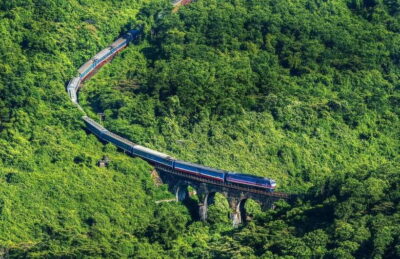
Hue Imperial Day Trip, Hai Van Pass Train, & Lunch
Read our review →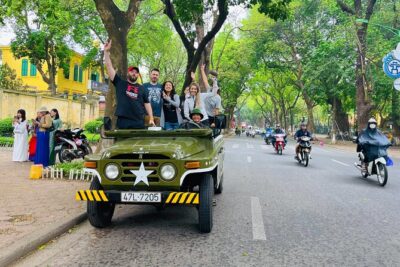
Hanoi Jeep Tour: Red River Countryside+ Backstreet+ Train-street
Read our review →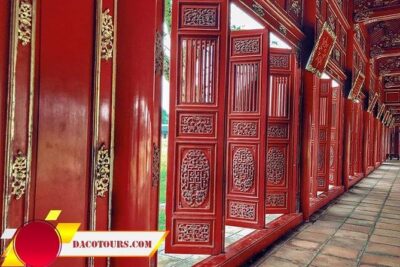
Hue Citadel tour by authentic Train via Hai Van Pass from Da Nang
Read our review →
3-Day, 3-Night Trek and Hotel with Overnight Train
Read our review →
Sa Pa Trekking 2 Days 3 Nights Homestay by Night Train
Read our review →Lists this ride appears on