
Review · GERMANY
Potsdam Bike Tour with Rail Transport from Berlin
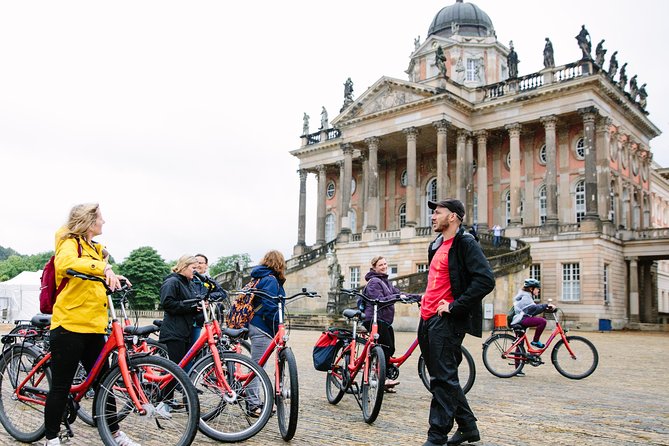
Potsdam packs Prussian palaces, Cold War drama, royal gardens, and a pleasant riverside ride into one long day. This tour gets you there by train from central Berlin, then uses a bicycle to connect places that are too spread out for a comfortable walk. Sanssouci Palace, Cecilienhof, and Glienicke Bridge give the day its strongest historical moments.
I like the easy cruiser bikes and mostly gentle pace, which make the 17-kilometer route manageable for ordinary cyclists. I also like the guides’ storytelling, especially the personal touch brought by guides such as Simon, Maggi, Nick, and Peter. The main drawback is time: six and a half hours is a serious part of your Berlin visit, and the ride can feel long if you are not used to cycling.
Key points to know before you book
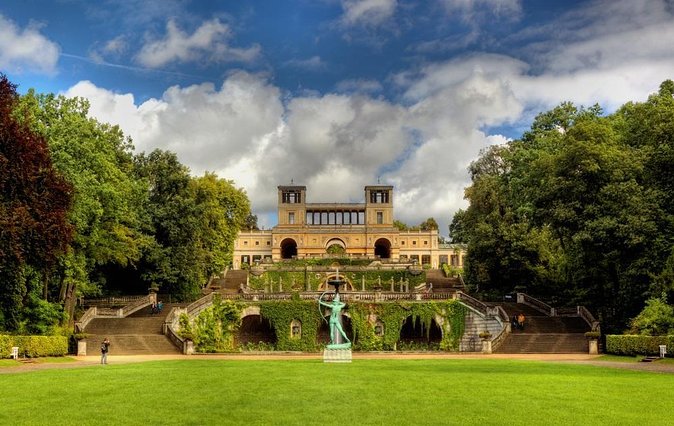
- A full Potsdam overview by bike: Cover royal parks, the old town, the Dutch Quarter, Russian colony, Havel River, and former border zones in one outing.
- Train transport is included: Meet near the TV Tower at Alexanderplatz, then ride together to Potsdam.
- The route is about 17 kilometers: It is described as leisurely and fairly flat, but you still need moderate physical fitness.
- Palaces are mainly exterior stops: You see Sanssouci, the New Palace, the Orangery, and Cecilienhof from outside, with historical explanations.
- Lunch is on your own: The break lasts about 45 minutes in or near the Dutch Quarter, with food and drinks not included.
- Small-group format: The maximum group size is 18, and some departures may be much smaller.
Why a bicycle makes Potsdam easier to understand
Potsdam is not one compact palace complex. Its royal buildings and parks spread across a broad area, with the old city, lakes, bridges, and former border sites farther afield. On foot, you would spend much of the day walking between sights. By bicycle, the journey itself becomes part of the tour.
You begin at Unlimited Biking, formerly Fat Tire Tours, at Panoramastraße 1A near Alexanderplatz. The meeting point is easy to reach by public transport and sits beside one of Berlin’s main central squares. The listed start time is 9:30 a.m., so arrive ready to meet the guide, join the group, and get fitted for a city-cruiser bike.
The included train ride takes you from Berlin to Potsdam. That small piece of logistics matters. You do not need to work out the correct train, buy separate rail tickets, or figure out how to carry a bike through the system. The guide leads the group through the transition, then gives a short introduction to Potsdam before the cycling begins.
The bikes are built for relaxed sightseeing rather than speed. Several riders praised the comfortable seats and easy handling. Helmets are provided but optional, so you can decide what feels right for you. One practical note: bring your own water, since food and drinks are not included.
More Train Journeys around Germany:
- Nuremberg: City Tour with the Bimmelbahn Train
★ 4.4 · 2,475 reviews - Würzburg: City Tour with the Bimmelbahn Train
★ 4.4 · 1,322 reviews - Regensburg: City Tour with the Bimmelbahn Train
★ 4.3 · 1,010 reviews
Sanssouci and the royal parks
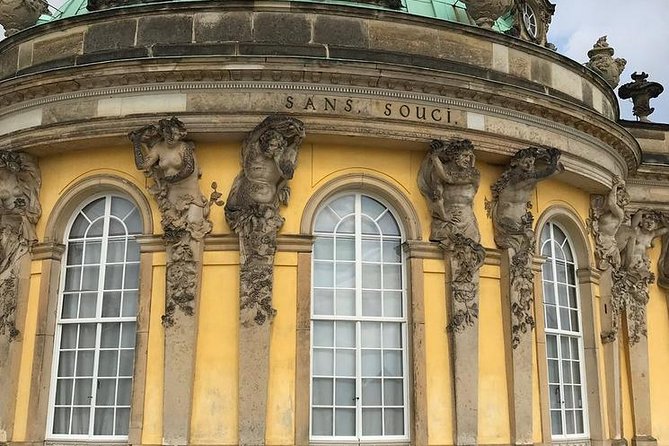
The first major part of the route centers on Sanssouci Park and the royal buildings connected with Frederick the Great. You see Sanssouci Palace from outside and hear about the early life of the Prussian king. The stop is brief, about 15 minutes, so this is a photo and orientation stop, not a palace visit.
That distinction matters. The tour gives you the setting, architecture, and story, but admission to the interiors is not part of the experience. If the rooms of Sanssouci are high on your list, you would need to arrange a separate visit.
From there, the ride moves through the park toward the Orangery and its formal gardens. You may also pass the historic windmill and rebuilt mill area, both useful reminders that Sanssouci was not simply a single palace. It was a large royal retreat with gardens, working features, grand buildings, and carefully planned views.
The Chinese House offers another change of mood. Frederick the Great commissioned this garden pavilion as an exotic decoration for the park. You stop for photographs and a short explanation, rather than an extended interior visit.
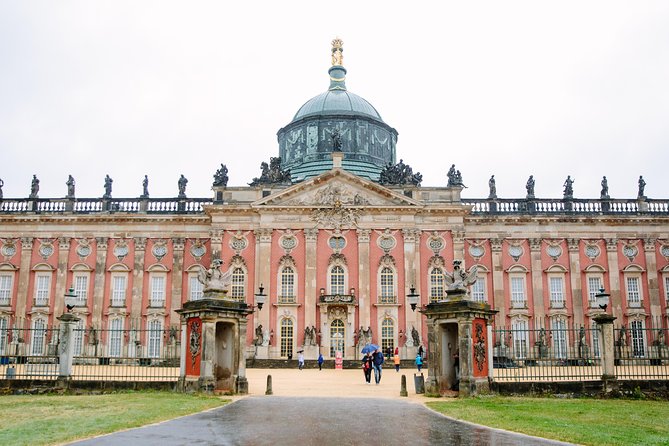
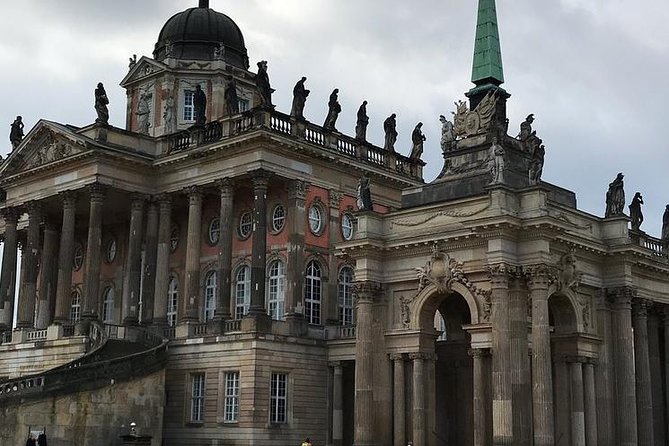
The New Palace is one of the route’s most impressive exterior sights. Frederick the Great built it after Prussia’s victory in the Seven Years’ War, and its size and theatrical design were meant to send a clear political message. You get around ten minutes here, enough to take in the scale and hear why the building mattered.
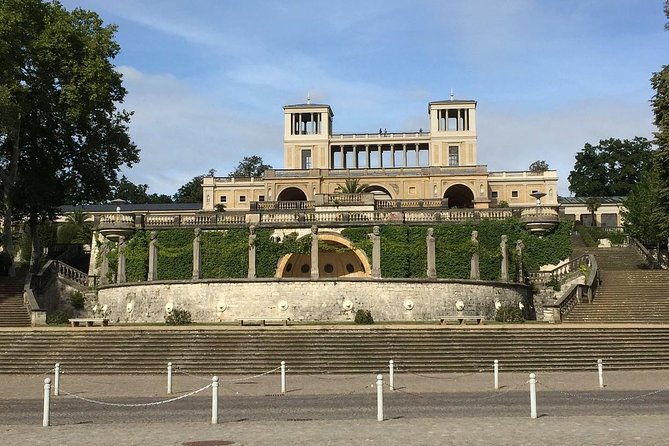
The Orangery Palace adds a later chapter. Built under Frederick William IV, it reflects the 19th-century taste for romantic royal architecture and includes a greenhouse designed for plants such as oranges and lemons. The route also passes gates including Jägertor and Nauener Tor, giving you a sense of how Potsdam was shaped both as a royal residence and a military town.
Cecilienhof and Potsdam’s 20th-century story
Potsdam is not only about Frederick the Great. The stop at Cecilienhof shifts the subject from Prussian kings to the postwar division of Germany.
You view the palace from outside, where Truman, Stalin, and Churchill met in 1945 to discuss the future of Germany. The Potsdam Agreement helped set the terms for the country’s postwar administration and eventual division. The building is visually different from the grand Baroque palaces, with an English country-house style that makes it easy to recognize.
The itinerary allows about ten minutes here. That is enough for a look and a concise explanation, but not a full museum visit. Admission is not included. If you want to study the conference rooms and documents in detail, plan another visit on your own.
The route then reaches Glienicke Bridge, one of the day’s strongest stops for Cold War history. The bridge linked Potsdam and West Berlin and became famous for the exchange of captured spies, including Rudolf Abel and Gary Powers in 1962. You hear the story at the actual crossing, not merely in a museum setting.
This is one reason I find the bicycle format useful. The tour links royal power, wartime politics, and the Cold War in a single physical journey. You are not just moving between unrelated attractions. The roads, parks, bridges, and former border zones show how Potsdam’s role changed across centuries.
The old town, Dutch Quarter, and lunch break
The ride continues through Potsdam’s central area, including the Brandenburg Gate, Luisenplatz, the Old Market Square, St. Nicholas Church, the Obelisk, and the Old Town Hall.
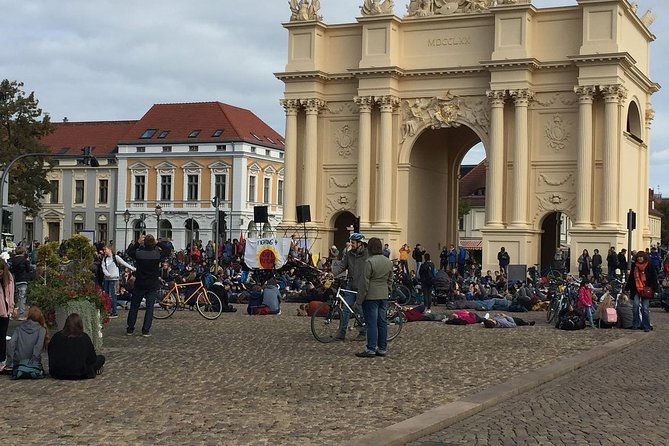
Potsdam’s Brandenburg Gate is smaller and older-looking than Berlin’s famous gate, and the guide uses it to explain the city’s role as a garrison town and the early growth of Prussia’s army. At the Old Market Square, you hear about the Prussian royal family and the buildings around St. Nicholas Church, which form the historic center of the city.
The Old Town Hall and nearby buildings add another layer of architecture. One building is modeled on Rome’s Palazzo Barberini and now holds part of Hasso Plattner’s private collection. These short stops are not designed for long indoor visits. Their value comes from seeing how the civic center fits between the palace zones and the modern city.
Lunch comes in the Dutch Quarter, with roughly 45 minutes set aside. The quarter was built under Frederick William I to attract Dutch craftsmen, including stone workers and linen weavers. Its red-brick houses give this part of Potsdam a distinct look, and much of the area survived the war.
You choose and pay for your own meal. That gives you freedom, but it also means the break is not a fixed group lunch with a set menu. One useful suggestion is to ask the guide for specific restaurant ideas at the start of the break. With only 45 minutes, you do not want to spend the entire pause wandering from door to door.
The lunch stop also gives you a chance to walk without the group for a short time. If you have been cycling since the morning, a relaxed meal and a few minutes off the bike can make the second half more enjoyable.
Same tracks, a different carriage:
- Dachau Concentration Camp Memorial Tour with Train from Munich
★ 4.5 · 955 reviews - Guided Dachau Concentration Camp Memorial Site Tour with Train from Munich
★ 5.0 · 920 reviews - Nuremberg: Nuclear Bunker in Main Railway Station
★ 4.7 · 262 reviews - Private Sachsenhausen Concentration Camp tour with train
★ 5.0 · 205 reviews
Russian homes, lakes, and the former border
After the old town, the route reaches the Russian colony Alexandrowka. The settlement was created in the 1820s on royal orders and reflects Potsdam’s connections with Russia. The wooden houses and village-like layout contrast sharply with the palace avenues and formal gardens.
The ride also follows parts of the Havel River and Jungfernsee, or Virgin Lake. These stretches provide a quieter side of Potsdam, with water, parks, and open views replacing palace façades and city streets. The route is generally described as flat and relaxed, though conditions can vary with crowds and the day’s weather.
You also cycle along the former Berlin Wall zone in Potsdam. The guide points out the old No Man’s Land and Death Strip, helping you picture the border as a controlled space rather than just a line on a modern map.
This section adds real weight to the excursion. You move from royal gardens to a divided city, then continue toward the bridge where spy exchanges took place. The subject matter is serious, but the ride keeps the day from feeling like a sequence of indoor historical sites.
Pace, group size, and guide quality
The advertised maximum is 18 people. That is small enough for a guide to keep an eye on the group, especially at crossings and after stops. The actual group can be smaller, and the tour has operated with only a couple of participants rather than being cancelled.
The guides are a major part of the experience. Simon is praised for a relaxed style and for including LGBTQ+ history connected with Frederick the Great. Maggi is noted for keeping the group together, checking that everyone was ready before moving on, and adjusting to different cycling abilities. Marco, Nick, Peter, Alicia, Thor, Bindi, Alex, Jeff, and Brett are also named as guides who brought strong storytelling and a friendly manner.
That range of names suggests a varied guiding team, so your exact experience will depend partly on who leads your departure. The consistent strength is the format: short stops, clear historical context, and time to take photographs before moving on.
You should still be honest about your fitness. The cycling is not presented as a race, and several riders describe it as casual or leisurely. But the ride covers about 10.5 miles over roughly four and a half hours, with the train journey and stops added around it. You need to be comfortable riding for much of a day.
Crowded streets and paths can slow the group. You may also find that the brief stops leave you wanting more time at a palace or museum. That is the trade-off for seeing so much ground in one outing.
Is the $102.58 price good value?
At $102.58 per person, the price is not simply paying for a bike rental. It includes the train to Potsdam and back, a city-cruiser bike, an English-speaking guide, and an optional helmet. You also get a planned route that connects sites spread across the city and surrounding parks.
I consider that a fair price if you want structure and historical explanation. Buying train tickets, renting a bike, planning a route, and finding each palace district independently would take time, especially on a first visit. The guide also handles the transitions between transport, cycling, and sightseeing.
The value is lower if you mainly want to enter Sanssouci Palace or Cecilienhof. Interior admission is not generally included, and the tour spends more time covering many sites than studying one building in depth. Think of it as a broad Potsdam orientation with a strong historical narrative, not a palace interiors tour.
The high rating of 4.7 from 81 ratings, with 94 percent recommending it, fits the tour’s main strengths: route planning, guide quality, comfortable bikes, and a good mix of nature and history. It should appeal especially to first-time visitors who want to understand Potsdam as a whole.
Who should book this Potsdam bike tour?
I would choose this tour if you want to see a lot in one day and enjoy learning while moving. It suits couples, families with active teenagers, and anyone who finds a long walking tour less appealing. The mostly flat route also helps, though you should not confuse flat with effortless.
You may prefer another plan if you dislike cycling, want extended palace visits, or need a slow schedule with plenty of indoor time. The day is active, the lunch break is self-directed, and many stops last only five to 15 minutes.
Book with weather in mind. One departure continued in morning drizzle and still worked well, but a dry day will make the parks, lakes, and outdoor stops more pleasant. Since the tour is often booked well ahead, planning roughly 37 days in advance is sensible if your dates are fixed.
Free cancellation is available up to 24 hours before the start time. The meeting point is near public transport at Alexanderplatz, and the tour returns there at the end.
My verdict: a strong day trip for active history fans
I recommend this tour if you want Potsdam’s big picture: Prussian palaces, royal gardens, the Dutch Quarter, Russian homes, the Potsdam Conference, the Bridge of Spies, and the former Berlin Wall zone. The bicycle keeps the day moving and makes the city’s wide layout manageable.
The best reason to book is the combination of places that would be awkward to connect alone. The main caution is the pace and length. You will not linger inside every palace, and the 17-kilometer ride requires steady energy.
For a first visit to Potsdam, especially if your interests include royal architecture and 20th-century German history, this is a well-planned and good-value choice.
FAQ
Where does the Potsdam bike tour start?
It starts at Unlimited Biking, formerly Fat Tire Tours, at Panoramastraße 1A, 10178 Berlin, near the entrance to the TV Tower in Alexanderplatz.
What time does the tour begin?
The listed start time is 9:30 a.m.
How long does the experience last?
The tour lasts approximately six hours and 30 minutes, including train transport, cycling, sightseeing stops, and the lunch break.
How far do you cycle?
The ride covers approximately 10.5 miles, or 17 kilometers, over about four and a half hours.
Is train transport included?
Yes. Rail transportation to and from Potsdam is included in the tour price.
Is lunch included?
No. You have time to eat in the Dutch Quarter, but food and drinks are at your own expense.
Are palace entry tickets included?
The tour mainly views the palaces from outside. Admission tickets for interior visits are not generally included.
New on the timetable around Germany
- City tour through Nuremberg with the little train – Christmas tour★ 4.0 · 23 reviews
- Salzburg History & Food Private Tour with Munich train add-on★ 4.5 · 24 reviews
- Take the U Train: An Audio Story of Berlin’s Oldest Elevated Railway Line★ 4.0 · 2 reviews
- From Berlin to Sachsenhausen Camp: Private Tour by Car or Train★ 5.0 · 3 reviews
- Stuttgart: Curling rail rental★ 3.3 · 9 reviews
- City tour through Regensburg with the little train★ 4.0 · 67 reviews
- Herrenchiemsee Palace and Fraueninsel Rail Trip from Munich★ 4.5 · 97 reviews
- Private Sachsenhausen Concentration Camp tour with train★ 5.0 · 205 reviews
Other Germany Train Journeys worth a seat
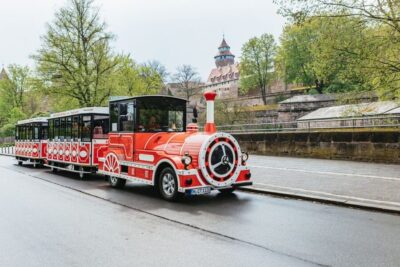
Herrenchiemsee Palace and Fraueninsel Rail Trip from Munich
Read our review →
City tour through Regensburg with the little train
Read our review →
Salzburg History & Food Private Tour with Munich train add-on
Read our review →
City tour through Nuremberg with the little train – Christmas tour
Read our review →
Lists this ride appears on