
Review · GERMANY
Private Sachsenhausen Concentration Camp tour with train
Sachsenhausen is not a sightseeing stop you simply check off. It is a place of forced labor, calculated cruelty, mass imprisonment, and remembrance. This private tour takes you from Berlin to Oranienburg by train, then through the former camp with a guide who can explain the site in human terms and adjust the pace to your questions.
I like the private format, which gives you room to ask difficult questions and pause when the material becomes heavy. I also like the way the tour begins in Oranienburg, a town tied to the camp through local industry and forced labor, rather than treating Sachsenhausen as an isolated historical site.
The main drawback is physical and financial. At $338.15 per person, this is a costly outing, and the day can involve 11,000 to 16,000 steps over uneven ground. You are paying for personal guidance and door-to-door help, not for a private car.
Key points to know before booking
- Sachsenhausen is a place of remembrance, not entertainment: Expect a serious, emotionally demanding visit.
- The train ride is part of the experience: You travel like a local from Berlin to Oranienburg, then continue on foot or by local transport.
- Private guiding makes a difference: Guides including Martin, Ioana, Klaus, Maria, Paul, Daniel, and Natalie have been praised for context, patience, and personal attention.
- Plan for a long walking day: Comfortable shoes, water, and food matter because amenities are limited.
- The tour covers two eras of imprisonment: Nazi use of the camp is central, but the Soviet special camp after 1945 is also addressed.
- The price suits small groups best: Sharing the cost with family or friends makes the private arrangement easier to justify.
Why Sachsenhausen deserves a full day from Berlin
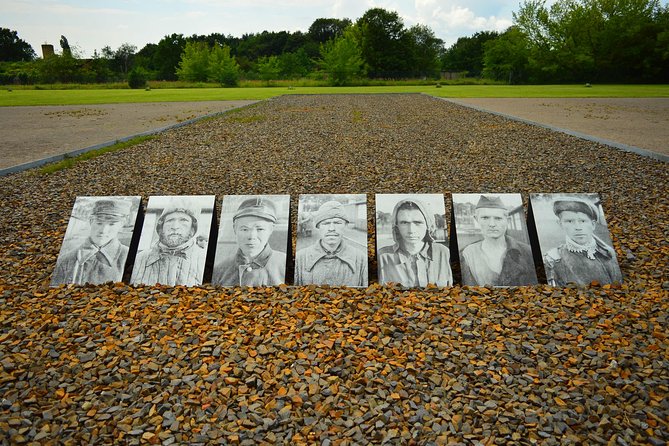
Sachsenhausen was built north of Berlin in 1936, during the period of the Berlin Olympics. The Nazis intended it to hold political enemies and used it as a model for the concentration-camp system. Around 200,000 people were imprisoned there over the following decade.
After the camp was evacuated in 1945, the Soviets used the site for another five years. About 60,000 people were held there, including Nazis and collaborators. That later chapter is easy to miss if you visit without guidance, yet it adds an important complication to the site’s story.
You will not get the full meaning of Sachsenhausen from a quick look at the gate and barracks. The layout, the roll-call area, forced-labor system, SS administration, and killing facilities all require explanation. A private guide can connect these parts and answer questions as they arise.
The subject is grim. You may find the visit emotionally draining, especially around the killing facilities and prisoner living areas. That is not a flaw in the experience, but you should approach the day with the right frame of mind.
More Train Journeys around Germany:
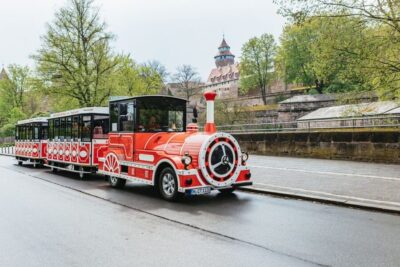
- Nuremberg: City Tour with the Bimmelbahn Train
★ 4.4 · 2,475 reviews - Würzburg: City Tour with the Bimmelbahn Train
★ 4.4 · 1,322 reviews - Regensburg: City Tour with the Bimmelbahn Train
★ 4.3 · 1,010 reviews
Starting in Oranienburg, where the camp was part of daily life
The tour normally begins with hotel pickup in Berlin. Your guide then accompanies you by public transport toward Oranienburg. The train ride is not a luxury transfer, but it offers useful context: you see the distance between Berlin and the camp and experience the same public transport system used by people living in the region.
A walk through Oranienburg adds an uncomfortable layer to the history. Local factories used prisoners as forced labor, including businesses connected with war production. The town benefited from this system, while many residents knew what was happening nearby or chose not to confront it.
You spend about 25 minutes in town. That is not long enough for an elaborate city tour, but it gives you a better sense of how the camp was tied to the surrounding community. Sachsenhausen was not sealed away from ordinary life in some remote wilderness. It operated near homes, businesses, roads, and a functioning town.
The walk from Oranienburg station to the memorial can take around 20 to 25 minutes. Some guides arrange a bus or taxi when useful. One private group used taxis from the station to reduce the walking, and another guide arranged local transport for people who would have struggled with the distance.
This is worth discussing when you book. The published experience is not recommended for people with limited mobility, and much of the route has uneven pavement. A guide may be able to adapt the route, as Natalie did for a visitor using a wheelchair, but you should not assume full accessibility.
Entering the memorial through the camp’s controlled design
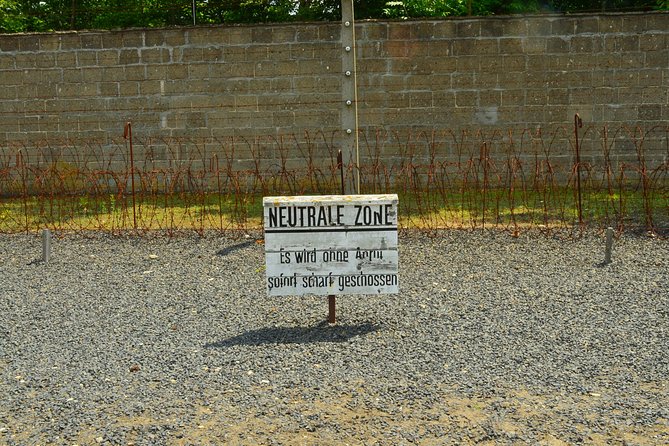
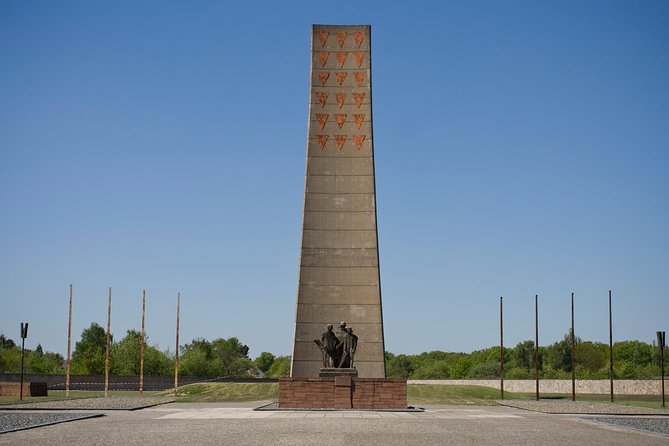
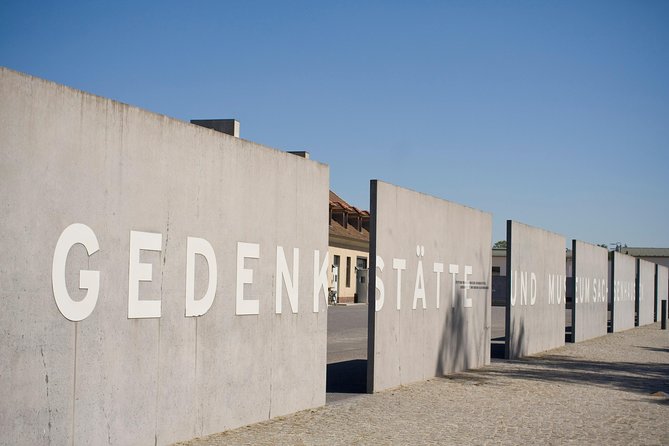
At Sachsenhausen, your guide leads you through the memorial and museum grounds. The site is large and exposed, with long distances between important areas. The tour includes about three hours at the memorial, divided between the general museum visit and the guided walk through the former camp.
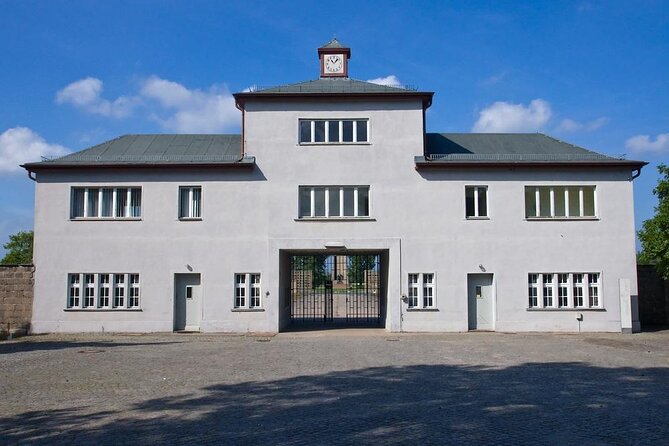
The camp’s triangular layout was designed to help the SS control prisoners. Tower A served as the main entrance, and the roll-call square was used for long, punishing formations in all kinds of weather. Your guide can explain how the architecture itself helped enforce discipline and fear.
The barracks are central to understanding daily life. Prisoners were packed into buildings designed for far fewer people, with some barracks holding roughly 700 people despite being built for 150. Forced labor was not only a way to produce goods. It was also designed to exhaust, humiliate, and break people.
Your guide should bring the history down to the level of individual lives. Several guides, including Martin, Ioana, Xavier, and Nickolai, have been praised for using survivor accounts and personal stories rather than listing dates and names. That approach matters here. Statistics show the scale of the crime, but testimony helps you grasp what imprisonment felt like.
The guided portion also covers the SS leadership, camp administration, prisoner categories, and the systems used to strip people of identity. You can ask questions throughout, which is one of the strongest reasons to choose a private visit.
Station Z and the hardest part of the visit
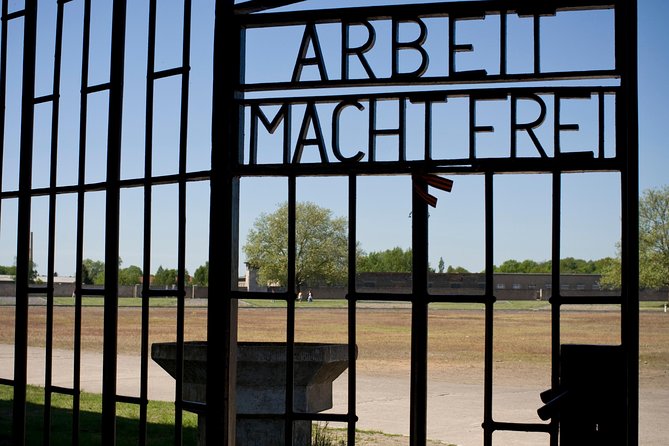
Station Z is one of the most chilling parts of Sachsenhausen. It was the killing facility and has become a key symbol of the camp’s industrial approach to murder. You may find this area particularly difficult, and a good guide will explain what happened without turning the subject into spectacle.
The tour also addresses the methods used to control and destroy prisoners through starvation, overcrowding, forced labor, punishment, and systematic dehumanization. Some guides explain how a prisoner’s value was reduced to the amount of work that person could perform.
This is where a private tour can be especially useful. You can ask for clarification, spend more time with an exhibit, or step back for a moment without worrying about a large group’s schedule. Guides such as Klaus and Chloe have been praised for knowing when to continue explaining and when to allow silence.
The museum and memorial spaces provide material for a slower visit. You may have time to look at exhibits independently, although the exact balance between guided explanation and personal exploration depends on your guide and the pace of your group.
Same tracks, a different carriage:
- Dachau Concentration Camp Memorial Tour with Train from Munich
★ 4.5 · 955 reviews - Guided Dachau Concentration Camp Memorial Site Tour with Train from Munich
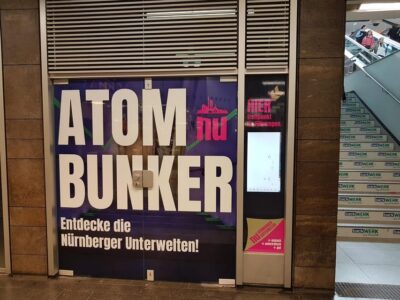
★ 5.0 · 920 reviews - Nuremberg: Nuclear Bunker in Main Railway Station
★ 4.7 · 262 reviews - Herrenchiemsee Palace and Fraueninsel Rail Trip from Munich
★ 4.5 · 97 reviews
The Soviet special camp after 1945
Sachsenhausen’s history did not end with the Nazi evacuation. From 1945 to 1950, the Soviet authorities used the camp as a special detention camp. Around 60,000 people were imprisoned there, including Nazis and Nazi collaborators.
This second period can be overlooked because the site is so strongly associated with Nazi persecution. Your guide should distinguish the two systems rather than blending them into one story. The reasons for imprisonment, the political setting, and the groups targeted were different, even though the location remained a place of confinement and suffering.
Martin is particularly associated with explaining both the Nazi era and life in communist East Germany. Other guides, including Brian Bell, have been praised for placing the camp within the wider political and social setting of Germany before and after the Second World War.
That broader framing is one of the tour’s real strengths. You are not simply shown a series of buildings. You are helped to understand how state power, propaganda, forced labor, political persecution, and public indifference worked together.
What the private guides add
The company uses licensed guides trained by the memorial authority. The guide assigned to you will vary, but the experience has included people such as Martin, Ioana, Paul, Maria, Daniel, Nickolai, Klaus, Hannah, Chloe, Natalie, Xavier, and Pip.
The strongest guiding style here is calm, prepared, and flexible. Maria has been praised for a well-paced presentation. Paul has been described as both friendly and well prepared. Daniel is noted for explaining difficult history clearly and adjusting to family groups.
Ioana has guided both last-minute bookings and longer private visits, adapting the level of detail to the person in front of her. Klaus has been praised for arriving early, helping with the day’s logistics, answering questions, and knowing when to stop talking.
You should not expect every guide to have the same personality. Some may focus more on Nazi administration, others on prisoner testimony, local history, or postwar East Germany. The private format gives you the best chance of shaping the visit around your interests.
The guides also help with the return journey. Hotel pickup and drop-off are included, and several people were met directly in hotel lobbies or at private accommodation. Confirm the meeting point and train-ticket arrangements in advance, since the tour uses public transport and some bookings have involved separate ticket handling.
Six hours, many steps, and limited amenities
The stated duration is about six hours, but the day can feel longer because of the train ride, transfers, walking, and the emotional weight of the subject. One person recorded nearly 11,000 steps, while another reached about 16,000 by the time the group returned to the hotel.
Wear sturdy, comfortable shoes. Some paths and pavement are uneven, and the walk between the station and memorial can add a surprising amount of exertion. Bring water and food, since amenities are limited for much of the day.
There are no meals included. This is not a problem if you plan ahead, but it is easy to forget when the day is built around transport and a serious guided visit. Ask your guide about the practical rhythm of the day, including when you can take a short break.
Bad weather can make the experience harder. The grounds are open and exposed, so carry suitable clothing. The site remains worthwhile in rain, but poor weather can add to the fatigue and make the visit more demanding.
Is $338.15 per person good value?
At $338.15 per person, this tour is expensive compared with joining a group at a central Berlin meeting point. The price is easier to justify if you are traveling as a small family or group and want hotel pickup, a dedicated guide, and the freedom to ask questions without a fixed group schedule.
The cost does not buy you a private vehicle. You travel by train, and the transfer to the camp may involve walking, a bus, or a taxi. That distinction is important. If you expected a chauffeur-driven day, this will feel overpriced.
You are paying for research, guiding, transport assistance, and personal attention. Guides such as Martin, Ioana, and Nickolai have been valued for explaining complex material in a clear, respectful way. That can transform a difficult visit from a confusing walk around old buildings into a structured lesson.
For a couple or family with a strong interest in Second World War history, the private format can be worth the added cost. For budget-minded visitors who are comfortable finding the memorial on their own, a group option or independent visit may make more sense.
Free cancellation is available up to 24 hours before the start time. Changes or cancellations inside that window are not refunded, so keep that deadline in mind when planning.
Who should book this Sachsenhausen tour?
Book it if you want a serious, guided visit and value the convenience of starting and ending at your hotel. It suits people who want to ask detailed questions about Nazi Germany, concentration camps, forced labor, prisoner life, or the Soviet period after the war.
It is also a good choice for families who want a guide able to adjust the tone and detail to different ages and interests. Daniel, Maria, and other guides have been praised for reading the group well and keeping difficult material clear without making the day feel mechanical.
Think twice if you have limited stamina, mobility concerns, or little interest in guided history. The walking is substantial, and the subject is painful. A taxi can reduce part of the route, but it cannot change the size of the site or the seriousness of the visit.
Final verdict: book for personal guidance, not private transport
I recommend this tour for a small group that wants context, respectful guiding, and hotel-to-hotel assistance. The best part is the human scale: you can ask a question, pause at a difficult exhibit, or spend more time on the parts that matter most to you.
I would not book it expecting a luxury transfer or a short outing. You will use public transport, walk a lot, and spend much of the day confronting hard history. If that sounds right for your Berlin visit, the private guide and careful presentation can make the price worthwhile.
FAQ
How long does the Sachsenhausen tour take?
The experience lasts approximately six hours, including transport from Berlin, time in Oranienburg, and the visit to the memorial and museum.
How do I get to Sachsenhausen from Berlin?
The tour uses public transportation, including a train to Oranienburg. From there, you may walk, take a local bus, or use a taxi depending on the route and your group’s needs.
Is hotel pickup and drop-off included?
Yes. Hotel pickup and drop-off are included, and the guide meets you at your accommodation before traveling with you to the memorial.
Is food included?
No. Food and drinks are not included. Bring water and consider packing food because amenities are limited during much of the day.
Is the tour suitable for someone with limited mobility?
The experience is not recommended for people with limited mobility or walking impairments because it involves substantial walking and uneven pavement. A guide may be able to adapt some arrangements, but you should discuss your needs before booking.
Can I cancel for a full refund?
Yes. You can cancel for a full refund up to 24 hours before the experience begins. Cancellations or changes made less than 24 hours before the start time are not refunded.
New on the timetable around Germany
- City tour through Nuremberg with the little train – Christmas tour★ 4.0 · 23 reviews
- Salzburg History & Food Private Tour with Munich train add-on★ 4.5 · 24 reviews
- Take the U Train: An Audio Story of Berlin’s Oldest Elevated Railway Line★ 4.0 · 2 reviews
- From Berlin to Sachsenhausen Camp: Private Tour by Car or Train★ 5.0 · 3 reviews
- Stuttgart: Curling rail rental★ 3.3 · 9 reviews
- City tour through Regensburg with the little train★ 4.0 · 67 reviews
- Potsdam Bike Tour with Rail Transport from Berlin★ 4.5 · 81 reviews
- Herrenchiemsee Palace and Fraueninsel Rail Trip from Munich★ 4.5 · 97 reviews
Other Germany Train Journeys worth a seat
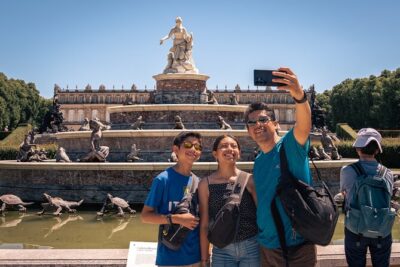
Herrenchiemsee Palace and Fraueninsel Rail Trip from Munich
Read our review →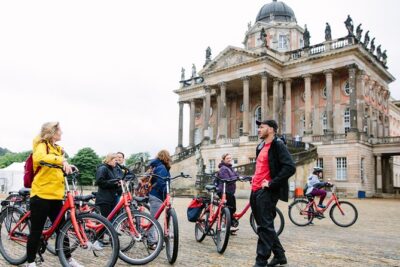
Potsdam Bike Tour with Rail Transport from Berlin
Read our review →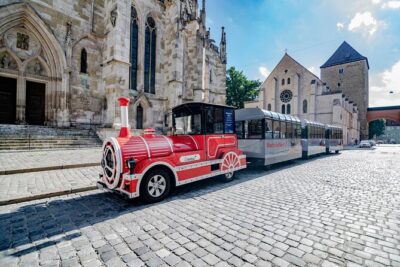
City tour through Regensburg with the little train
Read our review →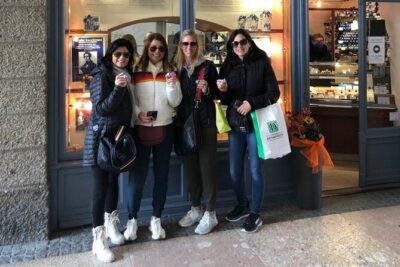
Salzburg History & Food Private Tour with Munich train add-on
Read our review →
City tour through Nuremberg with the little train – Christmas tour
Read our review →
Lists this ride appears on