
Review · BANGKOK
Train trip death railway Bridge on river Kwai from Bangkok to Kanchanaburi trip
The most powerful part of this day is not the famous bridge. It is the quick shift from Bangkok’s city streets to the quiet rows of the Kanchanaburi War Cemetery, followed by a train ride over the railway built under terrible wartime conditions. I like that the tour connects the memorial sites with the actual railway instead of treating the bridge as a stand-alone photo stop. I also like the small group limit of 10, which can make a long day easier to manage.
You should know that this is a very early start and a long road day, with pickup at 6:00 am and roughly 10 hours away from Bangkok. Transport quality may vary, too. One account praised the guide Rach, while another raised concerns about an aging minivan, an unwell guide, and a poorly handled guide change.
Key points to know before booking
- The day begins with hotel pickup at 6:00 am from the Bangkok city area, so this suits early risers more than slow starters.
- The cemetery and JEATH War Museum give the bridge context, making the visit more meaningful than a quick riverside stop.
- You walk across the River Kwai Bridge, then take a train along the Death Railway and see the countryside from the tracks.
- A buffet lunch is provided at a restaurant, with one account noting pleasant river views from the dining area.
- The group is capped at 10 people, a useful feature for a full-day outing with several stops.
- The price is $80.67 per person, including pickup, admission tickets, train travel, and lunch, according to the tour details.
Why the Death Railway is more than a bridge photo
The River Kwai Bridge is easy to recognize. It has been photographed, filmed, and turned into a familiar symbol of wartime Thailand. Yet the bridge alone tells only a small part of the story.
This tour places the bridge beside two more serious stops: the Kanchanaburi War Cemetery and the JEATH War Museum. Together, they explain that the railway was built from 1942 to 1943 by Allied prisoners of war and Asian forced laborers under Japanese direction. Thailand was aligned with Japan during that period, a point that helps explain why this railway project took place here.
I like that the experience moves from remembrance, to explanation, to the railway itself. You begin among graves, continue through museum displays, and then see the route from a train window. That sequence gives the day a clear purpose.
Still, this is not a quiet private history lesson. You are covering several places in one day, and the schedule moves quickly. The museum visit is only about 30 minutes, while the cemetery visit is about 50 minutes. If you want to read every display or spend a long time reflecting at each memorial, the pace may feel tight.
More Death Railway Trips around Bangkok:
- From Bangkok: Death Railway & Hellfire Pass Tour with Lunch
★ 4.6 · 931 reviews - Bridge on the River Kwai and Thailand-Burma Railway Tour
★ 4.5 · 658 reviews - Bridge on the River Kwai and Thailand-Burma Railway Guided Tour
★ 4.5 · 353 reviews
Leaving Bangkok at 6:00 am
The early pickup is the practical key to this trip. You are collected from your hotel in Bangkok’s city area at 6:00 am, then driven toward Kanchanaburi Province. The full experience lasts about 10 hours, with departure back toward Bangkok at 3:00 pm after lunch.
An early start helps fit the main sights into one day. It also means you avoid turning this into an overnight trip, which is useful if your Bangkok plans are limited. On the other hand, you need to be ready before breakfast and prepared for a substantial amount of time in a minivan.
The group limit is 10 people. That is smaller than a large coach tour and should make hotel pickup and stop management less cumbersome. The trade-off is that a small vehicle makes its condition more noticeable. One account specifically complained about the minivan and driver, while another praised the guide and the content of the day. I would treat the vehicle as the main practical uncertainty.
The tour offers a mobile ticket and confirmation at booking. Pickup is offered, but the supplied details specify Bangkok city-area hotels rather than every possible address. Check your hotel location carefully before paying.
Kanchanaburi War Cemetery: start with remembrance
The first scheduled stop is the Kanchanaburi War Cemetery, also called Don-Rak War Cemetery. You have about 50 minutes here, and admission is included.
This is the right place to begin because it shifts the day away from sightseeing alone. The cemetery is the main POW cemetery for people who died while imprisoned by the Japanese during construction of the Burma Railway. The neat rows and formal setting make a strong contrast with the harsh conditions connected to the railway project.
Use the time slowly. Read the names and dates you can, then leave room for quiet thought. You do not need a long lecture to understand that the bridge and railway were built at a human cost. The cemetery supplies that missing weight before you reach the more familiar tourist sights.
Because the stop is timed, you may not have as much time as you would on an independent visit. I would avoid treating it as a quick photo stop. If memorial sites matter to you, this may be the most important part of the morning.
JEATH War Museum in a compact 30 minutes
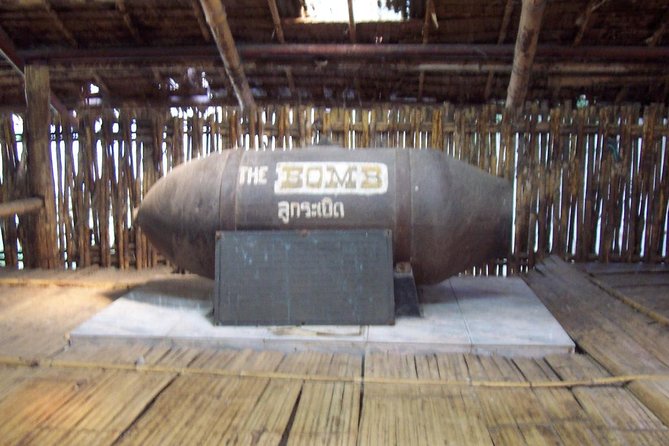
The JEATH War Museum follows at about 10:00 am, with around 30 minutes inside and admission included. It focuses on the Death Railway built from 1942 to 1943 by Allied POWs under Japanese direction, as well as the wider Thai-Burma railway project.
The museum adds facts and objects to the cemetery’s quiet atmosphere. I find this pairing useful: the cemetery gives you a place for reflection, while the museum helps explain the railway and the wartime setting.
Thirty minutes is enough for an introduction, but not a full museum study. You will need to keep moving and listen carefully to the guide. If you are especially interested in military history, you may wish the schedule allowed longer here.
This is also where guide quality matters most. A strong guide can connect the displays with the cemetery and bridge, rather than simply leading you through a room. Rach received particularly warm praise for giving plenty of information and helping make the day worthwhile. Another guide, identified in one account as OOM, was described as helpful and well informed. The guide experience may therefore depend on the group assigned that day.
More Train Journeys around Bangkok:
- Day Trip to Bangkok Floating Market & Maeklong Railway
★ 5.0 · 1,528 reviews - Bangkok: Railway and Floating Market Tour with Dragon Temple
★ 4.6 · 1,225 reviews - Private Excursion to Maeklong Railway and Floating Markets
★ 5.0 · 850 reviews - From Bangkok: Railway & Damnoen Saduak Floating Market Tour
★ 4.6 · 775 reviews
Walking across the River Kwai Bridge
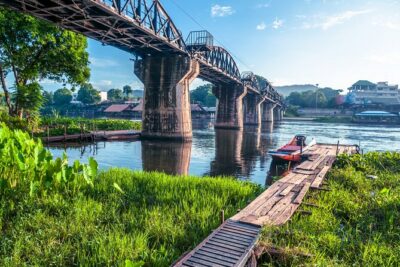
The bridge visit begins around 10:40 am. You walk along the River Kwai Bridge and have a longer block of time in the area, listed as about two hours for the bridge and related sightseeing.
This is the recognizable centerpiece, but it works best after the cemetery and museum. You can look at the steel structure, watch the river below, and understand that the tracks are part of the same railway project discussed earlier.
The bridge is active railway infrastructure, so this is not simply a fenced monument. Pay attention to your footing and follow the guide’s directions. The exact amount of free time may depend on train movements and how the group is handled.
I like the combination of walking and later riding the train. Walking lets you examine the bridge at your own pace and look along the tracks. The train gives you a moving view of the route and countryside. Together, they make the railway feel physical rather than abstract.
Do not expect the bridge area to be the most solemn stop. It is the place most likely to attract people looking for photographs. That is not a reason to skip it, but it helps to keep the memorial purpose in mind.
Riding the Death Railway through the countryside
At about 11:10 am, you board the train for a trip along the Death Railway. The ride is described as a countryside sightseeing journey, and admission is included.
This is the part that gives the tour its strongest sense of place. You are not only hearing about the railway or looking at a surviving section. You are riding on it and seeing the countryside from the tracks. The train ride also breaks up the morning’s walking and museum time.
The details provided do not specify the exact station, carriage type, or length of the train ride. Keep your expectations practical: this is a scheduled public railway experience, not a private scenic train with luxury seating. Its value is in the route and the connection to the story, not in onboard comfort.
The countryside views offer a needed change of pace after the war sites. At the same time, the scenic portion should not soften the reason the line is remembered. The railway was constructed by prisoners of war and forced Asian labor under Japanese military direction. A good guide should keep both facts present: the route is attractive, and its construction was devastating.
Lunch with river views at 1:45 pm
Lunch is provided at a restaurant at about 1:45 pm. One account described a buffet meal with pleasant views over the river.
Included lunch improves the value of a tightly scheduled day. You do not need to spend time searching for a restaurant or calculating where to eat between the train and return drive. It also gives the group a proper pause before the trip back to Bangkok.
The meal should be viewed as a convenient part of the package rather than a reason to book the tour. The supplied details do not specify the menu, dietary options, or whether drinks are included. If you have food restrictions, ask the operator before departure.
The timing is worth noting. Lunch comes fairly late, after the cemetery, museum, bridge, and train. Eat something before pickup or bring a small snack if you do not do well with long gaps between meals.
The 3:00 pm return to Bangkok
The group leaves the restaurant at about 3:00 pm. With a 10-hour total duration, you should expect to return to Bangkok in the evening, though the exact arrival time is not given.
This is a day for convenience, not flexibility. You will see the main Kanchanaburi sights without changing hotels or arranging separate transport. The drawback is that traffic, pickup delays, and the road distance can make the return less predictable.
Plan your evening lightly. I would not book a fixed Bangkok dinner reservation or an important evening transfer immediately after the tour. The tour details do not promise a precise return time, and road conditions can affect the final drive.
Is $80.67 a fair price?
At $80.67 per person, the price is reasonable if you value having the major pieces arranged in one day. The package includes Bangkok pickup, admission to the cemetery and JEATH War Museum, access to the bridge visit, the train ride, and lunch.
You are also paying for the guide and the convenience of not arranging transport to Kanchanaburi yourself. For a first visit, that can be worth more than trying to combine buses, local transfers, museum tickets, and the railway on your own.
The value is weaker if you want a slow, deeply researched visit. The museum stop is short, the day is tightly timed, and transport quality may not be consistent. You also have little control over how long you spend at each site.
I would compare the price against your priorities. If you want a straightforward introduction to the cemetery, museum, bridge, and railway in one day, it makes sense. If you care most about long museum visits, private transport, or a flexible schedule, you may prefer a different arrangement.
Who should book this day trip?
I would recommend it for you if you have limited time in Bangkok and want to understand why Kanchanaburi matters. The tour combines the key memorial and railway sites without requiring an overnight stay.
It also suits people who prefer a guide to explain the wartime context. Rach’s praised guiding style shows how much a good escort can add, especially at the cemetery and museum.
Families with older children may find the subject educational, but the day is long and the history is grim. It is less suitable if you need a relaxed morning, dislike minivan travel, or want to avoid emotionally heavy memorial sites.
The small group limit is a useful advantage, but do not assume it guarantees a perfect vehicle or guide assignment. The conflicting transport and guide experiences make it sensible to keep expectations measured.
Booking details and cancellation
Confirmation is provided when you book, and the tour uses a mobile ticket. Most people can participate, and the maximum group size is 10.
Free cancellation is available if you cancel at least 24 hours before the local start time. Cancellations made less than 24 hours in advance are not refunded, and late changes are not accepted.
Should you book the Bangkok to Kanchanaburi train trip?
Book it if you want an efficient, guided introduction to the Death Railway, especially if this is your first time in Kanchanaburi. The strongest feature is the full sequence: cemetery, museum, bridge, train, and lunch. You leave with more than a bridge photograph.
I would book with two cautions. Be ready for a 6:00 am pickup and a long day in a vehicle, and keep your evening free in Bangkok. If you can accept those limits, the $80.67 price offers a practical way to connect the railway with the people who suffered during its construction.
FAQ
What time does the tour start?
Pickup begins at 6:00 am from hotels in the Bangkok city area.
How long does the tour last?
The experience lasts approximately 10 hours.
Does the tour include hotel pickup?
Yes. Pickup is offered from the Bangkok city area.
What is the group size?
The tour has a maximum of 10 travelers.
Is the Kanchanaburi War Cemetery included?
Yes. The visit lasts about 50 minutes, and admission is included.
Is admission to the JEATH War Museum included?
Yes. The museum visit lasts about 30 minutes, with admission included.
Can I walk across the River Kwai Bridge?
Yes. The schedule includes walking along the River Kwai Bridge.
Does the tour include a train ride?
Yes. You take a train along the Death Railway and view the countryside from the route.
Is lunch included?
Yes. Lunch is provided at a restaurant after the train trip.
How much does the tour cost?
The listed price is $80.67 per person.
Can I cancel for a full refund?
Yes, if you cancel at least 24 hours before the experience starts. Cancellations made less than 24 hours before the start time are not refunded.
New on the timetable around Bangkok
- Small Group: Kanchanaburi Death Railway, Erawan Waterfall and Elephant★ 4.0 · 3 reviews
- Historic Kanchanaburi:Train, Boat, Skywalk from Bangkok(No Lunch)★ 5.0 · 2 reviews
- Private tour : Railway & Floating Market and the Bridge over river Kwae★ 5.0 · 2 reviews
- Private Tour to Kanchanaburi Death Railway and Elephant Haven★ 5.0 · 15 reviews
- Maeklong & Damnoen Saduak Markets: Railway & Floating Market Tour★ 4.0 · 17 reviews
- Historic Kanchanaburi: Train, Boat & Skywalk + Lunch From Bangkok★ 4.5 · 3 reviews
- Bangkok: Railway and Floating Market Tour + Dragon Temple★ 4.5 · 9 reviews
- River Kwai Bridge and Death Railway World War II Tour in Thailand★ 5.0 · 2 reviews
Other Death Railway Tours worth a seat
Bridge on the River Kwai and Thailand-Burma Railway Tour
Read our review →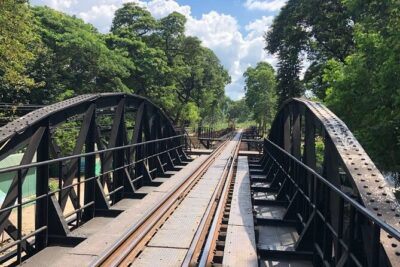
Bridge over River Kwai and Hellfire Pass Tour with Train Ride
Read our review →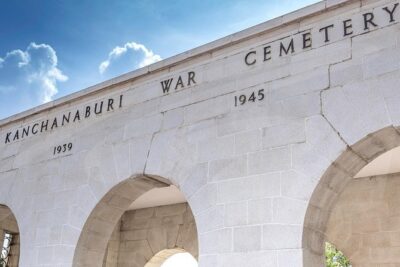
Private Tour: Thai–Burma Death Railway Bridge on the River Kwai from Bangkok
Read our review →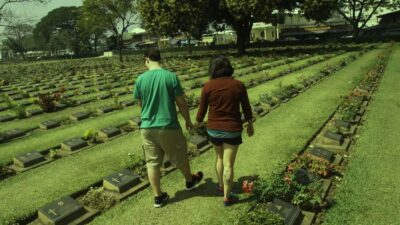
Death Railway & River Kwai Bridge Private Tour
Read our review →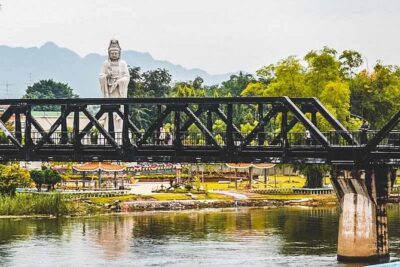
Private Tour: Death Railway, Hellfire Pass and Erawan Waterfall
Read our review →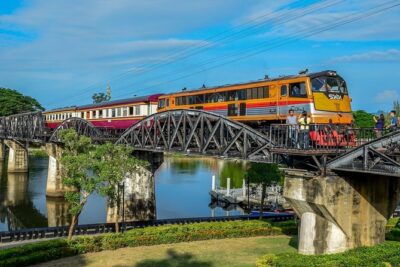
Erawan Waterfalls-Death Railway & River Kwai Tour
Read our review →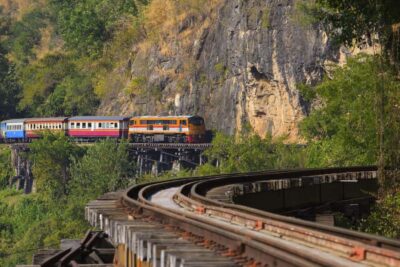
Lists this ride appears on