
Review · BANGKOK
River Kwai Bridge and Death Railway World War II Tour in Thailand
The most moving part of this full-day trip is the contrast between the peaceful Thai countryside and the grim story beneath the railway tracks. You visit the Kanchanaburi War Cemetery, walk across the reconstructed River Kwai Bridge, and ride the Death Railway toward Krasae Cave, where the line hugs a cliff above the river. I like the private air-conditioned van and the chance to ask questions without a large group slowing you down. I also like that lunch is served at a restaurant rather than reduced to a hurried sandwich.
The drawback is the long day. Ten hours from Bangkok means a good deal of road time, and the historical sites can feel emotionally heavy. The tour also requires at least two people, so solo visitors cannot book it alone.
Key points to know before booking
- The Death Railway ride lasts about one hour, passing along the river and through rural Kanchanaburi toward Krasae Cave.
- You travel privately, with your own vehicle and guide rather than a mixed coach group.
- The day combines memorials with scenery, including a cemetery, museum, bridge, railway, cave, and local lunch.
- Guide Mike received especially strong praise for clear English and his explanations from the memorial through the train ride.
- Lunch, museum admission, train tickets, snacks, drinks, and two bottles of mineral water per person are included.
- The tour costs $179.49 per person, so it makes the most sense for people who value privacy, comfort, and a fuller day over the lowest possible price.
Why the River Kwai story matters
Kanchanaburi is not simply a place to take a bridge photograph. During World War II, prisoners of war and civilians were forced to build the Thai-Burma Railway under brutal conditions. Food, medical care, and general treatment were poor, and many died during construction.
That history gives the day a serious tone. The bridge and railway are still working attractions, but they are also reminders of suffering. I appreciate that this route begins with memorial sites before moving to the more scenic train ride. You get context first, then see the railway itself.
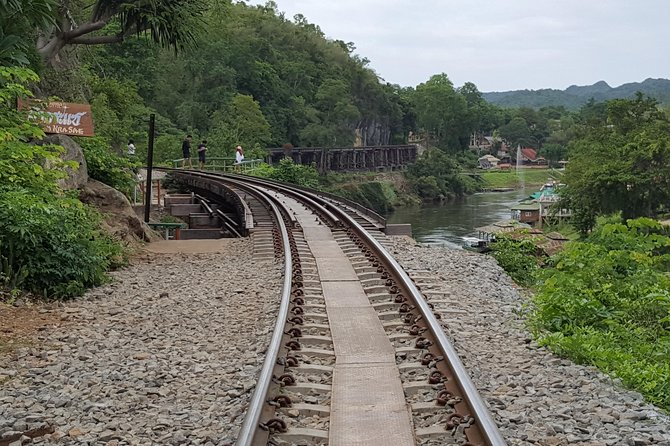
The tour’s explanation of the railway is especially useful because the engineering challenge is easy to underestimate from a modern train carriage. The line follows the river, skirts steep rock, and reaches the sharp curve near Krasae Cave. The view is attractive, but the setting also helps you picture how hard the work must have been.
More Death Railway Trips around Bangkok:
- From Bangkok: Death Railway & Hellfire Pass Tour with Lunch
★ 4.6 · 931 reviews - Bridge on the River Kwai and Thailand-Burma Railway Tour
★ 4.5 · 658 reviews - Bridge on the River Kwai and Thailand-Burma Railway Guided Tour
★ 4.5 · 353 reviews
Starting from Bangkok in a private van
The trip lasts about 10 hours, including the journey from Bangkok to Kanchanaburi and the return. A private air-conditioned vehicle makes a real difference here. You are not sharing the day with a busload of people, and you can speak directly with the guide about the places you are seeing.
The published meeting point is Terminal 21 Asok, on Sukhumvit Soi 19, with the tour ending back there. The tour information also says pickup from your hotel is offered, so confirm the exact pickup arrangement when you book. That small check matters in Bangkok, where a hotel pickup can save you a taxi ride through busy streets.
The drive takes up part of the day, but the private setup helps. You can settle in, carry your own pace, and avoid the rigid feel of a large scheduled group. Since the tour normally operates with a minimum of two people, it suits couples, friends, and families more naturally than solo visitors.
Kanchanaburi War Cemetery: a quiet first stop
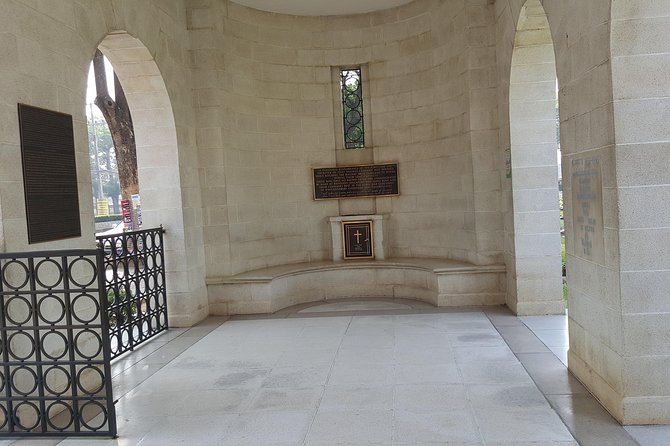
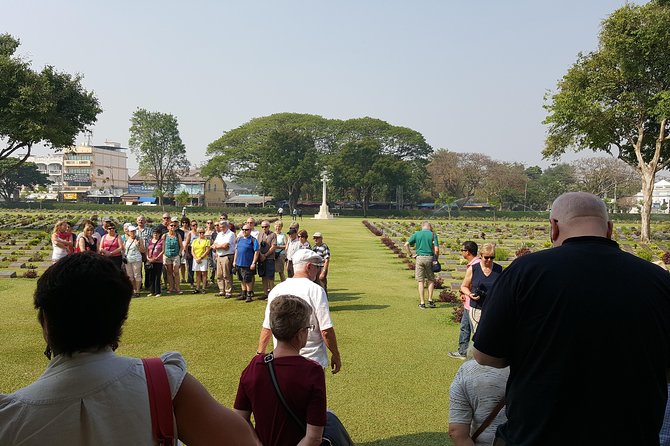
The first visit is to Kanchanaburi War Cemetery, where 6,892 prisoners of war are buried. You have about 30 minutes here, and admission is free.
This is a simple place, with rows of graves that make the scale of the railway story personal. It is not a site for rushing around with a camera. Give yourself a few quiet minutes to read the markers and take in the number of lives represented here.
Thirty minutes is enough for a respectful visit, though you will not have time for a long independent study. The guide’s role is useful at this point because the cemetery can otherwise feel like a quick photo stop. The strongest version of the tour is one where your guide explains what you are seeing before you move on.
If you prefer purely scenic outings, this opening may feel solemn. That is also its value. It prevents the day from treating the railway as just a picturesque train ride.
JEATH War Museum and the human cost of construction
Next comes the JEATH War Museum, with about 40 minutes inside. Admission is included.
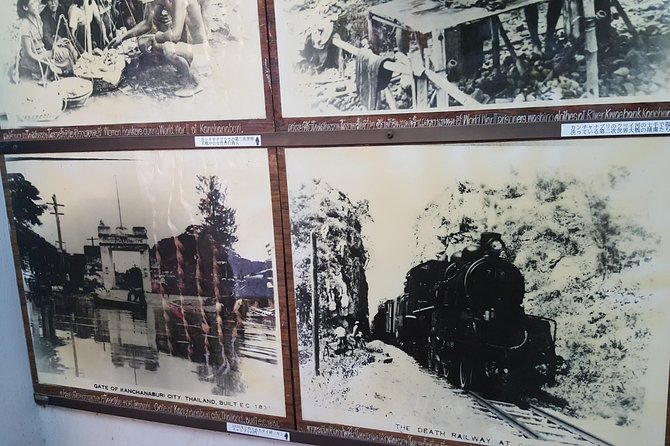
The museum focuses on the construction of the Thai-Burma Railway and the lives of prisoners of war during World War II. It provides background before you reach the bridge and train, helping connect the names in the cemetery with the physical work carried out along the railway.
Forty minutes gives you a useful introduction, not an exhaustive museum visit. If you like to read every display slowly, you may find the time tight. Still, the stop works well in the day’s order. You first encounter the graves, then receive more background, and only afterward see the bridge and railway.
I would pay close attention to the guide’s explanations here. One of the strongest parts of this tour is the personal connection with the guide. Mike, who led one highly praised trip, was particularly appreciated for his English and for explaining the story from the memorial sites through the train ride. Mike is not guaranteed, but the feedback suggests that a strong English-speaking guide can shape the whole day.
More Train Journeys around Bangkok:
- Day Trip to Bangkok Floating Market & Maeklong Railway
★ 5.0 · 1,528 reviews - Bangkok: Railway and Floating Market Tour with Dragon Temple
★ 4.6 · 1,225 reviews - Private Excursion to Maeklong Railway and Floating Markets
★ 5.0 · 850 reviews - From Bangkok: Railway & Damnoen Saduak Floating Market Tour
★ 4.6 · 775 reviews
The reconstructed River Kwai Bridge
The River Kwai Bridge is the most recognizable stop, with about 30 minutes to look around. Admission is free.
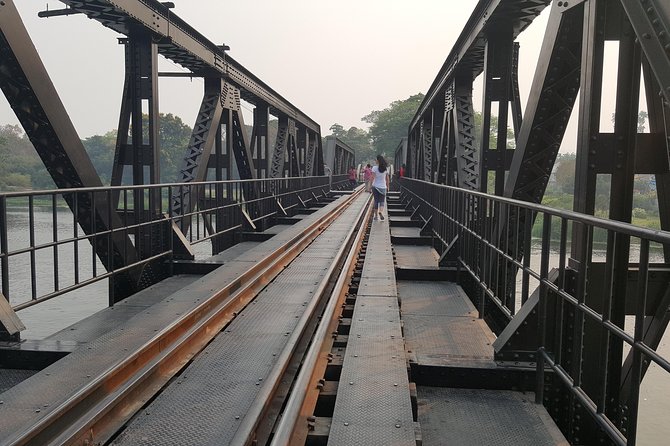
The bridge was built in 1942 by prisoners of war as part of the railway route from Kanchanaburi toward Burma. The structure you see today is a reconstruction maintained by the Thai government as a memorial to the wartime railway.
That distinction matters. You are not looking at every original section exactly as it was during the war, but you are visiting the site tied to one of the most famous parts of the railway. The bridge remains an active attraction, so expect a place where history, sightseeing, and railway operations meet.
Thirty minutes is enough to walk onto the bridge and take in its setting above the river. It is not enough for a long, unhurried stop if the area is busy. Your guide can help keep the visit focused on the historical meaning rather than just the familiar bridge view.
The later train ride adds depth. From the bridge, you move from seeing a famous structure to traveling on the railway itself.
Riding the Death Railway for one hour
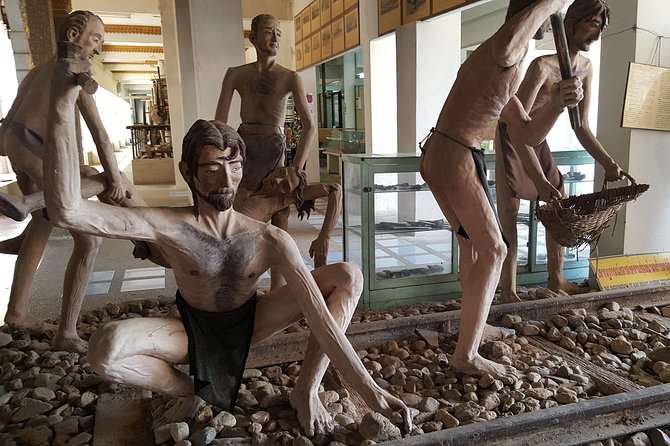
The train ride is the heart of the day. You board in Kanchanaburi and travel from the River Kwai Bridge area along the old railway toward Krasae Cave. The ride lasts about one hour and is included in the price.
This is not a theme-park attraction. The train gives you a direct sense of how the line follows the river and presses against the hills. You see the countryside from a slower, lower viewpoint, with the railway’s curves and raised sections visible as part of the route.
The scenery is a welcome change after the memorials and museum. You might find the ride relaxing, but it should not become a reason to forget the history. The railway exists because of forced labor and terrible wartime conditions. The tour is strongest when the guide keeps those two ideas together: beautiful surroundings and painful human cost.
A one-hour ride also gives you more than a short photo opportunity. You have time to watch the countryside pass and notice the route’s difficult construction. If you want a day packed with many separate attractions, the train uses a sizable block of time. If you want to understand the railway by actually riding it, that time is well spent.
Krasae Bridge and the cliffside railway
The Tham Kra Sae section is one of the most striking parts of the route. The railway runs along a steep mountain edge above the river and forms a sharp curve. You have about 30 minutes to see the bridge area.
The setting is attractive, but the tour does not hide the danger involved in building the line. The railway had to be laid beside the river and against difficult mountain terrain, with prisoners and civilians working without decent food or treatment.
This is where the earlier history becomes physical. A museum can show photographs and explanations. At Krasae, you can look at the narrow route and understand why construction was so demanding.
Take care around the edge and follow the guide’s directions. The tour requires moderate physical fitness, and this stop is not just a seated sightseeing visit. The information does not describe major hiking, but you should still expect some walking around the bridge and cave area.
Tham Krasae Cave and the Buddha image
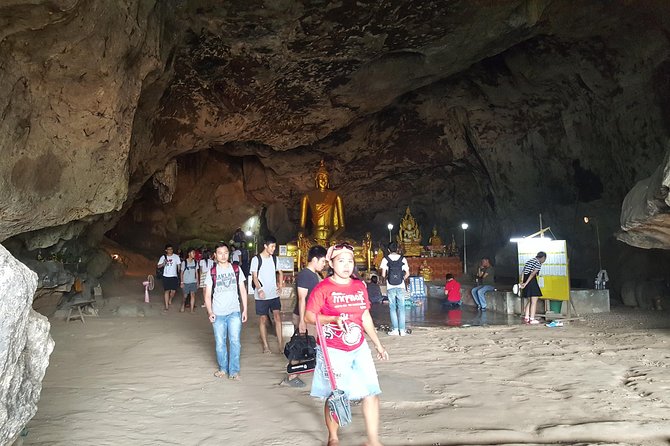
Near the railway bridge is Tham Krasae Cave, a Buddhist cave with a large Buddha image. You have about 30 minutes here.
The cave is used by monks seeking a quiet place for meditation away from the village. That gives the stop a different character from the cemetery, museum, and bridge. It is both a religious site and part of the railway setting.
Keep your behavior respectful, particularly if monks are present. The cave is not presented as a long temple tour, but it offers a calm pause after the more difficult wartime material.
The combination of cave, bridge, river, and railway makes this part visually memorable. It also shows how historical places continue to serve present-day religious life. You are not only looking at a wartime relic. You are also visiting a living spiritual place.
A proper Thai lunch is part of the value
Lunch is included and served at a local Thai restaurant, with one hour set aside. The meal is an important detail when comparing this tour with cheaper options.
A full restaurant lunch gives you a proper break in the middle of a long day. It is easier to sit down, eat hot food, and recover than to rely on a small packaged meal. The tour also includes snacks, drinks, and two bottles of mineral water per person. Soft drinks and personal expenses are not included.
One previous booking specifically praised the restaurant meal and the personal service, contrasting it with a skimpy sandwich-style lunch found on lower-priced outings. That is a useful price clue. The $179.49 cost is not only paying for admission and transport. It also reflects the private vehicle, guide, included meal, and less hurried format.
Still, value depends on your group. For one person, the price is high, and solo booking is not available because at least two people are required. For a couple or small private group, the cost can feel more reasonable because you are buying comfort and control for the entire day.
What the $179.49 price gets you
At $179.49 per person, this is not the budget choice for Kanchanaburi. You can find cheaper ways to reach the bridge and railway, but those options may involve larger groups, simpler meals, or less time with a guide.
Here, the price includes:
- Private transportation for your group
- An experienced guide trained through the Tourism Authority of Thailand
- Entry to the JEATH War Museum
- The Death Railway train ride
- Thai lunch at a restaurant
- Snacks and drinks
- Two bottles of mineral water per person
The cemetery, bridge, and cave do not charge an admission fee, while the museum and train are covered. Soft drinks and personal purchases are extra.
I would choose this tour if you want the day explained as a connected story. The guide can link the cemetery to the museum, bridge, railway, and cave instead of leaving you to piece everything together. I would not choose it solely to save money or if you dislike a full day outside Bangkok.
Who will get the most from this day
This tour suits couples, families, and small groups who prefer a private day with an English-speaking guide. It is also a good fit if the Death Railway is a priority and you want to combine the major historical stops with the train ride.
You should have moderate physical fitness. The day includes walking at memorial sites, the bridge, and cave area, along with getting on and off the train. Service animals are allowed, and the meeting point is near public transportation.
The tour is less suitable for a person who wants a short outing or a relaxed Bangkok-only day. Ten hours is a serious commitment. The wartime subject also demands a respectful mood, especially at the cemetery and museum.
Weather can affect the schedule. If poor weather cancels the tour, you can receive a different date or a full refund. You can also cancel for a full refund up to 24 hours before the start time. Changes or cancellations inside that 24-hour window are not accepted.
Should you book the River Kwai tour?
Book it if you want more than a bridge photograph. The private air-conditioned van, restaurant lunch, included train ride, and guide-led history make the day feel fuller than a basic transfer to Kanchanaburi. Guide Mike’s clear English and strong explanations show how much the human guide matters, although you should not assume he will be assigned to your group.
The best reason to choose this tour is the sequence: cemetery, museum, bridge, railway, and cave. You begin with the people who died, see the place connected to the railway, then ride the line through the countryside and reach the difficult cliffside section.
Skip it if your main goal is the lowest price, if you are traveling alone, or if a 10-hour day sounds exhausting. For everyone else, especially a pair or small private group, the extra cost buys comfort, context, and a more personal way to see one of Thailand’s most important World War II sites.
FAQ
How long does the River Kwai Bridge and Death Railway tour last?
The tour lasts approximately 10 hours, including travel from Bangkok to Kanchanaburi and the return to the meeting point.
Is transportation included?
Yes. The experience is a private tour with transportation from Bangkok. Pickup is offered, and the listed meeting point is Terminal 21 Asok. Confirm the exact hotel pickup details when booking.
Is the tour private?
Yes. Only your group participates in the private activity.
What is included in the price?
The price includes lunch with Thai food at a restaurant, mineral water, snacks, drinks, admission to the JEATH War Museum, and the Death Railway train ride.
Is the River Kwai Bridge admission included?
Admission to the bridge is free. The tour also visits the cemetery and Tham Krasae Cave, where no admission charge is listed.
Is a minimum number of people required?
Yes. The tour operates with a minimum of two people.
Can I cancel for a full refund?
Yes. You can cancel at least 24 hours before the start time for a full refund. If poor weather or the minimum group requirement causes the tour to be canceled, you will be offered another date or a full refund.
New on the timetable around Bangkok
- Small Group: Kanchanaburi Death Railway, Erawan Waterfall and Elephant★ 4.0 · 3 reviews
- Train trip death railway Bridge on river Kwai from Bangkok to Kanchanaburi trip★ 4.0 · 17 reviews
- Historic Kanchanaburi:Train, Boat, Skywalk from Bangkok(No Lunch)★ 5.0 · 2 reviews
- Private tour : Railway & Floating Market and the Bridge over river Kwae★ 5.0 · 2 reviews
- Private Tour to Kanchanaburi Death Railway and Elephant Haven★ 5.0 · 15 reviews
- Maeklong & Damnoen Saduak Markets: Railway & Floating Market Tour★ 4.0 · 17 reviews
- Historic Kanchanaburi: Train, Boat & Skywalk + Lunch From Bangkok★ 4.5 · 3 reviews
- Private Tour: Death Railway, Hellfire Pass and Erawan Waterfall★ 5.0 · 55 reviews
Other Death Railway Tours worth a seat
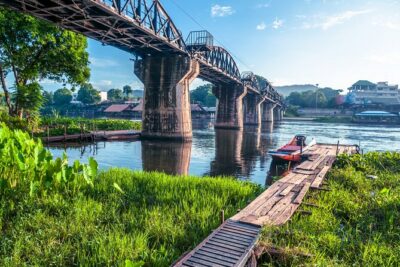
Bridge on the River Kwai and Thailand-Burma Railway Tour
Read our review →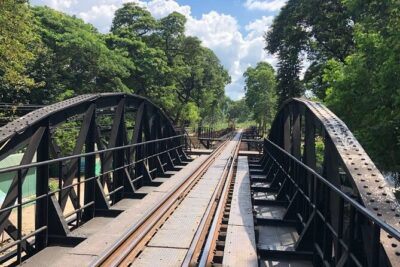
Bridge over River Kwai and Hellfire Pass Tour with Train Ride
Read our review →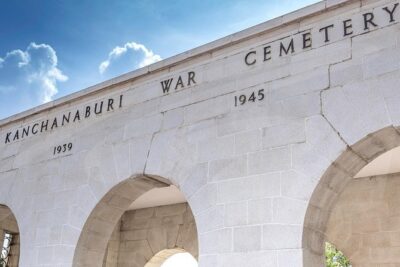
Private Tour: Thai–Burma Death Railway Bridge on the River Kwai from Bangkok
Read our review →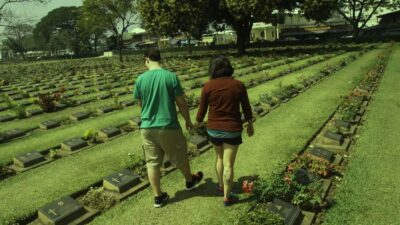
Death Railway & River Kwai Bridge Private Tour
Read our review →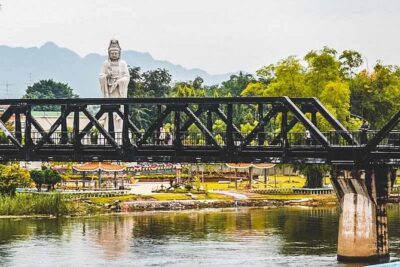
Private Tour: Death Railway, Hellfire Pass and Erawan Waterfall
Read our review →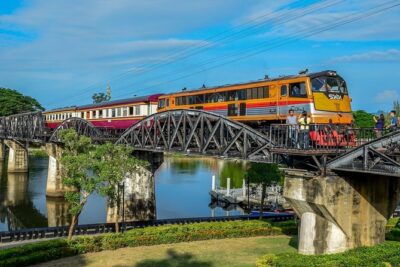
Erawan Waterfalls-Death Railway & River Kwai Tour
Read our review →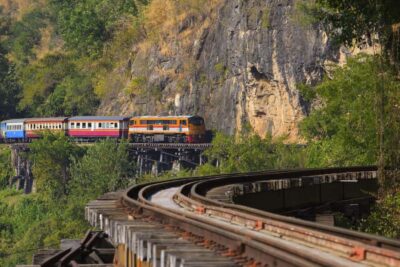
Lists this ride appears on