
Review · BANGKOK
Private Historic River Kwai Death Railway, War Cemetery and Hellfire Pass Tour
The most powerful part of this day is Hellfire Pass, where a rough cutting through rock marks one of the hardest sections of the Thai-Burma Death Railway. You walk the memorial trail, then connect that stark place to the graves, museums, bridges, and railway sites around Kanchanaburi.
I like the privacy and the practical setup: your own vehicle, a guide who can answer questions, bottled water, and lunch without extra planning. I also like the route itself, which links several WWII sites rather than leaving you to piece the story together on your own.
The catch is the long road from Bangkok. Traffic can make this a tiring 10-hour day, and the price is high compared with hiring a driver for free-entry sites. You pay for the guide, transport, lunch, and convenience, not simply for admission.
Key points to know before booking
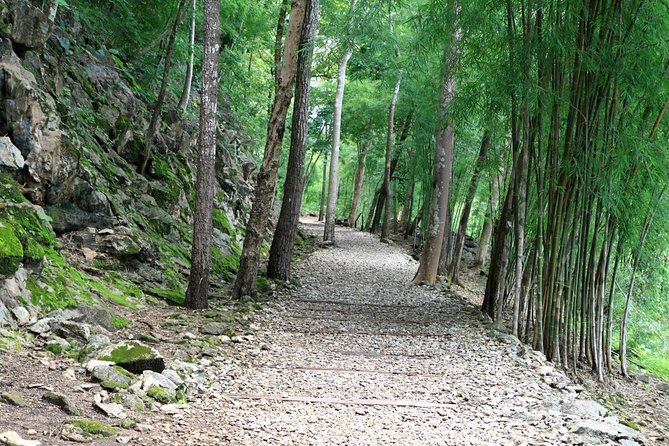
- Hellfire Pass is the emotional center: Allow two hours for the interpretive center and memorial trail, with uneven walking and a moderate fitness requirement.
- The private format gives you breathing room: Only your group takes part, so you can ask questions and adjust the pace within the day’s limits.
- The route covers five major stops: You visit the war cemetery, Hellfire Pass, the Death Railway, Tham Kra Sae Bridge, and the Bridge over the River Kwai.
- The day starts early: Pickup begins at 6:30 am, which helps you make the most of a long journey from Bangkok.
- Lunch and water are included: You do not need to organize a midday meal, though personal expenses are extra.
- Guides matter here: Nan is praised for making the history eye-opening, while Peter and his driver are noted for being informative, punctual, and flexible.
Why this Kanchanaburi day trip carries weight
Kanchanaburi is not just a scenic escape from Bangkok. It is the setting for one of the Second World War’s most painful railway projects. Prisoners of war and Asian laborers were forced to build the Thai-Burma Death Railway under brutal conditions.
This tour works because it connects several kinds of memorial. The cemetery gives you names and graves. Hellfire Pass shows the work itself. The railway and bridges put you close to the physical route. The museums provide the background that keeps the visit from becoming a string of disconnected photo stops.
I find that combination more useful than seeing the famous bridge alone. The Bridge over the River Kwai is the best-known name, but it is only one piece of the story. Hellfire Pass, in particular, asks more of you. It is quieter, more physical, and harder to treat as a quick sightseeing stop.
The tour is private, so you travel only with your own group. That matters at memorial sites. You can ask a direct question, pause when you need to, or spend less time at a stop that does not hold your attention. Your guide also has a chance to tailor explanations instead of delivering a speech to a large busload.
More Death Railway Trips around Bangkok:
- From Bangkok: Death Railway & Hellfire Pass Tour with Lunch
★ 4.6 · 931 reviews - Bridge on the River Kwai and Thailand-Burma Railway Tour
★ 4.5 · 658 reviews - Bridge on the River Kwai and Thailand-Burma Railway Guided Tour
★ 4.5 · 353 reviews
Leaving Bangkok at 6:30 am
The early start is not a small detail. Kanchanaburi lies well outside Bangkok, and this experience lasts about 10 hours. The drive, stops, meals, and traffic all take time, so a late departure would leave less room at the sites.
You are collected in an air-conditioned vehicle, with private transport included. That gives you a quieter and more comfortable day than joining a large coach, especially after walking the Hellfire Pass trail. It also removes the need to arrange several separate rides between sites.
Traffic is the main uncertainty. One account of the day describes the full route as taking around 10 hours and praises the driver for handling Thai traffic well. You should still expect the schedule to feel full. This is not a relaxed afternoon outing with long breaks between attractions.
The tour includes bottled water and lunch. Those inclusions are useful because the day has several stops and at least one section of walking. Personal expenses and services not listed are not included, so keep money available for anything beyond the planned meal and admissions.
Kanchanaburi War Cemetery and the human cost
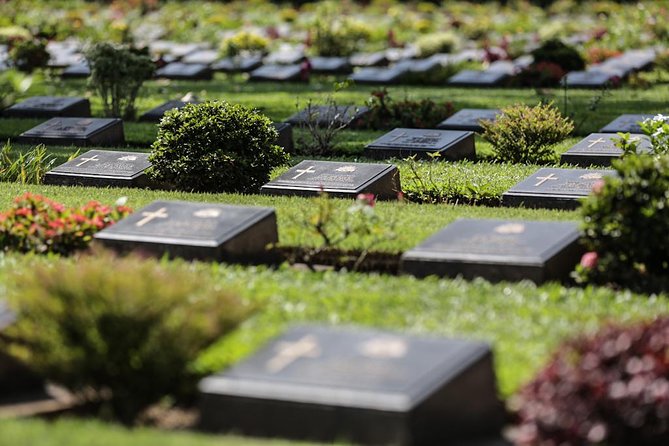
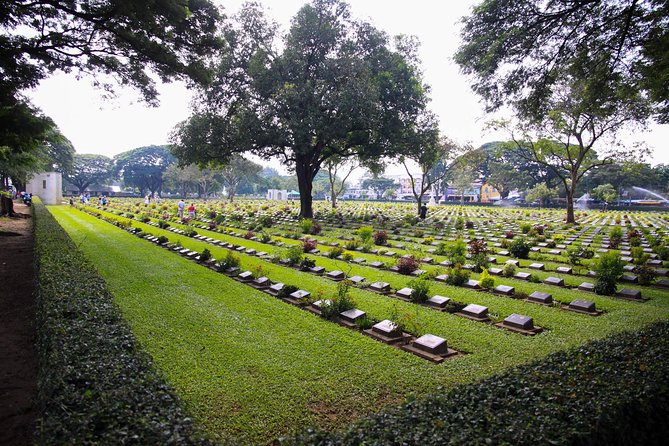
The first stop is Kanchanaburi War Cemetery, where 6,982 Allied prisoners of war are buried. The grounds are maintained as a calm memorial space, but the number of graves makes the scale of the railway project difficult to ignore.
You have about 30 minutes here. That is enough to walk through the cemetery, read some markers, and take in the setting, but not enough for a slow, detailed visit. If you like reading every inscription at a memorial, you may wish for more time.
This stop provides an important beginning. Before you see the railway cutting or walk near the bridges, you are reminded that these were not abstract wartime events. The people who died have names and resting places. A good guide can help you understand how this cemetery relates to the wider railway project, and Nan is specifically praised for making the subject clear and eye-opening.
Admission is free, but that does not mean the stop has no value in a paid tour. You are paying for the private vehicle, route planning, guide, and time saved by having the sites arranged in a sensible order.
Two hours at Hellfire Pass
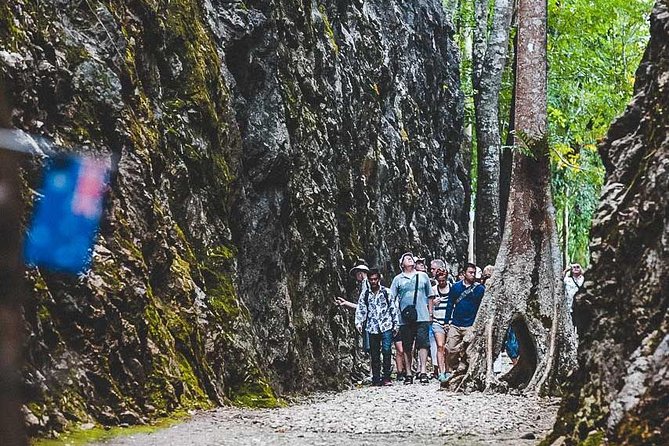
Hellfire Pass is the most substantial stop, with about two hours for the interpretive center and memorial walking trail. The pass is a cutting made through rock for the Death Railway. Prisoners worked in harsh conditions, and the site records the deaths of more than 16,000 Allied prisoners along with countless Asian laborers connected to the railway project.
The walking trail takes you into the cutting itself. This is where the tour becomes physical rather than purely historical. You are not just looking at a display or a bridge from a distance. You are walking along a section associated with forced labor and extreme suffering.
Wear practical shoes and be ready for a moderate amount of walking. The tour information calls for a moderate fitness level, so this is not the best choice if uneven paths or a memorial trail would be difficult for you.
The interpretive center gives the site context. That is important because the rock cutting alone cannot explain the full story. The museum helps connect the engineering task to the prisoners and laborers who were forced to carry it out.
Two hours is a sensible allowance, but the experience may feel short if you want to read every panel and walk slowly. The private setup helps here because your guide can answer questions as you go. You should not expect a full academic seminar, but you can expect a more personal explanation than a self-guided stop if your guide is engaged.
This is also the part of the day most likely to stay with you. The bridge is famous and visually striking. Hellfire Pass is less about a single view and more about understanding the cost of building the railway.
More Train Journeys around Bangkok:
- Day Trip to Bangkok Floating Market & Maeklong Railway
★ 5.0 · 1,528 reviews - Bangkok: Railway and Floating Market Tour with Dragon Temple
★ 4.6 · 1,225 reviews - Private Excursion to Maeklong Railway and Floating Markets
★ 5.0 · 850 reviews - From Bangkok: Railway & Damnoen Saduak Floating Market Tour
★ 4.6 · 775 reviews
Walking the Death Railway near the river
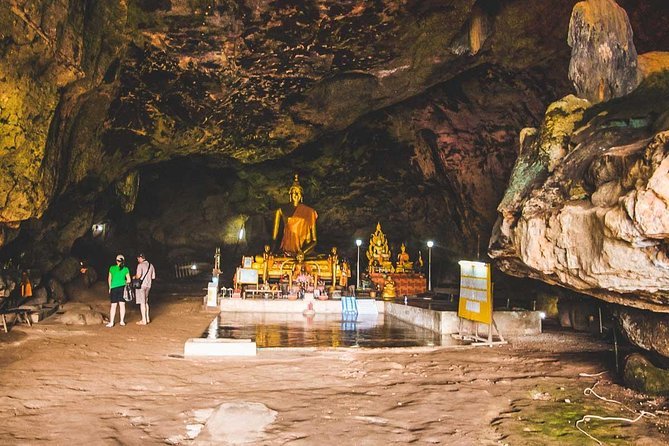
The Death Railway Museum and Research Centre area gives you another way to place the story. You have about 30 minutes for this stop, including a walk along the notorious railway built beside the river.
That short visit is best treated as a close look at the railway route rather than a long museum session. You may find the contrast striking: the railway still functions as a physical corridor, while the surrounding sites ask you to remember what happened during its construction.
The wording of this stop combines the museum and a walk, so the exact balance may depend on your guide and the timing of the day. Ask questions if you want more background before moving on. The private format makes that easier.
This section also gives the day a change of pace after Hellfire Pass. You move from the enclosed cutting to the open railway route, then continue toward the bridges. The experience is still solemn, but it is not built around one repeated type of memorial.
Tham Kra Sae Bridge and the cave shrine
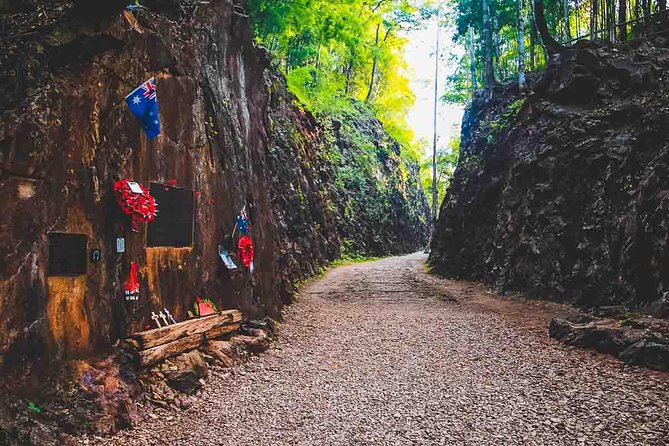
Tham Kra Sae Bridge is a brief stop of about 15 minutes. You visit a cave containing a Buddha image, a place that formerly served as a POW camp during the railway’s construction.
Do not expect a long cave visit. The value here is the unusual combination of a religious site, the railway route, and a reminder that prisoners lived and worked in difficult conditions close to the track.
The short timing means you will need to keep moving. This is a stop for a quick look and a little context, not a long spiritual or archaeological visit. If your group enjoys taking photos or asking many questions, the 15 minutes may pass quickly.
Still, the stop adds variety. It shows that the railway story is tied to real places used for work, shelter, worship, and transport. The tour does not leave you with only cemetery lawns and museum panels.
The Bridge over the River Kwai
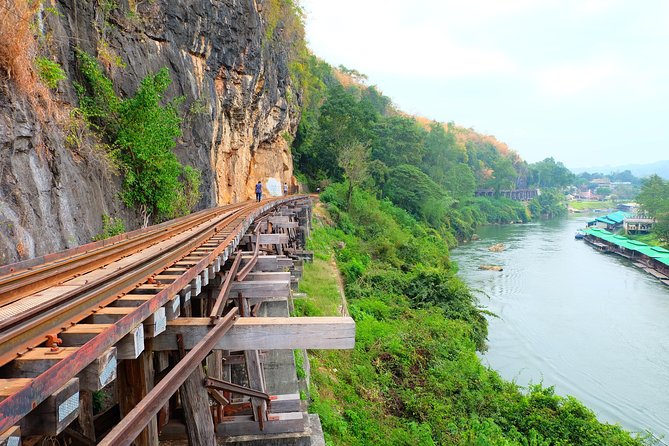
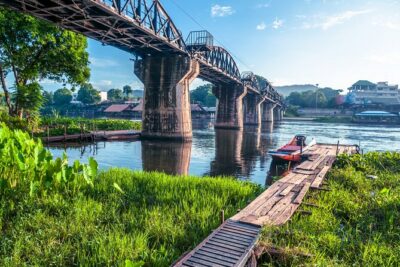
The final major stop is the famous River Khwae Bridge, with about an hour to walk along the iron bridge and take in its wartime associations.
This is the most recognizable site on the route, and it is likely to be the place you have seen in photographs before arriving. The bridge gives you a strong visual finish to the day, but its fame can also make it feel more like a landmark than a memorial. The earlier stops provide the context needed to understand why the bridge matters.
You have enough time for a measured visit rather than a quick photo stop. Walk carefully and listen to your guide’s explanation of the bridge’s role in the railway story. The structure is not the whole history, but it is a useful final link between the railway, the river, and the wartime campaign.
This is also where expectations matter. If you want a quiet, isolated historical site, the bridge may feel less intimate than Hellfire Pass. If you want to see the location associated with the best-known part of the Death Railway, it delivers that clearly.
What the private tour changes
A private tour is not automatically better than an independent visit. It costs more, and several stops have free admission. One person who took this route felt a driver alone could have handled the day for much less.
That criticism is fair. If your main goal is transportation and you are comfortable reading museum panels on your own, a private driver may offer better value. You would need to arrange the route, timing, meals, and site connections yourself, but the attractions do not depend entirely on a ticketed guide.
The case for this tour is the human help. A professional guide can explain how the cemetery, railway, bridge, and Hellfire Pass fit together. You also avoid the burden of navigating a long day from Bangkok. When a guide is strong, that context is the difference between seeing historic places and understanding them.
The private format is especially useful for families, couples, or small groups with different interests. You can ask more questions than you could on a large group tour. You can also talk with your guide about spending more time at Hellfire Pass and less time at a stop that feels less important to you, although the schedule and traffic still limit how much you can change.
The named guides offer a useful clue about the service. Nan is praised for making the history informative and eye-opening. Peter and his driver are praised for being fun, punctual, helpful, and able to shape the day to the group. Those details matter because this tour rises or falls on the quality of the guiding.
Is $162.40 a fair price?
At $162.40 per person, this is not the cheapest way to see Kanchanaburi. The price includes private transportation, an air-conditioned vehicle, a professional guide, lunch, bottled water, entrance fees, and hotel transfers. You are paying for a full-day service from Bangkok, not simply for entry to the sights.
The value improves if you are traveling with people who want a private vehicle and an organized route. It also improves if you care about historical explanation and do not want to spend the day managing directions, stops, and food.
The value is weaker for a confident independent visitor who mainly wants to photograph the bridge and visit the free memorials. In that case, hiring a driver may cost much less, and the museums and memorial sites can provide their own information.
The booking pattern suggests planning ahead can help, with the experience booked an average of 67 days in advance. Confirmation is normally provided at booking, but reservations made within two days of departure may take up to 48 hours to confirm and remain subject to availability.
You can cancel for a full refund up to 24 hours before the start time. Changes or cancellations inside that window are not accepted for a refund.
Who should book this day
I would choose this tour if you have limited time in Thailand but want the major Kanchanaburi sites arranged into one serious day. It suits people who value explanation, private transport, and a planned lunch more than the lowest possible price.
It also fits families and small groups that want their own guide. The subject is difficult, and having someone available to explain the sites can make the visit more meaningful.
I would think twice if you dislike early starts, long drives, or walking on a memorial trail. The 6:30 am departure and roughly 10-hour schedule are real commitments. Hellfire Pass also requires a moderate level of fitness.
Should you book the River Kwai tour?
Book it if you want context as well as sightseeing. The route gives you the cemetery, Hellfire Pass, railway, cave, and bridge in one carefully packed day, with lunch and private transport included. The strongest part is Hellfire Pass, while the best service depends on getting a guide as engaged as Nan or Peter.
Skip it if your priority is saving money and you are happy to arrange a driver and study the sites independently. The admissions alone do not justify the price. The guide, convenience, and private vehicle do.
For most first-time visitors who want to understand Kanchanaburi rather than simply see the famous bridge, this is a worthwhile but demanding day. Go in expecting history that is painful, walking that is moderate, and traffic that can stretch the schedule.
FAQ
How long does the tour last?
The tour lasts approximately 10 hours, beginning at 6:30 am.
Is this a private tour?
Yes. Only your group participates in the activity.
What sites are included?
The route includes Kanchanaburi War Cemetery, Hellfire Pass Interpretive Centre and Memorial Walking Trail, the Death Railway Museum and Research Centre, Tham Kra Sae Bridge, and the River Khwae Bridge.
Is lunch included?
Yes. Lunch and bottled water are included in the tour price.
What level of fitness is required?
A moderate level of physical fitness is recommended because the tour includes walking at Hellfire Pass and along the railway.
Can I cancel for a full refund?
Yes. You can cancel at least 24 hours before the experience begins for a full refund. Cancellations or changes made less than 24 hours before the start time are not refunded.
New on the timetable around Bangkok
- Small Group: Kanchanaburi Death Railway, Erawan Waterfall and Elephant★ 4.0 · 3 reviews
- Train trip death railway Bridge on river Kwai from Bangkok to Kanchanaburi trip★ 4.0 · 17 reviews
- Historic Kanchanaburi:Train, Boat, Skywalk from Bangkok(No Lunch)★ 5.0 · 2 reviews
- Private tour : Railway & Floating Market and the Bridge over river Kwae★ 5.0 · 2 reviews
- Private Tour to Kanchanaburi Death Railway and Elephant Haven★ 5.0 · 15 reviews
- Maeklong & Damnoen Saduak Markets: Railway & Floating Market Tour★ 4.0 · 17 reviews
- Historic Kanchanaburi: Train, Boat & Skywalk + Lunch From Bangkok★ 4.5 · 3 reviews
- Private Tour: Death Railway, Hellfire Pass and Erawan Waterfall★ 5.0 · 55 reviews
Other Death Railway Tours worth a seat
Bridge on the River Kwai and Thailand-Burma Railway Tour
Read our review →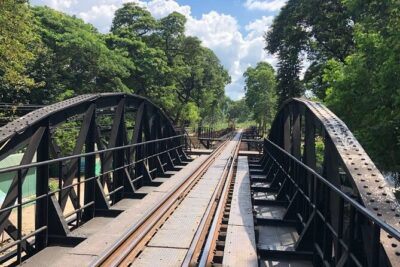
Bridge over River Kwai and Hellfire Pass Tour with Train Ride
Read our review →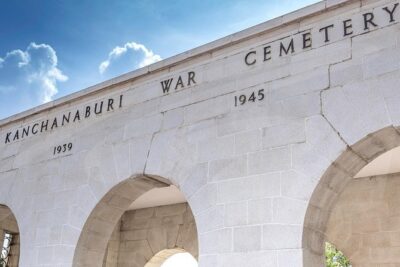
Private Tour: Thai–Burma Death Railway Bridge on the River Kwai from Bangkok
Read our review →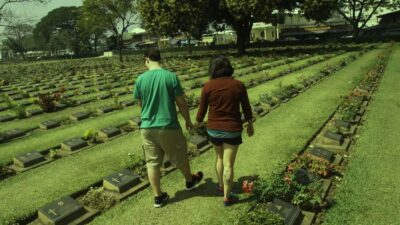
Death Railway & River Kwai Bridge Private Tour
Read our review →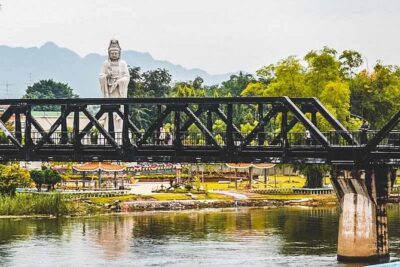
Private Tour: Death Railway, Hellfire Pass and Erawan Waterfall
Read our review →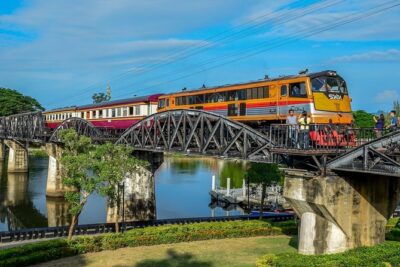
Erawan Waterfalls-Death Railway & River Kwai Tour
Read our review →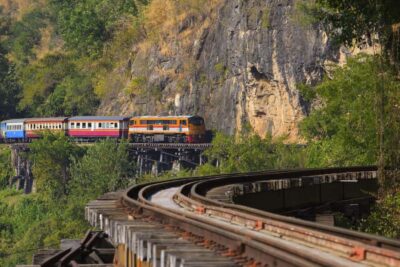
Lists this ride appears on