
Review · KANCHANABURI
Kanchanaburi: River Kwai and Death Railway Day Tour
Kanchanaburi’s story is best understood in several places, not from a single viewpoint. This day tour takes you from the quiet rows of the Kanchanaburi War Cemetery to the Bridge over the River Kwai, then along a dramatic railway section at Tham Krasae before ending at Tiger Cave Temple.
I like the small group size, capped at nine, and the way the day links wartime history with local sights. I also like the practical help from guides such as Na, who has been praised for her energy, thoughtful care, and knack for taking good photos. The main drawback is clear: there is no train ride, despite the railway focus, and the steep temple climb will not suit everyone.
Key points to know before booking
- The tour covers four major Kanchanaburi sights: the war cemetery, JEATH Museum, River Kwai bridge, and Tiger Cave Temple.
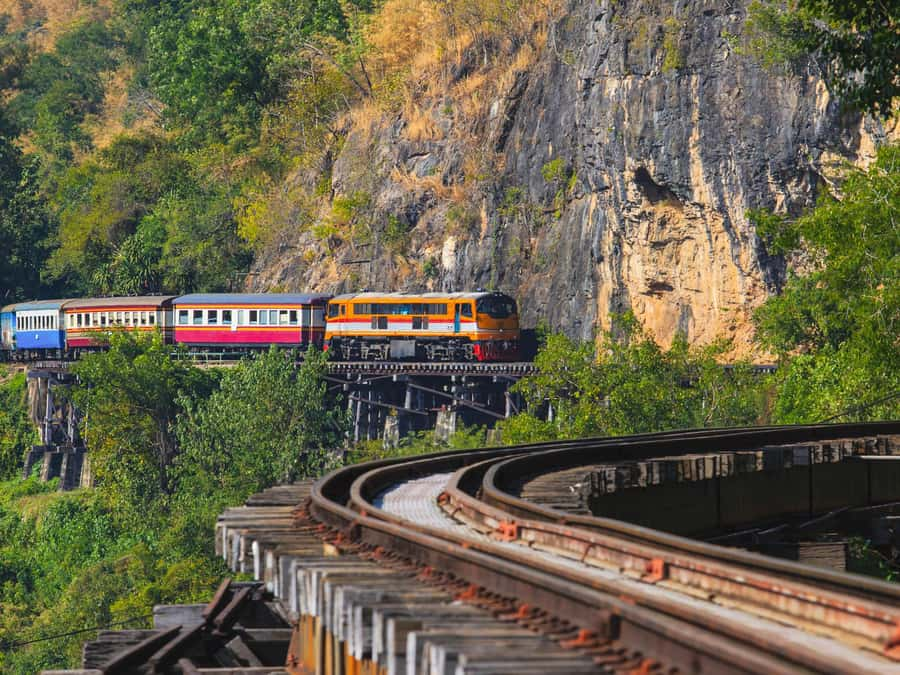
- Tham Krasae gives you the railway scenery: you can see the cliffside track, watch trains pass, and stop for lunch nearby.
- The group is limited to nine people: that makes a long day in a van more manageable and gives you more access to the guide.
- Guides can make a big difference: Na and Ricky have been singled out for strong English, historical knowledge, kindness, and help with photos.
- Lunch is your expense: allow time and money for the meal at Tham Krasae.
- Temple clothing and fitness matter: bring modest clothing, and expect a steep climb at Wat Tham Suea.
Why this Kanchanaburi day trip works
At $96 per person, this is not the cheapest way to see Kanchanaburi. It is a full eight-hour outing with an air-conditioned vehicle, an English-speaking guide, museum admission, drinking water, insurance, and carbon offset credits. The value comes from having transport between widely spaced stops and a guide to explain what you are seeing.
I think the tour works best for someone staying in Kanchanaburi who wants the main sights arranged into one efficient day. You are not left figuring out local transport between the cemetery, museum, bridge, railway station, café, and temple. That convenience matters in Thailand’s heat, especially when the return drive alone takes about an hour and a half.
The group limit of nine is another useful detail. This is not a huge coach outing where the guide has to shout over a crowd. You still spend a fair amount of time in the van, but a small group makes the stops easier to manage.
The sustainability measures are modest but practical. Water is supplied in glass bottles, and the operator offsets carbon emissions for each tour. That does not erase the environmental cost of driving, but it gives you a lower-impact option than a less careful operator.
More Death Railway Trips around Thailand:
- From Bangkok: Death Railway & Hellfire Pass Tour with Lunch
★ 4.6 · 931 reviews - Bridge on the River Kwai and Thailand-Burma Railway Tour
★ 4.5 · 658 reviews - Bridge on the River Kwai and Thailand-Burma Railway Guided Tour
★ 4.5 · 353 reviews
The Kanchanaburi War Cemetery sets the tone
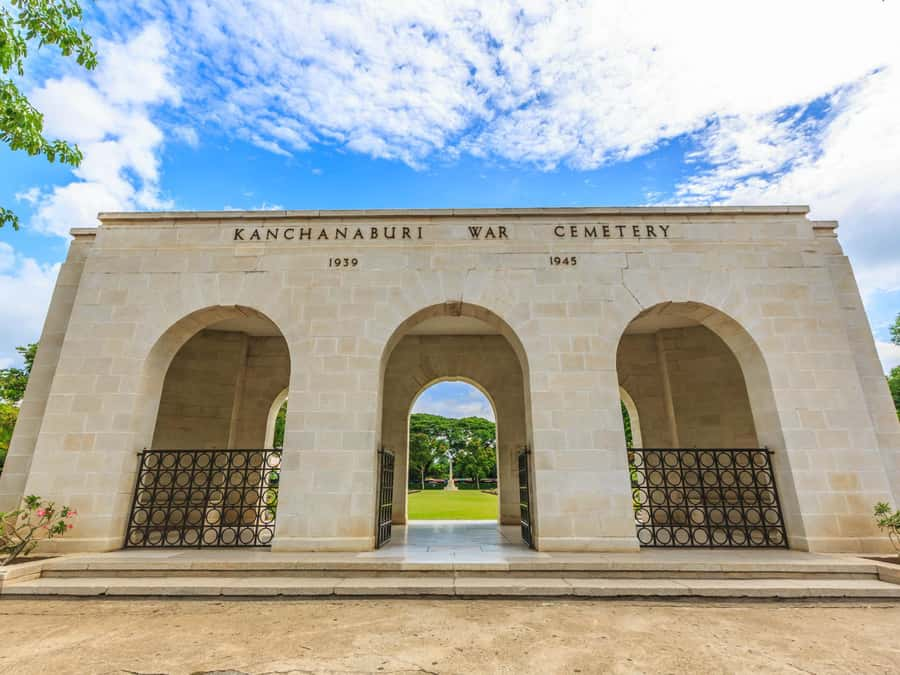
Your first major stop is the Kanchanaburi War Cemetery, reached after roughly 30 minutes in the van. The grounds are carefully maintained, with rows of graves marking the deaths of prisoners of war, soldiers, and civilians connected to construction of the Siam-Burma Railway during World War II.
This is a quiet place, and the pace is rightly slower than at the later sightseeing stops. I would give the cemetery your full attention rather than treating it as a quick photo stop. The scale of the graves helps you grasp the human cost before you see the railway itself.
You may also notice the many young men remembered here, including Dutch prisoners who died far from home. That detail can make the history feel less abstract. The cemetery is not theatrical. Its plain order and silence do much of the work.
Your guide is important here. A good guide can explain the link between the cemetery, the railway, the Japanese military project, and the prisoner-of-war camps without turning the stop into a list of dates. Ricky, one of the named guides associated with this tour, has been praised for explaining the subject in clear English.
JEATH Museum shows the hardship behind the railway
The JEATH War Museum is named for the nationalities connected with the railway: Japanese, English, Australian, American, Thai, and Hollander. It was created to remember the people who died while working on this wartime project.
Inside, you can expect displays of weapons, tools, uniforms, medals, and replicas of prisoner-of-war living conditions. These objects help bridge the gap between the cemetery’s names and the actual daily experience of the men who built the line.
The museum entry fee is included, which is useful since many visitors would want this stop as part of the day anyway. The museum is not presented as a polished modern exhibition, so manage your expectations. Its value lies in the subject matter and the chance to see several types of material together.
I would not rush this stop. The tour gives you time at the cemetery and museum before moving to the bridge, so listen to the guide and ask questions. This is the part of the day where the background becomes useful for everything that follows.
The Bridge over the River Kwai is a short but important stop
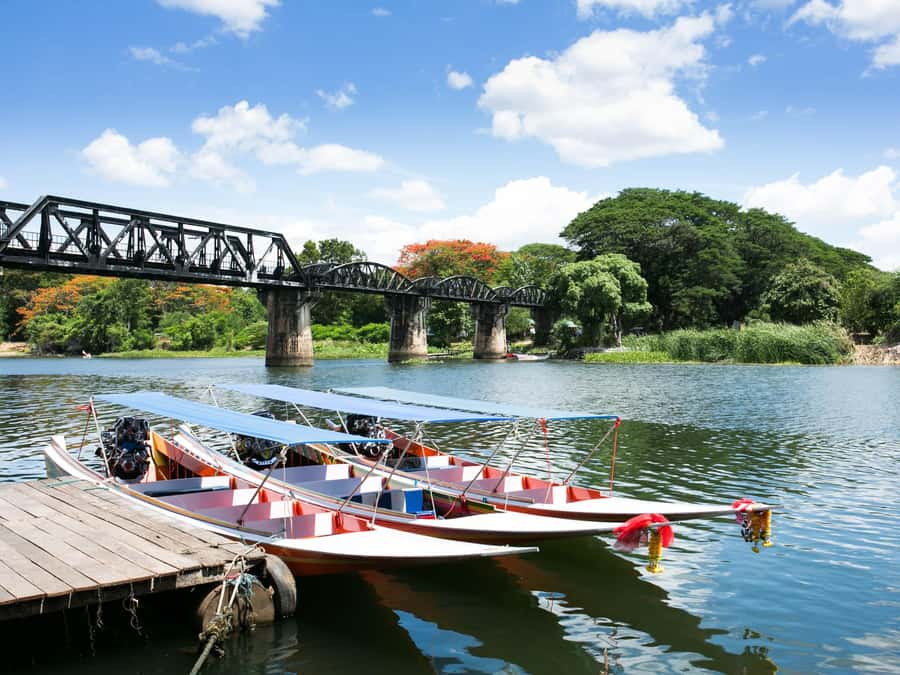
The tour then reaches the Bridge over the River Kwai for about 30 minutes of sightseeing and walking. This is the place most people recognize from the name of the day trip, but the bridge makes more sense after the cemetery and museum.
You can walk around the bridge and take in its setting over the river. The historical importance is the point, not a long activity list. The stop is relatively short, so you should not expect a detailed railway excursion here.
A useful warning: the tour does not include a train journey. One low-rated booking specifically objected to the missing train ride, and that concern is fair. The schedule takes you to railway locations and lets you watch trains at Tham Krasae, but you do not board one as part of this experience.
If riding the Death Railway is your main goal, you should not assume this tour provides it. If you mainly want the bridge, the museum, the cemetery, and a railway viewpoint in one day, the plan is a better match.
More Train Journeys around Thailand:
- Day Trip to Bangkok Floating Market & Maeklong Railway
★ 5.0 · 1,528 reviews - Bangkok: Railway and Floating Market Tour with Dragon Temple
★ 4.6 · 1,225 reviews - Bangkok: Ayutthaya, Railway & Floating Markets Full-Day Tour
★ 4.7 · 1,200 reviews - Private Excursion to Maeklong Railway and Floating Markets
★ 5.0 · 850 reviews
Tham Krasae brings the railway into the scenery
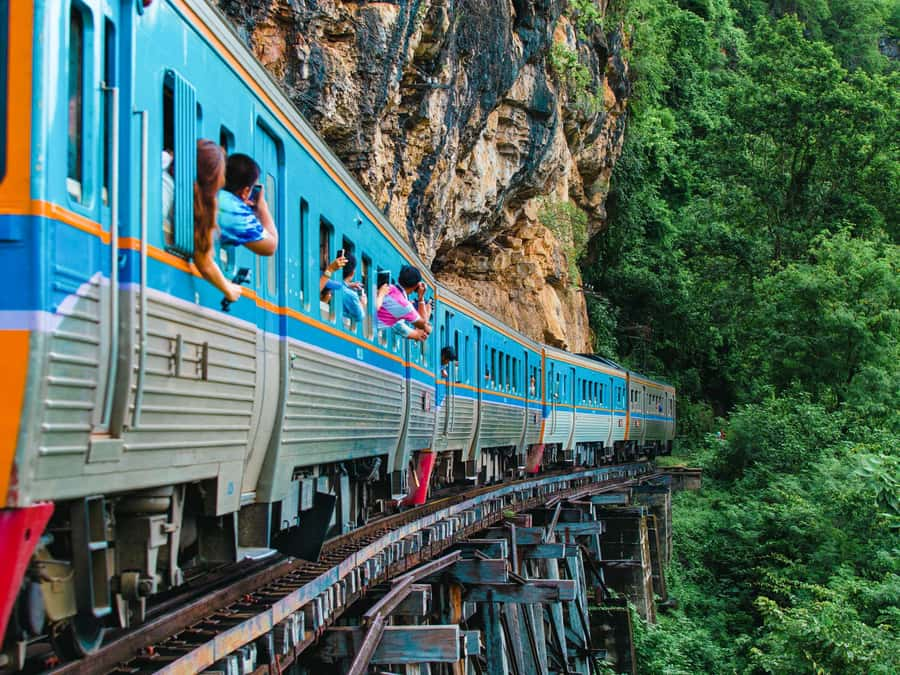
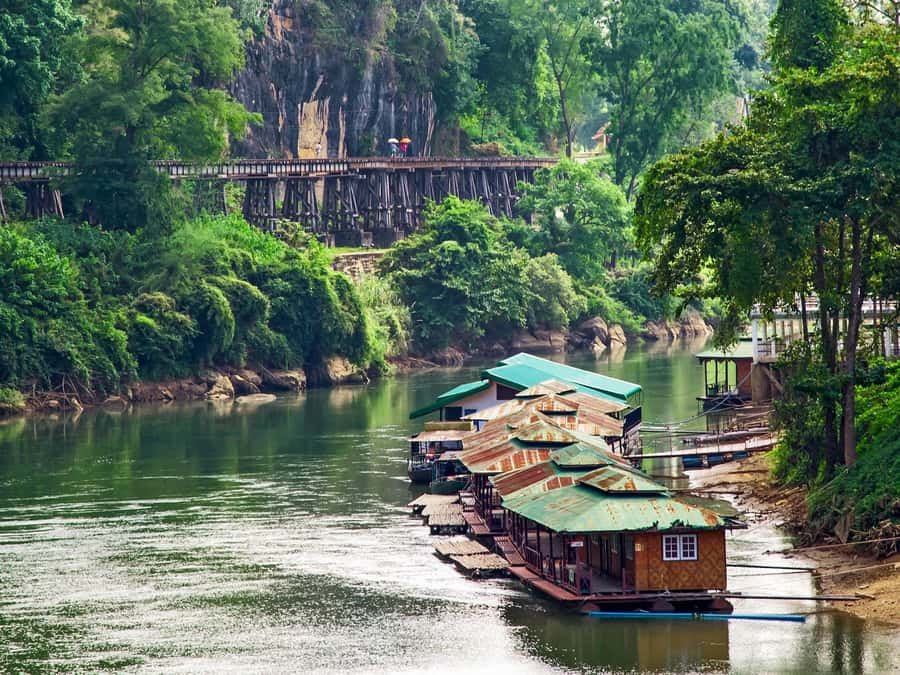
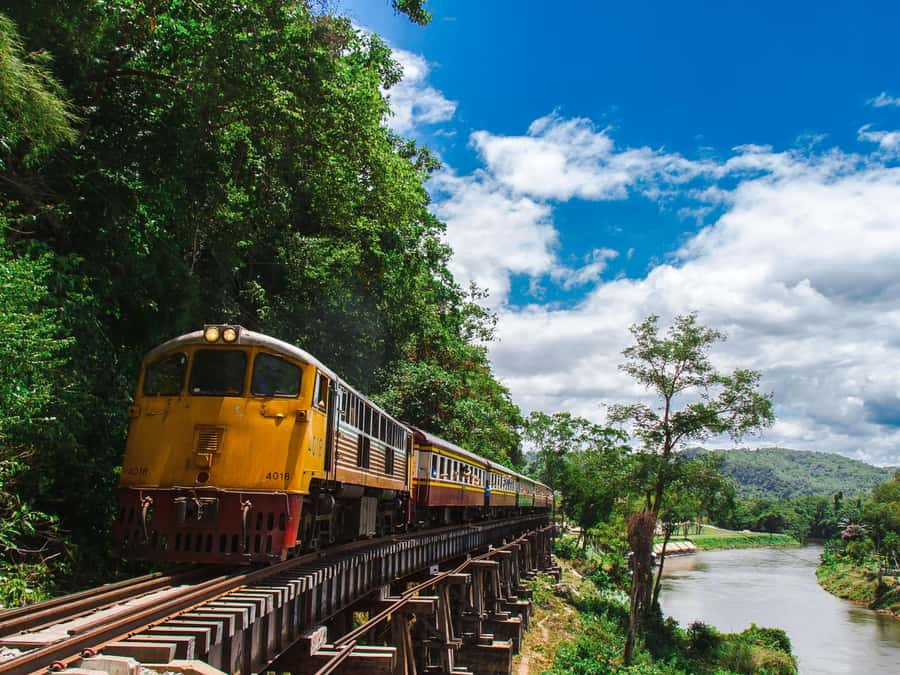
The longest stop is at Tham Krasae Bridge railway station, with about an hour and a half for lunch and sightseeing. This is where the railway setting becomes most dramatic. The track curves around a cliff, and you can look out over the area while seeing trains pass.
The stop gives you more than a static bridge photo. You can watch the railway operate and understand how the line fits into the terrain. The track section is picturesque, but its beauty should not hide the suffering tied to its construction. That contrast is one reason the earlier cemetery and museum visits matter.
Lunch is not included. You should budget for your own meal and make use of the time rather than expecting a guided restaurant experience. The provided details do not specify a particular menu or restaurant, so I would treat this as a practical meal break near the station.
Tham Krasae is also a good place to take photos, but stay alert around the railway. The guide can help with timing and positioning, especially if a train is due. Do not confuse seeing trains here with taking the train yourself.
A local café gives you a useful pause
After the railway stop, the group gets a 30-minute coffee break at a local café. This may sound minor, but it is well placed in the day. You have already walked through the cemetery, museum, bridge area, and railway stop, and the next visit involves a steep climb.
I like this kind of pause because it gives you time to cool down and reset without adding another formal attraction. It also keeps the schedule from feeling like one long chain of monuments and explanations.
Your personal spending at the café is not included. Bring some Thai baht or another accepted payment method, since the tour includes water but not drinks or snacks beyond the planned break.
Wat Tham Suea requires effort, then rewards you with views
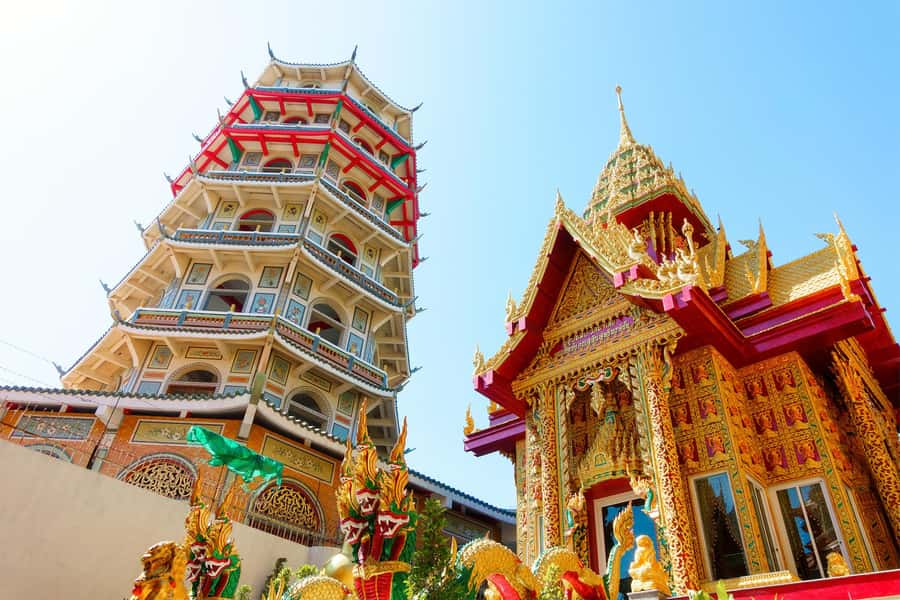
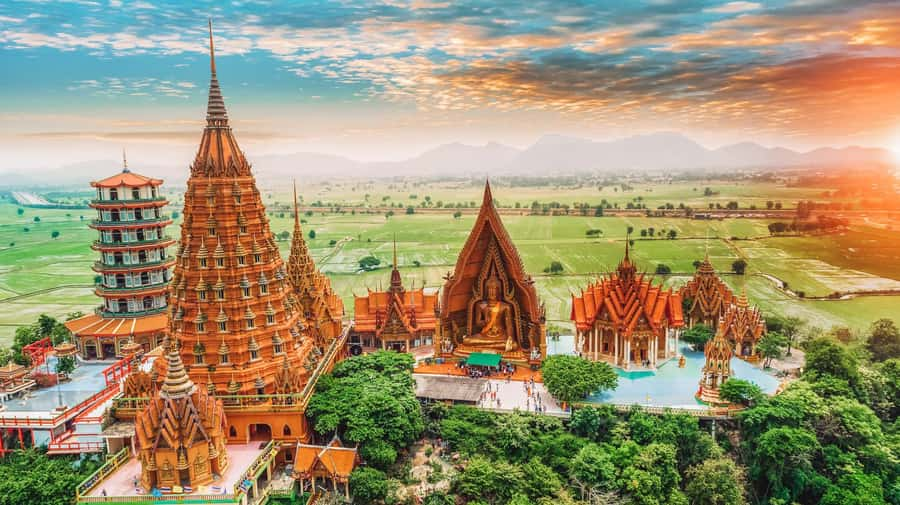
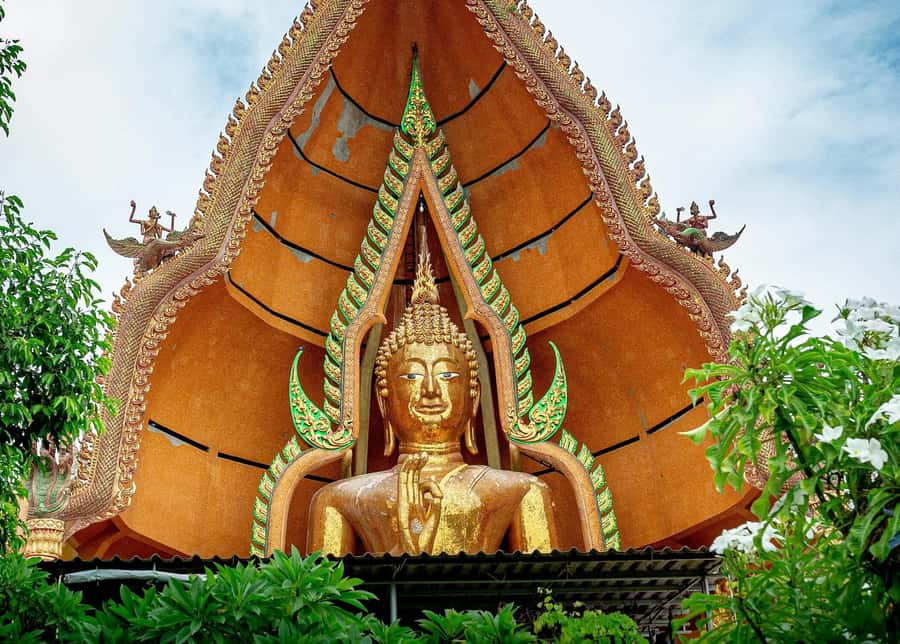
The final major sight is Wat Tham Suea, also called Tiger Cave Temple. The temple is known for tiger paw prints on the cave walls and a large, gleaming Buddha statue measuring 18 meters high.
The climb is steep. The tour information specifically excludes people with mobility impairments and is not suitable for pregnant women, so take that warning seriously. Even if you are generally active, the heat can make the stairs harder than expected. Wear sensible shoes, bring sunscreen, and carry water.
At the top, you get a close view of the Buddha and broad views of the surrounding area. I would treat the climb as an active part of the tour, not a quick temple visit. You need enough energy for the stairs, photos, and the return journey to the van.
Temple clothing is important. Short shorts, short skirts, and other revealing clothing are not permitted, so dress modestly from the start. Sunglasses, a sun hat, and sunscreen are also listed as useful items. A light, respectful outfit will save you from having to improvise at the entrance.
The guide can be especially helpful here. Na has been praised for assisting a visitor with mobility difficulties at the temple and for taking memorable photos. That does not make the climb suitable for everyone, but it suggests that a considerate guide can help you manage the stop within your limits.
Transport and timing shape the day
The tour lasts eight hours, with pickup in Mueang Kanchanaburi District or Lat Ya. Pickup is offered from hotels or registered accommodations, not from roadsides or shopping malls. You can also meet the guide at the Kanchanaburi Bus Terminal when that option applies.
The operator confirms the pickup time and meeting point by email the evening before. You should be ready in your hotel lobby 10 minutes early and look for a guide holding a TripGuru sign.
The van is air-conditioned, which matters during a full day in central Thailand. The schedule includes about 30 minutes to the first stop and about 90 minutes on the return, so the vehicle is not just a short transfer between nearby sights. Bring water, although drinking water is supplied, and use the van time to rest.
The normal tour is a small group of no more than nine participants. A private tour option includes hotel pickup and drop-off. If you are comparing prices, check which format you are booking, since private transport can change the value for families or small groups.
How the guides affect the experience
The strongest praise for this tour focuses on the guides. Na has been described as energetic, caring, helpful with photography, and attentive to mobility needs. That matters on a day where you move from a solemn cemetery to a busy bridge, a railway station, and a demanding temple climb.
Ricky has also been praised for speaking clear English and explaining the historical material with enthusiasm. The tour is available in Thai and English, so confirm your preferred language when booking.
A guide cannot change the basic shape of the day. The museum remains compact, the bridge stop remains brief, and the temple still requires stairs. But a good guide can connect those pieces and help you understand why each one belongs in the same itinerary.
Who should book this tour
I would recommend this tour if you want a structured introduction to Kanchanaburi’s wartime sites and do not want to arrange several transfers yourself. It suits first-time visitors, small groups, and anyone who values a guide’s explanation rather than simply collecting photographs.
It is also a good fit if you want a mix of history, railway scenery, and a temple visit. The cemetery and museum are serious, the bridge and Tham Krasae provide visual interest, and Tiger Cave Temple gives the day a physical and cultural finish.
I would hesitate if your top priority is riding the Death Railway. You will see the railway and watch trains pass, but you will not travel by train. I would also choose another plan if steep stairs, heat, or long van rides are a problem.
The free cancellation period is up to 24 hours before the activity, and the reserve-now, pay-later option keeps your plans flexible. Those policies are useful if your Kanchanaburi schedule is still changing.
Should you book it?
Book this day tour if you want the main Kanchanaburi landmarks covered with an English-speaking guide, air-conditioned transport, and a small group. The cemetery, JEATH Museum, bridge, and Tham Krasae railway section give you a solid understanding of the area, while Tiger Cave Temple adds a more active final stop.
Skip it if you specifically want a train ride, a slower museum visit, or a day without steep climbing. For the right visitor, $96 is a fair price for the convenience and the amount covered, but the tour’s value depends on accepting that lunch and the train fare are not included.
FAQ
How long is the Kanchanaburi River Kwai tour?
The tour lasts eight hours, including transport between the stops and the return to your accommodation or drop-off point.
What sights are included?
The tour includes the Kanchanaburi War Cemetery, JEATH War Museum, Bridge over the River Kwai, Tham Krasae Bridge railway station, a local café break, and Wat Tham Suea, also called Tiger Cave Temple.
Is a train ride included?
No. The tour visits a railway section at Tham Krasae, where you can see trains pass, but the experience does not include a train journey.
Is lunch included in the price?
No. Lunch is not included, so you should pay for your meal at the Tham Krasae stop. Personal expenses are also excluded.
How many people are in the group?
The shared tour is limited to nine participants. A private tour option is also available.
What should I wear to Tiger Cave Temple?
Wear clothing that covers your legs appropriately. Short shorts and short skirts are not allowed, and visitors are asked to dress properly when entering the temple.
Is the tour suitable for people with mobility impairments?
No. The tour is not suitable for people with mobility impairments because Wat Tham Suea involves a steep hike. It is also not suitable for pregnant women.
New on the timetable around Thailand
- Amphawa Floating Market and Maeklong Railway Private Afternoon Tour from Hua Hin★ 4.5 · 9 reviews
- Small Group: Kanchanaburi Death Railway, Erawan Waterfall and Elephant★ 4.0 · 3 reviews
- Train trip death railway Bridge on river Kwai from Bangkok to Kanchanaburi trip★ 4.0 · 17 reviews
- Historic Kanchanaburi:Train, Boat, Skywalk from Bangkok(No Lunch)★ 5.0 · 2 reviews
- Private tour : Railway & Floating Market and the Bridge over river Kwae★ 5.0 · 2 reviews
- Private Tour to Kanchanaburi Death Railway and Elephant Haven★ 5.0 · 15 reviews
- Maeklong & Damnoen Saduak Markets: Railway & Floating Market Tour★ 4.0 · 17 reviews
- Historic Kanchanaburi: Train, Boat & Skywalk + Lunch From Bangkok★ 4.5 · 3 reviews
Other Death Railway Tours worth a seat
Bridge on the River Kwai and Thailand-Burma Railway Tour
Read our review →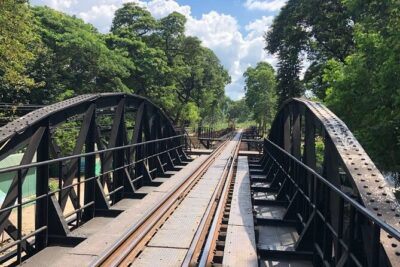
Bridge over River Kwai and Hellfire Pass Tour with Train Ride
Read our review →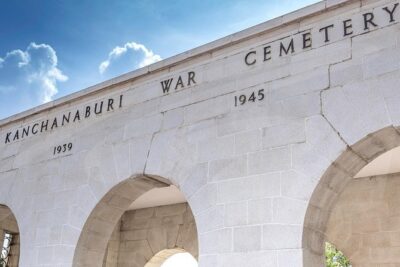
Private Tour: Thai–Burma Death Railway Bridge on the River Kwai from Bangkok
Read our review →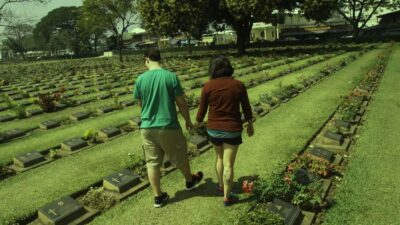
Death Railway & River Kwai Bridge Private Tour
Read our review →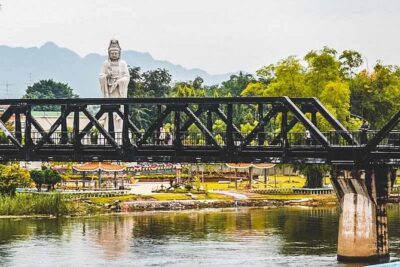
Private Tour: Death Railway, Hellfire Pass and Erawan Waterfall
Read our review →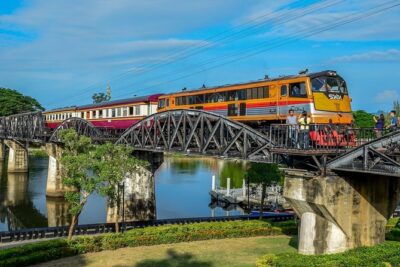
Erawan Waterfalls-Death Railway & River Kwai Tour
Read our review →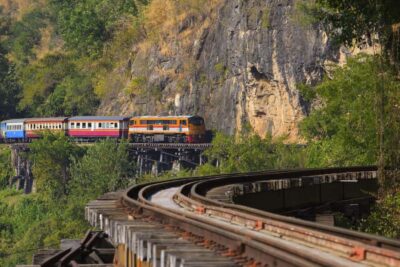
Lists this ride appears on