
Review · BANGKOK
From Bangkok: Death Railway & Hellfire Pass Tour with Lunch
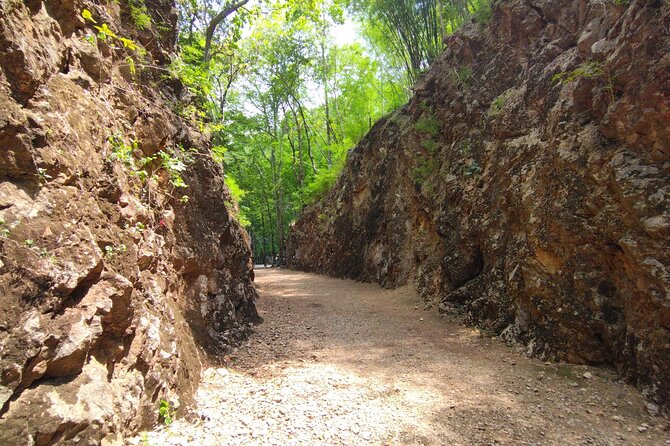
Hellfire Pass is the heart of this trip: a rough cut through rock where Allied prisoners of war and Asian laborers were forced to build railway line under brutal conditions. You walk through the cutting, then ride a surviving section of the Death Railway beside the Khwae Noi River.
I like the thoughtful mix of sites, from the quiet cemetery to the train ride and museum. I also like the small-group feel, air-conditioned transport, and local lunch, with guides such as Luke, Alex, Travis, and Ken praised for clear explanations and personal care. The catch is the distance: with pickup around 6:00 to 7:00 AM and Bangkok traffic on the return, this can become a 12-hour day.
Key points to know before booking
- Hellfire Pass is the emotional center: The memorial museum and walking trail give physical scale to the suffering behind the railway.
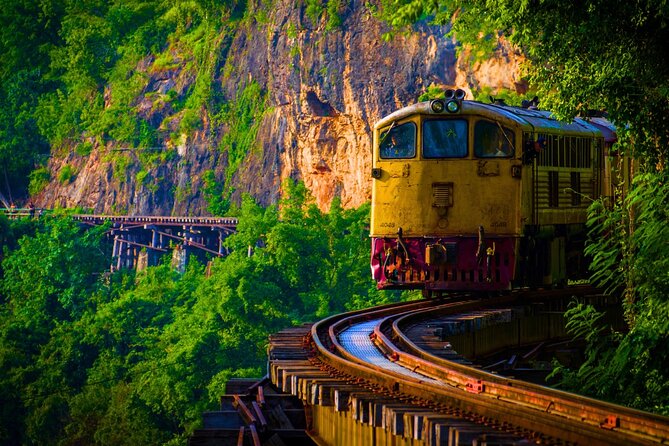
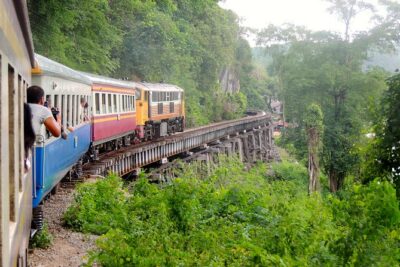
- The train ride lasts about 45 minutes: You cross the Tham Krasae wooden viaduct and see rural Thailand from an open-sided carriage.
- You visit three distinct wartime sites: Hellfire Pass, the railway museum, and Kanchanaburi War Cemetery each tell a different part of the story.
- Lunch is a real strength: The meal is served at a local restaurant, and guides have helped with vegetarian meals and food allergies.
- The day is carefully packed: You get a lot for $82, but some stops may feel short, especially the cemetery.
- This is not an easy-access outing: The Hellfire Pass walk, long transfers, and train boarding make it unsuitable for wheelchair users, pregnant women, children under four, people with mobility impairments, and people over 70.
Why Hellfire Pass gives this day its purpose
Many day trips from Bangkok chase temples, markets, or photo stops. This one asks you to slow down and think. Kanchanaburi is beautiful, with forested hills and river views, but its most important sights carry the weight of World War II.
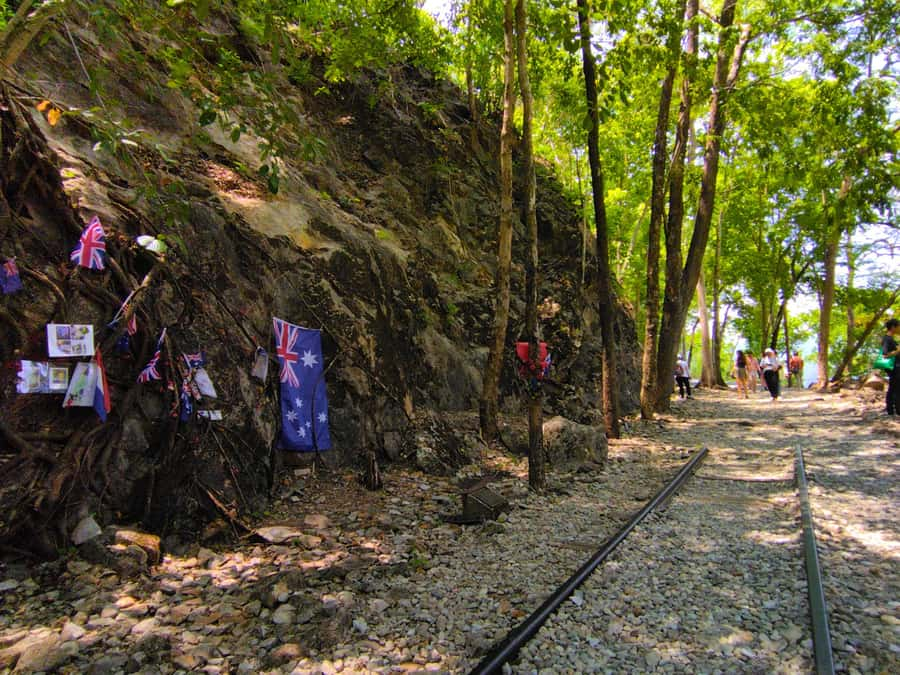
At the Hellfire Pass Memorial Museum, you learn how the railway was pushed through the mountains between Thailand and Burma, now Myanmar. The cutting itself was made by hand under terrible conditions. The name comes from the torchlit work carried out through the night, when the prisoners and laborers looked like figures moving through fire.
The museum sets the story before you walk. That order matters. Without the background, the rock walls can look like a simple engineering oddity. With it, the narrow passage becomes a place of memory. The museum tells the human story, while the trail gives you a physical sense of the labor involved.
You should expect a reflective visit rather than a light sightseeing stop. Wear sturdy, comfortable shoes, bring a hat and sunscreen, and carry a camera only if you can use it respectfully. The trail is one of the more active parts of the day, so it may not suit anyone who finds uneven walking difficult.
The scheduled visit lasts about 1.5 hours, including the museum and walk. That gives you enough time to understand the site, though a particularly interested visitor may wish for more. The group must keep moving because the train and later stops are fixed.
More Death Railway Trips around Bangkok:
- Bridge on the River Kwai and Thailand-Burma Railway Tour
★ 4.5 · 658 reviews - Bridge on the River Kwai and Thailand-Burma Railway Guided Tour
★ 4.5 · 353 reviews - Bridge over River Kwai and Hellfire Pass Tour with Train Ride
★ 5.0 · 199 reviews
The long morning drive from Bangkok to Kanchanaburi
The van ride takes about 3.5 hours, so this is not a quick escape from the city. Pickup is included from Bangkok hotels, including areas such as Chatuchak, Lat Phrao, Bang Khen, Don Muang, and Suvarnabhumi. You provide your hotel name and address, then wait in the lobby 15 minutes before the confirmed pickup time.
The guide contacts you by 10:00 PM the evening before with the exact time. Keep your phone nearby that night. Pickup usually falls between 6:00 and 7:00 AM, and an early start helps fit the major sites into one day.
The air-conditioned minivan is a welcome part of the package. It gives you a cool place to rest between stops, though no vehicle can erase the distance. Bring water, especially in hot weather. One useful improvement would be to provide a bottle of water, since the train and walking sections can feel hot.
The drive is also part of the change in mood. Bangkok gradually gives way to smaller communities and rural views. You are not just being transported to a monument. You are moving from Thailand’s modern capital into a province where wartime history remains central to the identity of several towns.
Walking the Hellfire Pass memorial trail
The Hellfire Pass stop combines a museum visit, guided explanation, and walk. The guide is important here. A good guide gives names and context to people who could otherwise become a collection of statistics.
Guides named Luke, Alex, Travis, Ken, Art, Mod, and Steven have been especially praised for explaining both the railway and Thai culture. Art has also taken photographs for visitors and sent them afterward, while other guides have helped people find good photo positions without turning the visit into a rushed picture stop.
Once outside, you walk through the rock cutting. It is a simple experience in physical terms, but a powerful one in human terms. The narrow walls make the work feel less abstract. You can see why the railway required such a huge effort and why the site has become a memorial rather than just an old transport route.
Give yourself permission to be quiet here. The museum and trail are not amusement-park attractions, and the strongest part of the visit is often the contrast between the peaceful setting and the suffering it represents.
If someone in your group cannot manage the walk, tell the guide early. One family skipped the trail because of mobility concerns and had time for a small waterfall detour instead. That kind of flexibility depends on the day’s schedule, so you should not count on it, but it shows why an attentive guide matters.
Lunch beside the river before the train
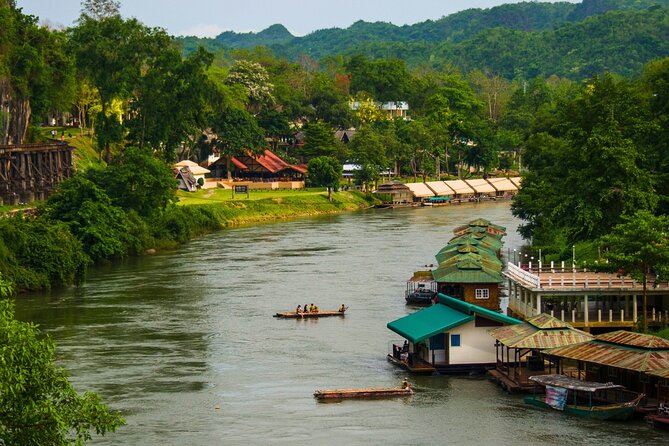
Lunch is included at a local restaurant near Namtok Station and usually lasts about an hour. This is a practical break after the morning drive and memorial visit, but it also adds a taste of everyday Thailand to a day otherwise focused on war history.
The food is described as a Thai buffet or local meal, with several people praising its flavor and setting. One guide arranged an extra dish for a vegetarian diner, and another helped with a food allergy. Tell your guide about dietary needs as soon as the day begins. The supplied information does not promise a particular menu, so flexibility is wise.
The meal is one reason the $82 price feels fair. You are paying for hotel transport, an English-speaking guide, entrance fees, lunch, the van, and the train ticket. Buying each part separately could be awkward, especially when you are trying to connect a remote museum, a train departure, and sites around Kanchanaburi in one day.
Drinks beyond the included meal are not covered. Bring cash or a payment method for extra beverages, and do not assume bottled water is supplied.
More Train Journeys around Bangkok:
- Day Trip to Bangkok Floating Market & Maeklong Railway
★ 5.0 · 1,528 reviews - Bangkok: Railway and Floating Market Tour with Dragon Temple
★ 4.6 · 1,225 reviews - Private Excursion to Maeklong Railway and Floating Markets
★ 5.0 · 850 reviews - From Bangkok: Railway & Damnoen Saduak Floating Market Tour
★ 4.6 · 775 reviews
Riding the Death Railway through rural Thailand
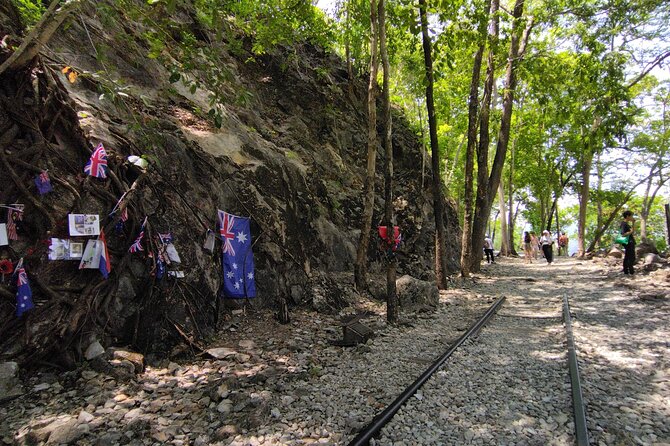
The train ride lasts about 45 minutes and begins near Namtok Station. This is the most relaxed part of the outing. After the somber morning, you sit back and watch rural Thailand pass by.
The historic railway was built during World War II by Allied prisoners of war, along with other forced laborers. Thousands died during its construction, which explains the name Death Railway. The ride does not recreate that suffering, of course. Its value is that it lets you see the difficult route the railway follows.
The train crosses the Tham Krasae wooden viaduct, built along a cliff above the Khwae Noi River. This is the scenic highlight, and you will want your camera ready. Guides sometimes help position the group on the better side of the train for views and photographs, although seats cannot be guaranteed in every situation.
The carriage may feel warm, and the ride can seem longer if you are expecting a short scenic hop. That is not necessarily a flaw. The train gives you time to look beyond the famous bridge and see villages, river scenery, and ordinary railway life.
You should not book this day only for a polished railway excursion. The train is historic, practical, and tied to a painful past. That combination is what gives the ride its meaning.
The Bridge over the River Kwai and Kanchanaburi’s museums
The Bridge over the River Kwai is a short visit, about 20 minutes. You have time for photographs, views, and a guide’s explanation, but not an extended exploration.
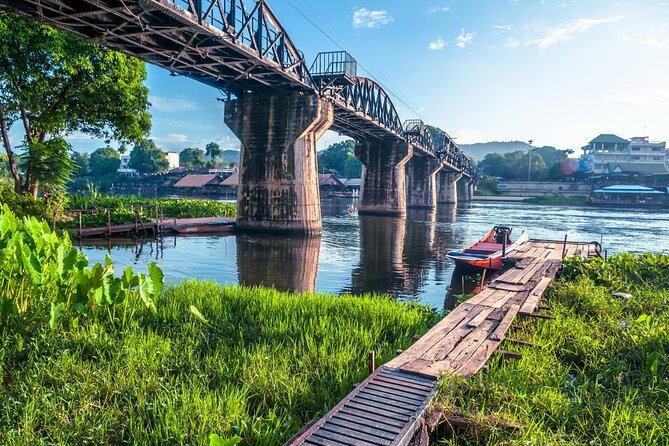
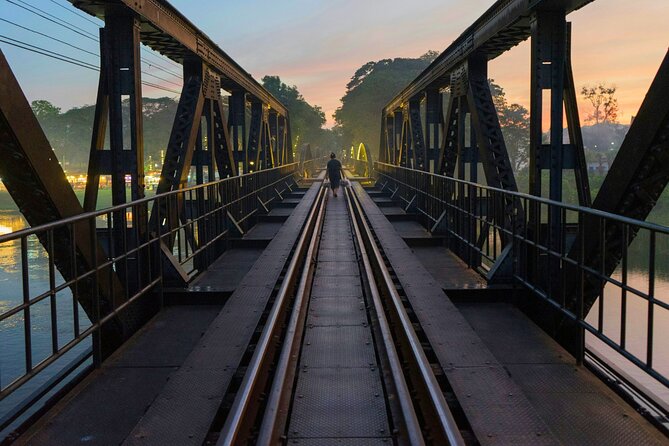
The bridge is famous because it has become a symbol of the railway and the suffering connected to its construction. It is also an active visitor site, so expect a more public and photographic atmosphere than at Hellfire Pass. Listen to the guide before wandering off, since the stop is brief and the schedule continues.
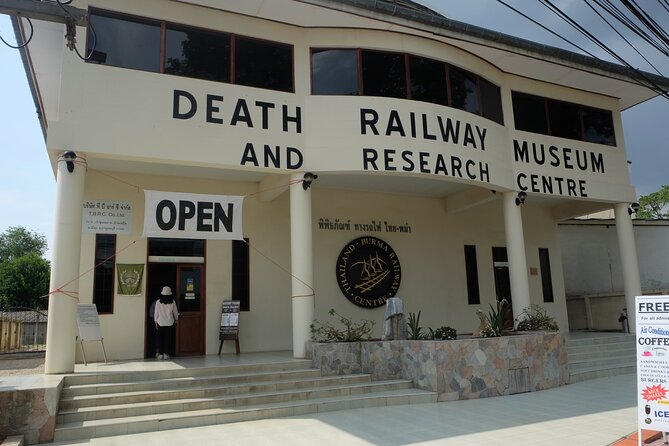
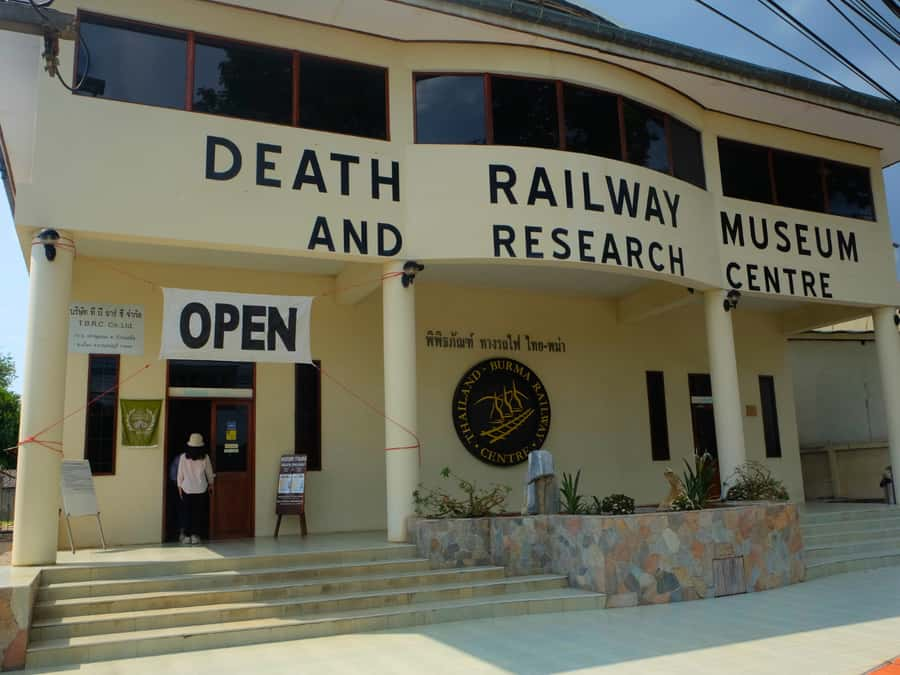
The Thailand-Burma Railway Museum adds another layer. The museum visit lasts around 40 minutes and helps connect the railway’s engineering, wartime events, and human cost. It is a useful stop for anyone who wants more than a bridge photograph.
The order of the day works well. Hellfire Pass makes you think about the labor. The train shows you the route. The bridge gives you the famous landmark. The museum then helps organize the story. You are seeing the same subject through rock, rail, architecture, and exhibits.
Some people may wish for longer at the museums. If you read every display carefully, you may have to move at a good pace. Still, the guide can point out the most important material and answer questions along the way.
A quiet pause at Kanchanaburi War Cemetery
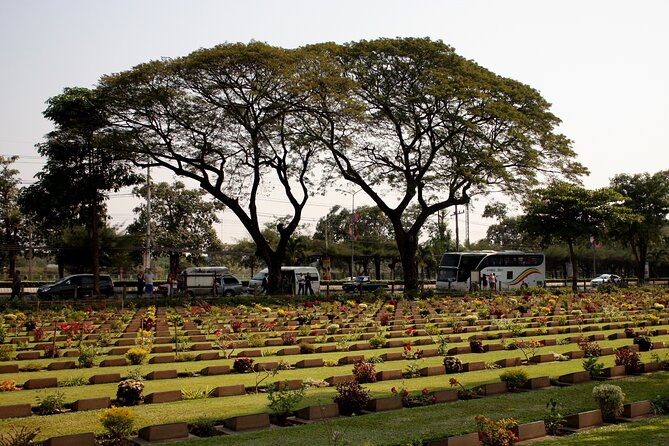
The War Cemetery is perhaps the simplest stop, but it can be the most affecting. The grounds are carefully maintained, with rows of graves for those who died during construction of the railway.
You have about 20 minutes here, including a guided visit and time for photographs. That is enough to pay respects, but it can feel short if you want to read many names or sit quietly. One useful tip is to save a little personal time here rather than spending every minute taking pictures at the bridge.
The cemetery changes the scale of the day. At Hellfire Pass, you see the work site. At the museum, you hear the story. Here, the human cost becomes individual. It is a respectful place, and you should treat it as a memorial first and a sightseeing stop second.
The guide’s tone matters. Strong guides such as Mod, Luke, Alex, and Travis have been praised for being warm and attentive while handling difficult material with care. The best explanations do not turn tragedy into a lecture contest. They give you enough history to understand what you are seeing, then leave room for reflection.
How the timing and group size affect the experience
This is a full day, not a casual half-day outing. You may leave your hotel near 6:00 AM and return around 7:00 PM, especially when Bangkok traffic is heavy. The long return is the main cost in comfort.
The benefit is that the tour removes the hard work of coordinating distant sites. You do not have to arrange a separate driver, find a train ticket, or work out how to connect Hellfire Pass with the bridge and cemetery.
Private and small-group options are available. A smaller group usually makes it easier to ask questions, move through the sites, and discuss food needs. It also helps the guide adjust the pace when possible. The experience is not fully private unless you choose that option, so confirm the group type when booking if personal attention matters to you.
At $82 per person, the package is good value for a history-minded visitor. The price covers the major costs and gives you a guide for a subject that benefits from explanation. It is less attractive if you dislike early starts, long van rides, or scheduled sightseeing.
The tour is not suitable for children under four, pregnant women, wheelchair users, people with mobility impairments, or people over 70. Those limits reflect the walking, train boarding, heat, and long day. Comfortable shoes, a hat, sunscreen, and water are sensible choices.
Hellfire Pass is closed on December 5, 24, 25, 26, 27, and 31, 2025, as well as January 1, 2026. On those dates, the substitute attraction is Wat Tham Suea, also called Tiger Cave Temple. Check the date before booking if Hellfire Pass is the main reason you want the tour.
Who should book this Kanchanaburi day trip?
I would choose this tour if you want a serious history day with enough scenery to keep it from becoming a museum-only outing. It suits adults, couples, families with older children who can handle the pace, and anyone who wants to understand the Death Railway beyond the famous bridge.
It is also a good choice if you are staying in Bangkok and do not have time for an overnight visit to Kanchanaburi. The included transport and tickets make the trip simple, and the local lunch breaks up the long schedule.
I would think twice if you want a slow holiday day. The early pickup, 3.5-hour outward drive, walking trail, train schedule, and Bangkok traffic leave little room for lounging. People with mobility concerns should ask about alternatives before booking rather than assume the trail will be easy.
Should you book the Death Railway and Hellfire Pass tour?
Book it if Hellfire Pass, wartime history, and a real train ride appeal to you. The day is long, but the combination of memorial trail, local meal, railway journey, bridge, museum, and cemetery gives you a fuller picture than a quick bridge visit.
The strongest reason to go is not the famous photograph. It is the chance to connect the railway’s physical route with the people who built it and died there. Guides such as Luke, Alex, Travis, Ken, and Mod have helped make that connection clear, while the small-group setup and included lunch keep the day practical.
Go prepared for heat, walking, early hours, and a return through Bangkok traffic. If you can accept those limits, $82 buys a well-planned and deeply worthwhile day beyond the capital.
FAQ
How long does the tour last?
It is a one-day tour. Pickup is usually between 6:00 and 7:00 AM, and the return can be around 7:00 PM depending on Bangkok traffic.
Is hotel pickup included?
Yes. Hotel pickup and drop-off are included for hotels in Bangkok and listed outskirt areas such as Chatuchak, Lat Phrao, Bang Khen, Don Muang, and Suvarnabhumi.
What language does the guide speak?
The live guide speaks English.
How long is the train ride?
The train portion lasts about 45 minutes.
Is lunch included?
Yes. Lunch at a local restaurant near Namtok Station is included. Extra meals and beverages are not included.
What should I bring?
Bring comfortable shoes, a hat, sunscreen, and a camera. Water is also a sensible addition, especially in hot weather.
Is the tour suitable for wheelchair users?
No. The tour is not suitable for wheelchair users or people with mobility impairments.
What happens if Hellfire Pass is closed?
Hellfire Pass is closed on December 5, 24, 25, 26, 27, and 31, 2025, and January 1, 2026. Wat Tham Suea, or Tiger Cave Temple, is used as the alternative attraction on those dates.
New on the timetable around Bangkok
- Small Group: Kanchanaburi Death Railway, Erawan Waterfall and Elephant★ 4.0 · 3 reviews
- Train trip death railway Bridge on river Kwai from Bangkok to Kanchanaburi trip★ 4.0 · 17 reviews
- Historic Kanchanaburi:Train, Boat, Skywalk from Bangkok(No Lunch)★ 5.0 · 2 reviews
- Private tour : Railway & Floating Market and the Bridge over river Kwae★ 5.0 · 2 reviews
- Private Tour to Kanchanaburi Death Railway and Elephant Haven★ 5.0 · 15 reviews
- Maeklong & Damnoen Saduak Markets: Railway & Floating Market Tour★ 4.0 · 17 reviews
- Historic Kanchanaburi: Train, Boat & Skywalk + Lunch From Bangkok★ 4.5 · 3 reviews
- River Kwai Bridge and Death Railway World War II Tour in Thailand★ 5.0 · 2 reviews
Other Death Railway Tours worth a seat
Bridge on the River Kwai and Thailand-Burma Railway Tour
Read our review →
Bridge over River Kwai and Hellfire Pass Tour with Train Ride
Read our review →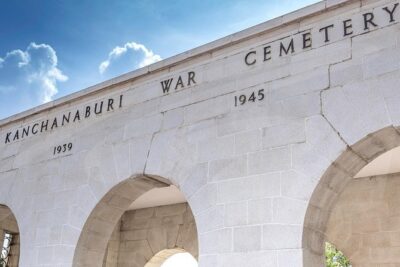
Private Tour: Thai–Burma Death Railway Bridge on the River Kwai from Bangkok
Read our review →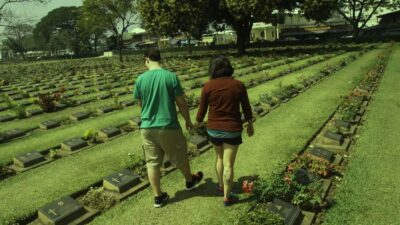
Death Railway & River Kwai Bridge Private Tour
Read our review →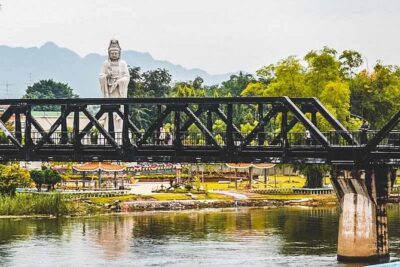
Private Tour: Death Railway, Hellfire Pass and Erawan Waterfall
Read our review →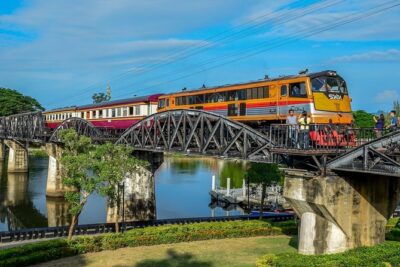
Erawan Waterfalls-Death Railway & River Kwai Tour
Read our review →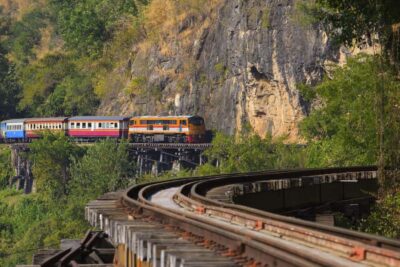
Full-Day Kanchanaburi River Kwai & Death Railway Private Tour
Read our review →Lists this ride appears on