
Review · TOKYO
Bullet Train and Mt. Fuji Famous Food Tour
The best part of this day is that it takes you beyond the standard Mt. Fuji photo stop. You ride the Shinkansen from Tokyo, then spend time in Fujinomiya eating the food that gives this small city its identity. The day includes six food stops, sake and tea tasting, a shrine, and the Mt. Fuji World Heritage Centre.
I like the mix of local food and easy rail travel. Your guide handles the long-distance train journey, while you get a look at Fujinomiya through shops and restaurants rather than only from a bus window. I also like the guides’ personal touch. Norma, Sandra, Josh, Lauren, and Alex are named as guides connected with this experience, and Josh in particular is noted for helping visitors understand the town and Mt. Fuji.
The main drawback is the price: $638 per person is a serious outlay for a seven-hour day. You also need good weather for the mountain views, and the early bento served on the train may arrive before you feel hungry. Restaurant stops, the exact schedule, and even some sights can change.
The day in brief
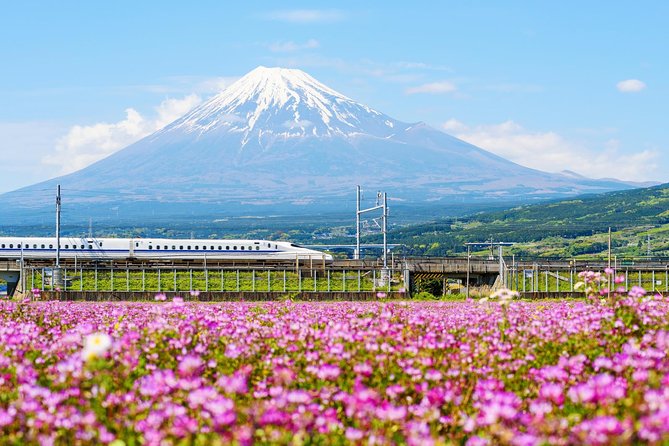
- Shinkansen from Tokyo: Your day begins at 8:30 a.m. near Tokyo Station, with a guided bullet train journey toward Fujinomiya.
- Six food stops: Expect regional dishes, snacks, sake, tea, and opportunities to buy extra food or drinks.
- Fujinomiya specialties: Local yakisoba is a major food highlight, along with a meal at an 80-year-old restaurant using local ingredients.
- Mt. Fuji culture: The Mt. Fuji World Heritage Centre and Fujisan Honguu Sengen Taisha give the day more substance than a simple food crawl.
- Small-group feel: The maximum group size is 10, a useful limit for entering small shops and keeping conversation easy.
- Weather matters: Mt. Fuji may be hidden on the day, and poor weather can lead to a different date or a full refund.
Why Fujinomiya makes a better food day than a quick photo stop
Many Mt. Fuji outings are built around a viewpoint. That can work when the mountain is visible, but it leaves you with little to do when clouds roll in. This tour takes you to Fujinomiya, a city on the Shizuoka side of Mt. Fuji, where food, religious sites, and local businesses carry the day.
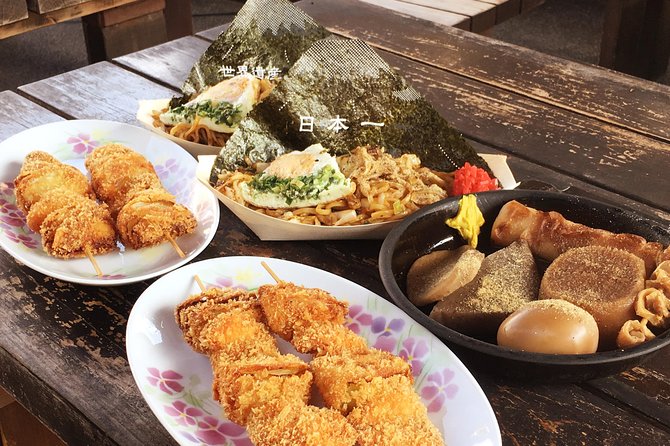
You get a look at the town through its flavors. The schedule includes six shops and restaurants, so you are not simply sitting down for one large meal and heading back. You’ll sample regional specialties, taste sake, drink green tea, and may prepare a traditional wagashi sweet. The food is the main thread, but it is tied to place.
That matters because tasting local food with a guide gives you context you would likely miss when ordering alone. The tour is designed around small producers, restaurants, and shops. It should suit you if you like asking what a dish is, how it is made, and why it belongs to this part of Japan.
The food is also spread across the day. You receive a bento lunch and snacks on the train, followed by the Fujinomiya food visits. One practical issue is timing: food served around 10 a.m. on the Shinkansen may feel early. If you are not hungry first thing, treat the train food as something to eat gradually rather than a meal you must finish at once.
More High-Speed Trains in Japan
- Mt Fuji & Hakone Cruise, Drum Show Bullet Train 1 Day from Tokyo
★ 4.0 · 7,413 reviews - Tokyo Mt Fuji 5th St & Hakone Cruise Bus Tour w/Bullet Train
★ 4.4 · 5,024 reviews - Mt. Fuji and Hakone Day Trip From Tokyo with Bullet Train Option
★ 4.0 · 368 reviews
Starting near Tokyo Station at 8:30 a.m.
The meeting point is at Apple Marunouchi in the Mitsubishi Building, at 2-chōme-5-2 Marunouchi. The tour returns to the same Mitsubishi Building area at the end of the day. This is convenient if you are staying or sightseeing in central Tokyo, but it is not hotel pickup.
Your guide travels with the group, and the operator asks you to coordinate in advance. That point is worth taking seriously. Contact the provider before the morning of the tour so you know exactly where to meet and how the guide will identify the group.
The early start is sensible. Fujinomiya is not a short hop from central Tokyo, and the seven-hour duration includes the outward and return rail journeys. You will have a full day, but not an open-ended one. Arriving late could affect the train and the carefully timed food stops.
The group limit of 10 is helpful here. A small party can move through local shops more easily than a large coach group. It also gives you a better chance to speak with the guide about food, sake, or the town’s connection with Mt. Fuji.
The Shinkansen ride, bento, and the value of the rail connection
The bullet train is not just transportation. It is one of the enjoyable parts of the outing. You leave Tokyo by rail, eat a bento and snacks along the way, and let the guide manage the trip instead of working out the train details yourself.
For a first visit to Japan, that can be worth a lot. The Shinkansen is fast, orderly, and easy to use once you understand the system, but rail travel can still feel stressful when you are watching station signs, platform numbers, and departure times. A guide removes much of that pressure.
The listing says round-trip bullet train tickets are included, while the general inclusions also mention return travel to your starting city. At the same time, the information says transportation costs are not included. Because those statements conflict, confirm exactly what is covered before paying. The JR Pass note is also important: people with a valid JR Pass may receive a reduced tour price, but they must contact the provider before booking.
The train meal is an appealing idea, especially because it begins the food theme before you reach Fujinomiya. Still, the schedule may put the bento at around 10 a.m. If you prefer a later breakfast, eat lightly beforehand and save some of the food for the ride back, if practical.
The Mt. Fuji World Heritage Centre
The first named sightseeing stop is the Mt. Fuji World Heritage Centre in Shizuoka. The supplied schedule gives this stop about 15 minutes and includes admission.
That is a brief visit, so set your expectations correctly. You are not getting a long museum session or a slow architectural tour. Instead, this stop gives the day a clear introduction to Mt. Fuji before the food-focused walking portion begins.
The centre is useful because it frames the mountain as more than a pretty shape in the distance. The day later takes you to a shrine and other local sites, so this short stop helps connect the mountain’s cultural importance with the town around it.
If Mt. Fuji is covered by cloud, the centre becomes even more valuable. You cannot control the weather, but an indoor cultural stop gives the outing some purpose when the famous view refuses to appear. The short timing also keeps the day moving toward Fujinomiya’s restaurants and shops.
More High-Speed Trains in Tokyo:
- Snow Monkey Park and Miso Production Tour Bullet Train from Tokyo
★ 4.5 · 26 reviews - Mt Fuji & Hakone Private Tour from Tokyo: Return by Bullet Train
★ 5.0 · 22 reviews - Bullet Train Experience & Mishima Shrine Private Tour from Tokyo
★ 5.0 · 9 reviews - 3-Day Private Tokyo and Nagano: Snow Monkeys, Tsukiji Market and Bullet Train
★ 5.0 · 2 reviews
Three hours of eating through Fujinomiya
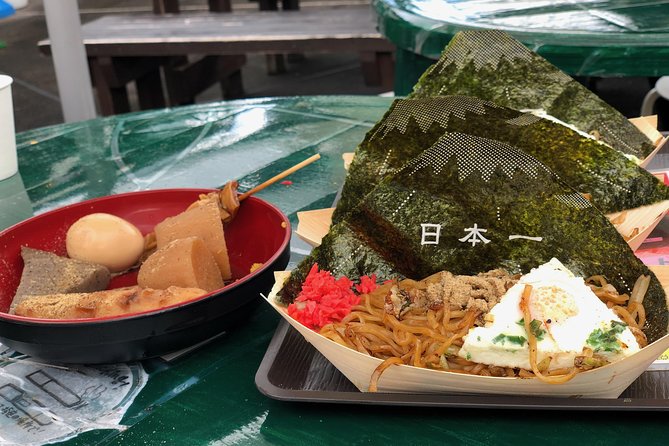
The core of the experience is a roughly three-hour tour of Fujinomiya with a local guide. You visit six food stops, which makes this feel more like a guided tasting walk than a conventional restaurant tour.
The exact dishes can change because restaurant schedules, holidays, weather, and other unexpected issues may force substitutions. That flexibility is practical, but it means you should not book the tour expecting one fixed menu. The promise is a range of regional foods, not a guaranteed list of every individual dish.
One clear highlight is Fujinomiya yakisoba. The food gets special attention in the available feedback, with one visitor calling it the best yakisoba they had tasted. You should not treat that as a guarantee of personal taste, but it tells you where the tour’s strongest food memory may come from.
The stops also include sake. The minimum drinking age is 21, and additional drinks or food can be purchased at your own cost. You can enjoy the tasting without turning the day into a drinking session, but tell the operator in advance about your preferences or dietary needs.
This is the kind of tour where pacing matters. Six stops in three hours can feel generous, but it can also feel busy if you want long meals or lots of shopping time. You are trading independence for variety. I would choose it if you want to sample many local foods, not if you prefer to spend an entire afternoon at one restaurant.
Lunch at an 80-year-old restaurant
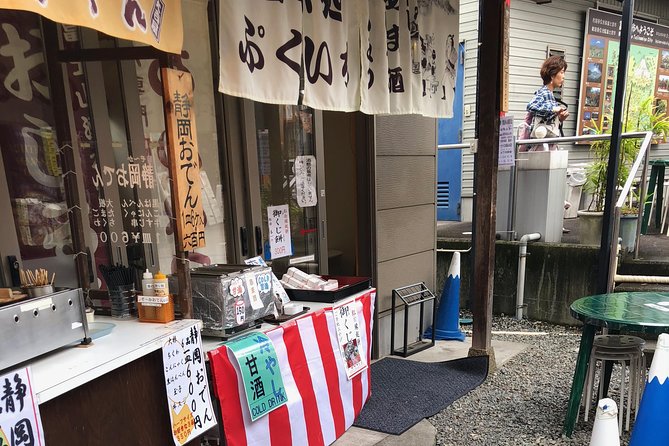
Lunch is served at an 80-year-old restaurant that uses local ingredients. That detail gives the meal a sense of continuity. You are not only eating something regional, you are eating in a place with decades of connection to the town.
The meal is part of the included food program, so you do not have to budget separately for the planned tastings. The exact menu is not provided, and substitutions are possible. If you have strong food preferences, contact the operator before booking rather than relying on last-minute changes.
The restaurant stop should be one of the day’s anchors. Short tastings are fun, but a sit-down meal lets you slow down and compare the smaller samples you have already tried. It also gives the guide a natural moment to explain local ingredients and customs.
Vegetarian, vegan, pescetarian, and gluten-free diets are listed as welcome. That is useful, but you should still disclose your needs ahead of time. Food tours depend on restaurant planning, and advance notice gives the provider a fair chance to arrange suitable choices.
Sake, green tea, and wagashi
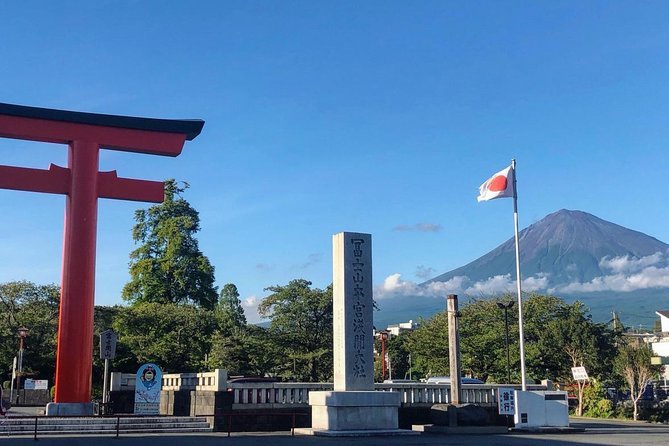
The tour is not limited to savory food. You also sample local sake and green tea, and a wagashi-making experience is available. Wagashi are traditional Japanese sweets, so this part gives you a chance to handle the food rather than only taste it.
The tea stop should appeal to you if you want a quieter pause in the middle of a busy tasting schedule. Green tea is closely tied to Japanese daily life and hospitality, and tasting it in the region adds a local touch to what could otherwise be a standard food excursion.
Sake tasting is more educational when you take it slowly. You can ask the guide about the flavor differences and the connection between the drink and local food. If you do not drink alcohol, the tour still includes enough other food and tea to give you a full day, but confirm the available alternatives when you book.
The wagashi activity is described as available rather than guaranteed in every departure. Ask whether it is scheduled for your date. That one question can prevent disappointment if sweet-making is the part that interests you most.
Fujisan Honguu Sengen Taisha and Daisenji
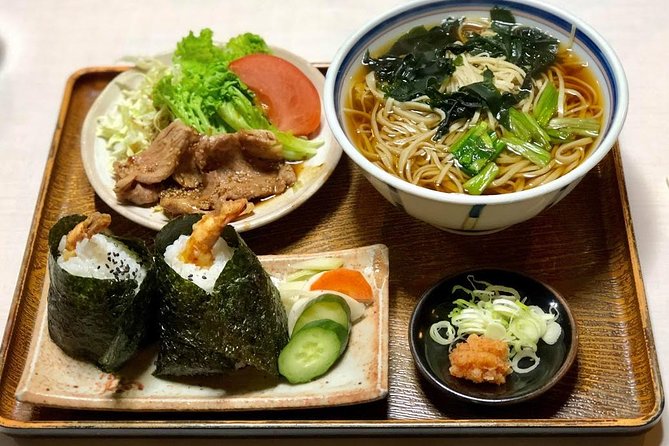
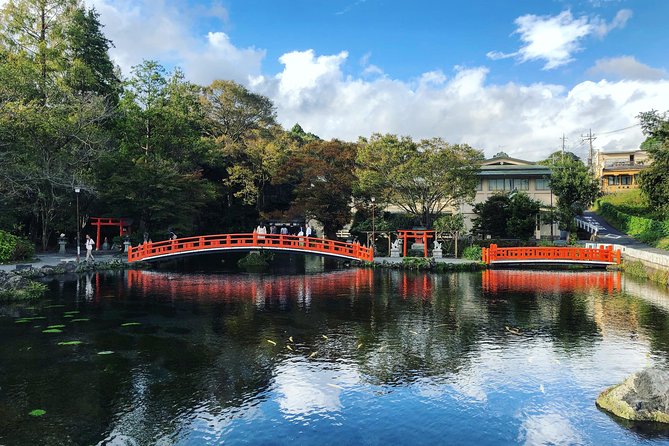
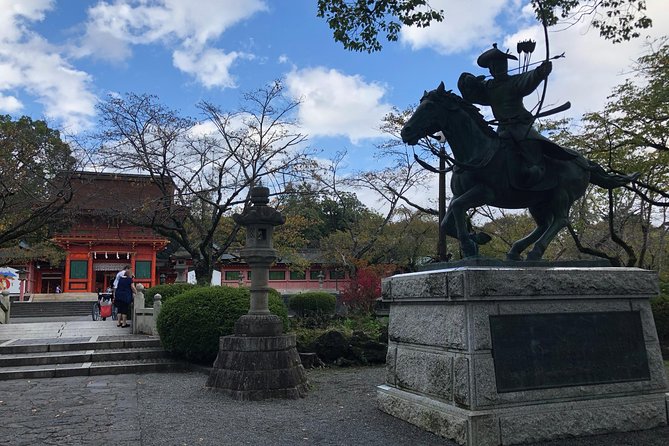
The day includes Fujisan Honguu Sengen Taisha, a local shrine with a strong connection to the mountain, and Daisenji. These stops provide a needed change of pace after the food visits.
A shrine visit makes sense here because Mt. Fuji is not only a natural landmark. It has long carried spiritual importance, and Fujisan Honguu Sengen Taisha gives you a place to see that connection in practice. The schedule also highlights the chance to catch views of Mt. Fuji from a local shrine.
Daisenji is listed as another stop, but the supplied details do not specify how long you stay or what portion of the site you visit. Keep your expectations flexible. Your guide will shape the visit around the day’s train times, food bookings, weather, and opening conditions.
These stops also help break up the tasting. You are likely to appreciate the walking and sightseeing more after several samples, and the physical movement is useful on a food-heavy day. The tour does require a strong level of physical fitness, so it may not be comfortable if you have trouble walking or standing for extended periods.
How much value does $638 offer?
At $638 per person, this is not a budget day trip. The price needs to cover more than food. It includes guided round-trip bullet train travel, the local guide, planned food stops, sightseeing, and the return journey, although you should clarify the transportation wording before booking.
I see the value in the convenience. You get a long-distance rail trip, a local food program, and a guide who keeps the day organized. You also avoid paying separately for every included tasting, which makes budgeting easier.
The price is harder to justify if you are already comfortable using Japanese trains, speak enough Japanese to order at local shops, and mainly want a Mt. Fuji photograph. You could likely spend less by arranging your own rail trip and eating independently.
I would consider the cost more reasonable for a first visit, a special occasion, or a small group that wants one carefully planned day. The maximum of 10 people is another plus, especially in compact restaurants and shops. Ask about the JR Pass reduction before booking if you have one, since it may change the calculation.
Who should book this Fujinomiya day?
This experience suits you best if you:
- Want local food to be the main reason for visiting Mt. Fuji
- Prefer a guide to handle the bullet train journey
- Enjoy trying several small portions rather than ordering one familiar meal
- Like mixing restaurants with shrines and cultural sights
- Are comfortable with an early start and a full seven-hour schedule
- Can walk and stand comfortably during the food tour
- Need vegetarian, vegan, pescetarian, or gluten-free arrangements, provided you notify the operator in advance
It is less suitable if you want a slow, private day, a guaranteed view of Mt. Fuji, or complete control over the menu. The mountain can disappear behind cloud, and restaurant stops may change.
The experience is family-friendly, but children must be accompanied by an adult. Passport information is required for children aged 10 and above. Solo visitors should email the operator before booking, as the provider specifically asks solo customers to make contact.
Weather, changes, and cancellation
Mt. Fuji is famously dependent on clear weather. If poor conditions make the experience impossible, the operator will offer another date or a full refund. Even on a day when the tour runs, the mountain may remain hidden, so book this for the food and culture as well as the view.
Restaurant schedules, public holidays, weather, and other unexpected events can alter the route. Substitutions may be made, and the exact food stops are not fixed. I see this as a normal part of a small-town food tour, but you should be comfortable with some uncertainty.
You can cancel for a full refund up to 24 hours before the start time. Changes or cancellations made less than 24 hours before the tour are not accepted for a refund. The experience may also be canceled if the minimum number of participants is not reached, in which case you receive a different option or a full refund.
Should you book it?
Book this tour if you want a guided taste of Fujinomiya rather than a quick Mt. Fuji lookout. The combination of Shinkansen travel, six food stops, local yakisoba, sake, green tea, a long-running restaurant, and shrine visits gives the day a clear sense of place.
I would book it after confirming two things: exactly which transportation costs are covered, and whether the wagashi activity is scheduled on your date. If your budget can handle $638 and you value convenience, the plan offers a lot in seven hours. If price matters most, arrange your own rail trip and spend the savings on food.
FAQ
Where does the tour start?
It starts at Apple Marunouchi in the Mitsubishi Building, 2-chōme-5-2 Marunouchi, Chiyoda City, Tokyo. The start time is 8:30 a.m.
Where does the tour end?
The tour returns to the Mitsubishi Building at the same Marunouchi location in Tokyo.
How long does the experience last?
The tour lasts approximately seven hours.
Is bullet train travel included?
The tour information says guided round-trip bullet train travel from Tokyo is included. It also mentions transportation costs as not included, so you should confirm the exact coverage with the provider before booking.
How many people can join the tour?
The maximum group size is 10 people.
Is lunch included?
Yes. The day includes a bento and snacks on the train, food at six local shops and restaurants, and lunch at an 80-year-old restaurant using local ingredients.
Can dietary requirements be accommodated?
Vegan, vegetarian, pescetarian, and gluten-free options are listed as available. Contact the provider in advance with your requirements.
Is alcohol included, and who can drink?
Sake tasting is included as part of the food program. The minimum drinking age is 21.
What happens if the weather is poor?
If poor weather causes the experience to be canceled, you will be offered another date or a full refund. The mountain may still be hidden by cloud on a day when the tour operates.
New on the timetable around Tokyo
- Train in Samurai Swordsmanship and Defeat the Demon in Tokyo★ 5.0 · 5 reviews
- Mt Fuji & Hakone Private Tour from Tokyo: Return by Bullet Train★ 5.0 · 22 reviews
- Tokyo-Izu: Volcano, Ocean& Capybara Cuddle with Izu Scenic Train★ 3.5 · 3 reviews
- Private tour with Yasushi and Yoko – by car, train, on foot★ 5.0 · 2 reviews
- Bullet Train Experience & Mishima Shrine Private Tour from Tokyo★ 5.0 · 9 reviews
- 3-Day Private Tokyo and Nagano: Snow Monkeys, Tsukiji Market and Bullet Train★ 5.0 · 2 reviews
- Tokyo: Kamakura & Enoshima Day Tour with Pickup & Train Ride★ 4.1 · 61 reviews
- Tokyo:Izu Penisula Train Mt Omuro, Capybara Sightseeing Trip★ 4.1 · 10 reviews
Other High-Speed Trains in Japan worth a seat
Mt Fuji & Hakone Cruise, Drum Show Bullet Train 1 Day from Tokyo
Read our review →
Tokyo Mt Fuji 5th St & Hakone Cruise Bus Tour w/Bullet Train
Read our review →
Snow Monkey Park and Miso Production Tour Bullet Train from Tokyo
Read our review →
Mt Fuji & Hakone Private Tour from Tokyo: Return by Bullet Train
Read our review →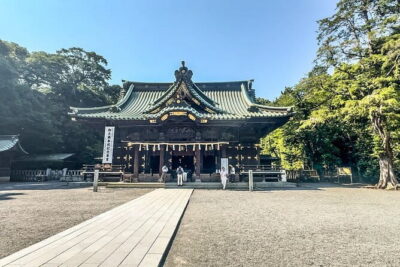
Bullet Train Experience & Mishima Shrine Private Tour from Tokyo
Read our review →
3-Day Private Tokyo and Nagano: Snow Monkeys, Tsukiji Market and Bullet Train
Read our review →Lists this ride appears on