
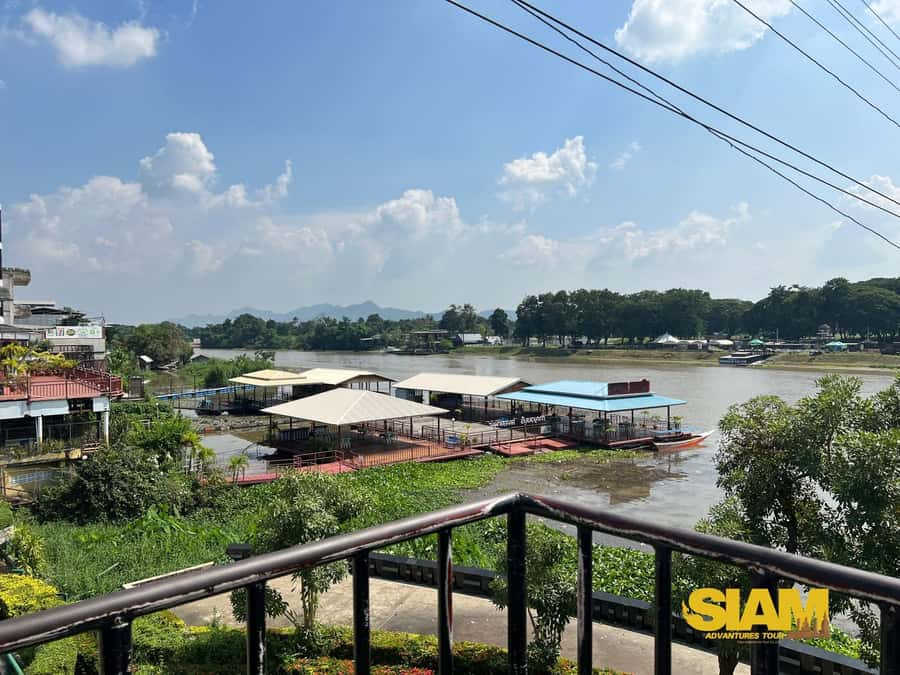
Review · BANGKOK
Erawan Waterfall, River Kwai & Railway Tour : From Bangkok
The best part of this long day is the sharp change of scene: you begin with the River Kwai Bridge and Death Railway, then finish beside clear pools and seven forested waterfall tiers. It connects a serious chapter of World War II with one of central Thailand’s best outdoor stops.
I like the included train ticket and park entry, which keep the day simple, and I like that you get real time to swim, walk, or sit by the water instead of treating Erawan as a quick photo stop. The drawback is the distance: roughly three hours each way in the van, so a train delay or thin guiding can make the $125 price feel less convincing.
The day in four useful points
- Bridge and railway in one outing: See the famous River Kwai Bridge, then ride a section of the Death Railway across the river.
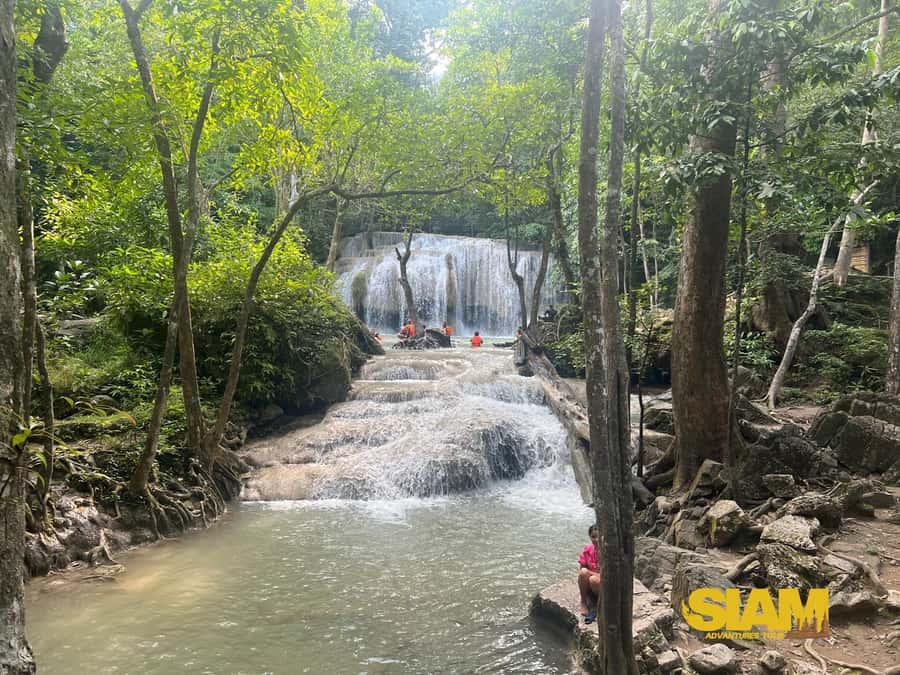
- Seven waterfall levels: Erawan offers swimming pools, walking paths, and many steps up the mountain.
- Central Bangkok pickup choices: Pickup areas include Khaosan Road, Chinatown, Asoke, Siam, Silom, Sathorn, Pratunam, and nearby districts.
- A full 12-hour commitment: Much of the day is spent driving, with about six hours of transport listed in the schedule.
- Lunch and park admission included: Thai lunch, train fare, and Erawan National Park entry are covered.
- Bring swim gear and cash: Pack a towel, change of clothes, sunscreen, water, and money for a golf cart or life jacket.
Why combine Kanchanaburi and Erawan
Kanchanaburi is far enough from Bangkok to feel like a proper day away, but close enough to reach without changing hotels. This tour uses the drive to link two very different experiences. The River Kwai portion deals with war, forced labor, and railway construction. Erawan is about water, shade, exercise, and a welcome break from city heat.
That contrast gives the day its shape. You are not spending twelve hours looking at similar temples or museums. One half asks you to pay attention to a difficult past. The other gives you time to cool off and enjoy Thailand outdoors.
The tradeoff is easy to see. Kanchanaburi is not around the corner from Bangkok, and Erawan National Park is farther beyond the bridge. You will spend about three hours in the van on the outward journey, then another three hours returning. I would choose this tour for the variety, not for a relaxed pace.
More Death Railway Trips around Bangkok:
- From Bangkok: Death Railway & Hellfire Pass Tour with Lunch
★ 4.6 · 931 reviews - Bridge on the River Kwai and Thailand-Burma Railway Tour
★ 4.5 · 658 reviews - Bridge on the River Kwai and Thailand-Burma Railway Guided Tour
★ 4.5 · 353 reviews
Leaving Bangkok before the long drive
Pickup is available from many central areas, including Khaosan Road, Chinatown, Ratchathewi, Phayathai, Pratunam, Ploenchit, Chidlom, Asoke, and parts of Sukhumvit. Exact pickup arrangements depend on your booking and location, so check the service area carefully. Private hotel pickup and drop-off are available only as an optional service in the stated areas. Join-group hotel pickup is not included.
The vehicle is air-conditioned, which matters in Thailand. Still, treat the ride as a major part of the day rather than a short transfer. Bring water and keep your small essentials close. Oversize luggage and large bags are not allowed, so this is best done with a daypack.
The guide may speak English, Thai, or German. Guide quality matters here because the railway stop needs context. Some feedback praises a precise, friendly guide and a comfortable vehicle with an excellent driver. Other feedback asks for more explanation about the past. If World War II history is your main reason for booking, tell the guide early that you want the background explained in detail.
The River Kwai Bridge, where the story begins
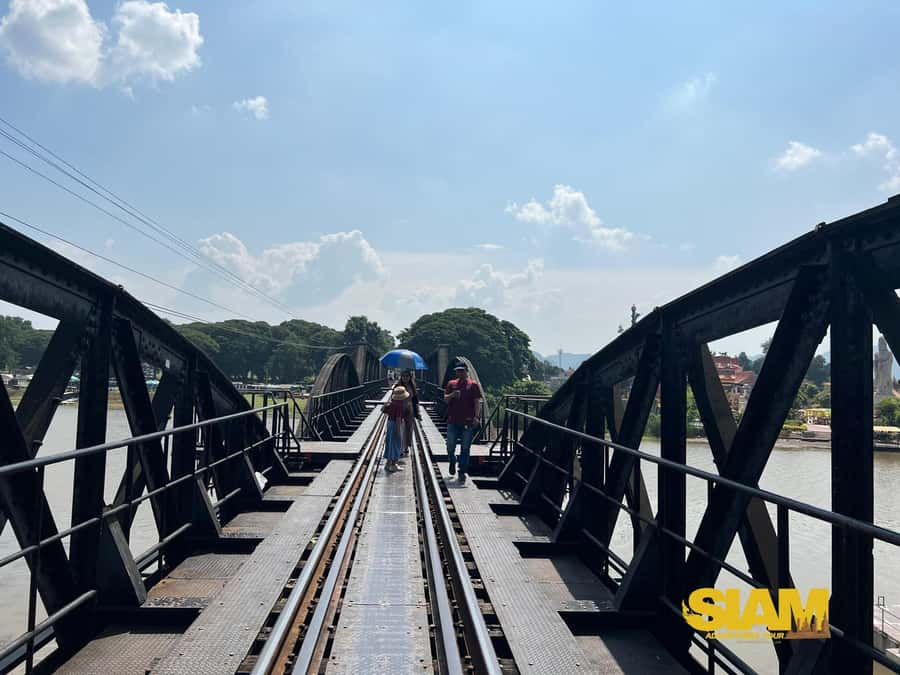
The Bridge Over the River Kwai is the first major stop. You get time for photographs, a walk, and a guided explanation of the bridge and railway project. This is not just a scenic river crossing. The railway is tied to the wartime Japanese effort to connect Thailand and Burma, using large numbers of prisoners of war and Asian forced laborers under brutal conditions.
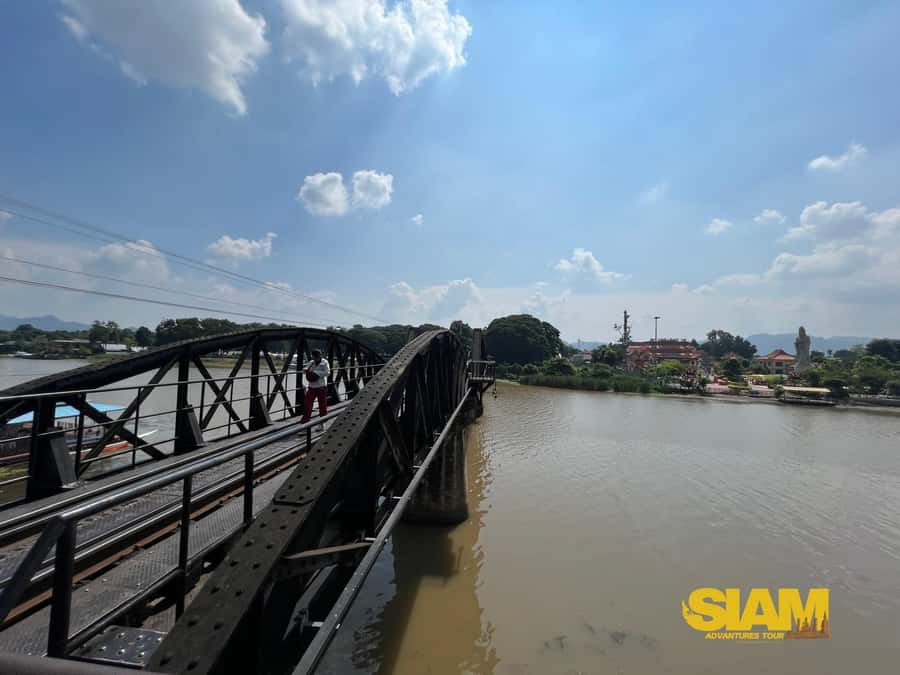
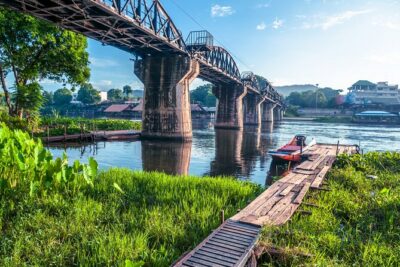
The site itself is open and visual. You can see the steel bridge, the river below, and the railway line that still carries trains. The bridge makes a strong photo stop, but the human story is what gives the visit weight. Listen for details about how the railway was built and who suffered during its construction.
Do not expect a long museum visit here. The stop is built around the bridge, walking, photographs, and your guide’s explanation. That works well for a first look, but it also means the quality and depth of the commentary can shape your impression. If you want a full account of the Burma Thailand Railway, you would need a separate museum or cemetery visit on another day.
The schedule gives this stop enough room for sightseeing rather than a rushed glance from the van. Wear shoes that are comfortable for walking, and keep your camera ready. The bridge is the kind of place where a few minutes spent looking down the railway line can say more than a dozen quick pictures.
Riding the Death Railway across the river
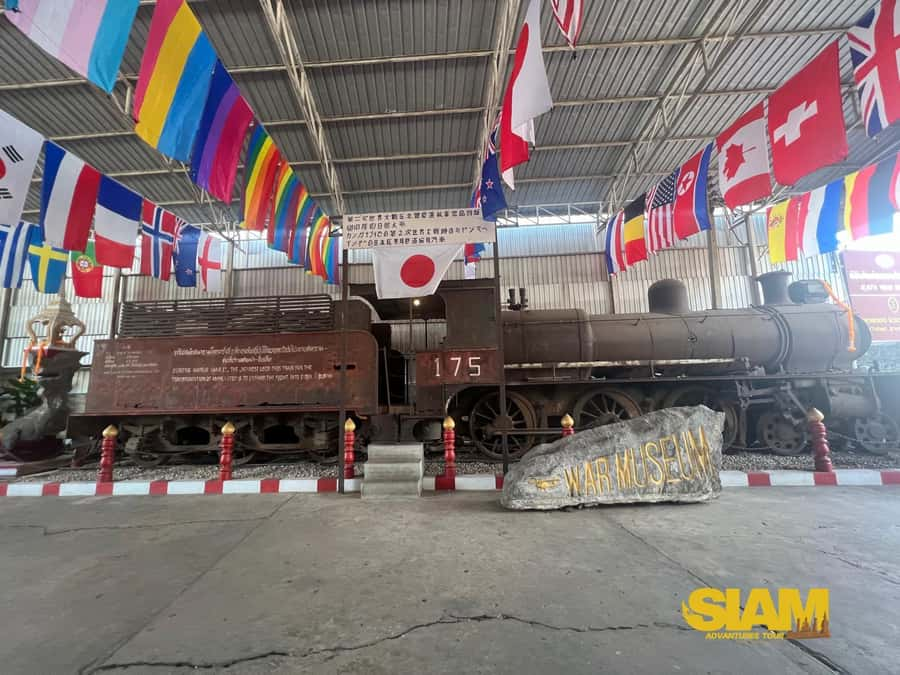
After the bridge, you continue by van for about an hour before the train portion. The included train ticket is one of the tour’s strongest features. It changes the railway from something you only see into something you experience.
The ride takes you across the river and along a working railway route. You will see views that are different from those around the bridge, and the slower pace lets the setting register. It also brings you closer to the ordinary side of the railway, where local residents may share the carriage.
Keep your expectations practical. This is not a luxury rail excursion, and the train is part of a public railway service. A service problem can happen. One booking reported that the train broke down halfway in, causing the passenger to miss much of the better part of the ride. That is an important risk to understand before paying for a long day built around several timed pieces.
Even with that risk, the train ticket adds value. You get a connection between the historical explanation and the physical route itself. I would treat the ride as a meaningful bonus, not the sole reason to book.
More Train Journeys around Bangkok:
- Day Trip to Bangkok Floating Market & Maeklong Railway
★ 5.0 · 1,528 reviews - Bangkok: Railway and Floating Market Tour with Dragon Temple
★ 4.6 · 1,225 reviews - Private Excursion to Maeklong Railway and Floating Markets
★ 5.0 · 850 reviews - From Bangkok: Railway & Damnoen Saduak Floating Market Tour
★ 4.6 · 775 reviews
Thai lunch before Erawan’s trails
The tour includes a Thai local lunch before the waterfall visit. That keeps the day moving and means you do not need to plan a separate meal during the park stop.
The meal is more than a fuel break if you appreciate atmosphere. A strong account describes a restaurant with traditional decoration, a tasty meal, and cheerful service. The exact menu is not specified, so do not book expecting one particular dish. Think of it as a convenient local meal included in the price.
You may want to carry a small snack anyway, especially if you are swimming and walking at Erawan. Drinks are not included, and the tour advises bringing water. Cash is also useful for small extras at the park.
Seven levels at Erawan National Park
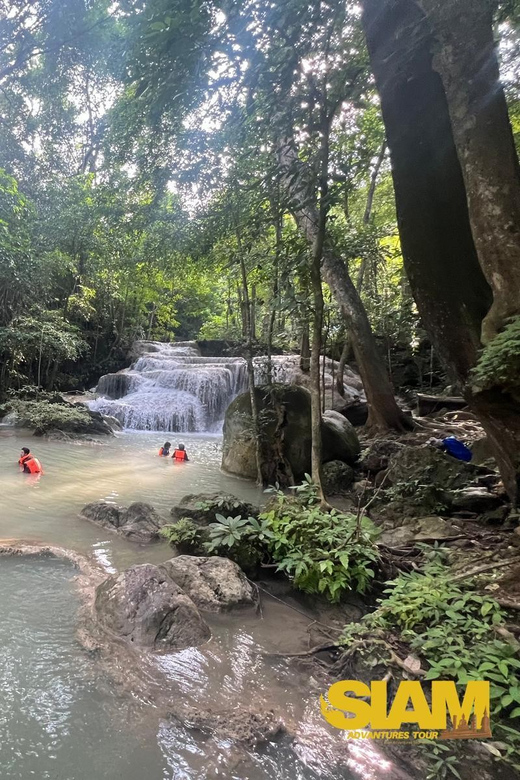
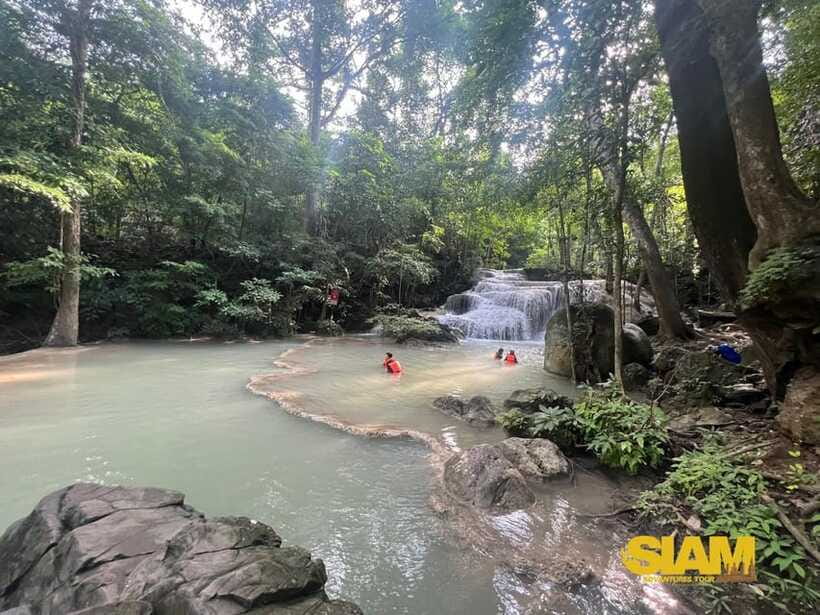
Erawan National Park is the day’s main outdoor reward. The Huai Mong Lai River runs down the mountain for about 1,500 meters, forming seven natural waterfall tiers. Each level offers a different view and a place to pause beside the water.
The lower sections are the easiest way to enjoy the park if you have limited energy. You can walk, take photographs, sit near the pools, and swim where permitted. If you want to reach the upper levels, be ready for many steps and a more demanding walk. The tour specifically warns that climbing to the top requires plenty of stairs.
This is where good footwear matters most. Comfortable shoes are listed as essential, and that advice is worth taking seriously. Flip-flops may be fine for a short stop by the water, but they are not ideal for a long uphill walk. Pack a towel and dry clothes in your daypack so the ride back to Bangkok is more comfortable.
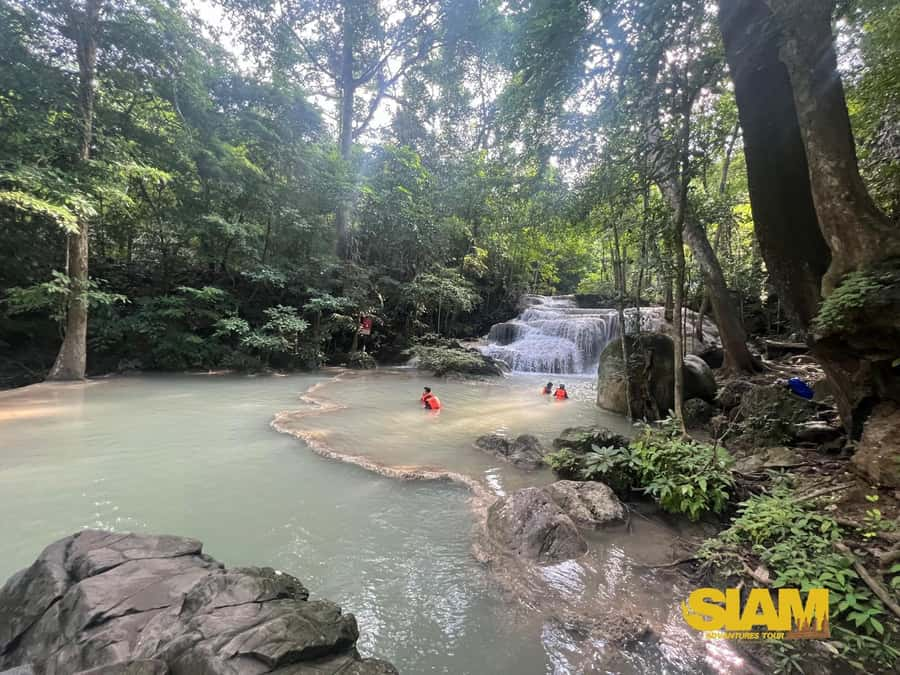
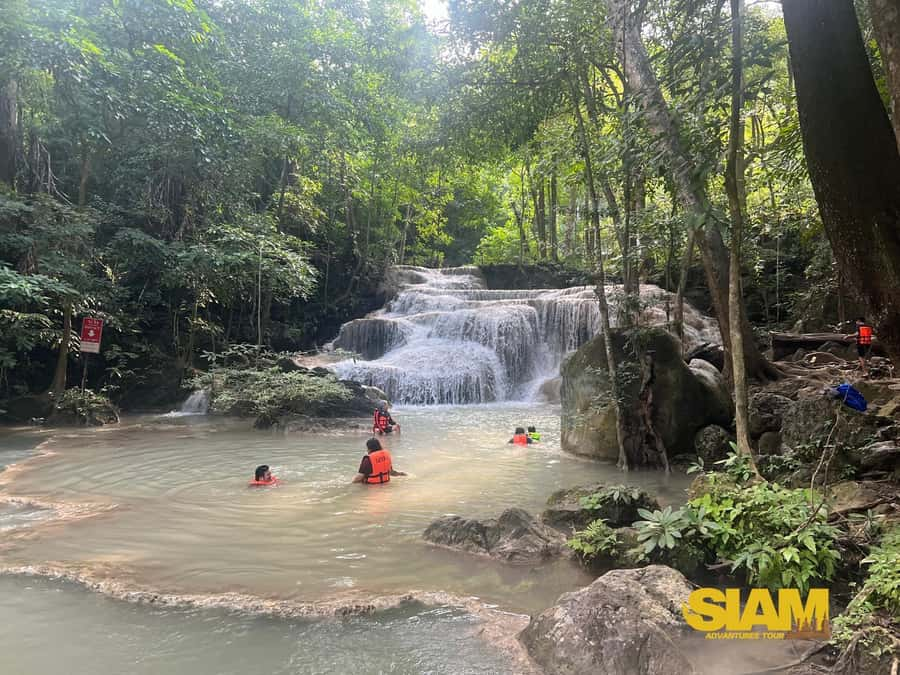
Swimming changes the feel of the stop. You are not only looking at a waterfall from a platform. You can cool off in the natural pools, then rest before deciding how much farther to walk. Bring sunscreen, sunglasses, and a hat for the open sections, but also expect shade near the trees.
The park is described as clean and well signed, which makes it easier to find your way between the levels. A golf cart is available for 30 Thai baht, though the information provided does not specify how far it goes or which section it serves. A life jacket costs 20 baht. Bring cash for both, but ask locally before relying on the cart to replace the uphill walking.
The waterfall stop is not suitable for wheelchair users. The stairs and natural paths also make it a poor match for anyone who has trouble walking on uneven ground. Children can enjoy the pools, but there is no free place for children on the booking, so each child must be booked.
What $125 really covers
At $125 per person, this is not a cheap Bangkok day trip. The price includes roundtrip transportation, an air-conditioned vehicle, an English licensed local guide, train fare, Thai lunch, and entry to Erawan National Park and the waterfall. Those inclusions remove several costs you would otherwise have to arrange yourself.
The value depends on how much you want the combination. If you only want Erawan Waterfall, a cheaper or more flexible option may make sense. If you only want the bridge and railway, a Kanchanaburi-focused tour could give you more historical time. This package earns its price by joining both areas in one day.
The weak point is usable time. The day lasts about twelve hours, and roughly six hours are assigned to driving. That leaves perhaps five to six hours for the bridge, train, lunch, and waterfall, depending on traffic and train operations. It is a lot of transport for a short visit to each major stop.
Still, the tour can be good value if you have only one free day from Bangkok and want variety without handling the connections yourself. You pay for convenience, entry fees, a guide, and a full day out. You do not pay for a slow, independent schedule.
How to prepare for a better day
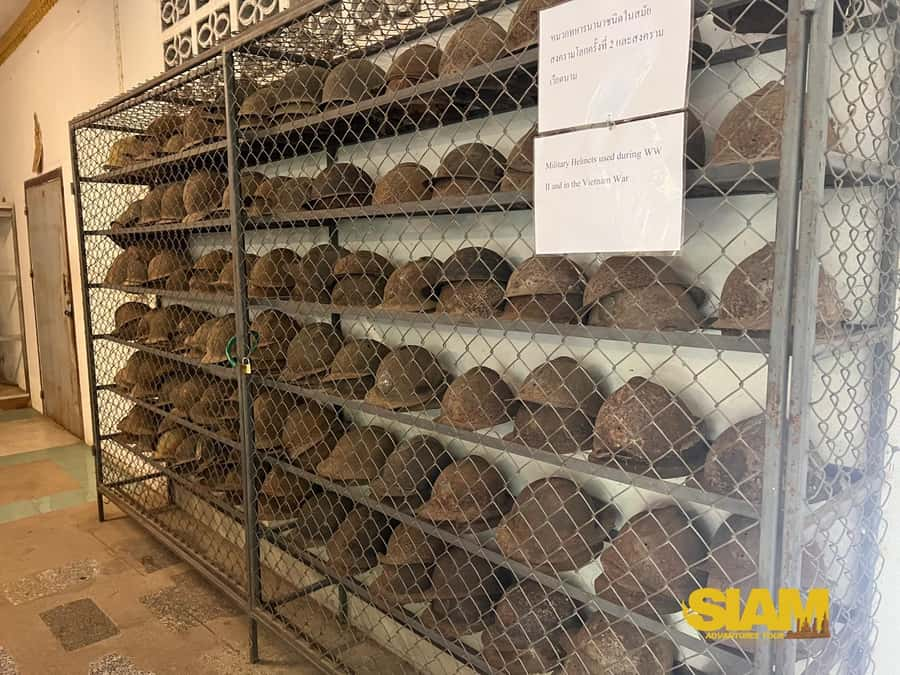
Wear comfortable shoes that can handle walking and steps. Bring a towel, dry clothes, sunscreen, sunglasses, a hat, water, and a waterproof camera or phone case. Drinks are not included, so do not leave Bangkok assuming the tour will supply them.
Carry cash for the 30 baht golf cart and 20 baht life jacket, along with any drinks or small purchases. Keep everything compact. Large bags and oversize luggage are not allowed.
Plan your clothes around the waterfall, not just the city. A change of clothes is especially useful after swimming because the return drive is long. Put valuables in a waterproof pouch if you enter the pools.
The schedule can change in practice because traffic and train operation are outside the guide’s control. One account describes a train breakdown that shortened the ride, so keep a little patience in reserve. The tour is strongest when the train runs normally and the guide gives the historical explanation real attention.
Who will enjoy this tour most
I would recommend it to a first-time visitor who wants to see more than Bangkok but has only one spare day. It suits people who like a mix of history, transport, scenery, swimming, and light hiking.
It also works well for couples, families with booked children, and active adults who do not mind an early start and a long return ride. The seven pools give you a choice between a simple rest stop and a more energetic climb.
I would be more cautious if you dislike sitting in vehicles, need a flexible timetable, or want detailed historical instruction. The bridge and train sections are relatively short compared with the driving. Anyone with limited mobility should choose another outing because of the steps and natural paths at Erawan.
Should you book the River Kwai and Erawan tour?
Book it if you want a broad taste of Kanchanaburi in one day and value having transport, lunch, park entry, and the train arranged for you. The combination of the Death Railway and seven waterfall tiers is memorable, and the chance to swim gives the day a welcome change of pace.
Skip it if you want a slow, detailed study of the railway, or if six hours of driving sounds miserable. In that case, spend more time in Kanchanaburi itself or choose a shorter waterfall visit.
Before booking, confirm your pickup area, bring swim gear, and accept that train delays can affect the schedule. With those limits in mind, this is a useful, active day trip for a visitor who wants two very different sides of central Thailand.
FAQ
How long is the Erawan Waterfall and River Kwai tour?
The advertised duration is 12 hours. The day includes about three hours of van travel each way, plus visits to the bridge, train ride, lunch, and Erawan National Park.
Where can I be picked up in Bangkok?
Pickup areas include Khaosan Road, Chinatown, Ratchathewi, Phayathai, Pratunam, Phetchaburi Road, Silom, Sathorn, Siam Square, Ploenchit, Chidlom, Asoke, parts of Sukhumvit, and Charoen Krung Road.
Is hotel pickup included?
Private hotel pickup and drop-off are available as an optional service within the listed central Bangkok areas. Hotel pickup and drop-off are not included for the join-group option.
What languages can the guide speak?
The available guide languages are English, Thai, and German.
Is the train ticket included?
Yes. The train ticket for the Death Railway portion is included in the tour price.
Is lunch included?
Yes. A Thai local lunch is included. Drinks are not included.
Can I swim at Erawan Waterfall?
Yes. The seven natural waterfall levels include swimming areas. Bring a towel, change of clothes, sunscreen, and water.
Do I need to climb stairs at the waterfall?
You should be prepared for many steps if you want to reach the upper waterfall levels. Comfortable shoes are strongly recommended.
Are park extras included?
No. A golf cart costs 30 Thai baht and a life jacket costs 20 Thai baht. Bring cash if you may want either service.
Is the tour suitable for wheelchair users?
No. The tour is not suitable for wheelchair users because of the steps and natural walking paths at Erawan National Park.
New on the timetable around Bangkok
- Small Group: Kanchanaburi Death Railway, Erawan Waterfall and Elephant★ 4.0 · 3 reviews
- Train trip death railway Bridge on river Kwai from Bangkok to Kanchanaburi trip★ 4.0 · 17 reviews
- Historic Kanchanaburi:Train, Boat, Skywalk from Bangkok(No Lunch)★ 5.0 · 2 reviews
- Private tour : Railway & Floating Market and the Bridge over river Kwae★ 5.0 · 2 reviews
- Private Tour to Kanchanaburi Death Railway and Elephant Haven★ 5.0 · 15 reviews
- Maeklong & Damnoen Saduak Markets: Railway & Floating Market Tour★ 4.0 · 17 reviews
- Historic Kanchanaburi: Train, Boat & Skywalk + Lunch From Bangkok★ 4.5 · 3 reviews
- Private Tour: Death Railway, Hellfire Pass and Erawan Waterfall★ 5.0 · 55 reviews
Other Death Railway Tours worth a seat
Bridge on the River Kwai and Thailand-Burma Railway Tour
Read our review →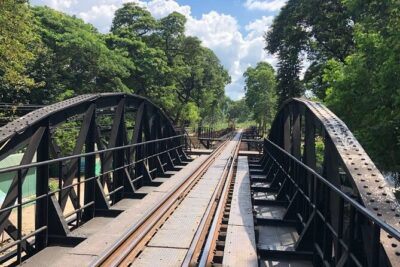
Bridge over River Kwai and Hellfire Pass Tour with Train Ride
Read our review →
Private Tour: Thai–Burma Death Railway Bridge on the River Kwai from Bangkok
Read our review →
Death Railway & River Kwai Bridge Private Tour
Read our review →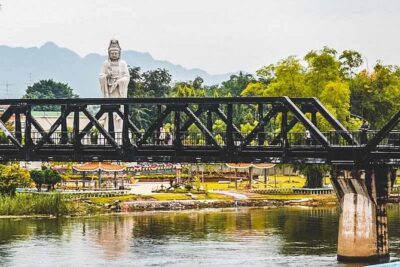
Private Tour: Death Railway, Hellfire Pass and Erawan Waterfall
Read our review →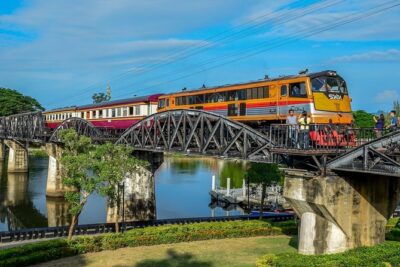
Erawan Waterfalls-Death Railway & River Kwai Tour
Read our review →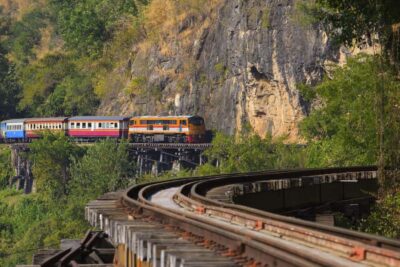
Lists this ride appears on