
Review · NEW ZEALAND
Rotorua Railcruising: Self-Drive Rail Car with Audio Guide
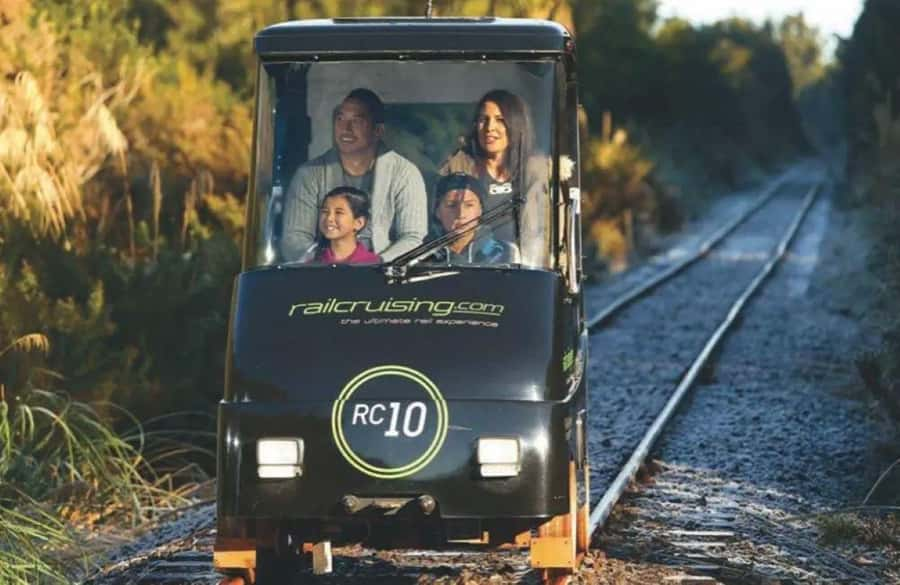
Rotorua Railcruising puts you in the driver’s seat of a small petrol-electric rail car and sends you along a historic railway at a gentle 20 km/h. You get clear views instead of a window-side seat, an audio guide in your ears, and the odd pleasure of steering a vehicle that looks like a cross between a golf cart and a tiny train.
I like the self-drive format, which gives this outing more character than a standard sightseeing ride. I also like the open views toward Lake Rotorua and Mount Tarawera, plus the covered seating, blankets, and clear side windows that make the trip workable on a cool or wet day.
The main caution is simple: this is a calm railway outing, not a fast ride or a thrill attraction. If you want action, the two-hour trip may feel slow. If you enjoy local stories, gentle scenery, and unusual transport, it offers good value at $44 per person.
Key points to know before you go
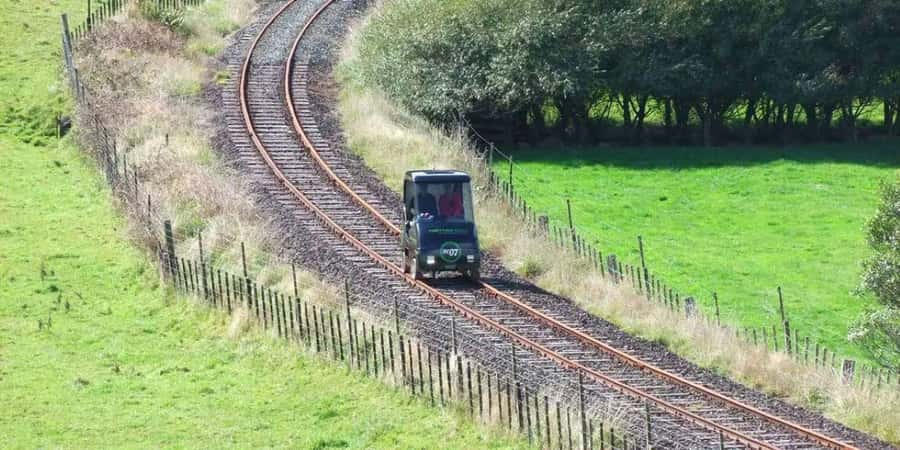
- You drive your own hybrid rail car: The petrol-electric vehicle travels at up to 20 km/h, giving you a direct role in the outing.
- The ride lasts two hours: Allow enough time for the outward journey, the rail car turn-around, and the return trip.
- Two starting stations are available: You begin at either Ngongotaha Station or Mamaku Railway Station.
- Lake Rotorua and Mount Tarawera provide the big views: The scenery is a central part of the trip, not just background decoration.
- An audio guide explains the railway: Expect local history and stories about the people connected with building the line.
- It suits small private groups: The experience is sold as a private group activity, with a complimentary shuttle available for one-way trips.
A little rail car, a very gentle pace
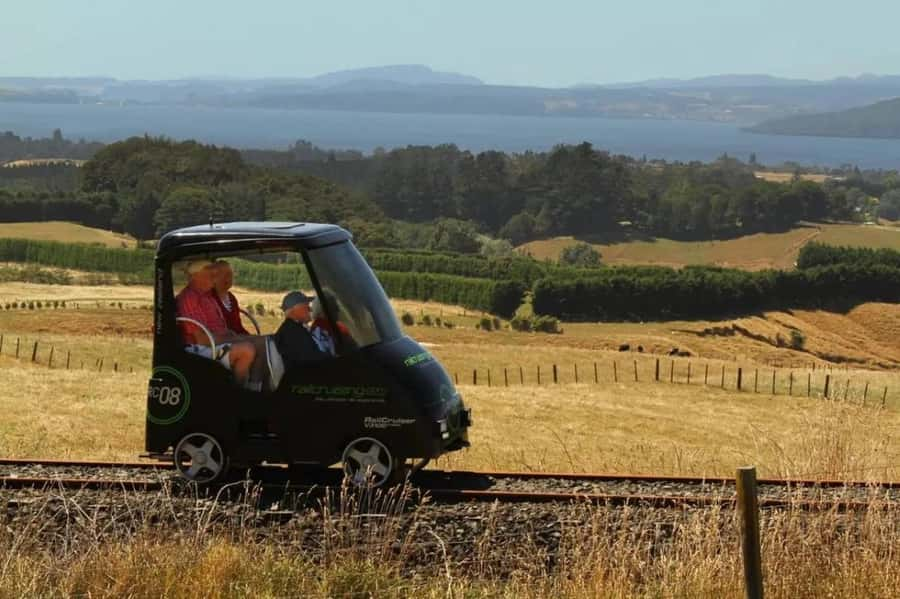
The first surprise is the speed. At up to 20 km/h, this is closer to a moving picnic than a railway thrill ride. You have time to look around, listen to the commentary, and enjoy the simple novelty of operating your own rail car.
The vehicle is petrol-electric, so it combines a small engine with electric power. The important point for you is not the technical detail. It is that the ride feels more personal than sitting in a regular carriage. You are not simply being carried along a line. You have a role in the trip.
The rail car has covered seating and clear waterproof side windows. On a sunny day, those windows help keep the views open. On a rainy or windy day, they offer useful shelter without shutting you away from the scenery. Blankets are available for cooler conditions, which is a thoughtful touch in Rotorua’s changeable weather.
Bring a charged smartphone, sunscreen, a camera, drinks, and clothing suited to the forecast. Tea, coffee, and Milo are available at Mamaku Station, giving that end of the route a welcoming stop before the return journey.
More Self-Guided Rail Days around New Zealand:
- From Cairns: Self-Guided Kuranda Trip with Train and Skyrail
★ 4.6 · 3,392 reviews - Oslo To Bergen Self-Guided Full Day Trip with Flåm Railway And Fjord Cruise
★ 4.0 · 69 reviews - Zurich: Audio Guided City Tour and Train to “Top of Zurich”
★ 4.2 · 65 reviews
Starting at Ngongotaha or Mamaku
You can begin at either Ngongotaha Station or Mamaku Railway Station. The starting point matters mainly because it shapes your arrival plans and your sense of the route. Check the available departure time when booking so you know which station to reach first.
The trip is designed around a journey out and back. At the far end, the rail cars are turned around for the return leg. That turn-around is part of the charm. You get to see how these compact vehicles are repositioned before heading back along the track.
A complimentary shuttle is available when you take a one-way trip. The supplied information does not spell out every shuttle arrangement, so confirm the details for your chosen departure before setting off. This is especially useful if you do not want to leave a vehicle at one station and finish at another.
The private group format should appeal if you want an outing with your own party rather than a large shared tour. It also means the activity can feel more like a shared day out than a formal attraction with a fixed audience.
What the railway ride is really like
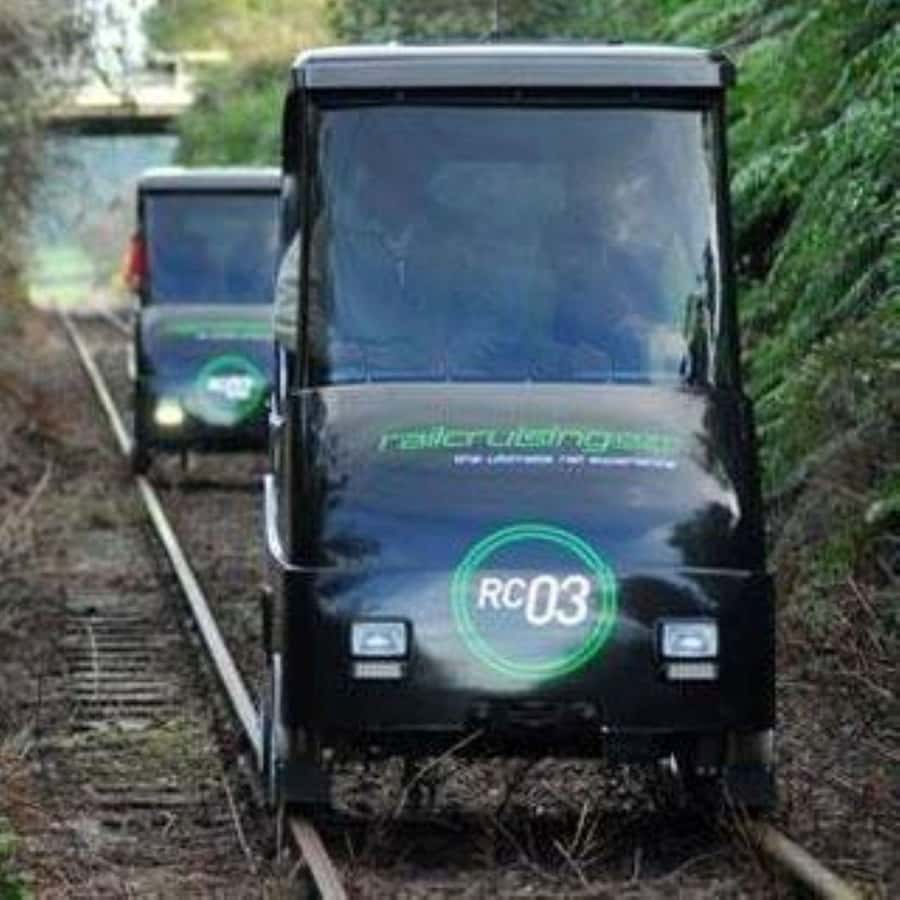
Once underway, the main activity is watching the scenery change while the audio guide fills in the story of the line and the surrounding area. You should not expect a packed schedule of stops or a constant stream of sights. The attraction is the combination of movement, railway heritage, and open views.
The scenery includes views of Lake Rotorua and Mount Tarawera. Those are the moments to keep your camera ready, but do not spend the entire ride looking through a screen. The clear sides of the rail car give you a good chance to watch the countryside directly, and the slow speed makes it easier to notice small details.
The audio commentary adds purpose to the ride. It explains the history of the Rotorua Railway and focuses on the people and work connected with building it. Some of the commentary can have static in certain places, so treat it as a helpful layer rather than a polished museum presentation.
Staff at each end are an important part of the outing. They have been described as friendly and informative, and their practical help gives the ride a human touch. The staff’s ideas for growing the activity also suggest a small operation that is still developing, rather than a large, highly polished theme-park attraction.
The scenery is pleasant, not nonstop
It is worth setting the right expectations. The views are attractive, but this is not a two-hour parade of major sights. You will spend stretches simply moving through the countryside, with the railway itself providing much of the interest.
That can be a strength. I like outings that leave room to talk, take photographs, and enjoy the feeling of being somewhere without rushing from one point to the next. The slow pace also makes this a reasonable choice for a morning or afternoon when you want something different from Rotorua’s more active attractions.
It can also be a weakness. If you are hoping for a high-speed rail adventure, dramatic drops, or a long list of attractions at every bend, you may find the trip underwhelming. The ride is deliberately gentle. Children expecting an action-packed railway attraction may need that explained before you book.
The best way to think of it is as a railway heritage activity with scenery, not a fairground ride. That distinction will do more to shape your enjoyment than any other detail.
More Audio-Guided Rides around New Zealand:
Listening to the railway’s past
The audio guide gives the ride a sense of place. Without it, you would still have the novelty of driving on the tracks, but the journey could feel like a simple scenic loop. The commentary connects the railway with local history and explains the effort behind creating the line.
The focus on the man who built the railway may appeal to anyone interested in engineering, transport, or local stories. It is a narrow subject, though, and some people may find the content limited if they are looking for a broader account of Rotorua.
Audio quality can vary by location. Static has been noted during parts of the commentary. You may want to keep the volume at a comfortable level and pay attention to the route itself when the sound becomes less clear.
The staff add a useful live element. One person at each end of the journey can provide a friendly welcome and practical information that an audio track cannot. Their involvement is one of the stronger personal touches in an activity otherwise built around self-guided travel.
Comfort in Rotorua weather
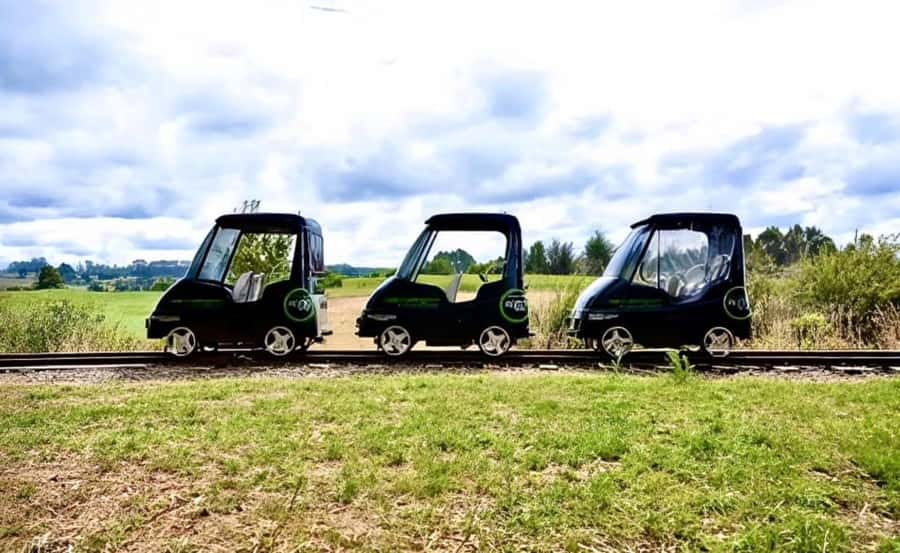
Rotorua weather can change, and the design of the rail car recognizes that. Covered seating helps with sun and light rain. Waterproof clear side windows offer protection when the wind picks up or showers move through. Blankets are provided for cooler days.
You should still dress for the weather rather than rely entirely on the rail car. Wear layers and bring sensible outer clothing. Sunscreen remains useful even when the air feels cool, since the ride keeps you outside for much of its two-hour duration.
Drinks are worth bringing, especially if you prefer something specific. Tea, coffee, and Milo are available at Mamaku Station, but the supplied details do not say that refreshments are provided throughout the full trip.
The rail car is not suitable for wheelchair users. It is also not recommended for people with motion sickness. The slow speed may help some people, but the movement of a rail vehicle can still be uncomfortable for anyone who is sensitive to it.
Is $44 per person fair?
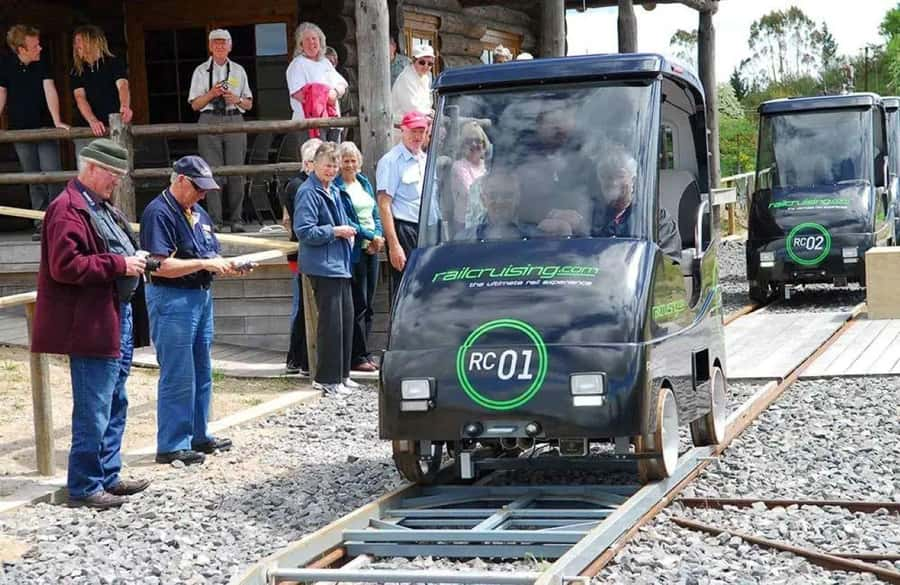
At $44 per person, the value depends on what you want from a two-hour outing. You are paying for the self-drive rail car, the audio tour, the scenic route, staff support, and the unusual chance to use a historic railway in this way.
That is a reasonable price if you enjoy transport history and prefer a private, hands-on activity. The private group setup also gives the cost more weight for people who value time with their own party rather than joining a busy group.
The value is weaker if you measure an outing by the number of major sights or the amount of action. There are no listed stops packed with attractions, and the speed is limited to 20 km/h. The experience earns its price through atmosphere and novelty, not through a long list of included activities.
I would compare it with the cost of other gentle Rotorua attractions and ask yourself what kind of afternoon you want. If you want something unusual and low-key, the price is fair. If you want excitement, spend the money elsewhere.
Who will enjoy this most?
I would recommend Rotorua Railcruising to:
- Couples looking for a quiet outing with a strong sense of place
- Families whose children like trains, driving, or unusual machines
- Small private groups wanting an activity they can share at their own pace
- Railway and transport fans
- Visitors who enjoy local stories more than fast entertainment
- Anyone with a free two-hour slot between other Rotorua plans
I would be more cautious if you are booking for children who expect a fast train ride. Tell them in advance that the rail car moves slowly and that the fun comes from driving, scenery, and railway stories.
People who dislike gentle vehicle movement should also think twice. The activity is not recommended for people with motion sickness, and it is not accessible for wheelchair users.
Booking, timing, and practical planning
The duration is two hours, but build in enough time to reach your chosen station and get settled before departure. Starting times vary, so check availability before arranging the rest of your day.
Free cancellation is available up to 24 hours in advance for a full refund. You can also reserve now and pay later, which helps if your Rotorua schedule depends on weather or other bookings.
The private group format is useful for families and couples, but the exact size of each rail car is not provided. Do not assume that every member of a large party will share one vehicle. Confirm the arrangement if group size is important to you.
The experience needs decent weather more than a typical indoor attraction does, even though clear side windows and blankets provide some protection. A dry day should give you the best views of Lake Rotorua and Mount Tarawera.
Should you book Rotorua Railcruising?
Book it if the thought of driving a tiny rail car along a historic line sounds more appealing than another standard sightseeing tour. The best parts are the hands-on format, the open views, the friendly staff at each end, and the chance to hear how the railway came to be.
Skip it if you need speed, spectacle, or a packed itinerary. The two-hour ride is slow, and the audio commentary may feel narrow or slightly static in places.
For the right person, $44 buys a memorable slice of New Zealand railway culture rather than a thrill ride. Go with realistic expectations, dress for the weather, and let the slow pace be the point.
FAQ
How long does Rotorua Railcruising last?
The activity lasts two hours, including the rail car journey and the turn-around for the return trip.
Where does the rail car journey begin?
You can begin at either Ngongotaha Station or Mamaku Railway Station. Check the available departure details when booking.
How fast does the rail car travel?
The rail car travels at speeds of up to 20 km/h.
Is the rail car self-drive?
Yes. You ride in your own petrol-electric, self-drive rail car along the Rotorua Railway.
Is an audio guide included?
Yes. An audio tour explains the railway and the local area during the journey.
What is provided for cold or wet weather?
The rail cars have covered seating, blankets for cooler days, and clear waterproof side windows for rainy or windy conditions.
Is the activity suitable for wheelchair users or people with motion sickness?
No. The activity is not suitable for wheelchair users or people with motion sickness.
New on the timetable around New Zealand
- Ultimate self-drive rail car journey★ 5.0 · 5 reviews
- Queenstown to Dunedin with Taieri Gorge Train One-Way Tour★ 5.0 · 5 reviews
- 2 Day West Coast Glaciers and TranzAlpine Train: Queenstown to Christchurch★ 3.0 · 3 reviews
- Franz Josef to Christchurch Small-Group Tour W TranzAlpine Train★ 4.5 · 2 reviews
- Dunedin to Queenstown One Way Tour Including Taieri Gorge Train★ 5.0 · 6 reviews
- Captivating Railway Journey in Coromandel★ 4.5 · 36 reviews
- Arthur’s Pass with optional TranzAlpine Train (Small Group Tour)★ 5.0 · 13 reviews
- Kaikoura Whale Watch Day Tour from Christchurch including Coastal Pacific Train★ 5.0 · 6 reviews
Other New Zealand Train Journeys worth a seat
Northern Explorer Train Journey from Wellington to Auckland
Read our review →
TranzAlpine Train, Arthur’s Pass and Castle Hill Day Trip
Read our review →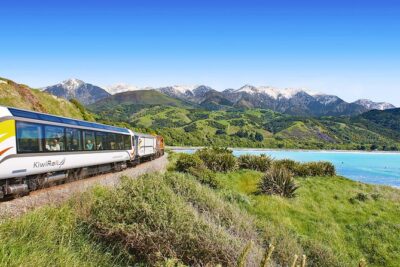
Coastal Pacific Train Journey from Picton to Christchurch
Read our review →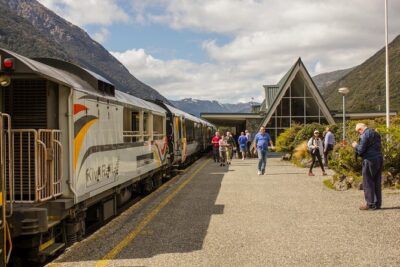
TranzAlpine Train Journey: Christchurch to Greymouth
Read our review →
Arthur’s Pass Discovery and TranzAlpine Train – Small Group Tour
Read our review →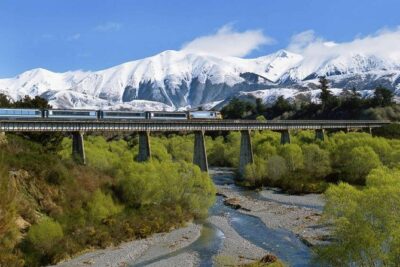
Arthur’s Pass and TranzAlpine Train Day Tour from Christchurch
Read our review →
Lists this ride appears on