
Review · EGYPT
Amazing 4 Days Nile Cruise Luxor,Aswan.Abu Simbel with sleeping Train from Cairo
The big appeal here is the way this trip links Cairo, Abu Simbel, Aswan, and Luxor without making you arrange a string of separate transfers. You ride overnight trains, sleep three nights on a Nile cruise, and cover the major temples between Aswan and Luxor.
I like two things in particular: the cruise includes full-board meals and a swimming pool, and the guides handle the complicated handoffs from hotel to train, train to boat, and boat back to Cairo. The visit to an Egyptian family for lunch in Luxor also adds a personal touch beyond the usual temple circuit.
The main drawback is the pace. Abu Simbel begins around 5 am, the train journeys are long, and the entrance fees, about $70 per person, are extra. This is a packed sightseeing trip, not a slow holiday.
Key points to know before booking
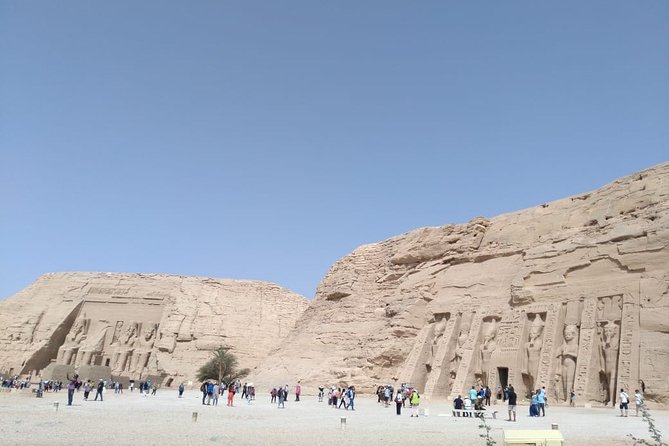
- Abu Simbel starts around 5 am: You get an early look at Egypt’s most dramatic temple pair, but the morning begins before sunrise.
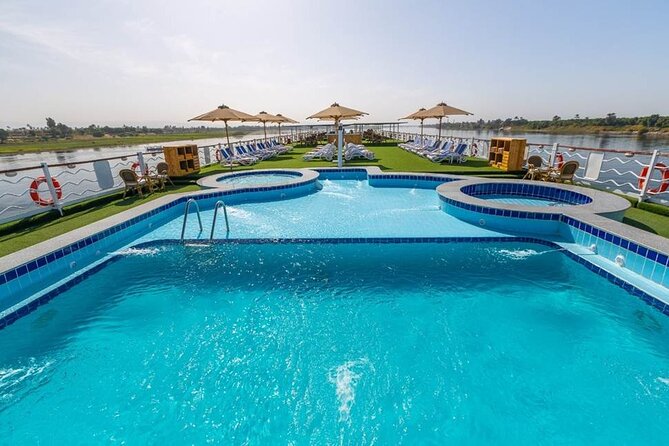
- Three nights on a five-star Nile cruise: The boat includes meals, afternoon tea, entertainment, and a swimming pool.
- The route runs from Aswan to Luxor: You visit Philae, Kom Ombo, Edfu, Luxor Temple, Karnak, and the west bank.
- Two overnight train journeys connect Cairo: Dinner and breakfast are included on the sleeping trains.
- Hany and Hamdy are named guides: Hany is praised for friendly, capable organizing, while Hamdy handles a station pickup and a full day in Luxor.
- The $738 price is not all-inclusive: Add roughly $70 for entrance fees, plus tips, while transfers, cruise accommodation, meals, and taxes are included.
A smart way to connect Cairo with Upper Egypt
This six-day trip is built for you if you want to see the main sights of Upper Egypt but do not want to plan every train, car, boat, and hotel yourself. It begins and ends in Cairo or Giza, with door-to-door transfers at both ends.
The route is especially useful because Cairo is not close to Aswan or Luxor. Instead of spending a full day on a long road transfer, you take a sleeping train south, then let the cruise become your base. On the return, you tour Luxor by day and take another sleeping train north.
The price is $738 per person. That is a substantial amount, but it covers three nights on the cruise, two sleeping train journeys, meals, guides, drivers, transfers, taxes, and the listed sightseeing. You still need to budget for about $70 in entrance fees and tipping. Shopping stops are also included, so allow some time and self-control if you prefer not to buy anything.
This is a private activity for your own group, which matters if you dislike being folded into a large coach party. At the same time, the exact group size is not stated, so you should ask before booking if that detail affects your decision.
More Sleeper Trains in Egypt
- Egypt on Budget – 8 Days ( Cairo , Aswan , Nile Cruise – Luxor ) Sleeper Train
★ 4.5 · 121 reviews - 6- Days Aswan , Abu Simbel , Cruise , Luxor & Round Sleeper Train
★ 5.0 · 25 reviews - Cairo : Luxor East and West Banks Tour & Overnight SLEEPER Train Rounded trip
★ 4.5 · 21 reviews
Night one: Cairo to Aswan by sleeping train
Pickup is around 7 pm, depending on where you stay in Cairo or Giza. A representative takes you to Cairo train station, where you board the overnight sleeping train to Aswan.
Dinner and breakfast are included on the train. The journey saves you a hotel night and moves you a long distance while you sleep, though expectations should be realistic. Train travel is practical here, not luxurious in the same way as the cruise.
You may want to keep essential items in a small day bag rather than burying them in luggage. The trip information does not specify cabin layouts or train facilities, so ask the provider if you need precise sleeping arrangements.
On arrival in Aswan, your local guide meets you and the sightseeing begins. The handoff is important. You are moving from a railway station to a full day of visits and then onto a cruise, so having a representative and driver waiting should reduce the usual arrival confusion.
Aswan: the High Dam and Philae Temple
Aswan introduces you to a warmer, more relaxed stretch of the Nile. The first major stop is the High Dam, a huge modern engineering project that changed the river’s flow, created Lake Nasser, and helped control flooding and electricity production.
The visit is brief in the overall scheme of the tour, but it gives useful context. Egypt’s ancient monuments depended on the Nile, while modern Egypt reshaped the river for national development. Seeing both sides of that story makes the ancient temples easier to understand.
Next comes Philae Temple, reached on Philae Island. The temple complex was moved to higher ground when the waters created by the dam threatened to cover it. That relocation is part of the site’s modern story, not just an aside.
Back on the cruise, you have lunch, afternoon tea, dinner, and an evening disco party. The ship is your accommodation for the night, and you can disembark in Aswan if you want some time near the port. The cruise also has a swimming pool, which is a welcome break after touring in the heat.
Meals are included throughout the cruise, but the timing is structured. You are not choosing restaurants independently each day, so this suits you best if you value convenience over complete flexibility.
The early Abu Simbel trip and sailing south to north
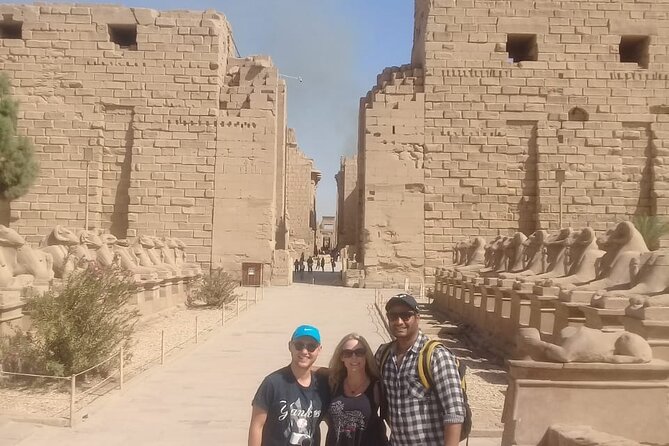
The alarm comes early on the third day. The Abu Simbel visit begins around 5 am, making it one of the most demanding parts of the trip. Still, the temples are a major reason to choose this route.
Abu Simbel was built by Ramses II and is famous for its enormous seated figures carved into the rock face. The second temple, linked with Queen Nefertari, gives the complex added interest. The scale is easy to appreciate even if your visit is short.
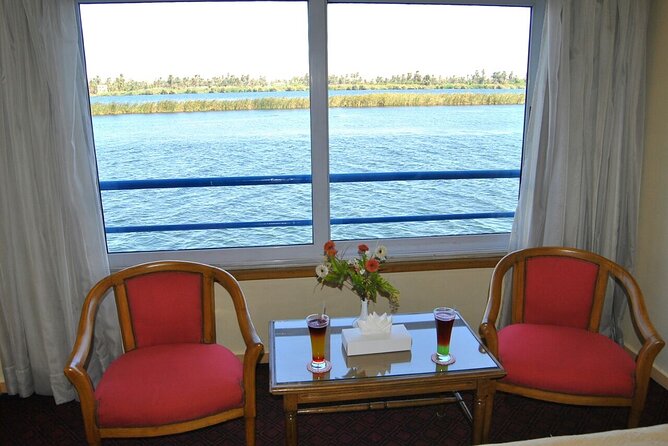
After returning to the cruise, the ship begins sailing. This is when the trip changes from a series of transfers into a slower Nile journey. You see riverbanks, small boats, villages, and the daily contrast between Nubian and Egyptian communities.
The boat’s movement is one of the best parts of the experience. Ancient temples are important, but the river itself shows you why these sites exist where they do. Set aside time on the sun deck rather than treating the cruise only as a floating hotel.
Same tracks, a different carriage:
- Cairo : Luxor East and West Banks Tour by Overnight Sitting Train Rounded trip
★ 5.0 · 20 reviews - 4 Days Nile cruise luxor, Aswan,Hot air balloon&abu simbel with Train from Cairo
★ 4.5 · 12 reviews - 4 Days Nile Cruise Luxor,Aswan,Hot Air Balloon,Abu Simbel with Train from Cairo
★ 5.0 · 12 reviews - Cairo: Luxor East and West Banks Guided Tour& Overnight Sitting Train Round Trip
★ 5.0 · 8 reviews
Kom Ombo and Edfu, two very different temples
The ship stops at Kom Ombo, a rare double temple dedicated to Sobek, the crocodile-headed god, and Haroeris, the falcon-headed form of Horus. The paired design is the site’s main surprise. Two gods, two sets of sanctuaries, and two religious traditions share one complex.
Kom Ombo also connects with ancient ideas about crocodiles and the Nile. The temple visit is compact, but your guide can help you read the reliefs and understand why the building was divided between two divine figures.
The cruise then continues to Edfu. A horse and carriage ride is included for the visit to Edfu Temple, which is dedicated to Horus. This temple is among the best-preserved in Egypt, so you can make out more of its walls, columns, and carved scenes than at many partly ruined sites.
The carriage is practical because the temple is away from the river. It is also one of the few included transport details that makes a real difference to the day. As with many organized stops, you should expect the possibility of shopping along the way because shopping tours are included.
After Edfu, the ship sails toward Luxor via Esna. Afternoon Egyptian tea on the sun deck gives you a quieter stretch before the heavy sightseeing resumes.
Luxor Temple by evening
Arrival in Luxor brings you to one of Egypt’s great ancient centers. The first major visit is Luxor Temple, often especially atmospheric later in the day when the temperature drops and the floodlit stone takes on a different character.
Luxor Temple was linked to Karnak by an avenue of sphinxes and played a major role in religious festivals. It is not as vast as Karnak, but it is easier to grasp as a single site. Look for the large entrance area, monumental statues, columns, and evidence of later religious use.
You spend the night on the cruise after this visit. That arrangement is convenient because you do not need to pack and change hotels immediately after touring. On the other hand, the next morning begins another full day, so this is not a leisurely Luxor stay.
The west bank: Valley of the Kings and Hatshepsut
After breakfast on day five, you leave the boat and begin the main Luxor land tour. The west bank holds the ancient Theban Necropolis, including the Valley of the Kings, where more than 60 royal tombs were carved into the mountain cliffs.
The exact tombs open on the day can vary, and the basic tour details do not specify which ones are included. The important point is that you are visiting a place built for royal burial rather than public worship. Inside, you may find painted corridors and burial chambers, but the most famous tombs may require extra payment if they are not part of the standard entrance arrangement.
The Temple of Hatshepsut offers a sharp contrast. It is a broad, terraced monument built into the cliffs and dedicated to one of Egypt’s most famous female rulers. The site works well with a guide because Hatshepsut’s rise to power and later treatment in official monuments are not always obvious from the stone alone.
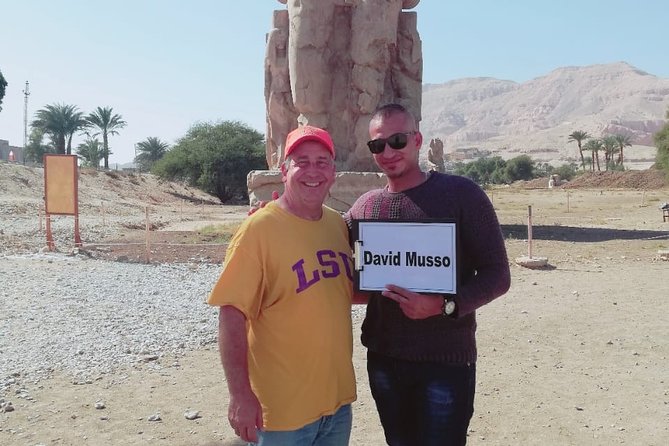
You also stop at the Colossi of Memnon, two huge seated statues that are all that remains of the funerary temple of Amenophis III. This is a quick stop, but the statues are easy to photograph and give you a sense of how large the lost temple must have been.
Karnak and lunch with an Egyptian family
The east bank visit ends at Karnak, one of the largest temple complexes in the world. It is not one building but a broad collection of sanctuaries, pylons, columns, obelisks, and sacred spaces developed over centuries.
Give yourself time to look up. The scale of the columns and the density of the carved surfaces can be overwhelming when you hurry. A strong guide is useful here, particularly for explaining how different rulers added to the complex instead of presenting it as one finished monument.
Lunch takes place at a local house, where you meet an Egyptian family. This is a valuable change of pace after several monumental sites. You get a glimpse of home life and food in a setting that feels less formal than a restaurant, though the details of the menu and household are not specified.
The day combines the west and east banks, so it is physically full. You should expect heat, walking, and several hours of concentrated sightseeing. The reward is that Luxor’s major highlights are covered in one organized day.
The second sleeping train back to Cairo
After the Luxor tour, a transfer takes you to Luxor train station for the sleeping train back to Cairo. The train journey takes about nine hours and includes dinner and breakfast.
This is an efficient finish, but it can feel tiring after the Valley of the Kings, Hatshepsut, Colossi of Memnon, Karnak, and lunch. If you want a quiet final evening in Luxor, this schedule will not provide it.
You arrive at Cairo train station on day six, where the team collects you and transfers you to your hotel or to the airport if requested. That final transfer is useful if you are connecting directly to a flight, but you should allow enough time between arrival and departure because train schedules can vary.
Guides, service, and the value of organization
The named guides give this experience a more personal face. Hany is described as friendly, well informed, and strong at organizing the details. Hamdy is noted for meeting the group at the train station and getting the Luxor day moving quickly.
Those qualities matter in Egypt. The sites are not difficult to find, but the combination of train arrivals, cruise departures, early Abu Simbel transport, horse carriage travel, and station transfers creates many chances for confusion. A guide who handles those links can save time and stress.
The trip also includes qualified licensed drivers, assistance on arrival and departure, portage when needed, and door-to-door transfers from Cairo or Giza. These services explain some of the price. You are paying not only for temple visits but also for the machinery that keeps the route moving.
Do remember that entrance fees are not included. At around $70 per person, they are a meaningful extra cost. Tips are also excluded, and shopping stops are part of the program, so the advertised price should not be treated as your final spending figure.
Who should book this six-day Egypt route?
I would recommend it to you if you have limited time and want the classic Upper Egypt route in one package. It suits first-time visitors who value an assigned guide, arranged transfers, full-board cruising, and a clear sequence from Cairo to Aswan to Luxor and back.
It also works well for people who want both ancient monuments and ordinary river scenes. Sailing past villages, seeing small boats, and visiting a family home add variety to a temple-heavy program.
I would hesitate if you need slow mornings, flexible meals, or long stays at each site. The 5 am Abu Simbel departure and the two overnight trains demand stamina. The itinerary also includes shopping tours, which may not appeal to everyone.
The cancellation policy is generous if you act early: cancel at least 24 hours before the start for a full refund. Changes or cancellations within 24 hours are not accepted for a refund.
Should you book it?
Book this trip if your priority is coverage and convenience. For $738, you receive a strong collection of included services: three cruise nights, two sleeping trains, meals, transfers, guides, drivers, and the main sights from Aswan to Luxor.
Before paying, confirm the cruise name, train cabin details, exact entrance-fee arrangement, and the size of your private group. If you can handle early starts and long touring days, this is an efficient way to see the heart of ancient Egypt without building the whole trip yourself. If you prefer a slower rhythm, arrange extra nights in Luxor or Aswan instead.
FAQ
How long does the experience last?
The trip lasts approximately six days, beginning with an evening pickup in Cairo or Giza and ending with a transfer from Cairo train station on day six.
Does the tour include pickup from my hotel?
Yes. Door-to-door transfers are included from hotels in Cairo or Giza, including the initial transfer to Cairo train station and the final transfer to your hotel or airport upon request.
Are the sleeping train tickets included?
Yes. Return sleeping train tickets are included, with dinner and breakfast provided on the train journeys.
How many nights are spent on the Nile cruise?
The package includes three nights in a five-star Nile cruise from Aswan to Luxor.
Is Abu Simbel included?
Yes. The Abu Simbel trip is included and takes place around 5 am on the third day.
Are entrance fees included?
No. Entrance fees are extra and are estimated at about $70 per person for all the sites.
Are meals included?
Yes. The package includes cruise meals, including breakfast, lunch, dinner, and afternoon tea, as well as dinner and breakfast on the sleeping trains. The stated meal plan begins with lunch on the first day and ends with breakfast on the last day.
Can I cancel for a full refund?
Yes, if you cancel at least 24 hours before the experience starts. Cancellations or changes made less than 24 hours before the start time are not refunded or accepted.
More Four-Day Rail Trips around Egypt
- 4-Day Isle of Skye & Jacobite Steam Train (train ride included)
★ 5.0 · 82 reviews - 4-Day Cork, Ring of Kerry, Dingle, Cliffs of Moher and Galway Bay Rail Tour
★ 4.5 · 48 reviews - Inca Trail 4 Day Adventure to Machu Picchu with Panoramic Train
★ 5.0 · 34 reviews - Cusco: 4-Day Lares Trek to Machu Picchu with Panoramic Train
★ 4.9 · 20 reviews
New on the timetable around Egypt
- Top Day Tour To Cairo By Sleeping Train★ 5.0 · 4 reviews
- Aswan, Edfu, and Kom Ombo Private Full-Day Tour from Luxor by Road and Rail★ 5.0 · 3 reviews
- Egypt Holiday 8-Days 7-Nights Cairo,Aswan,Luxor and Nile Cruise by Sleeper Train★ 3.5 · 4 reviews
- Enjoy 3 days Aswan,Luxor,Abu Simbel,Nubian village,Balloon&train from Cairo★ 5.0 · 3 reviews
- 2-Day Private Tours to Luxor and Dendera from Cairo by Sleeper Train★ 5.0 · 3 reviews
- Luxor Day Tour by Sleeper Train★ 5.0 · 3 reviews
- Package 7-Days 6-Nights Cairo Pyramids, Nile Cruise&Alexandria by Sleeper Train★ 5.0 · 2 reviews
- Full day Luxor tour from Cairo by a sleeper train★ 5.0 · 5 reviews
Other Sleeper Trains in Egypt worth a seat
Egypt on Budget – 8 Days ( Cairo , Aswan , Nile Cruise – Luxor ) Sleeper Train
Read our review →
6- Days Aswan , Abu Simbel , Cruise , Luxor & Round Sleeper Train
Read our review →
Cairo : Luxor East and West Banks Tour & Overnight SLEEPER Train Rounded trip
Read our review →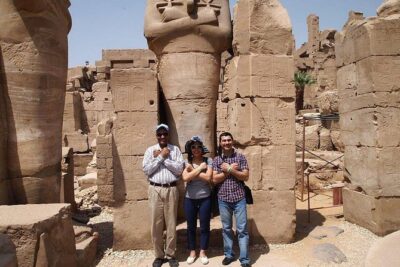
Cairo: Luxor East and West Banks Guided Tour& Overnight Sitting Train Round Trip
Read our review →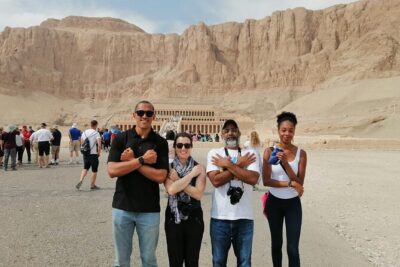
Egypt 8 D: Cairo, Aswan,Abu Simbel, cruise, Luxor & Sleeper Train
Read our review →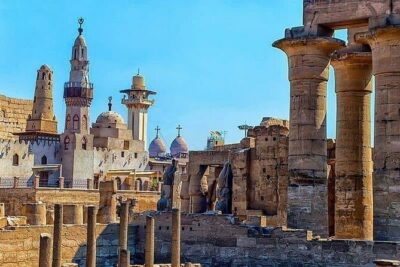
Kings of Ancient Egypt : 6 Days Cairo and Luxor Guided Tours & Overnight Train
Read our review →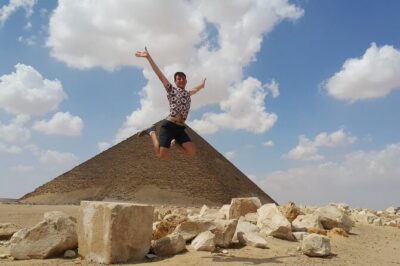
Cairo : 3-Days Cairo and Luxor Guided Tours by Overnight Train
Read our review →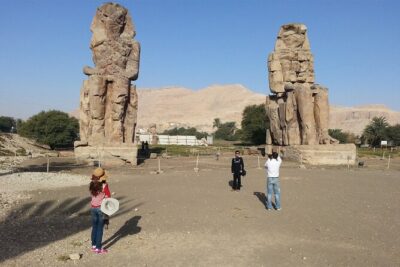
Full day Luxor tour from Cairo by a sleeper train
Read our review →Lists this ride appears on