Review · CAIRO
Kings of Ancient Egypt : 6 Days Cairo and Luxor Guided Tours & Overnight Train
The best part of this six-day Egypt tour is its sweep: you move from the Pyramids of Giza and the Step Pyramid at Saqqara to Karnak, Luxor Temple, and the tombs of the Valley of the Kings. It gives you the big ancient sights without asking you to arrange every taxi, train, hotel, and guide yourself.
I like the included airport and station transfers, and I like the mix of famous monuments with less obvious stops such as Coptic Cairo, the Hanging Church, and Memphis. The main drawback is the overnight seated train between Cairo and Luxor. It saves money, but it may leave you tired for the next day’s temples.
Key points at a glance
- Pyramids and Saqqara in one day: See Giza, the Sphinx, the Valley Temple, Djoser’s Step Pyramid, and Memphis.
- Cairo’s religious and royal layers: Visit the Citadel, Mohamed Ali Mosque, Coptic churches, Ben Ezra Synagogue, and the Egyptian Museum.
- Luxor’s ancient centerpiece: Spend time at Karnak and Luxor temples, with a separate West Bank visit.
- Overnight rail travel: First-class seated train tickets from Cairo to Luxor and back are included, with a sleeper upgrade available for $80 each way.
- Small group format: The group can include up to 15 people, with guides assigned for the tours.
- Strong practical value: Hotels, breakfast, transfers, guiding, and train tickets are included, but monument entrance fees are extra.
What the $399 package really covers
At $399 per person, this is a tightly packed Egypt introduction rather than a slow, leisurely holiday. You get two nights in a private room at a Giza hotel, one night in a four-star Luxor hotel, breakfast, airport and station transfers, guided sightseeing, and round-trip first-class seated train tickets.
That is a lot of moving parts for one price. You do not need to negotiate a Cairo airport ride, find a station transfer at dawn, or work out how to reach Luxor’s West Bank. For a first visit, that practical help can be worth as much as the sightseeing itself.
The important extra cost is entrance fees. They are not included, and the schedule visits many paid sites. You should set aside additional money for the Pyramids area, Saqqara, Memphis, the Citadel, the Egyptian Museum, Karnak, Luxor Temple, the Valley of the Kings, and Hatshepsut’s temple.
The package includes private rooms, but not always a guaranteed Pyramid View Room. The accommodation is described as most likely to have that view if available, so treat it as a pleasant possibility rather than a promise.
More Sleeper Trains in Egypt
- Egypt on Budget – 8 Days ( Cairo , Aswan , Nile Cruise – Luxor ) Sleeper Train
★ 4.5 · 121 reviews - 6- Days Aswan , Abu Simbel , Cruise , Luxor & Round Sleeper Train
★ 5.0 · 25 reviews - Cairo : Luxor East and West Banks Tour & Overnight SLEEPER Train Rounded trip
★ 4.5 · 21 reviews
Day 1: A direct ride from Cairo Airport
Your guide picks you up at Cairo International Airport and takes you to your hotel in Cairo or Giza. The drive is listed at about one hour, though Cairo traffic can affect the timing.
This first transfer is simple but useful. After a flight, you can go straight to your hotel instead of figuring out currency, ride arrangements, or directions while carrying luggage. You need to send your flight details in advance so the pickup can be organized.
There is no sightseeing on this day. That is a good thing. You get a chance to sleep, eat, and prepare for an early start at the pyramids.
Day 2: Giza, the Sphinx, Saqqara, and Memphis
The morning begins at the Giza Plateau, where your Egyptology guide introduces you to the pyramids of Cheops, Chephren, and Mykerinus. This is the core Egypt sight, and the scale is hard to grasp from photographs.
The guided visit helps you sort out the names, purpose, and layout of the monuments. You have about two hours at the plateau, followed by 45 minutes at the Great Sphinx and Valley Temple.
The Sphinx stop adds useful context. The statue is part of the same ancient complex, and the Valley Temple helps explain how royal burial ceremonies were handled. You should expect plenty of time outdoors, so comfortable shoes and protection from the sun matter.
After Giza, the tour heads to Saqqara. The Step Pyramid of King Djoser was built around 2630 BC and is described as the world’s oldest major stone structure. It has a different shape and setting from the smooth-sided pyramids at Giza, making this more than a second pyramid stop.
Saqqara also gives you a wider view of ancient Egyptian building methods. The site is less immediately familiar than Giza, but it can be more rewarding if you want to understand how pyramid design developed.
The final major stop is the Mit Rahina Museum at Memphis, the ancient capital of Egypt. Memphis served as a cultural center for more than 3,000 years, and the visit adds an important city to the day’s story.
This is a full day. You see three major archaeological areas before returning to your Giza hotel. The schedule works well for someone who wants the ancient highlights in one organized sweep, but it leaves little room to linger at any single site.
You spend the night in a private room with breakfast. A Pyramid View Room may be available, but the wording does not guarantee it.
Day 3: Cairo’s mosques, churches, synagogue, and museum
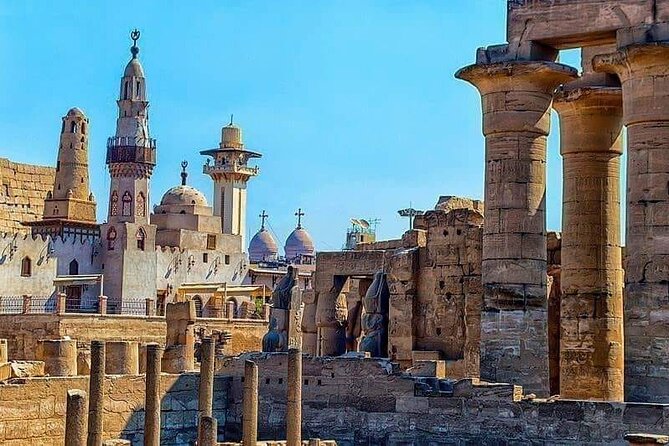
Day three shifts from the pharaohs to Cairo’s later religious and political history. Your first stop is the Citadel of Saladin, followed by the Mohamed Ali Alabaster Mosque and Al Gowhara Palace.
The mosque is one of Cairo’s most recognizable buildings, with a formal interior and a strong position within the Citadel. The visit gives you a different view of the city after the open archaeological sites around Giza and Saqqara.
You then go to Coptic Cairo. The route includes the Roman fortress, the Hanging Church, St. Sergius Church, and the Ben Ezra Synagogue. St. Sergius is associated with the Holy Family, while Ben Ezra represents Cairo’s Jewish heritage.
This part of the day is especially useful if you want more than a pharaoh-focused visit. It shows how several faiths shaped the city over time, all within a relatively concentrated area.
The day ends at the Museum of Egyptian Antiquities in downtown Cairo. You have about three hours there, which is enough to see major displays without trying to inspect every case. The program specifically includes the chance to see the Tutankhamen collection.
Museum visits can be tiring after the Citadel and Coptic Cairo, so pay attention to your pace. The guide is important here. A strong guide can help you focus on the pieces that matter instead of wandering through a large collection without a clear plan.
Guides connected with this tour include Talaat Abdo, Khaled Elsaady, Sam, Ayman, and Doja. You may not have the same guide for every part of the program, but the named guides are described as friendly, passionate, and good at making the history easier to follow. Sam is also noted for helping with changing schedules and luggage problems, though you should not assume that every booking will include him.
In the evening, you transfer to Cairo train station for the overnight train to Luxor.
More Sleeper Trains in Cairo:
- Cairo : Luxor East and West Banks Tour by Overnight Sitting Train Rounded trip
★ 5.0 · 20 reviews - Cairo: Luxor East and West Banks Guided Tour& Overnight Sitting Train Round Trip
★ 5.0 · 8 reviews - Egypt 8 D: Cairo, Aswan,Abu Simbel, cruise, Luxor & Sleeper Train
★ 4.5 · 7 reviews - Cairo : 3-Days Cairo and Luxor Guided Tours by Overnight Train
★ 5.0 · 6 reviews
The overnight train: useful, affordable, and not luxurious
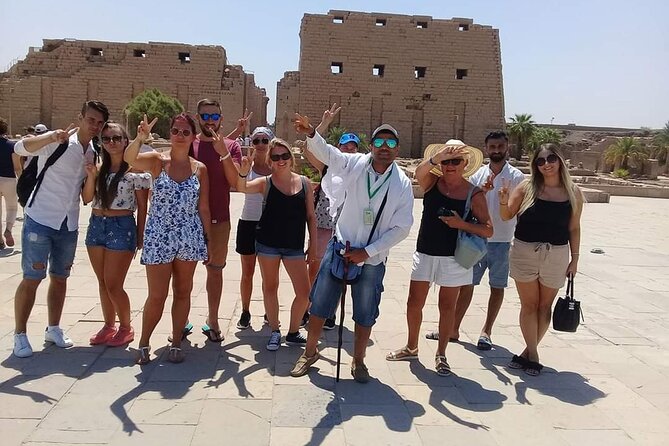
The included train is a first-class seated service. It is not a sleeper berth. You travel overnight and arrive in Luxor in the early morning, so this is the part of the package that requires the most realistic expectations.
A seated overnight journey can save the cost of another hotel night and makes the six-day plan possible at this price. It also uses time efficiently. The tradeoff is sleep. If you do not rest well in a seat, you may find the next day harder than expected.
You can replace the train with a VIP bus at no extra charge. You can also upgrade to a sleeper train for $80 per person each way in a twin cabin, with dinner and breakfast included. That means the round-trip sleeper upgrade adds $160 per person.
I would consider the sleeper upgrade if you value rest or if you are not comfortable with overnight seated travel. The standard train makes sense for a strict budget, but it should not be mistaken for a comfortable hotel-on-wheels.
Day 4: Karnak and Luxor Temple
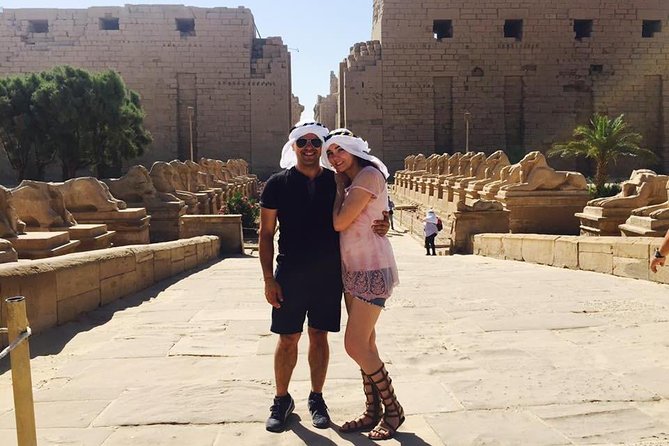
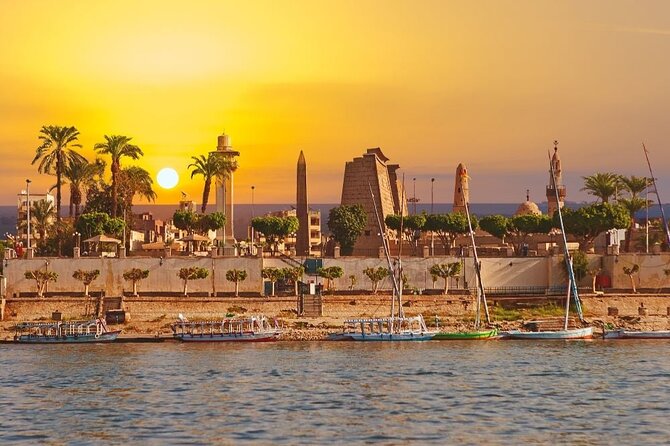
You arrive at Luxor train station in the early morning and are transferred to your hotel. The sightseeing begins in the afternoon, giving you at least some time before the first temple visit.
Karnak is the first major stop. You have about two hours to see the complex, including the Hypostyle Hall and the Temple of Amun. The hall’s huge papyrus-shaped columns are the visual centerpiece, and a guide can help you understand how the site grew under different rulers.
Karnak is large enough that a short visit can feel rushed. Keep your expectations sensible: two hours lets you see the main areas, but not every corner. Comfortable footwear helps, since you will be walking over an extensive temple site.
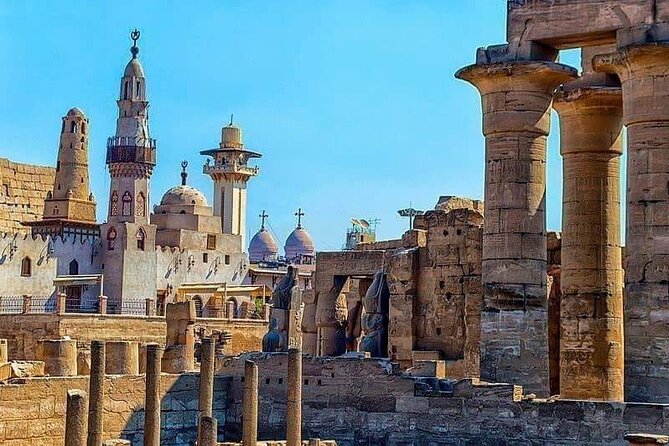
Luxor Temple follows, with about 90 minutes there. Different kings contributed to the temple, and the result feels distinct from Karnak even though the two sites are linked by their ancient religious purpose.
Seeing both temples on the same day is valuable because they complement one another. Karnak gives you monumental scale, while Luxor Temple feels more focused. You return to a four-star Luxor hotel for the night, with breakfast included.
Day 5: Tombs and temples on Luxor’s West Bank
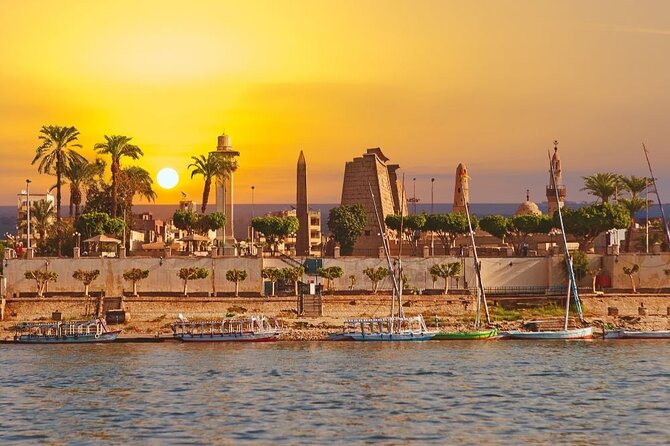
The final sightseeing day begins at the Valley of the Kings. The valley contains 66 tombs, although your ticket arrangements and the tombs open on the day of your visit determine what you can enter.
The valley is one of the strongest parts of the tour because it changes the focus from giant public monuments to hidden burial chambers. You can expect an informative visit, but remember that entrance to specific tombs may involve extra charges.
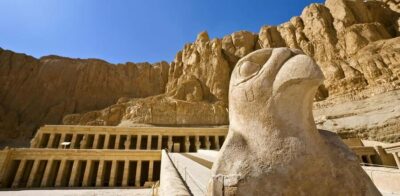
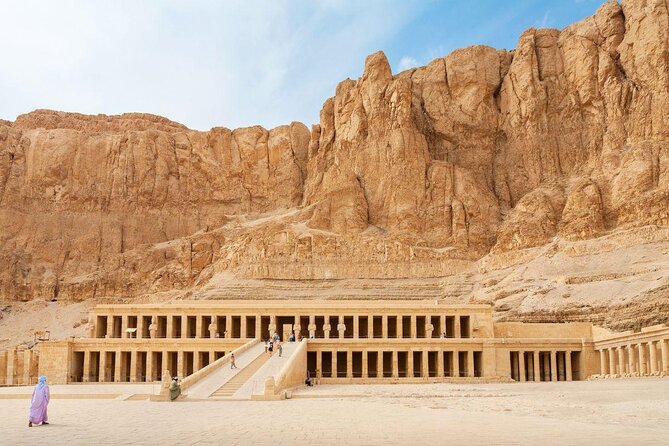
Next comes the Temple of Hatshepsut at Deir el Bahari. The temple is tied to Queen Hatshepsut and is set against the cliffs of the West Bank. Its terraces make it visually different from the column-filled sites visited earlier.
The last stop is the Colossi of Memnon. The stop lasts about 30 minutes and is brief, but the statues make a memorable final photograph before you leave the West Bank.
That evening, you transfer to Luxor station for the overnight seated train back to Cairo. The same VIP bus and sleeper options apply. Since you will arrive in Cairo around 5 a.m., the sleeper upgrade may be especially appealing on the return journey.
Day 6: Early arrival and airport transfer

The train reaches Cairo at about 5 a.m. You are picked up at the station and transferred directly to Cairo Airport or another drop-off point in Cairo or Giza.
This timing works best if your flight leaves later in the day, but the tour information does not state a minimum connection time. You should check the train arrival and your flight departure carefully before booking. An early station arrival is convenient, but any overnight journey can involve delays.
Guides, group size, and the feel of the trip
The group maximum is 15 people. That is small enough to make questions possible, while still allowing the tour to keep its price below many private arrangements.
The guides are a major part of the experience. Talaat Abdo is described as prompt and able to suggest extra excursions. Khaled Elsaady is praised for his passion for Egypt and for making Luxor easier to understand. Sam is noted for humor, photography, and practical help when plans became complicated. Ayman and Doja are also named as guides for the Cairo and Egypt program.
I would treat these names as examples from the guide team, not a guarantee that you will be assigned one particular person. The clearest pattern is that the guiding is meant to be personal and history-focused, rather than a simple ride between monuments.
Pickup is available from the airport, Cairo hotels, Giza hotels, and the train stations used in the program. That makes the tour a good fit if you prefer a planned route and do not want to arrange local transport at every stop.
Who should book this six-day Egypt tour?
I would choose this tour if you want to see the major ancient sites in a short time and prefer one company to handle hotels, guides, trains, and transfers. It suits a first visit, especially if you want historical explanation at the Pyramids, Egyptian Museum, Karnak, and Valley of the Kings.
It also works for people who like a set schedule. You do not need to decide each morning where to go or how to reach the next site.
I would hesitate if you need generous rest time, dislike overnight transport, or want to explore Cairo independently. The program is active, and two overnight seated train journeys can make it feel more demanding than the six-day label suggests.
Remember to budget for entrance fees. The $399 price is strong for the included accommodation, breakfasts, guiding, transfers, and trains, but the final cost will be higher once you add site tickets and any train upgrade.
Should you book it?
Book it if your priority is coverage and convenience. For $399, you get an efficient route through Cairo and Luxor, private hotel rooms, breakfast, guided visits, and transport between the two cities.
Choose the sleeper upgrade if proper rest matters to you. If you want a slower trip with long afternoons, free evenings, and more time at each monument, this schedule may feel too tight. For a well-organized first look at Egypt’s greatest ancient sites, though, it offers a practical and unusually broad package.
Free cancellation is available when you cancel at least 24 hours before the experience begins. Changes or cancellations within 24 hours are not accepted for a refund.
FAQ
What is included in the $399 tour price?
The price includes airport and train station transfers in Cairo and Luxor, guided tours, two nights at a Giza hotel with breakfast, one night at a four-star Luxor hotel with breakfast, first-class seated train tickets between Cairo and Luxor, and the transfer to Cairo Airport or another Cairo or Giza drop-off point.
Are entrance fees included?
No. Entrance fees to the sightseeing sites are not included in the tour price.
Is the overnight train a sleeper train?
No. The standard option is a first-class seated overnight train. You can use a VIP bus instead at no extra charge, or upgrade to a sleeper train for $80 per person each way in a twin cabin with dinner and breakfast.
How many people can join the group?
The maximum group size is 15 people.
Where does the tour begin?
The first pickup is from Cairo International Airport, followed by transfer to a hotel in Cairo or Giza. You need to provide your flight details.
Where do you stay during the tour?
You stay two nights in a private room at a Giza hotel and one night in a private room at a four-star hotel in Luxor. Breakfast is included.
Does the tour include a Pyramid View Room?
A Pyramid View Room is likely if available, but it is not guaranteed.
What are the main Luxor sights included?
The Luxor portion includes Karnak Temple, Luxor Temple, the Valley of the Kings, the Temple of Hatshepsut at Deir el Bahari, and the Colossi of Memnon.
Can most people participate?
Yes. The tour information says most people can participate. The activity has a maximum of 15 people, and free cancellation is available up to 24 hours before the start time.
More Six-Day Rail Trips around Cairo
- Cairo : Marvel 6 Days Nile Cruise Aswan and Luxor & Sightseeing by Sleeper Train
★ 5.0 · 4 reviews - 6 Days Cruise Aswan to Luxor, Abu Simbel&Sleeper Train Round-trip
★ 5.0 · 3 reviews - 6-day All Ireland & Northern Ireland Rail Tour from Dublin
★ 4.0 · 37 reviews - From Dublin: 6-Day All of Ireland Rail Tour
★ 4.4 · 15 reviews
New on the timetable around Cairo
- 2-Day Private Tours to Luxor and Dendera from Cairo by Sleeper Train★ 5.0 · 3 reviews
- Package 7-Days 6-Nights Cairo Pyramids, Nile Cruise&Alexandria by Sleeper Train★ 5.0 · 2 reviews
- Luxor Day Tour by Sleeper Train★ 5.0 · 3 reviews
- Full day Luxor tour from Cairo by a sleeper train★ 5.0 · 5 reviews
- 10 Day Around Egypt to Cairo ,Giza ,White desert ,Nile Cruise With Train & Hotel★ 5.0 · 5 reviews
- Cheap Egypt holiday 11 Days Cairo-Luxor-Aswan-Abu Simbel by sleeping train★ 5.0 · 4 reviews
- Cairo and Nile Cruise Tours to Luxor and Aswan by Sleeping Train★ 5.0 · 4 reviews
- Cairo : Luxor Full Day Guided Tour & Overnight SLEEPER Train Rounded trip★ 5.0 · 2 reviews
Other Sleeper Trains in Egypt worth a seat
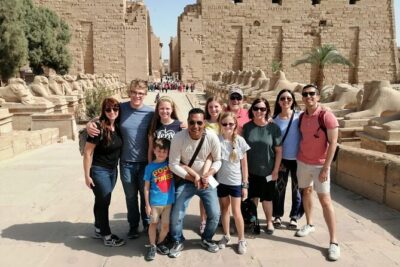
Egypt on Budget – 8 Days ( Cairo , Aswan , Nile Cruise – Luxor ) Sleeper Train
Read our review →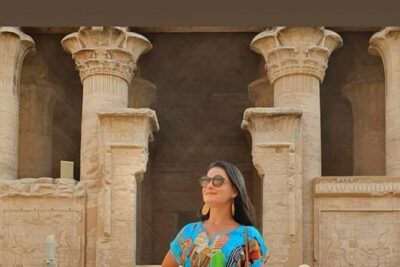
6- Days Aswan , Abu Simbel , Cruise , Luxor & Round Sleeper Train
Read our review →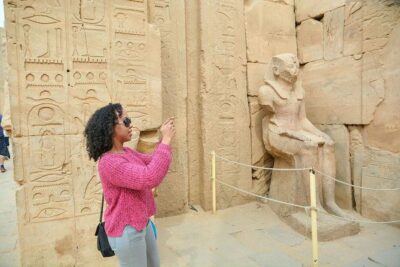
Cairo : Luxor East and West Banks Tour & Overnight SLEEPER Train Rounded trip
Read our review →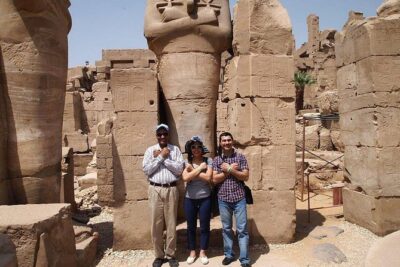
Cairo: Luxor East and West Banks Guided Tour& Overnight Sitting Train Round Trip
Read our review →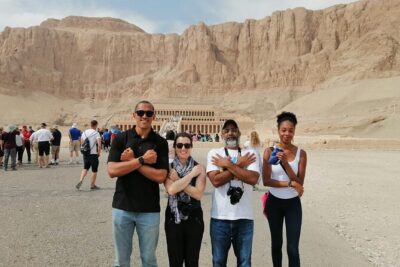
Egypt 8 D: Cairo, Aswan,Abu Simbel, cruise, Luxor & Sleeper Train
Read our review →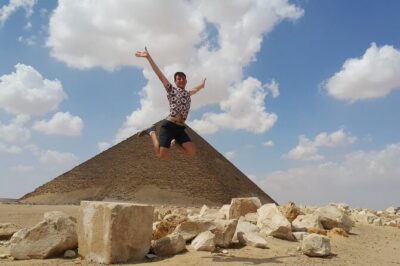
Cairo : 3-Days Cairo and Luxor Guided Tours by Overnight Train
Read our review →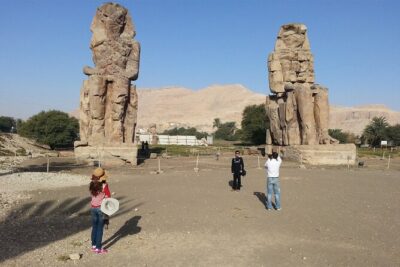
Full day Luxor tour from Cairo by a sleeper train
Read our review →