
Review · MARTINIQUE
Small train tour of a banana farm in Martinique
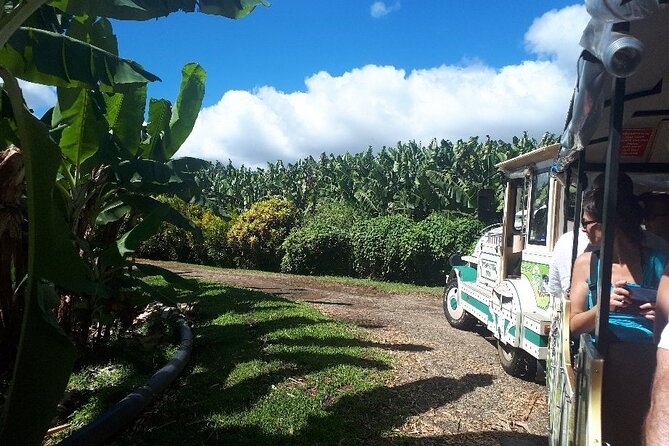
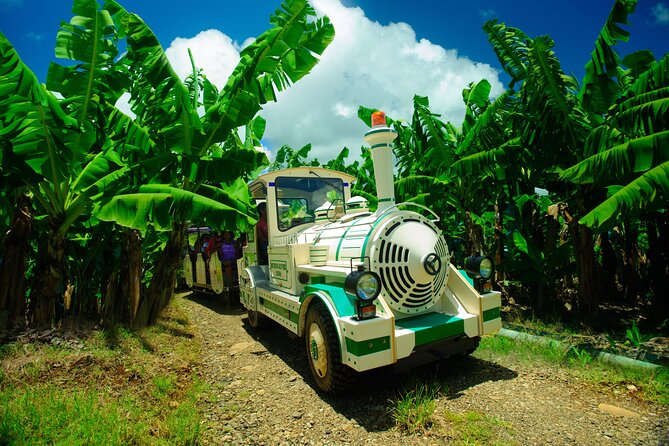
The best part of this Martinique outing is its simple, close-up look at banana farming. You ride a small train across the 65-hectare Belfort estate, stopping among banana plants, sugar cane, and fruit trees while Bruno, the cheerful guide and driver, explains how the crop is grown.
I like two things right away: the train covers ground that would be tiring on foot, and the visit works even in rainy weather. The final tasting adds real flavor to the lesson, with bananas and locally made products rather than a quick photo stop.
The main caution is communication. The tour is offered in English and French, but English explanations may be limited at times. Seating can also feel tight, and a poor farm access road may be rough for your car.
Key points to know before you go
- Bruno leads the ride: His explanations, good humor, and trumpet and music touches are a large part of the experience.
- The farm is 65 hectares: The train lets you see much more than a short plantation walk.
- Expect a working-farm lesson: You learn about banana growth, reproduction methods, harvesting, and the wider plant life around the estate.
- The tasting closes the tour: Try bananas and local products after the ride, with some items available to buy.
- Rain is not a deal breaker: The train allows the visit to continue in wet weather.
- Allow about one hour: The ride starts and ends at Chemin Soudon in Le Lamentin.
A small train through Martinique’s banana country
Belfort sits in the countryside of Le Lamentin, not far from the practical heart of Martinique. This is not a museum with display cases and a short film. It is a working agricultural property where the farm itself provides the lesson.
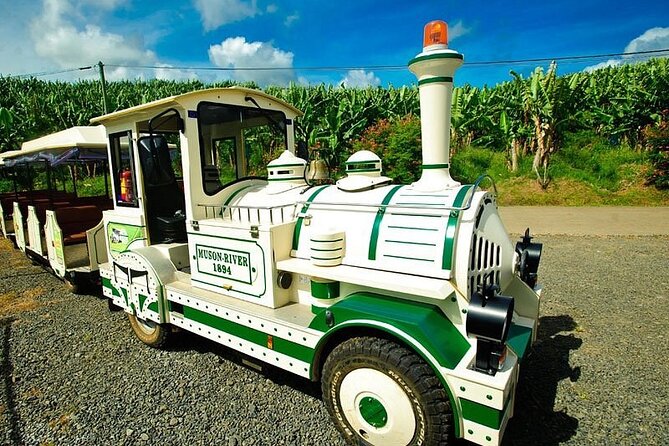
You board a small train at Chemin Soudon and ride through the estate with a guide explaining what you see. The train makes stops so you can look more closely at the plants and ask questions. That format matters because banana cultivation can look repetitive from a distance. Up close, the details are the point.
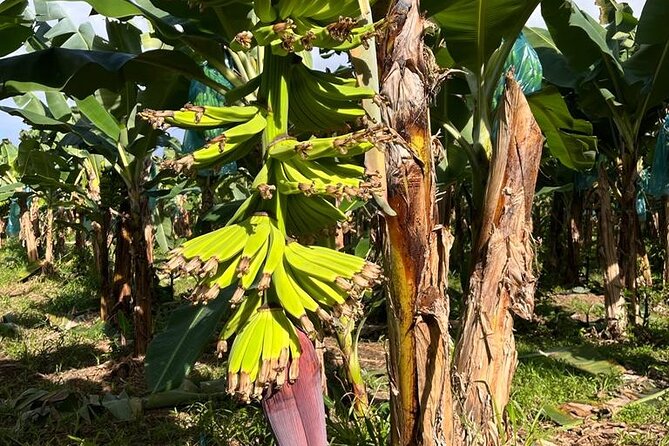
You may see banana rows, sugar cane, coconut trees, mango trees, papaya, and other fruit trees. The setting also includes a river, and one account describes seeing turtles along the route. The farm visit is therefore broader than a single-crop tour, though bananas remain the main subject.
I would think of this as a gentle introduction to Martinique’s agricultural life. It will not fill a full day, and it does not pretend to be a grand estate tour. In roughly an hour, you get a guided ride, several explanations, and a tasting.
More Farm Stops around the world:
- Palma: Orange Valley Vintage Train and Orange Farm Tour
★ 4.7 · 49 reviews - Ventura: Rail Bike Guided Tour with Farm Stand Stop
★ 4.1 · 18 reviews - From Seoul: Full Day Trip to Alpaca Farm with Rail Bike
★ 4.8 · 8 reviews
What the banana lesson actually covers
The useful part of the tour is the practical information. You learn how bananas are produced and hear about methods used to reproduce the plants. That last topic can surprise people who already know bananas from home, since the way a plantation renews its crop is not always obvious.
The guide also explains the work behind producing Martinique bananas. The tour presents farming as a process rather than a pretty backdrop. You see the plants where they grow, hear about the choices made by the farm, and gain a clearer idea of why banana production requires planning and care.
The farm has more than bananas to show. Sugar cane and fruit trees give the ride variety, and stops along the way help you identify what is growing around you. The guide may point out plants that you would otherwise pass without noticing.
Bruno receives repeated praise for making the information easy to follow. His style appears warm and lively rather than formal. Music and, at times, a trumpet welcome add a personal touch. That may sound unusual for a farm tour, but it helps keep young children interested during the quieter stretches between stops.
The tone also includes a message about local agriculture and French-grown food. You may hear about the pressure placed on French farmers by global competition. That gives the tour a bit more substance than a simple produce tasting, though the depth of the discussion will depend on the guide and the language you understand.
Riding the farm instead of walking it
The little train is the practical centerpiece. A 65-hectare property is too large to appreciate properly through a short walk, especially in hot or wet weather. The train lets you see the wider farm while saving your legs for the rest of your day in Martinique.
The ride is also a good choice for families with small children. Children as young as two have been taken on the tour, and the slow-moving train offers an easy way to see the farm without expecting them to walk long distances. Children around five to seven can also find the plants, stops, and tasting more engaging because the ride keeps changing.
The seating deserves honest attention. One account describes four people squeezed onto a bench designed for two or three. If you are booking as a larger group, ask about seating when you arrive and try to sit where you can see the guide’s demonstrations.
Your position on the train may affect the experience. People toward the back may have a harder time seeing everything during stops. If you care about the explanations and close views, arrive ready to board and aim for a seat with a clear sightline.
The train is described as a secure way to visit this type of farm. Still, do not expect a polished theme-park ride. It is a modest agricultural train, and the appeal comes from access to the farm and the guide’s presentation.
The one-hour route and its best moments
The itinerary has one main stop, Belfort in Le Lamentin, but the ride includes several pauses within the estate. The train first carries you through the farm so you can get a sense of its size. Then the guide stops to explain particular plants, farming methods, and features along the way.
The banana sections are the heart of the route. You will see the crop in its growing environment rather than as bunches in a market. The guide’s commentary helps you understand what you are looking at, including the different stages and methods involved in banana production.
The sugar cane and fruit-tree sections provide welcome variety. Mango, papaya, coconut, and other trees make the ride feel like a tour of tropical agriculture rather than a single-topic lecture. A river and possible turtle sightings give children another reason to watch the surroundings.
The route is short enough for people who want a focused outing. If you prefer long walks, hands-on farm work, or a full-day nature activity, this will feel limited. If you want a compact visit that fits between other Martinique plans, the length works well.
The tour returns to the original meeting point. That makes it easy to combine with another Le Lamentin activity, but you should allow extra time around the advertised one hour if the group starts late or the train has a mechanical problem.
More Train Journeys around the world:
- Mt Fuji & Hakone Cruise, Drum Show Bullet Train 1 Day from Tokyo
★ 4.0 · 7,413 reviews - Montserrat & Cogwheel Train, Gourmet Wine Tasting & Tapas/Lunch
★ 5.0 · 6,290 reviews - From Milan: Lake Como Cruise, St. Moritz & Bernina Red Train
★ 4.6 · 5,648 reviews - Tokyo Mt Fuji 5th St & Hakone Cruise Bus Tour w/Bullet Train
★ 4.4 · 5,024 reviews
The tasting at the end
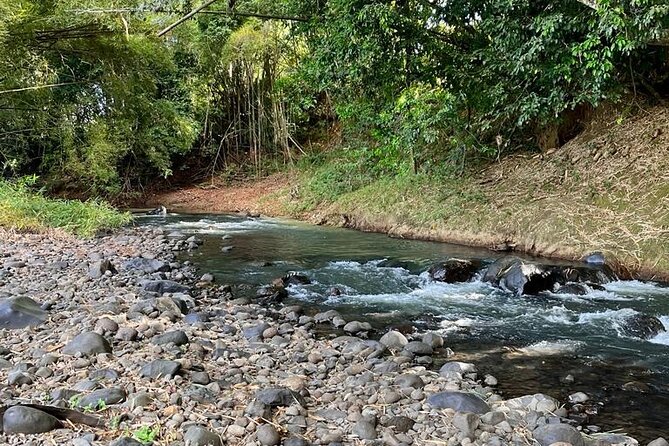
The tasting is not an afterthought. It gives you a chance to connect the farm lesson with food, trying bananas and products made from local ingredients. You may also find products available for purchase, which can make a useful edible souvenir.
The exact amount served can vary. One account found the tasting good but not especially generous, while other descriptions call it excellent and a high point of the visit. I would treat it as a sample, not a meal.
That distinction matters for families. Children may enjoy the sweet flavors, but you should not arrive hungry and expect the tasting to replace lunch. The tasting works best as a pleasant finish after the explanations.
It also gives you a chance to compare the farm’s produce with the bananas you usually buy. The guide’s point is not just that bananas grow in Martinique, but that cultivation, local conditions, and farming choices affect what reaches the table.
English, French, and the guide’s style
The activity is provided in English and French, which makes it accessible to more visitors than a French-only farm tour. Still, the quality and amount of English may vary. A few people have found only limited English explanation, with the main presentation delivered in French.
If you understand French, you are likely to get the fullest version of the commentary. If you rely on English, contact the provider ahead of time or confirm the language before setting out. That small step can prevent disappointment, especially if the farming details are the main reason you are booking.
Bruno is frequently singled out for his friendly manner, clear explanations, humor, and music. His personality appears to shape the outing as much as the train itself. On a small activity like this, a warm guide can turn a basic ride into a memorable hour.
The personal approach may not suit someone who wants a silent, self-guided visit. Most people looking at this tour want stories, explanations, and interaction. If that sounds like you, the guide-led format is a good fit.
Price, timing, and the value of the visit
The listed price is $23.88 per person. For about an hour of guided transport across a large farm, plus the tasting, I consider that a fair price if you are curious about Martinique’s agricultural side or need a family-friendly activity that does not require a full day.
The value is strongest for families and first-time visitors. You get a structured outing, a guide, a ride, and food samples in one package. The price may feel high if you only want to look at banana plants, since the tour is brief and the tasting is modest.
Older price references mention 17 euros for adults and 7 euros for children, but prices can change. Use the current booking price when planning your budget rather than relying on those earlier figures.
The private format is another point to understand. Only your group participates, so the outing is not a large public tram ride. That can make the experience more personal, but it also means you should pay close attention to your booking details and meeting time.
The start and end point is Chemin Soudon, Le Lamentin, Martinique. There is no separate hotel pickup stated. Plan to reach the meeting point yourself, and check directions carefully because one serious complaint involved arriving at the wrong banana attraction in Sainte-Marie. Belfort in Le Lamentin is not the same place as the Banana Museum.
Rain, access, and the mechanical problem to consider
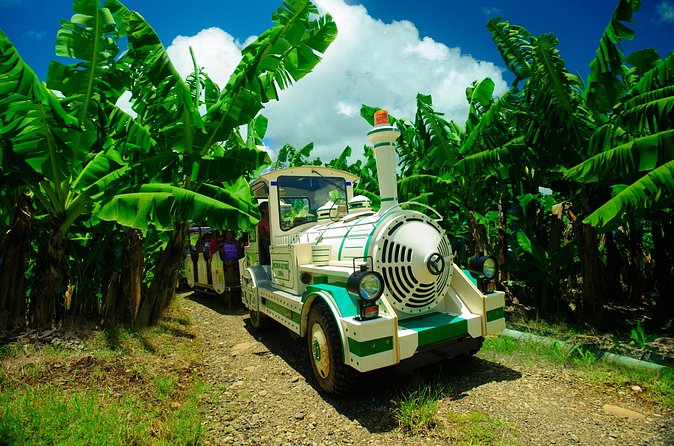
Martinique’s weather can change quickly, and the train is designed to keep the visit possible in rain. That is a real advantage. You do not have to discard the plan simply because the sky turns wet.
The access road has drawn criticism for being badly damaged over part of the route. Drive slowly and expect the approach to be rough. This is especially important if you have a rental car, since potholes are a greater concern on an unpaved or damaged farm road than on the main island roads.
There have also been occasions when the small train broke down. In one case, a replacement plan involved possibly towing the train with a tractor, while another visit had to be rescheduled. These problems do not define every outing, but they are worth keeping in mind when you have a tight cruise, airport, or dinner schedule.
I would avoid placing this tour immediately before an important departure. Free cancellation is available up to 24 hours before the start time, but changes or cancellations inside that window are not accepted for a refund. That policy makes early planning useful, especially if your island schedule is weather-dependent.
Who will enjoy Belfort most
I would choose this experience for families with children, couples who want a relaxed hour outdoors, and anyone interested in how Martinique’s food is produced. The train removes much of the walking, while the stops and tasting give the visit enough shape to hold attention.
It is also a good option for solo visitors who enjoy a compact, guided activity. You do not need to organize a long hike or understand farm operations on your own. The guide supplies the context.
French speakers should have the easiest time getting the full value. English speakers can still enjoy the ride, especially if the provider confirms the English arrangements in advance, but you should not assume every explanation will be equally detailed in English.
I would skip it if you dislike group seating, have no patience for a slow mechanical train, or want a large museum with extensive displays. I would also skip it if your schedule cannot absorb a possible delay.
Should you book the banana farm train?
Book it if you want a short, local, family-friendly look at Martinique beyond beaches and town centers. The combination of a working farm, a small train, Bruno’s lively guiding, tropical fruit trees, and a final tasting gives the hour a clear purpose.
Go with realistic expectations. This is not a major attraction with elaborate exhibits. It is a modest farm visit, and the rough approach road, occasional train trouble, tight seating, and uneven English commentary are genuine considerations.
For the best experience, confirm the Le Lamentin meeting point, check the language, arrive early enough to get a good seat, and leave room in your schedule. If those details suit you, Belfort offers an affordable and personable way to understand the banana behind the market stall.
FAQ
Where does the banana farm train tour begin?
The tour begins at Chemin Soudon, Le Lamentin 97232, Martinique. It also ends back at the same meeting point.
How long does the experience last?
The full activity lasts about one hour. The guided farm visit itself is described as approximately 50 minutes, followed by a tasting.
What languages are available?
The tour is provided in English and French. English explanations may be more limited at times, so confirm the language arrangements before visiting if detailed English commentary is important to you.
What is included at the end of the tour?
The visit ends with a tasting of bananas and local products. The tasting is described as a sample rather than a full meal.
Is the tour suitable for children?
Yes. Most people can participate, and the train format is suitable for families. Children as young as two have taken part according to the supplied experience information.
What is the cancellation policy?
You can cancel up to 24 hours before the experience start time for a full refund. Cancellations or changes made less than 24 hours before the start time are not accepted for a refund.
New on the timetable around the world
- Zermatt Village & Gornergrat Railway Tour | From Bern★ 5.0 · 2 reviews
- York Day Rail Tour from London including Hop-on Hop-off tour★ 5.0 · 3 reviews
- Zagreb: Plitvice With Secured Tickets, Boat And Train Ride★ 4.6 · 15 reviews
- With the steam train through Transylvania- 8 Day★ 5.0 · 2 reviews
- Winter Tour Viking Village, Nærøyfjord Cruise & Flåm Railway★ 4.6 · 26 reviews
- Virginia City Day Tour From Lake Tahoe with Train Ride★ 4.8 · 19 reviews
- USHUAIA | Tierra del Fuego National Park & Optional Train★ 4.6 · 11 reviews
- Ventura: Rail Bike Guided Tour with Farm Stand Stop★ 4.1 · 18 reviews
Other Farms worth a seat

Orange Valley Vintage Train and Orange Farm Tour
Read our review →
Chiang Mai : Cook in Farm, Market tour & Go by a Local Train
Read our review →Lists this ride appears on