
Review · CANADA
Niagara Parks: Power Pass + Falls Incline Railway
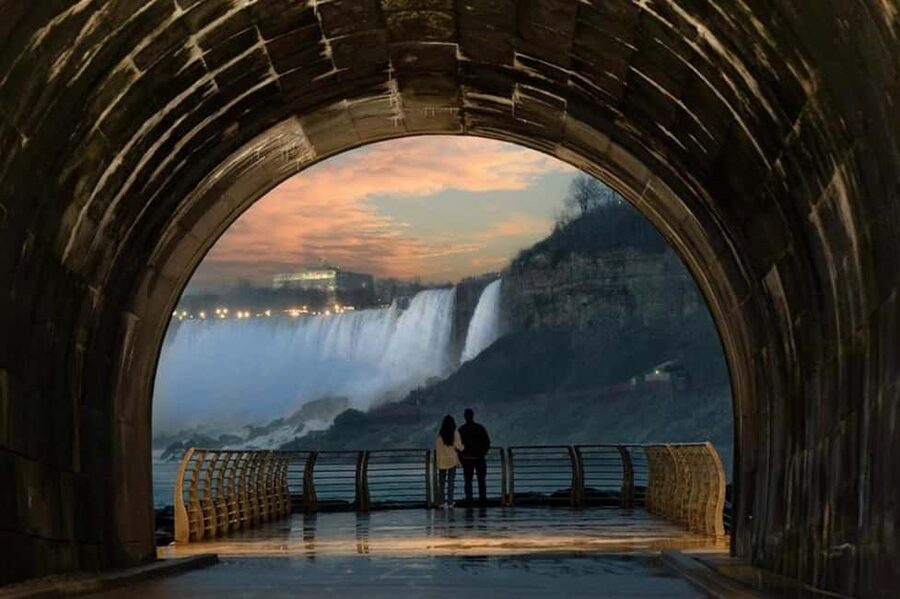
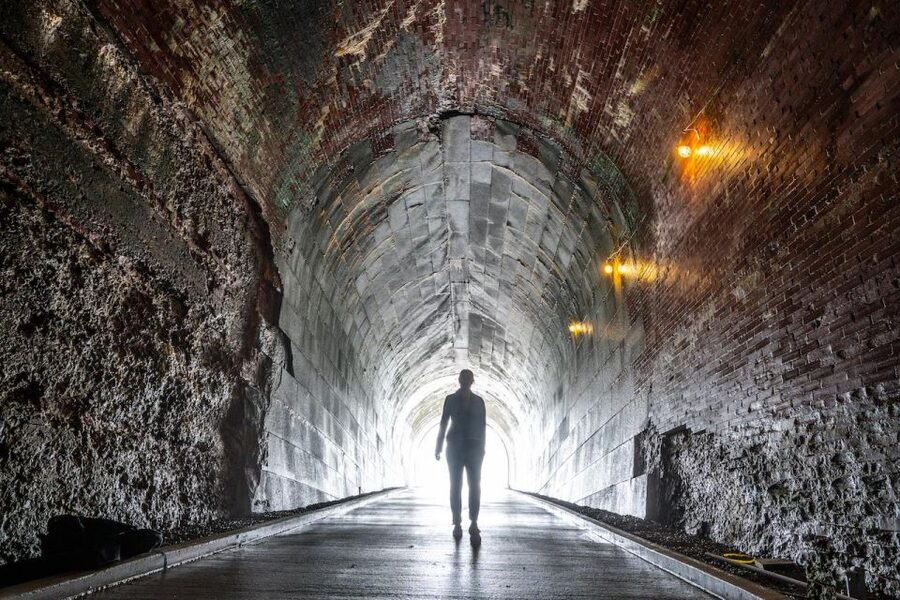
Niagara Falls is usually seen from above, beside the river, or from a boat. This experience gives you a much stranger and more memorable angle: you walk through a 2,200-foot tunnel cut beneath the power station, then step onto a platform near the river’s edge and look up at Horseshoe Falls.
I like two things especially. First, the glass elevator and tunnel make the old power plant feel like a real piece of engineering, not just another viewing stop. Second, the pass lets you return after dark for illuminated falls and the Currents sound-and-light show. The main consideration is value: at $26, it is fair if you use both day and night access, but some people may find the self-guided format a little expensive.
Key points to know
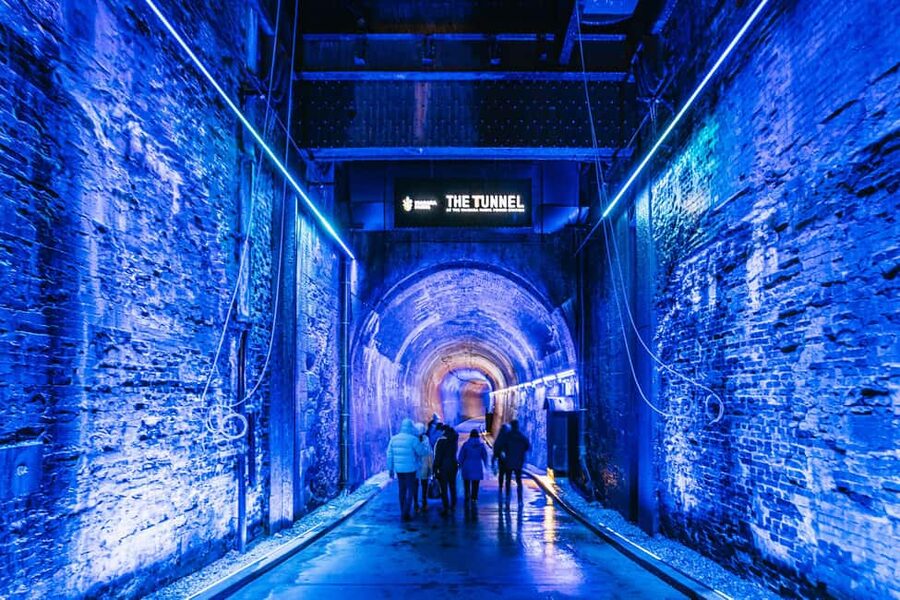
- Descend 180 feet in a glass-paneled elevator before entering the underground Tailrace Tunnel.
- Walk 10 to 15 minutes to the river-edge platform, where you look up at Horseshoe Falls from below.
- Return at night with the same pass for illuminated waterfalls, lighting effects, and the Currents show.
- Use the free audio guides to understand the plant, tunnel construction, and electricity production at your own pace.
- Ride the climate-controlled Falls Incline Railway, connecting the Fallsview area with Table Rock Centre.
- Allow two hours for the station and tunnel, and closer to three if you want time to take in the details and return after dark.
Why the Niagara Parks Power Station feels different
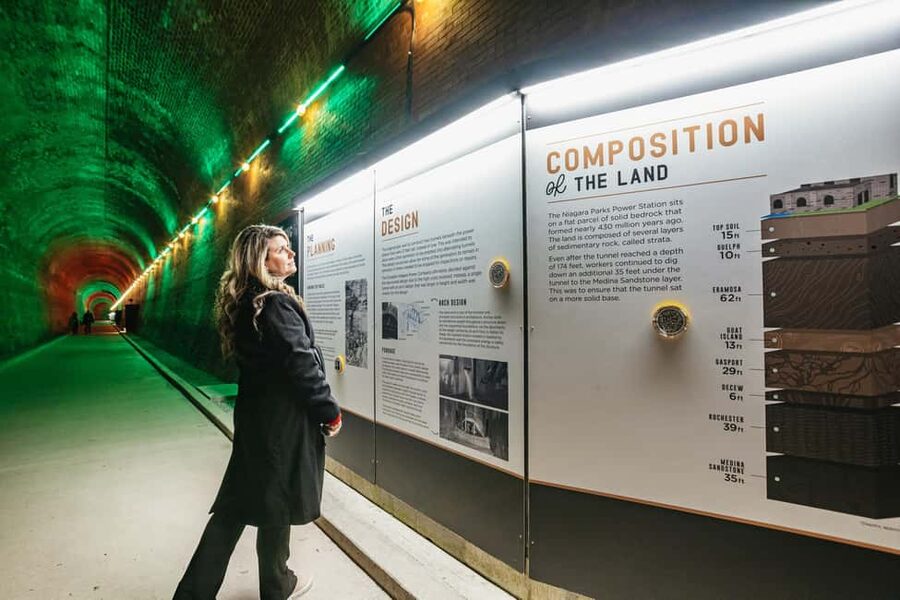
The Niagara Parks Power Station is not simply another place to photograph the falls. It explains how Niagara’s water became electricity, then puts you inside the machinery and construction story.
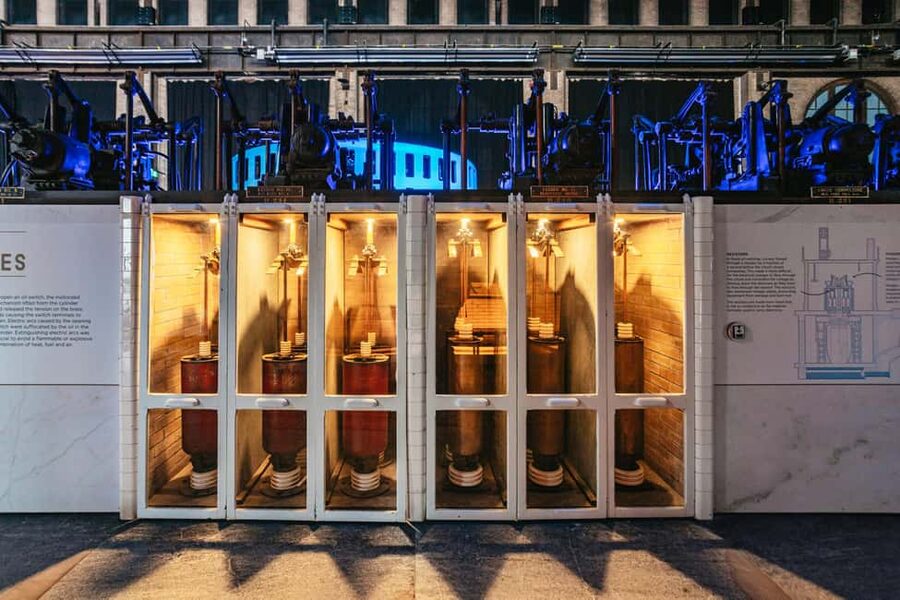
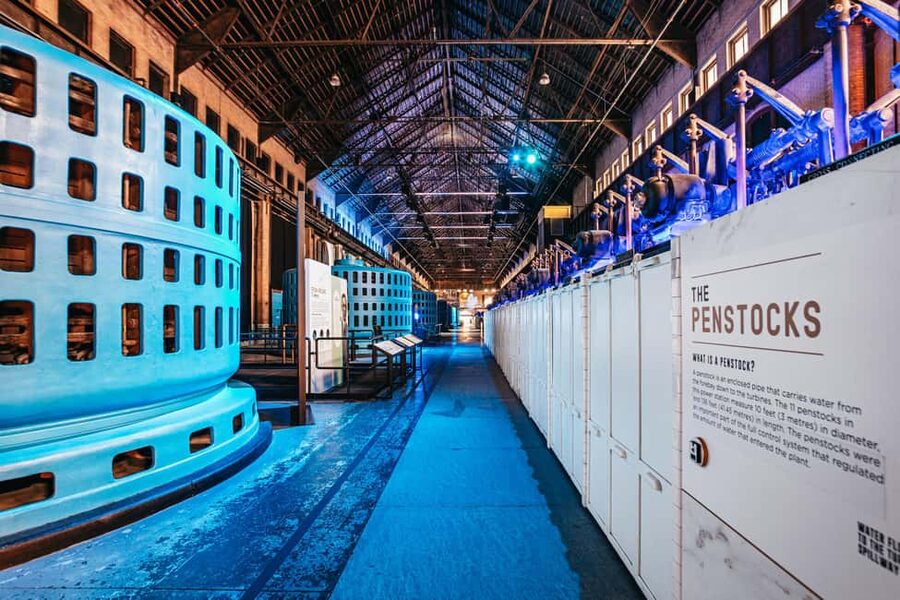
The power station was the first major plant on the Canadian side of the Niagara River. Inside, you move through large halls filled with restored equipment, interactive displays, and explanations of how the plant operated. The scale matters. A turbine is easier to appreciate when you are standing beside it rather than seeing it reduced to a picture on a wall.
I like that the attraction connects the industrial story to the natural force next door. You are not looking at an abandoned building with no context. The exhibits show what it took to turn moving water into power, and why the plant mattered to the growth of the region.
The audio guide helps fill in the gaps. It is self-guided, so you can stop, listen, and move on without keeping pace with a group. The available language is English, and an English-speaking host or greeter is listed for the experience, but the main tour itself is designed for independent exploring.
More Train Journeys around Canada:
Starting inside the generator hall
Begin at the Power Station, located at 7005 Niagara Parkway between the Table Rock Welcome Centre and the Floral Showhouse. The generator hall is the strongest part of the indoor visit for anyone interested in machines, electricity, or old industrial design.
You can take your time with the interactive exhibits and restored artifacts. The audio material adds stories about the plant and its operation, while the displays help explain details that are easy to miss when you are simply looking at giant equipment.
This is also a good first stop for families. The power station gives children a concrete answer to a question many adults rarely stop to ask: how does water make electricity? The attraction does not require a technical background, but people who enjoy engineering will probably spend longer here.
The indoor setting is useful in poor weather, too. Niagara can be cold, wet, or windy, and the power station provides a substantial attraction beyond the usual outdoor viewpoints. The building is open year-round.
The 180-foot descent into the Tailrace Tunnel
After the power station, you take a glass-paneled elevator down 180 feet. That descent changes the mood of the visit. You leave the broad generator hall and enter the working space beneath it.
The tunnel is about 2,200 feet long. Its purpose was to carry water away from the power station after it had passed through the turbines. Today, the route lets you see how much labor went into building the plant underground.
The construction story is one of the most interesting parts. The tunnel was excavated with lanterns, basic dynamite, pickaxes, and shovels. That detail gives the walk some weight. You are not just passing through a modern attraction built for sightseeing. You are following a route shaped by difficult work and early industrial methods.
The tunnel is self-guided, with no walking tour leader explaining each section. That gives you freedom, but it also means you need to pay attention to the audio content and displays. If you prefer a guide who keeps the story moving and answers questions along the way, this format may feel quiet.
Plan on a 10 to 15 minute walk to reach the observation deck at the far end. The walk itself is part of the attraction, but it is not a quick elevator-to-viewpoint stop. Allocate at least two hours for the whole power station and tunnel, especially if you want to listen to the audio material rather than hurry through.
Looking up at Horseshoe Falls from river level
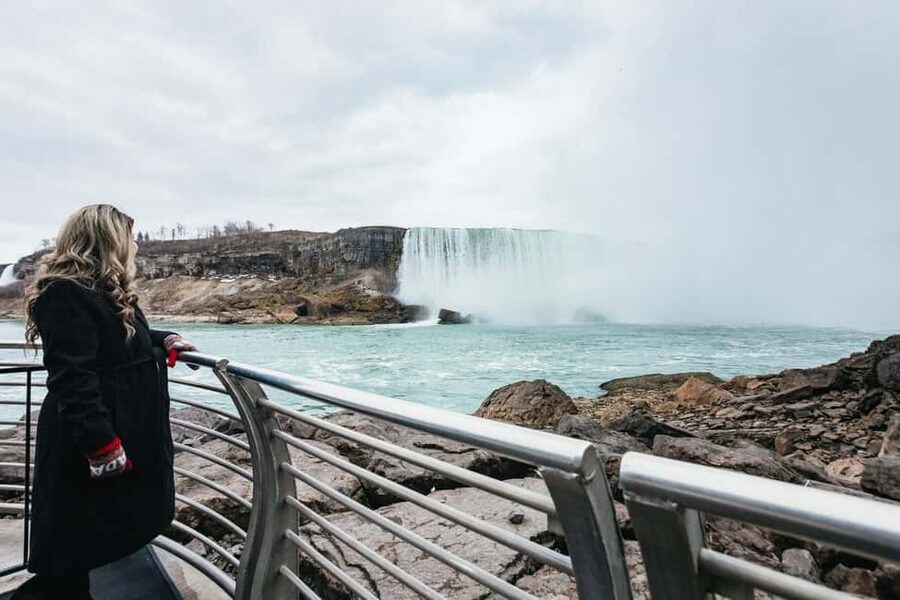
The payoff comes at the end of the tunnel. You step onto an observation platform at the river’s edge and look up toward the falls.
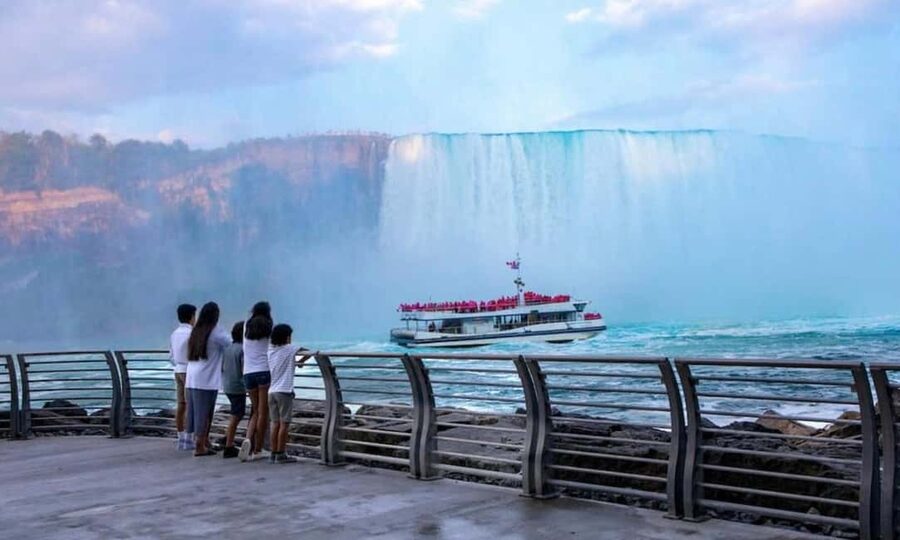
This is a different view from the standard overlooks near Table Rock Centre. Instead of seeing the broad face of Horseshoe Falls from across the river, you are close to the water below the falls and looking toward the tremendous drop above you. The angle makes the height feel more immediate.
A poncho is provided for the observation platform. That is a practical detail, since spray can reach the deck. You should still dress for damp conditions and wear shoes suitable for a walk through the tunnel.
The platform is the high point of the experience for many people. I would not rush it. The power station explains Niagara’s working side, while this deck brings you face to face with the force that made the entire project possible.
The route is wheelchair accessible, which makes the elevator, tunnel, and viewing area available to more people. The experience still involves a fairly long walk through the tunnel, so anyone concerned about stamina should allow extra time.
Same tracks, a different carriage:
- Old Quebec Classique Walking Tour with Funicular
★ 5.0 · 1,317 reviews - Quebec City: Old Quebec Classic Walking Tour with Funicular
★ 4.9 · 695 reviews - Private Walking Tour of Old Quebec with Funicular
★ 5.0 · 238 reviews - Shore Excursion: Private Walking Tour with Funicular
★ 5.0 · 31 reviews
Returning after dark for the second experience
The Power Pass includes daytime and nighttime admission. That is the feature that makes the $26 price easier to justify.
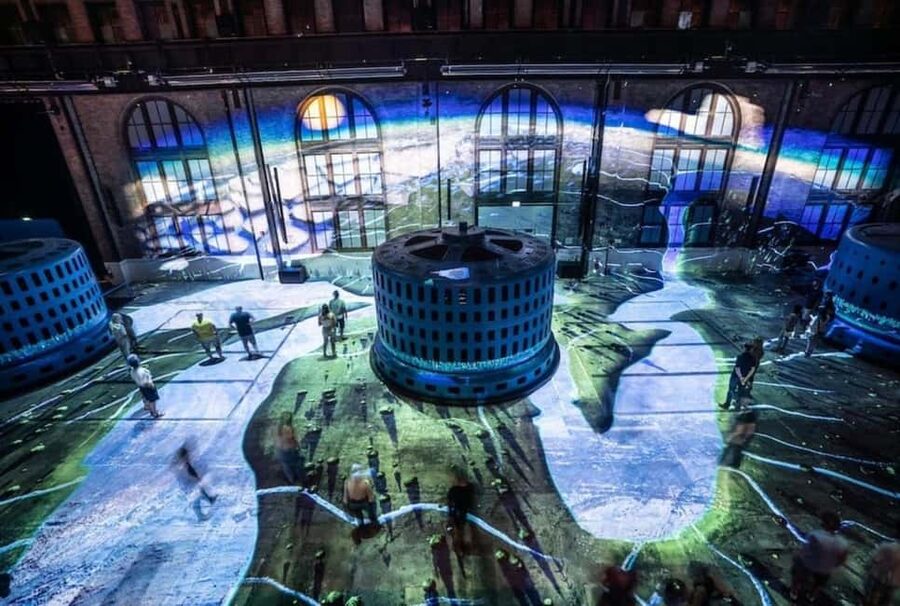
During the day, you can focus on the machinery, tunnel construction, and river view. After dark, the same setting changes character. The tunnel and falls are illuminated, and the observation platform gives you a nighttime view of Horseshoe Falls.
The nighttime visit is not simply a repeat. Lighting changes what you notice in the tunnel, and the falls take on a different look when illuminated against the darkness. The pass gives you flexibility, so you can visit the power station during daylight and come back later instead of trying to fit everything into one rushed session.
The attraction also includes Currents, a sound-and-light show in the generator hall. It runs continuously during the nighttime experience, so you can choose when to watch it. The expanded evening setup also includes new lighting effects in the generator hall and tunnel.
That flexible schedule is useful. You do not have to build your evening around one fixed showtime. You can explore the illuminated areas, watch Currents, and visit the viewing platform in the order that suits you.
How much time to allow
The basic power station and tunnel visit takes about two hours if you listen to the audio content and take your time at the viewing area. I would allow closer to three hours if you want to explore carefully, use the incline railway, and return for the nighttime portion.
A practical plan looks like this:
- Visit the Power Station during the day.
- Explore the generator hall and interactive displays.
- Take the elevator down and walk through the tunnel.
- Spend time at the river-edge observation platform.
- Use the Falls Incline Railway as part of your movement between the Fallsview area and Table Rock Centre.
- Return after dark for Currents, the illuminated tunnel, and the lit falls.
The pass is valid for one day, so you need to organize the timing within that day. The ability to come and go is a real benefit. You do not need to remain inside for the entire visit, and you can fit in other Niagara Parks sights or a meal between the daytime and nighttime portions.
The Falls Incline Railway included with the pass
The Falls Incline Railway is a small but useful extra. It links the Fallsview Tourist area with Table Rock Centre and runs year-round.
The cars are climate-controlled and fully accessible. As they rise and descend along the inclined track, you get a different angle on Horseshoe Falls than you would from a flat walkway. It is also a practical way to avoid some of the effort involved in moving between the upper tourist area and the river-level attractions.
I would treat the railway as a helpful bonus rather than the main reason to buy the pass. The power station and tunnel are the heart of the experience. Still, if you plan to spend time in both the Fallsview area and at Table Rock Centre, having the railway included adds real convenience.
Price, parking, and practical planning
The price is $26 per person. That is reasonable if you use the daytime admission, nighttime admission, tunnel, observation platform, Currents show, and incline railway.
The value is weaker if you only walk through the power station once and skip the evening return. One visitor found the self-guided format somewhat costly, and that is a fair concern. You are paying for access to a substantial attraction, but there is no traditional guided tour included.
Parking is available beside the Power Station at the Falls Parking Lot. Daily parking passes can also be purchased for use at several Niagara Parks parking lots. If you are driving, check the parking cost before deciding how long to stay, since the attraction itself is only one part of the day’s expense.
The pass can be canceled up to 24 hours in advance for a full refund, and reserve-now, pay-later booking is available. Children age two and under enter free with an accompanying adult.
Who will enjoy this most
I would recommend this to anyone who wants more than the standard Niagara Falls viewpoint. The strongest audience includes:
- People interested in engineering, electricity, and old power plants.
- Families looking for an attraction that combines machines, history, and a dramatic view.
- Photographers who want a less familiar angle on Horseshoe Falls.
- Visitors staying near Niagara Falls for a full day and evening.
- Anyone who wants a weather-friendly attraction with a major outdoor payoff.
It is less ideal for someone looking for a guided walk or a fast photo stop. The audio guide is useful, but you are responsible for setting your own pace and taking in the information. The tunnel is also long enough that you should not treat this as a quick add-on between other sights.
The nighttime portion suits people who want atmosphere. If you only care about seeing the machinery in daylight, you may not get the full value from the pass. If you enjoy seeing familiar places in a new light, returning after dark is one of the best reasons to book.
Should you book the Power Pass?
Book it if you can spare two to three hours and plan to use both day and night access. The river-edge view from beneath the falls is unusual, and the tunnel gives the visit a sense of purpose that a simple overlook cannot provide.
I would also book it for a rainy or cold day, since much of the experience is indoors and the attraction operates year-round. The self-guided format keeps you flexible, but it means you should arrive ready to read, listen, and explore independently.
Skip it if you only have a short window, dislike audio-led attractions, or will not return after dark. For everyone else, $26 buys a well-shaped Niagara experience: first the machinery, then the tunnel, then the falls from below, with a second version of the whole place waiting after sunset.
FAQ
Where is the Niagara Parks Power Station?
It is at 7005 Niagara Parkway in Niagara Falls, Ontario, between the Table Rock Welcome Centre and the Floral Showhouse.
How long should I allow for the Power Station and Tunnel?
Plan about two hours to explore the Power Station and the 2,200-foot tunnel. Allow closer to three hours if you want to take your time or return for the nighttime experience.
Is the nighttime experience included?
Yes. The Power Pass includes admission during the day and after dark, including the illuminated tunnel, illuminated Horseshoe Falls, and Currents Light and Sound Show.
Is the tunnel guided?
No. The tunnel is a self-guided experience. Complimentary audio guides are included, and the available language is English.
Is the experience wheelchair accessible?
Yes. The experience is listed as wheelchair accessible, and the Falls Incline Railway is fully accessible.
Does the pass include the Falls Incline Railway?
Yes. The pass includes the climate-controlled Falls Incline Railway, which connects the Fallsview Tourist area with Table Rock Centre.
New on the timetable around Canada
- Whistler Train Wreck, Suspension Bridge & Hidden Waterfall Adventure★ 5.0 · 24 reviews
- 6-Day Rocky Mountaineer Train Tour, From Vancouver to Rockies★ 4.5 · 10 reviews
- 5-Day Rocky Mountaineer Train Tour, From Vancouver to Rockies★ 4.5 · 8 reviews
- Quebec City Scenic Walking Tour with 1 Funicular Ride★ 4.5 · 7 reviews
- Guided Bike Tour on Historical Kettle Valley Railway at Myra Canyon & Wine Tour★ 5.0 · 19 reviews
- Quebec City Private Walking Tour with Funicular Ride★ 4.8 · 10 reviews
- Exporail, the Canadian Railway Museum★ 4.2 · 5 reviews
- Shore Excursion: Private Walking Tour with Funicular★ 5.0 · 31 reviews
Other Canada Train Journeys worth a seat
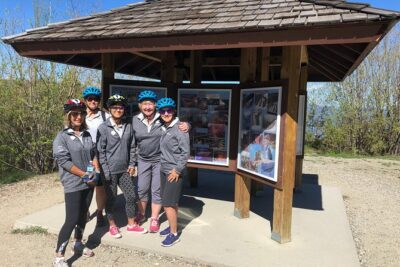
Bicyle Tour on Historical Kettle Valley Railway from Myra Canyon to Penticton
Read our review →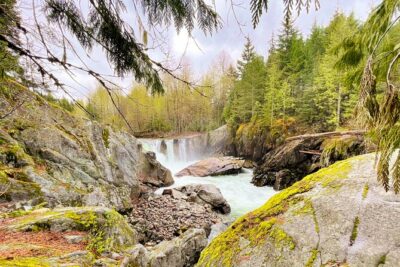
Whistler Train Wreck, Suspension Bridge & Hidden Waterfall Adventure
Read our review →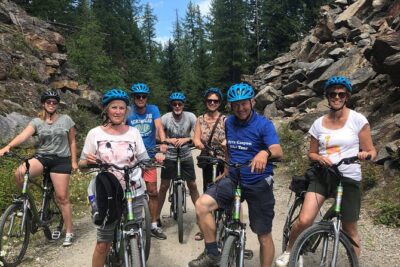
Guided Bike Tour on Historical Kettle Valley Railway at Myra Canyon & Wine Tour
Read our review →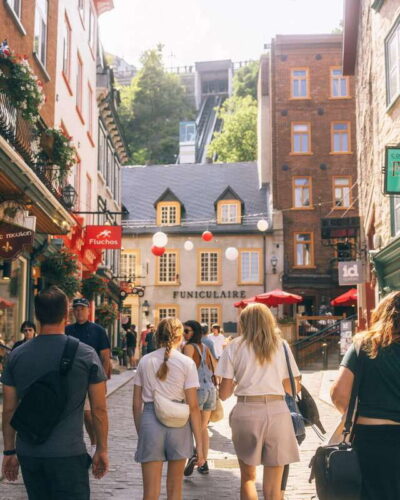
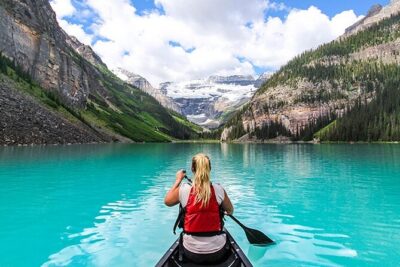
6-Day Rocky Mountaineer Train Tour, From Vancouver to Rockies
Read our review →
Lists this ride appears on