Review · CUSCO
Cusco: 4-Day Salkantay Trek to Machu Picchu, Panoramic Train
The best thing about this four-day trip is the change in scenery. You start among high Andean peaks and turquoise Humantay Lake, cross the stark Salkantay Pass at 4,630 meters, then walk down into cloud forest before reaching Machu Picchu. I like that the route feels like a real journey, not simply a long transfer to the ruins.
I also like the thoughtful mix of glamping and local food. You get a proper bed in Aguas Calientes, cozy camps along the trail, a Pachamanca barbecue, and a hands-on coffee experience. The main caution is the second day: it is long, high, and demanding, and the basic Andean huts on the second night may feel rough around the edges.
Key points to know before booking
- The Salkantay Pass reaches 4,630 meters: Day two is the physical test of the trip, with a two-hour climb followed by a long descent.
- Humantay Lake comes early: You reach one of the trek’s most striking sights on the first morning, but only after a very early start and a steep uphill walk.
- Three styles of lodging: Sleep in a glamping tent, an Andean hut, and a 3-star hotel in Aguas Calientes.
- Food is part of the experience: Trail meals, a Pachamanca barbecue, and a coffee-making session give the trek a strong local flavor.
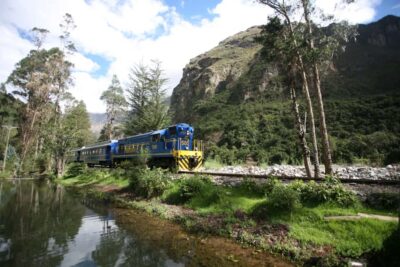
- The return journey is comfortable: A Vistadome or 360° panoramic train carries you back toward Cusco after Machu Picchu.
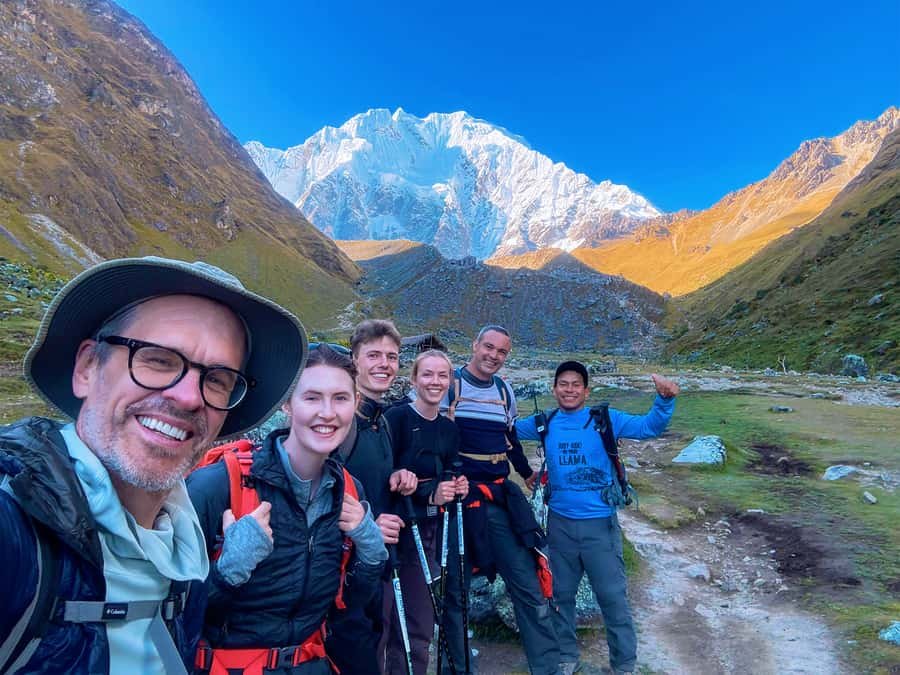
- Small groups keep the trip manageable: The group limit is 16, with English and Spanish guide service.
Why this Salkantay route is a strong alternative to the Inca Trail
Salkantay gives you a broad slice of the Cusco Region in only four days. You leave the colonial center of Cusco before dawn, climb toward glacial mountains, pass through high-altitude terrain, and finish in warm cloud forest near Machu Picchu. I like this route because every day has a different feel.
The route also suits you if the classic Inca Trail is not available or if you want more mountain scenery. It is not an easy substitute, though. The Salkantay Pass is higher than most points on the Inca Trail, and the first two days involve serious uphill and downhill walking.
The group limit of 16 is useful. You are not part of a giant procession, and the guide can keep an eye on people moving at different speeds. Previous crews have included guides such as Alex, José, Roger, William, and Filio, along with cooks including Felix, Zenobio, Ismael, and Dionissios. Your exact team will depend on the departure, but the structure includes a professional guide and support crew.
More Machu Picchu Train Trips around Cusco:
- Cusco: Machu Picchu 2-Day Inca Trail with Panoramic Train
★ 4.9 · 260 reviews - The First Class Machu Picchu Train by Inca Rail
★ 4.0 · 182 reviews - Excursion to the Sacred Valley and Machu Picchu by Panoramic Train
★ 5.0 · 45 reviews
Day one: Humantay Lake and the first night at SalkaGlamp
Your day begins around 4:30 a.m. with pickup from a hotel in Cusco’s historic center. Be ready in the lobby 10 minutes early. If you stay outside the Cusco district, you will need to meet the group at a designated point near the main square.
The early departure is not glamorous, but it gives you time to reach Mollepata for breakfast and continue to Challacancha before the trail gets busy. From Challacancha, the walk to Humantay Lake takes you uphill through mountain country. The turquoise water, clear mountain air, and views toward the high peaks make this a memorable opening stop.
You then descend to Soraypampa for lunch. This is a sensible point for a break because the morning climb can feel tougher than the distance suggests, especially if you are still adjusting to Cusco’s altitude.
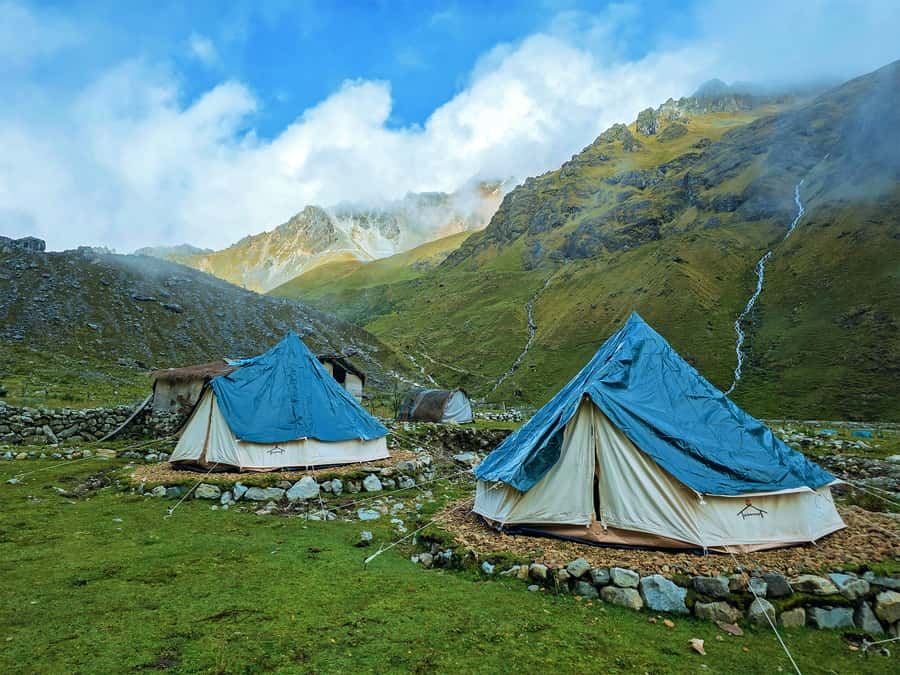
The afternoon continues toward the Salkantaypampa camp. The glamping setup is a real advantage after such an early start. You receive a tent, pillow, sleeping pad, rain poncho, and hand towels, with dinner served at camp. A night under the Andes sounds romantic, but remember that temperatures can drop sharply at altitude. Pack warm layers and do not count on your sleeping bag being included. You can rent one.
The first day combines the route’s most famous lake with a comfortable camp, but it is not a gentle warm-up. You need hiking shoes, sun protection, rain gear, water, and clothing that can handle changing temperatures.
Day two: The 4,630-meter Salkantay Pass
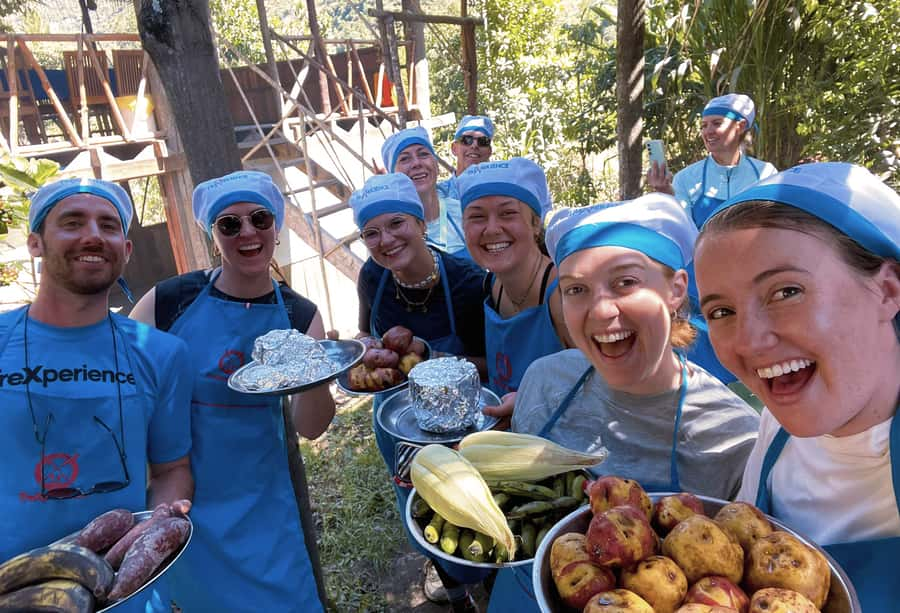
This is the day that decides how much you enjoy the trek. Coffee or coca tea is served at your tent before breakfast, then you begin the roughly two-hour climb to the Salkantay Pass.
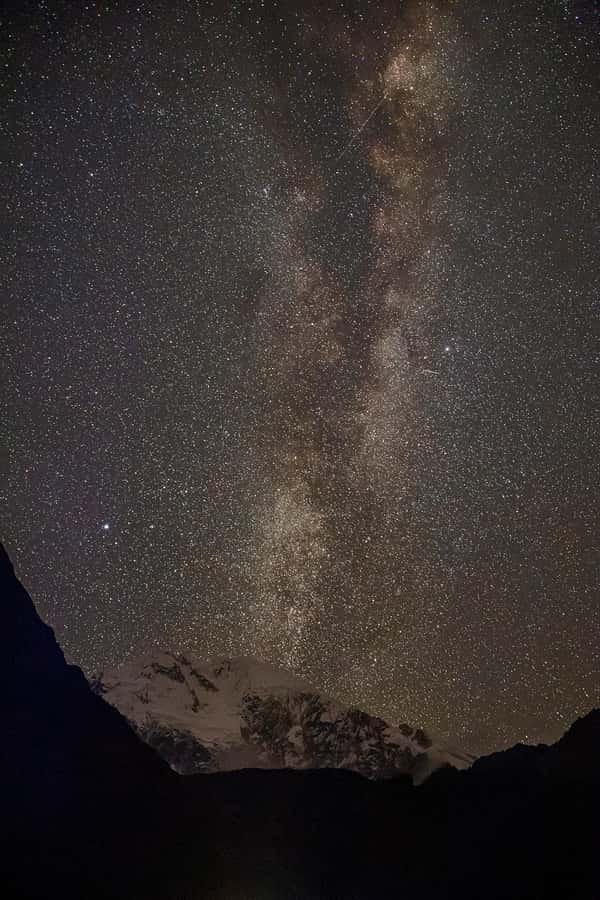
At 4,630 meters, the pass is the highest point of the trip. You can expect wide views of snow-covered peaks and the lake below Salkantay Mountain. It is a dramatic place to pause, but altitude makes the climb feel more serious than the mileage suggests.
Take your time. The guide is there to help manage the group, and a slower pace is sensible. The tour carries an oxygen tank, first-aid kit, and satellite phone, which adds a useful safety net, though no equipment replaces proper acclimatization.
After the pass, the trail drops for about three hours to Wayracmachay for lunch. Downhill walking can be hard on knees and thighs, so trekking poles are worth considering. They are available for rent, as are an air mattress and sleeping bag.
The afternoon brings a major change in scenery. You continue for another three hours into cloud forest, where flowers, orchids, and hummingbirds replace the bare high mountain slopes. This contrast is one of the route’s great strengths. You do not spend four days looking at the same type of view.
You finish at Collpapampa, staying in Andean huts surrounded by natural sounds. This is the least polished lodging of the trip. The huts and bathrooms are functional but may be in poor condition, and a hot shower can cost extra. Go in expecting a basic overnight stop, not a boutique mountain lodge.
The food is a brighter part of the day. The cooks prepare three breakfasts, three lunches, and three dinners on the trail, with snacks and water provided. Past crews have praised the variety and portion sizes, including local dishes that provide enough fuel for the long walking days.
Day three: Coffee, Pachamanca, and the walk to Aguas Calientes
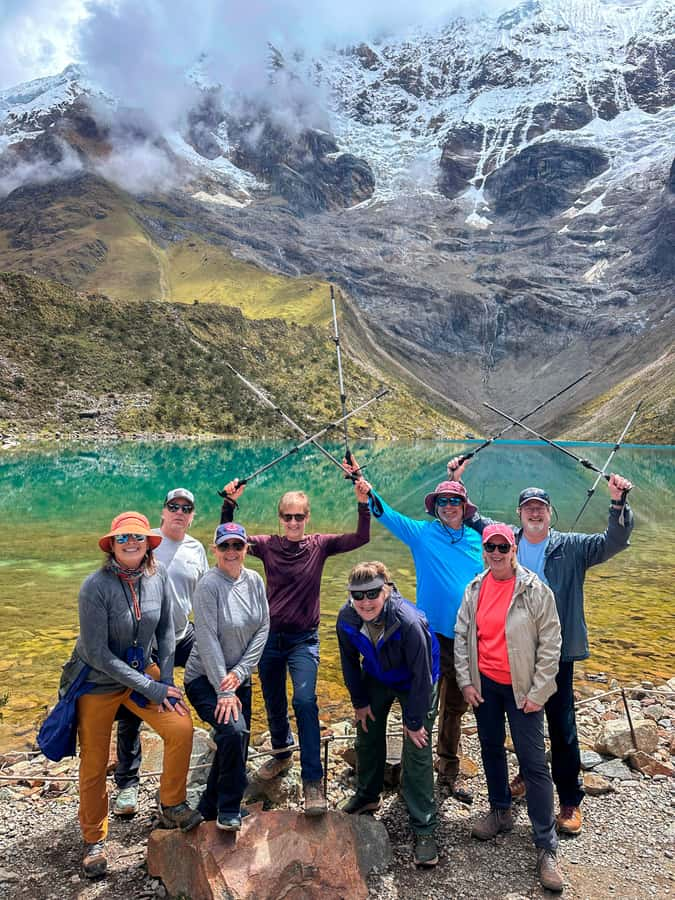
After breakfast, you walk for about three hours to Lucmabamba. This section is less about conquering a summit and more about getting close to the farming communities and plant life of the lower valleys.
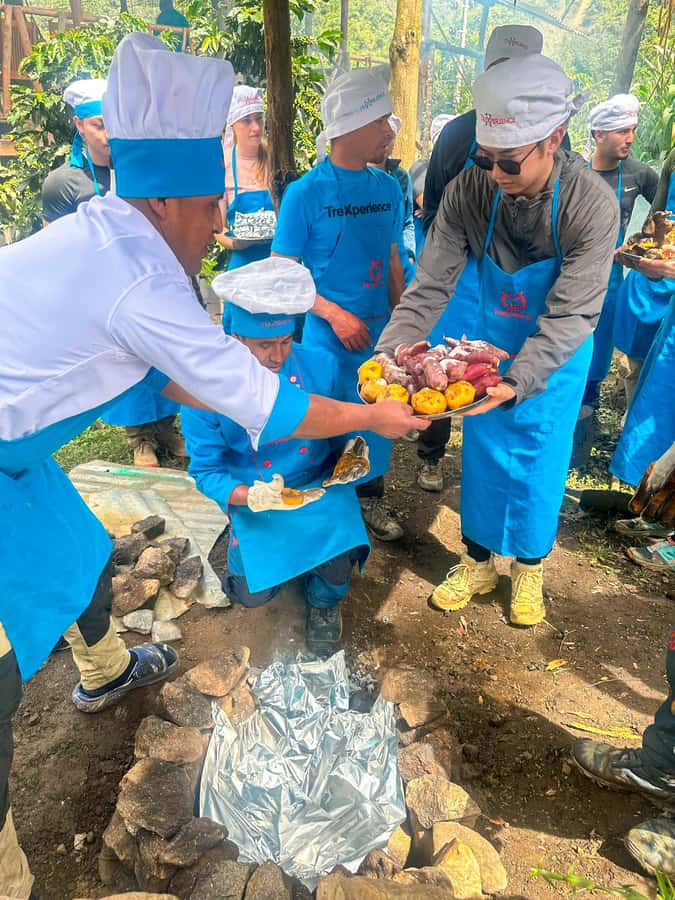
The Pachamanca barbecue is one of the most distinctive parts of the trip. Meat, vegetables, and fruit are cooked underground with hot stones, creating a traditional Andean meal and a short cooking lesson. It gives you something more memorable than another standard packed lunch, and you can see how heat, earth, and local ingredients come together.
The coffee stop adds another hands-on element. At a local farm, you learn how coffee moves from bean to cup, then prepare your own fresh espresso. If you care about food and farming, this is one of the most worthwhile inclusions because it connects the route to everyday life in the region.
After Lucmabamba, transport takes you to Hidroeléctrica. From there, you walk for roughly three hours to Aguas Calientes. The path leads you toward the Machu Picchu area, but do not expect the citadel itself to appear on this walk. The reward is arriving under your own power before checking into a 3-star hotel.
A hotel room, bed, shower, and breakfast make a noticeable difference after two nights outdoors. Dinner at a local restaurant is included, while lunch on the final day is not. You should carry cash for that meal and other small purchases.
More Scenic Railways in Cusco:
- Inca Trail 4 Day Adventure to Machu Picchu with Panoramic Train
★ 5.0 · 34 reviews - Private Machu Picchu Day Tour by Panoramic Train
★ 5.0 · 32 reviews - Excursion to MachuPicchu with Train Vistadome Full Day
★ 4.5 · 31 reviews - Cusco: 4-Day Lares Trek to Machu Picchu with Panoramic Train
★ 4.9 · 20 reviews
Day four: Machu Picchu before the return train
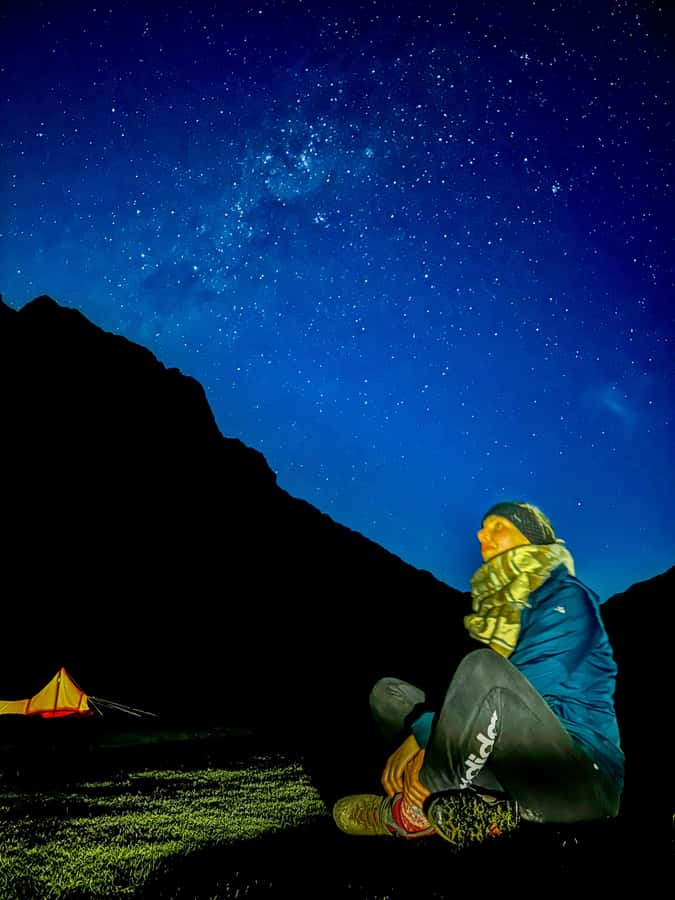
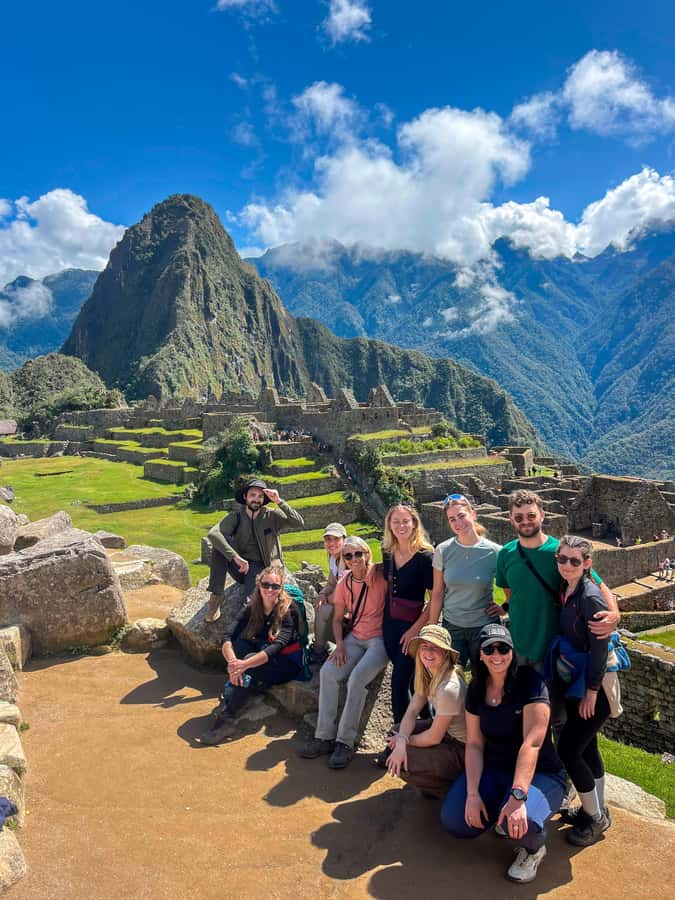
The final morning starts early. You take one of the first buses up to Machu Picchu, with the chance to see the mountains around the citadel in the morning light. The early start is worth it because the site can become busier later in the day, and you need enough time for the guided visit.
The standard visit lasts about two to three hours. Your guide explains the main areas of the citadel, the Inca construction, and the questions that still surround the site. The tour includes Circuit 2 by default, which is the usual choice for seeing the principal sectors. If that circuit is sold out, Circuit 1 or Circuit 3 may be assigned.
Huayna Picchu and Machu Picchu Mountain are not part of the standard package. If you want one of those additional climbs, book the required ticket well ahead. Do not assume you can add it at the last minute.
After the visit, you return to Aguas Calientes for lunch at your own expense. Then comes the Vistadome or 360° panoramic train toward Cusco. The wide windows make this a fitting end to a trip built around changing scenery, and the train is far more comfortable than another long road transfer.
A transfer team meets you after the rail journey and takes you back to your hotel. Confirm the final drop-off details during the pre-trip safety briefing, especially if your accommodation is outside the historic center.
What the $552 price really covers
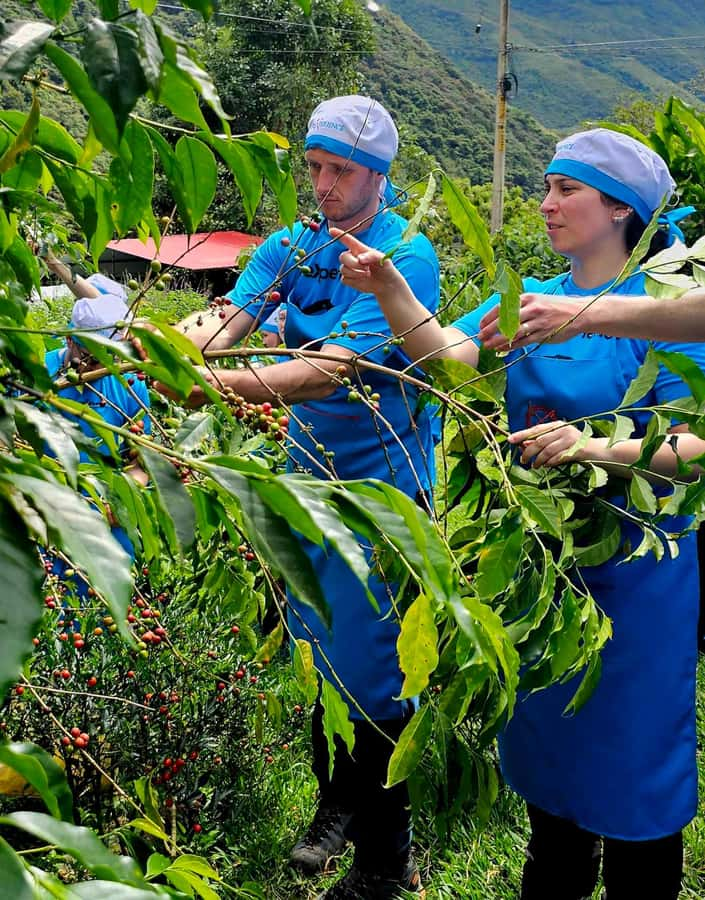
At $552 per person, this is not a bare-bones hike. The price includes entrance tickets for the Salkantay Trek and Machu Picchu, guides, transportation, hotel pickup and drop-off, trail food, camping equipment listed in the package, a 7-kilogram duffle allowance, one hotel night, and the panoramic train.
The food program adds real value. You receive three breakfasts, three lunches, three dinners, water, and daily snacks during the trail section. The Pachamanca meal and coffee activity would also cost extra if arranged separately.
The lodging is uneven, but that is part of the tradeoff. Glamping on the first night and a proper hotel in Aguas Calientes soften the trip. The Collpapampa huts are the weak point, especially if you expect reliable hot water and polished bathrooms.
You still need to budget for the final lunch, sleeping bag, and optional equipment rentals. Huayna Picchu and Machu Picchu Mountain require advance tickets and separate planning. Since the booking is non-refundable, check your dates, passport details, fitness, and altitude plans carefully before paying.
Packing for four changing climates
You need to pack for cold, sun, rain, and insects. The most useful items are:
- Hiking shoes with good grip
- Warm layers for the pass and camp
- Rain gear and a change of clothes
- Sun hat, sunglasses, and sunscreen
- Insect repellent for the lower sections
- Flashlight and toiletries
- Cash, hand sanitizer, and tissues
- Passport and student card if relevant
- A small camera and weather-appropriate clothing
The duffle bag holds up to 7 kilograms, or about 11 pounds, for personal belongings. Keep your daypack light, but make sure it contains water, snacks, rain protection, sunscreen, and an extra layer.
Special dietary needs must be given when booking. Alcohol, drugs, smoking, weapons, sharp objects, fires, littering, and feeding animals are not allowed. Children must have a responsible adult with them, and the tour is not suitable for pregnant people or those with serious mobility, heart, or back problems.
Who will enjoy this trek most
I would choose this tour if you want Machu Picchu to be part of a proper mountain journey rather than a quick rail excursion. It suits fit hikers who enjoy long days, changing climates, camp nights, and local food activities.
It is also a good fit if comfort matters but you do not need luxury. The glamping tent and Aguas Calientes hotel are welcome, while the second night asks you to accept simple conditions.
I would think twice if you dislike early mornings, altitude, steep descents, or shared group pacing. The pass day is demanding, and the trek does not offer a short version of the hardest section. If your priority is the ruins themselves, a shorter Machu Picchu package may be wiser.
FAQ
How long is the Salkantay trek to Machu Picchu?
The experience lasts four days and includes the Salkantay Pass, Humantay Lake, cloud forest, Aguas Calientes, and Machu Picchu.
What time is pickup in Cusco?
Pickup from hotels in Cusco’s historic center begins around 4:30 a.m. You should wait in the lobby 10 minutes before the scheduled time.
How high is the Salkantay Pass?
The pass reaches 4,630 meters, or 15,190 feet, above sea level.
What type of accommodation is included?
You spend one night at a glamping camp, one night in Andean huts at Collpapampa, and one night in a 3-star hotel in Aguas Calientes.
Is food included?
Breakfast, lunch, dinner, water, and daily snacks are included during the trail. The Pachamanca barbecue, cooking activity, coffee experience, and dinner in Aguas Calientes are also included. Lunch on the final day is not included.
Is the Machu Picchu entry ticket included?
Yes, the Machu Picchu entrance ticket is included. Circuit 2 is assigned by default, though Circuit 1 or 3 may be used if Circuit 2 is sold out. Huayna Picchu and Machu Picchu Mountain tickets are not included.
Can I rent trekking equipment?
Yes. Sleeping bags, air mattresses, and trekking poles are available to rent. The package also provides a pillow, sleeping pad, rain poncho, and hand towels.
Should you book it?
Book this trek if you want a demanding but well-supported route with strong scenery, local food, and a comfortable finish. The guide support, trail meals, small group size, and panoramic train make the $552 price fair for what is included.
The decision comes down to the second night and the second day. If you can handle a 4,630-meter pass and accept basic huts with possible extra charges for a hot shower, this is a rewarding way to reach Machu Picchu. If you need soft beds every night or prefer a relaxed schedule, choose a less strenuous option.
More Four-Day Rail Trips around Cusco
- 4-Day Isle of Skye & Jacobite Steam Train (train ride included)
★ 5.0 · 82 reviews - 4-Day Cork, Ring of Kerry, Dingle, Cliffs of Moher and Galway Bay Rail Tour
★ 4.5 · 48 reviews - Borobudur & Prambanan in Yogyakarta, train to Malang, hike Bromo & Ijen // 4D3N
★ 5.0 · 18 reviews - 4 Days Nile cruise luxor, Aswan,Hot air balloon&abu simbel with Train from Cairo
★ 4.5 · 12 reviews
More Hikes Reached by Train around Cusco
- 2-Day Inca Trail Hike to Machu Picchu & Panoramic Train
★ 4.7 · 7 reviews - Tour with the Mountain Train, Trek to Mystic Forest and Castle
★ 5.0 · 101 reviews - Sapa: 3-Day, 3-Night Trek and Hotel with Overnight Train
★ 4.2 · 64 reviews - Saint Kitts Train Trek
★ 4.0 · 60 reviews
New on the timetable around Cusco
- Excursion to MachuPicchu with Train Vistadome Full Day★ 4.5 · 31 reviews
- Inca Trail 4 Day Adventure to Machu Picchu with Panoramic Train★ 5.0 · 34 reviews
- Private Machu Picchu Day Tour by Panoramic Train★ 5.0 · 32 reviews
- Belmond Hiram Bingham Train to Machupicchu – Full Day★ 4.5 · 33 reviews
- Machupicchu tour by tourist train in 2 days★ 4.5 · 7 reviews
- From Cusco: Train Ride and Guided Tour of Machu Picchu★ 5.0 · 6 reviews
- From Cusco: Machu Picchu Private Day Trip on Panoramic Train★ 5.0 · 6 reviews
- From Cusco: Excursion to Machu Picchu 1 day + Ticket & Train★ 5.0 · 2 reviews
Other Machu Picchu Train Tours worth a seat
Machu Picchu 2-Day Inca Trail with Panoramic Train
Read our review →
The First Class Machu Picchu Train by Inca Rail
Read our review →
Excursion to the Sacred Valley and Machu Picchu by Panoramic Train
Read our review →
Excursion to Machu Picchu in 1 day from Cusco with Vogager Train Inca Rail
Read our review →
Private Machu Picchu Day Tour by Panoramic Train
Read our review →
4-Day Lares Trek to Machu Picchu with Panoramic Train
Read our review →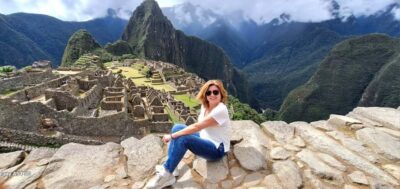
Machu Picchu Day Trip with Train + Entrance ticket
Read our review →