
Review · ITALY
Cagliari: Conti Vecchi Salt Flats Train and Tour
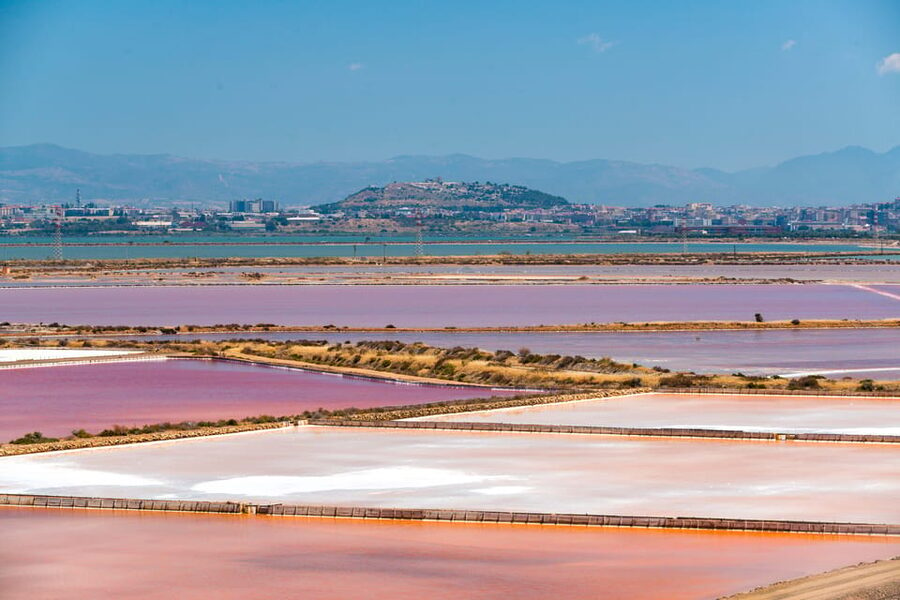
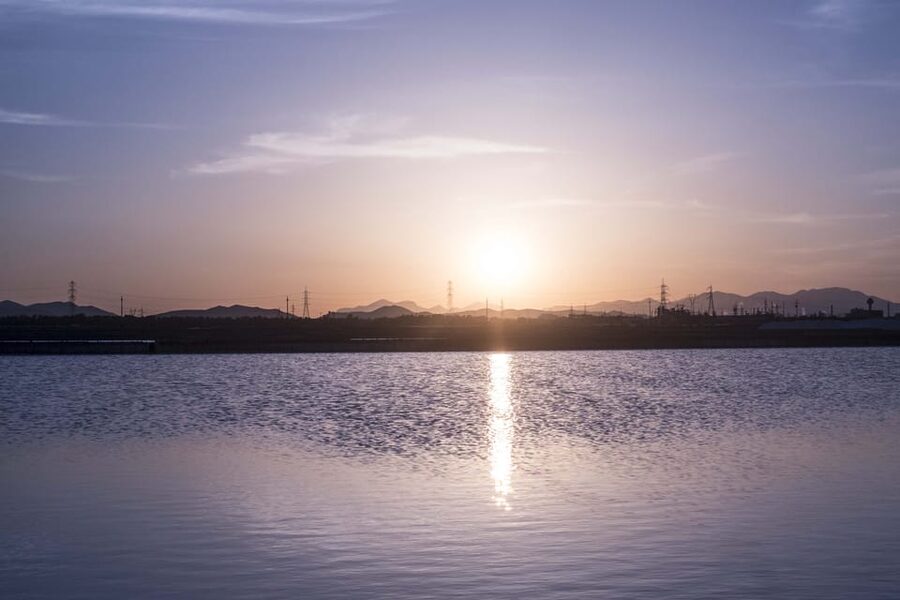
Bright pink flamingos, pink water, and huge white salt piles make the Conti Vecchi Saltworks an unusual stop near Cagliari. You’ll ride a small train through the Santa Gilla Basin, then connect the salt, the wetland, and the working life of Macchiareddu.
I like the clear link between industry and local history, and I like that the visit costs only $14 for about two hours. The old workshop, chemical lab, tools, and films give the place more substance than a simple bird-watching outing.
The main drawback is language. The live guide speaks Italian, and the English commentary on the train can be brief or hard to hear. The films have English subtitles, so you can still follow the larger story.
Key points to know
- Flamingos and salt mountains: The train takes you into a wetland where pink birds contrast with bright white piles of harvested salt.
- A working industrial site: You see an operating salt plant, old offices, a workshop, and a restored chemical laboratory.
- A short but worthwhile outing: The full visit lasts about two hours, including a one-hour train ride.
- Italian-led experience: The guide speaks Italian, while the films include English subtitles.
- Easy by car: You park free in the Assemini and Macchiareddu industrial area, then walk to the bookshop at the entrance.
- Good value for families and curious adults: The low price covers admission, the museum area, the films, and the train ride.
Why Cagliari’s salt flats are worth your time
Most visitors come to Cagliari for old streets, churches, seafood, and sea views. The Conti Vecchi Saltworks gives you something different: a look at the machinery and people behind a major local industry.
Salt once had great economic value. It was not simply something sprinkled on food. It was preserved, traded, processed, and shipped, and its production supported communities around the Santa Gilla Basin.
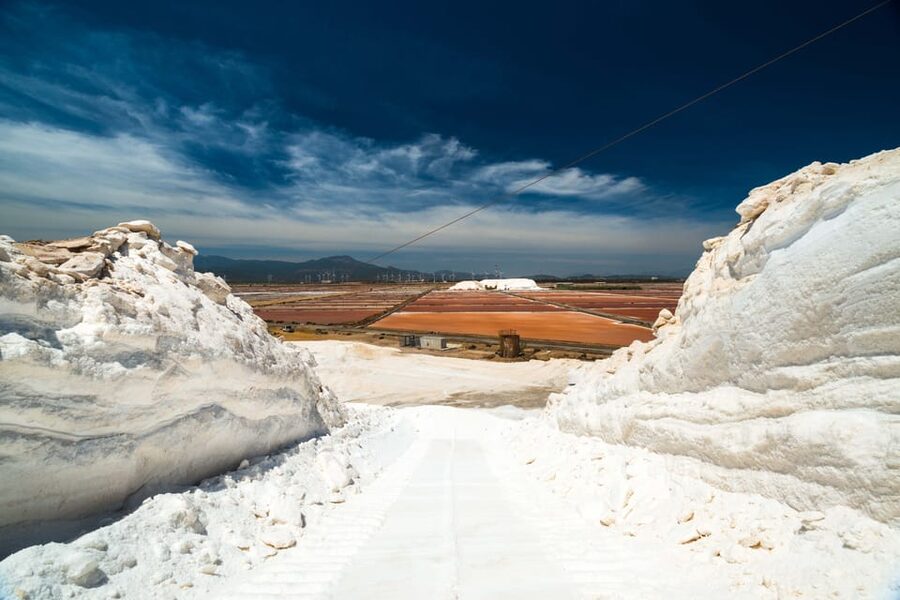
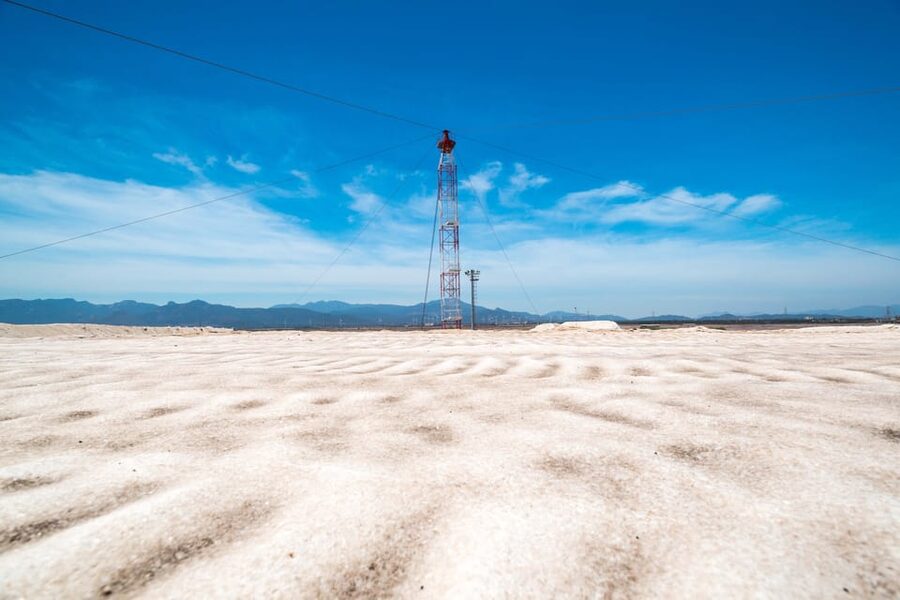
I like this visit because it does not separate nature from work. The same shallow water that attracts flamingos also supports salt production. The white salt piles look almost snowy under the Sardinian sun, while the wetland provides a calm setting for birds.
The site also explains the role of Luigi Conti Vecchi, the engineer associated with the development of the saltworks. His work connected engineering, employment, and regional growth. You get a clearer sense of how one industrial project could affect daily life in Cagliari and beyond.
This is not a polished theme-park attraction. It is an industrial archaeology site with a working salt plant beside museum rooms and restored historic buildings. That mix is exactly what gives the visit its character.
More Train Journeys around Italy:
- From Milan: Lake Como Cruise, St. Moritz & Bernina Red Train
★ 4.6 · 5,648 reviews - From Milan: Bernina Train and St. Moritz Day Trip
★ 4.5 · 4,495 reviews - Bernina Red Train, Swiss Alps & St Moritz From Milan
★ 5.0 · 2,954 reviews
Starting at the old saltworks buildings
You enter through the main area near the bookshop. After leaving your car in the free parking area, you walk into the saltworks complex and begin with the museum and historic buildings.
The first part is largely a walking visit. You see documents, tools, and objects connected with salt production. A vintage workshop and restored chemical laboratory help explain the practical side of the operation. Instead of hearing only about business figures and production figures, you get a sense of the work itself.
Two short films add useful context. One film covers the history of Sardinia and Cagliari, while the other focuses more closely on the saltworks. The English subtitles are especially helpful if you do not speak Italian.
I would pay close attention here. The train ride is the visual highlight, but the buildings explain what you are looking at once you reach the salt pans. Without this introduction, the white piles and shallow pools could seem attractive but confusing.
The building is wheelchair accessible on the first floor. That makes the museum portion manageable for many visitors, though the details of access beyond the stated areas are not provided.
The one-hour train ride into Santa Gilla Basin
The small train carries you into the Santa Gilla Basin, Sardinia’s most important wetland. This is the heart of the visit, and it lasts about one hour.
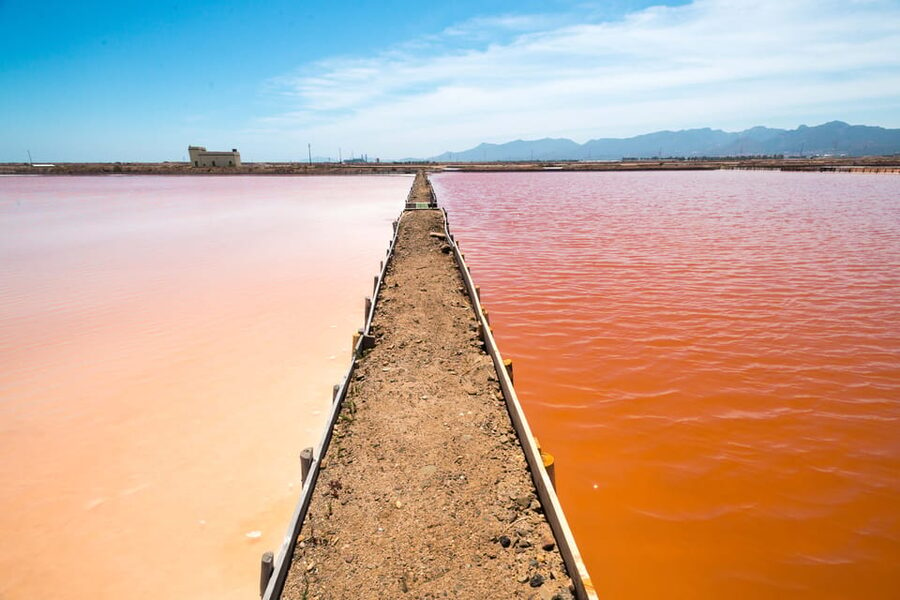
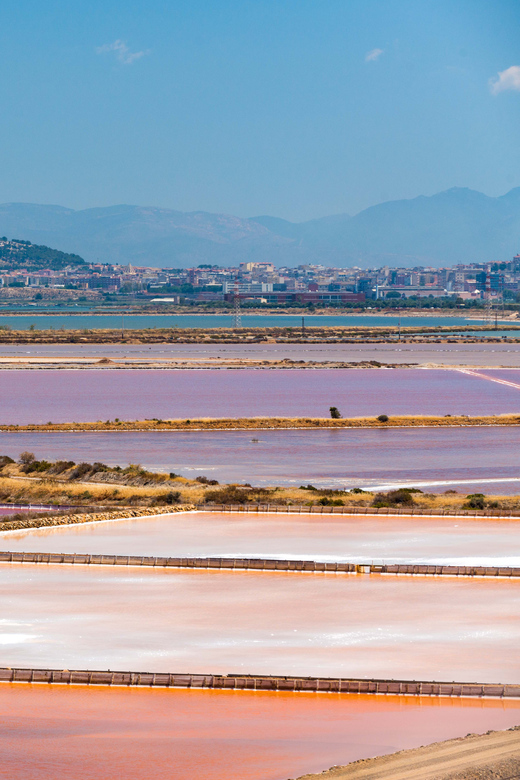
From the train, you see the salt pans and the various stages of the salt operation. The route also passes through the natural area, so the ride combines factory views with open wetland scenery.
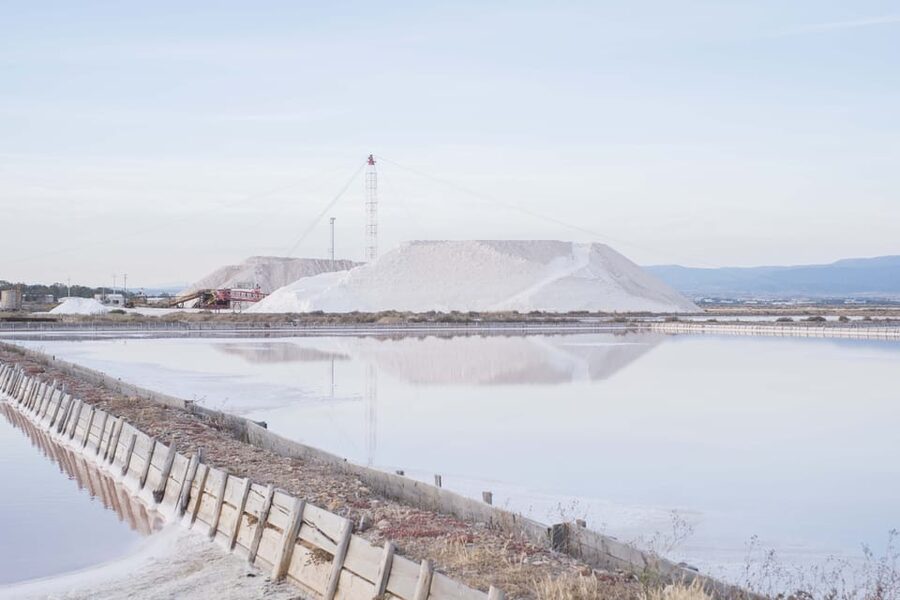
The strongest visual moment comes when you spot flamingos against the white salt mountains. Depending on conditions, you may also see other bird species. Bring a camera, but keep your expectations sensible. Birds are wild, and the train follows a set route rather than stopping whenever you want.
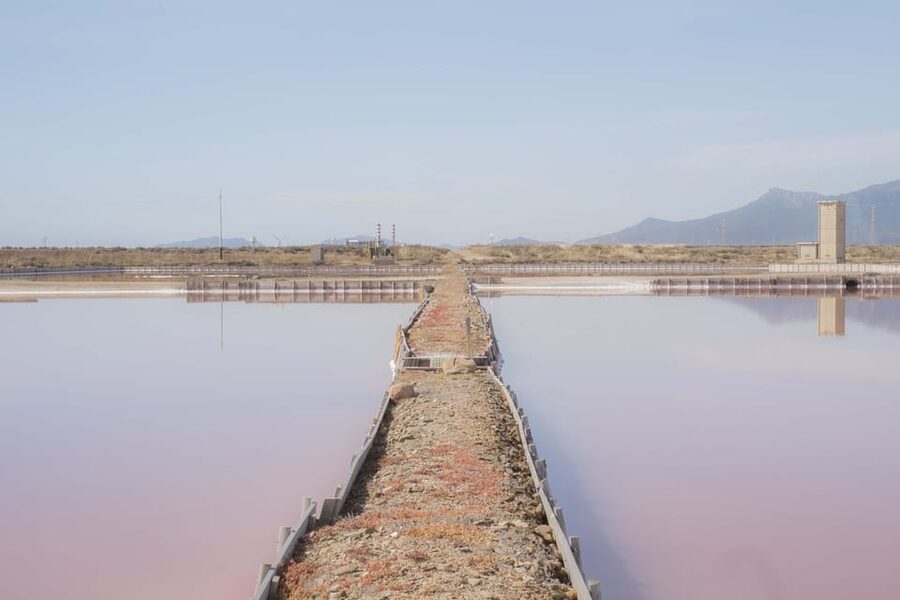
The salt water can appear pink, creating a striking contrast with the white salt and the birds. The effect is most memorable when you understand that the color and the salt piles are part of a real production system, not a display made for photographs.
One limitation is that you remain on the train during the ride. Some people would prefer a chance to get out and stand beside the pans, feel the salt air, and spend longer watching birds. The stated program includes a one-hour train ride inside the salt flats and natural area, but it does not promise a separate walking stop in the wetland.
That matters if your main goal is bird photography. For a broad introduction, the train works well. For quiet wildlife watching, it may feel too structured.
Macchiareddu and the human side of salt production
The train journey also introduces Macchiareddu, a historic village linked to the saltworks. This part helps turn an industrial process into a human story.
You learn about salt workers, their routines, and the way the success of the salt industry supported the local economy. The old buildings give that account a physical setting. You are not only hearing about workers in the past, you are seeing the spaces and equipment connected with their jobs.
I find this especially useful for anyone interested in social history. The visit shows how an industry can shape a village, create work, and alter the fortunes of a region. It also gives children a concrete example of how everyday products can involve large systems of labor, machinery, and transport.
The tour does not appear to offer a long, detailed walk through the village. Macchiareddu is part of the wider story and train route rather than a separate village excursion. You should book this for a compact introduction, not a full day studying every corner of the settlement.
Same tracks, a different carriage:
- Swiss Alps Bernina Red Train and St.Moritz Tour from Milan
★ 4.5 · 2,369 reviews - Rome to Pompeii Guided Tour with Wine & Lunch by High Speed Train
★ 5.0 · 1,379 reviews - Small-Group Lake Como & Lugano by Swiss Train + Boat Cruise
★ 5.0 · 1,084 reviews - Naples: Panoramic Walking Tour with Funicular
★ 4.8 · 828 reviews
How good is the guiding?
The live tour is in Italian. If you understand Italian, you should receive the fullest explanation during the train ride and at the buildings.
If you do not speak Italian, the experience still works, but you need to plan around the language issue. The English-subtitled films provide solid background before the train leaves. The visual scenes are also easy to understand: salt pans, machinery, white piles, wetlands, and birds need little translation.
English commentary may be available in some form, but it can be shorter than the Italian explanation. The train itself is noisy and moves over uneven ground, so the loudspeaker may be difficult to hear, especially from the second carriage.
I would watch both films carefully and stay near the guide when possible. If Elena is leading the visit, you can expect an enthusiastic presentation in the museum portion. Still, the language and sound limits mean this is not the best choice if you need a fully detailed English lecture at every stage.
The quality of the building tour can feel stronger than the train commentary because you have more time to look at documents and objects. The films also give you information in a form that is easier to follow.
The value of a $14 outing
At $14 per person, this is one of the more affordable organized experiences around Cagliari. Your price includes entry to the saltworks, the old buildings, two films, a guide, and the one-hour train ride.
That is good value even if you only care about the scenery. The train takes you into an area that would not be easy to understand from the road, and the salt operation gives the outing a clear purpose.
The value is even better for visitors who like museums, engineering, or local history. You get a working site, historic objects, wildlife, and a short scenic ride in one package. It is also a useful choice when you want a break from churches and city streets.
The price does not include hotel pickup or drop-off. You need to arrange your own transport to the industrial area of Assemini and Macchiareddu. If you have a rental car, the free parking keeps the visit simple. After parking, walk to the bookshop at the main entrance.
Because the full visit takes only two hours, you can pair it with another Cagliari-area activity on the same day. Check the departure time when booking, since starting times vary.
Who will enjoy the saltworks most?
I recommend this outing to people who like places with a working purpose. You are not visiting a replica or a purely scenic viewpoint. Salt is still produced here, and the industrial setting remains central to the experience.
It suits families because the train adds movement and the flamingos provide an immediate visual reward. Children may not follow every detail about engineering, but the salt mountains, birds, old tools, and train make the subject easier to grasp.
It also suits adults interested in Sardinian history, environmental settings, and industrial design. The visit connects the economy of Cagliari with the wetland around it, which gives you a wider view of the area.
Bird watchers should come with modest expectations. You may see flamingos and several other birds, but the timetable and train route limit how long you can watch. If bird photography is your main reason for going, you might wish for more time outside the carriage.
Visitors using wheelchairs should find useful access here. The train is wheelchair accessible, and the first floor of the old building is accessible. The available information does not describe every path or surface, so you may want to confirm specific needs before booking.
What to know before you go
The saltworks sit inside an industrial area, not in central Cagliari. Set your navigation carefully and allow time to find the entrance. Once you reach the free parking area, leave your car there and walk to the bookshop.
Wear practical shoes for the walking portion. You will be visiting old buildings and moving around an industrial site, so comfort matters more than dressing up.
Bring sun protection during bright weather. The white salt can make the area feel especially exposed, and much of the appeal comes from looking across open pans and large piles.
Keep your camera ready for the flamingos, but do not expect guaranteed close views. The birds are in their natural setting, and the train may not pause exactly where you want it to.
Weather can affect the outing. A thunderstorm once forced a train to turn back early, with the guide closing the plastic windows to keep everyone dry. That is a sensible safety response, but it can reduce the wildlife portion of the ride.
You can cancel up to 24 hours before the scheduled start for a full refund. The reserve-now, pay-later option also helps if your Cagliari plans are still shifting.
My verdict on the Conti Vecchi Saltworks
I would book this if you want an affordable, unusual half-day activity that combines flamingos with the working story of Sardinian salt. The museum rooms, historic tools, films, and train ride create a fuller experience than the low price suggests.
I would think twice only if you need a fully English-language tour or want to leave the train for extended bird watching. The Italian guiding and uneven train audio can limit the detail you receive, even though the English-subtitled films help.
For most visitors with a car, the Conti Vecchi Saltworks is an easy way to see another side of Cagliari. You get salt, machinery, wetland birds, and local history in two focused hours, with the flamingos providing the memorable final touch.
FAQ
Where is the Conti Vecchi Saltworks?
The saltworks are in the industrial area of Cagliari called Assemini and Macchiareddu, outside the central city area.
Is parking available?
Yes. You can park free inside the industrial area, then walk to the bookshop at the main entrance.
How long does the experience last?
The visit lasts about two hours. The train ride inside the salt flats and natural area lasts about one hour.
Is the train ride included?
Yes. The entry ticket includes the one-hour train ride through the salt flats and natural area.
Is the tour available in English?
The live tour guide speaks Italian. The experience includes two films, and English subtitles are available for the documentary material.
Can I see flamingos?
You may see pink flamingos in their natural habitat in the Santa Gilla Basin. The birds are wild, so sightings and viewing distance can vary.
Is the experience wheelchair accessible?
The train is wheelchair accessible. The old building is wheelchair accessible on the first floor.
Does the price include hotel pickup?
No. Hotel pickup and drop-off are not included. You need to make your own way to the saltworks.
Can I cancel for a refund?
Yes. You can cancel up to 24 hours in advance for a full refund.
Can I reserve now and pay later?
Yes. The reserve-now, pay-later option lets you book your place without paying immediately.
New on the timetable around Italy
- Venice Tour by High-Speed train from Florence★ 5.0 · 6 reviews
- Private Full Day Tour from Milan to Venice with local tour guide and fast train★ 4.5 · 3 reviews
- Verona Private City Tour including Arena and Funicular for Kids and Families★ 5.0 · 6 reviews
- Venice Beginner’s Kayak Tour: train & visit the Medieval Arsenal★ 5.0 · 5 reviews
- Etna Wine Tasting and Train Tour★ 4.0 · 8 reviews
- Florence from Rome by High Speed Train at your pace★ 4.5 · 11 reviews
- Venice Day Trip from Rome: Private Tour by High Speed Train★ 4.0 · 58 reviews
- Private Tour of Rome from Florence in fast train★ 5.0 · 2 reviews
Other Italy Train Journeys worth a seat
Lake Como Cruise, St. Moritz & Bernina Red Train
Read our review →
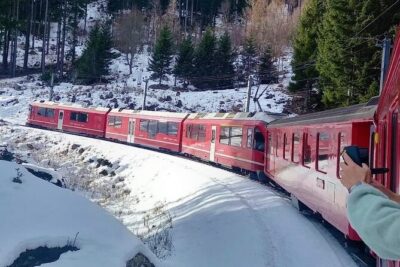
Bernina Red Train, Swiss Alps & St Moritz From Milan
Read our review →
Rome to Pompeii Guided Tour with Wine & Lunch by High Speed Train
Read our review →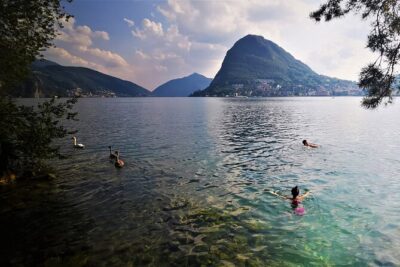
Small-Group Lake Como & Lugano by Swiss Train + Boat Cruise
Read our review →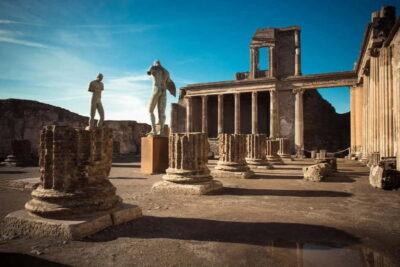
Guided tour of Pompeii skip-the-line and round-trip train
Read our review →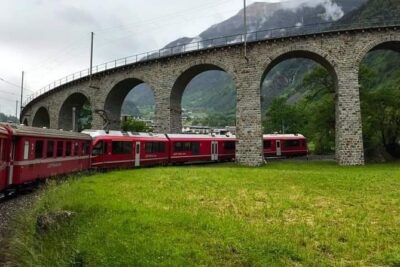
Intimate Small-Group Bernina UNESCO Scenic Train on Swiss Alps
Read our review →
Venice Day Trip from Rome by High-Speed Train with Happy Hour
Read our review →Lists this ride appears on