

Review · PORTUGAL
Tavira: Tourist Train City Highlights Tour
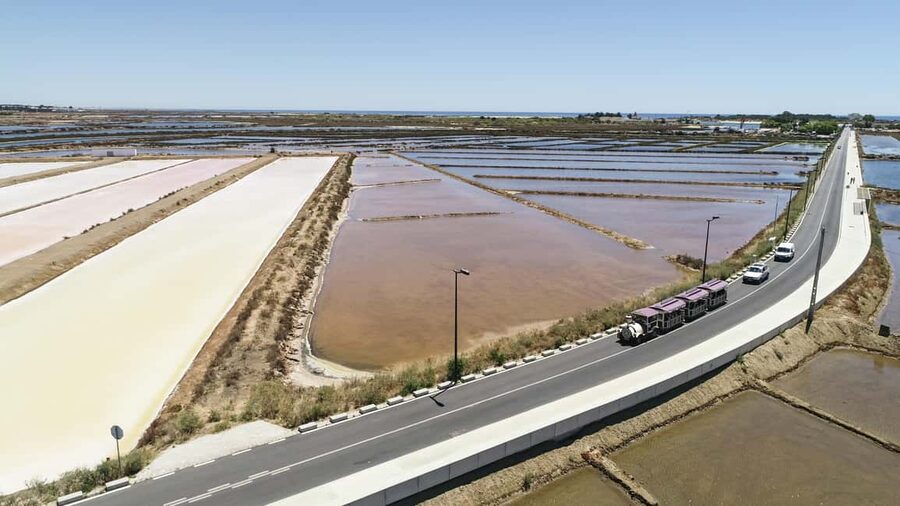
Tavira’s tourist train does something useful in a short time: it carries you from the old city to the Tavira Salines, where shallow salt ponds attract gulls, waders, and other water birds. I like that wider route, since the salt pans are not the first place you might reach while walking around the center. I also like the quick look at Tavira Castle and the city’s many churches.
The main catch is the ride itself. The train is an older, open-style tourist vehicle, and several passengers found it very loud and bumpy, with commentary that was hard to hear. At $8, it can still be good value, but you should book it for the route and views, not for a polished sightseeing presentation.
Key points to know before you board
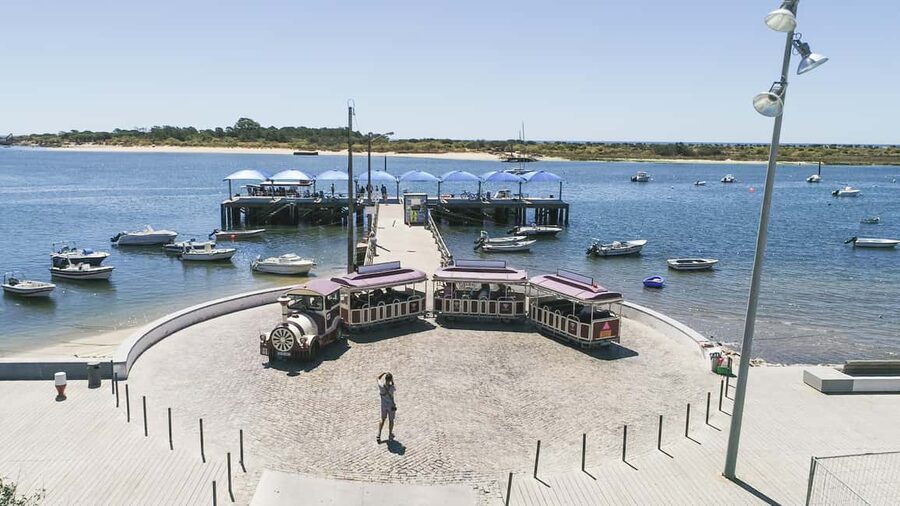
- The route reaches Tavira Salines: Look for gulls, waders, and other native water birds around the salt evaporation ponds.
- The castle is seen as ruins: Tavira Castle once helped guard the fishing town from pirate raids, but only parts of the fortress remain.
- The old city comes first: You pass monuments, churches, and historic streets without committing to a long walking circuit.
- The commentary comes in five languages: English, French, Portuguese, Spanish, and German are available.
- The ride is inexpensive but rough: At $8 for 45 minutes, the value is strongest if you want broad orientation and a trip beyond the center.
- Meet near the Roman Bridge: Arrive with enough time to find the train and confirm the departure details.
Why the salt pans make this route worthwhile

Many short city train rides simply circle the central streets. This one has a better reason to exist: it reaches the Tavira Salines. These shallow evaporation ponds are used to produce salt, and their open water attracts birds that you may not notice in the old city.
I like this part because it changes the pace of the tour. You begin among Tavira’s buildings and monuments, then move toward a more open setting with water, salt ponds, and birdlife. You might see seagulls and waders standing around the shallow pools. The tour does not promise a dedicated bird-watching stop, so bring modest expectations. Still, the route gives you a useful look at a side of Tavira you might otherwise skip.
This is also where the train earns much of its $8 price. You could explore the center on foot, but reaching the salt pans takes more time and planning. The train lets you see them within the same short outing. If your time in Tavira is tight, that combination is practical.
The drawback is that you may not get a long, quiet look at the birds or ponds. The train keeps moving, and the commentary may be difficult to follow over the vehicle’s noise. Think of the salines as a scenic part of a city overview, not as a stand-alone nature excursion.
More Little Tourist Trains around the world:
- From Málaga: Ronda+Setenil de las Bodegas with Little Train
★ 4.6 · 4,115 reviews - Key West Conch Tour Train
★ 4.5 · 792 reviews - Toulon: Little Train City Tour
★ 4.4 · 180 reviews
Starting near the Roman Bridge
The meeting point is near Tavira’s Roman Bridge, a handy place in the old city. The bridge is one of the easiest landmarks in the center, so you have a clear reference point when finding the departure area.
This is not described as a walking tour with a guide leading you through the streets. You board the tourist train, take a seat, and listen to recorded commentary during the ride. The train is designed for a quick city circuit, so you should not expect to leave the vehicle at each sight.
If you book online, give yourself time to sort out the departure details. One passenger who arrived just as the train was leaving was told that an immediate ride required cash, despite online booking being available. Booking ahead may help secure your place, but carrying cash is still a sensible precaution for this particular attraction.
Departure times vary, so check availability for the day you want. The advertised duration is 45 minutes. One recent ride felt closer to an hour to a passenger, so allow a little extra time if you are connecting this with a meal, bus, or another timed activity.
Seeing Tavira’s old city from the train
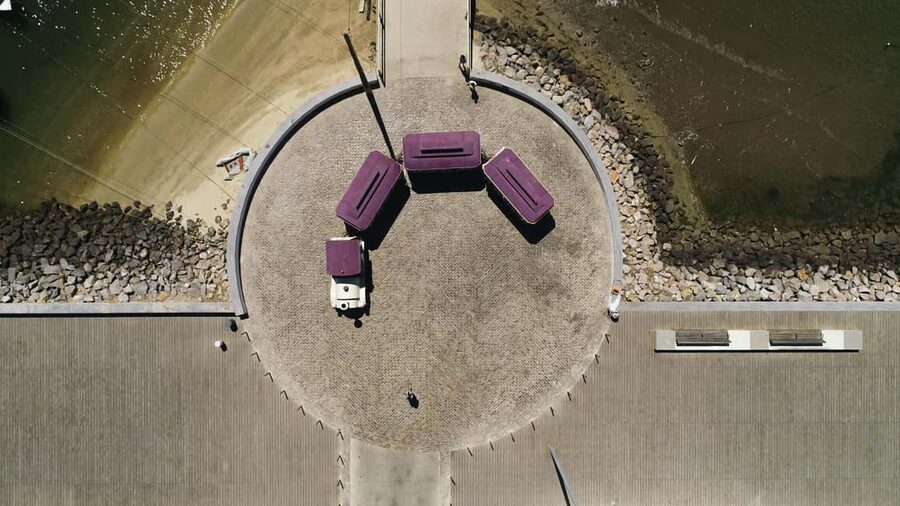
The first part of the route introduces you to Tavira’s old city. You pass historic buildings, monuments, and several churches while seated above street level. That gives you a useful first look at the city’s shape and helps you decide where to return on foot.
I find this format most helpful at the start of a Tavira visit. You get a broad picture before spending time inside individual churches or walking down smaller streets. The train also saves your legs if you want an overview without beginning with a long uphill or cobbled walk.
There is a price for that convenience. From a moving train, you cannot study a doorway, pause for a photograph, or enter a monument. Some views will pass quickly, and street noise can compete with the audio. You are seeing the city, not touring its interiors.
The old city section works best as orientation. Pay attention to the places that catch your eye, then return later on foot. That two-part approach gives you more than trying to treat this short ride as a complete history tour.
Tavira Castle and the story of a defended town
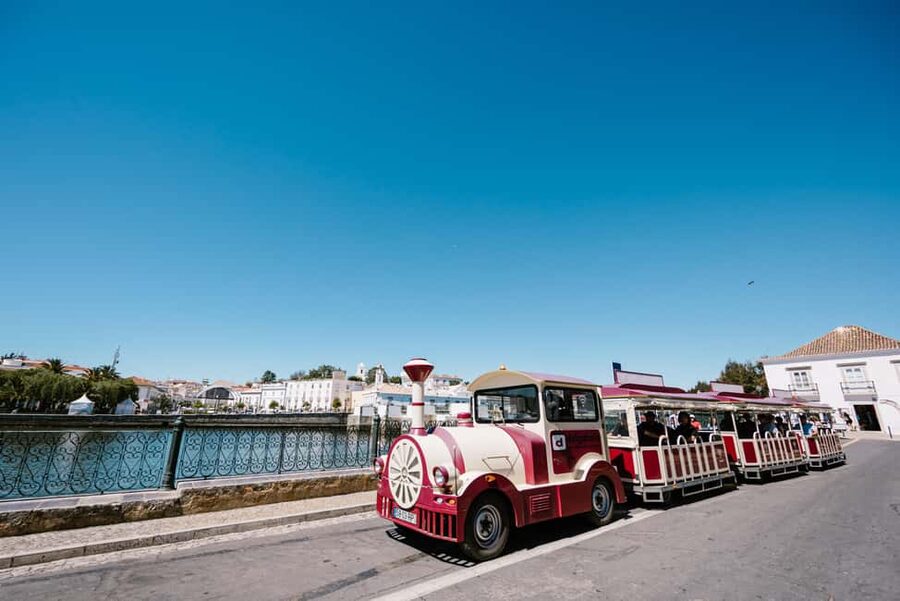
The train passes the ruins of Tavira Castle, one of the route’s main historical sights. The fortress once helped protect this fishing town from pirate raids. Today, the remains offer a quick reminder that Tavira was not only a pretty riverside city but also a place that needed defenses.
The castle is viewed from the outside as part of the moving route. You will not receive a long archaeological visit or a separate castle entrance within this activity. The onboard commentary supplies historical context, but the quality of that information depends on how well you can hear it.
That matters here because the castle is easier to appreciate when you understand its purpose. Without commentary, you see old stone walls and ruins. With clear commentary, you can connect them to Tavira’s role as a defended fishing town.
Several passengers found the recorded sound too weak or poorly matched to the sights. The train itself can rattle over cobbled streets, and the engine and street noise may cover the speaker. If castle history is your main reason for booking, you will likely want to visit the ruins separately and read the information available there. The train gives you a preview, not a full castle visit.
More Train Journeys around the world:
- Mt Fuji & Hakone Cruise, Drum Show Bullet Train 1 Day from Tokyo
★ 4.0 · 7,413 reviews - Montserrat & Cogwheel Train, Gourmet Wine Tasting & Tapas/Lunch
★ 5.0 · 6,290 reviews - From Milan: Lake Como Cruise, St. Moritz & Bernina Red Train
★ 4.6 · 5,648 reviews - Tokyo Mt Fuji 5th St & Hakone Cruise Bus Tour w/Bullet Train
★ 4.4 · 5,024 reviews
Five language options, with a real sound problem
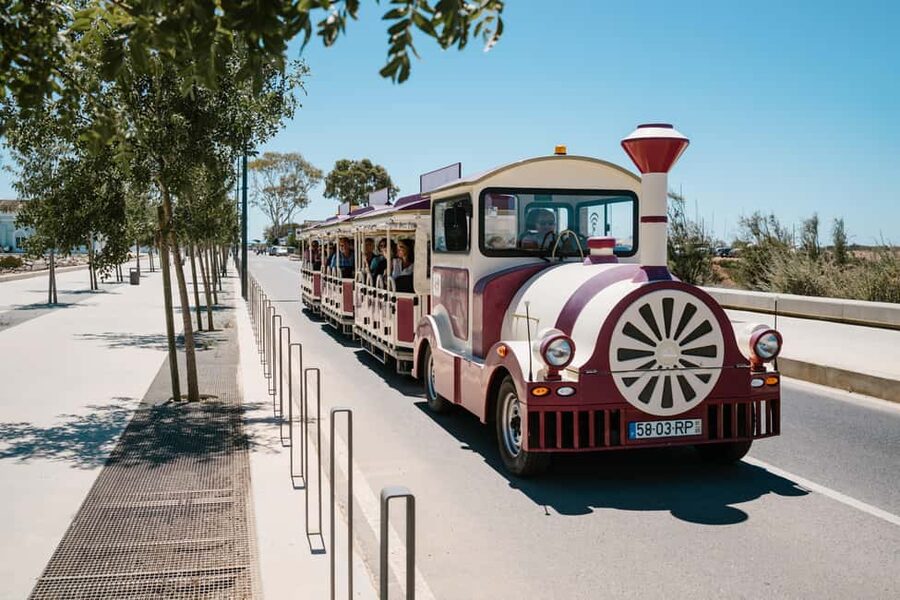
Recorded commentary is included in English, French, Portuguese, Spanish, and German. That language choice is useful for international visitors, and it means you can follow the city’s story in a familiar language instead of relying only on what you see.
The weakness is volume and clarity. The train has been described as loud, rickety, and uncomfortable on cobbled roads. Some passengers could hear little or none of the recording, while another found that the commentary did not always seem to match the view outside.
I would treat the audio as a bonus rather than the main product. Sit where you have the best chance of hearing the speaker, and keep your expectations modest. If learning detailed history is important to you, use the ride to identify sights, then explore them with another source at your own pace.
This is not a criticism of having commentary. The idea is sound. The problem is that recorded information only helps when the vehicle is quiet enough for you to follow it. Here, the route is more dependable than the narration.
The ride itself: useful, noisy, and rough

The train’s main advantage is its convenience. You can cover the old center, castle area, and salt pans without arranging separate transport. For $8, that is a fair trade if you value a quick look at several parts of Tavira.
Comfort is less certain. The vehicle can shake hard over cobbles, and the noise may become tiring during the 45-minute trip. One passenger felt ready to get off after roughly an hour. That does not make the tour unusable, but it does change who will enjoy it.
I would recommend it more readily to someone who wants a broad city introduction than to someone seeking a calm, refined ride. It can also suit you if walking far is difficult, provided you are not using an electric wheelchair, which is not permitted. The train is not suitable for bikes, and food, drinks, alcohol, and drugs are not allowed onboard. Bare feet are also not permitted.
The vehicle’s limitations are worth knowing before you pay. You are not buying a luxury carriage or a quiet audio tour. You are buying a simple sightseeing circuit with a route that reaches useful places.
How the $8 price holds up
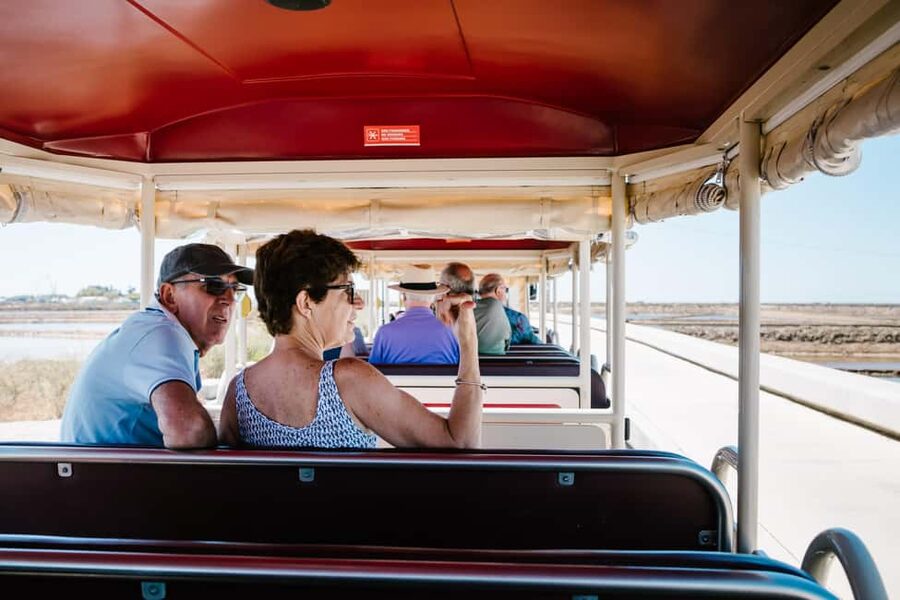
At $8 per person, the tour is among the lower-cost ways to get a quick view of Tavira. The price is strongest when you use it as a time-saving circuit. You see the old city, castle ruins, and salt pans in one ride, then choose which places deserve a closer visit.
The value drops if you already know Tavira well or plan to walk to the salines yourself. In that case, the city train may feel basic, especially if the commentary is hard to hear. You could spend the same time walking at your own pace and stop whenever a church, street, or view interests you.
For a first visit, I think the cost is reasonable because of the route. The salt pans are the key point. A standard central loop would be less useful, but this one includes a change from urban sights to open salt ponds and birdlife.
Free cancellation is available up to 24 hours before departure, and you can reserve now and pay later. Those terms make it easier to fit the ride into a changing Algarve schedule. Still, check the available departure time and keep cash with you, since payment arrangements at the train may not be as simple as the online booking process suggests.
Who should book this Tavira tour?
I would choose this ride if you have limited time and want to see more than the central streets. It is also a sensible first activity if you want to get your bearings before exploring Tavira on foot.
You are likely to get the most from it if you:
- Want a short overview rather than a detailed guided visit
- Like seeing historic sights and natural areas in one circuit
- Are interested in the salt pans and birdlife
- Prefer not to walk all the way to every part of the route
- Can tolerate a noisy, bumpy vehicle
- Understand that the audio may not always be clear
I would skip it if you need a quiet ride, clear historical narration, or a comfortable vehicle. It is also a poor match if your main goal is to spend time inside Tavira Castle or its churches, since the train does not replace those visits.
Practical tips for a better ride
Arrive near the Roman Bridge before the scheduled departure rather than rushing in at the last moment. This gives you time to locate the train and avoid confusion about cash payment or boarding.
Bring cash even if you reserve online. The online booking option lets you hold your plans without paying right away, but the payment process at the train may differ from what you expect.
Keep the ride’s purpose clear in your mind. Use the old city and castle portion to spot places you may want to revisit. Use the salt pans portion for the wider views and birds. Do not count on hearing every word of the recording.
If you are sensitive to noise or motion, this may not be the right sightseeing choice. The cobbled streets can make the train shake, and the vehicle’s sound may compete with the commentary. Those are not small details on a 45-minute ride.
Should you book the Tavira tourist train?
Book it if you want an inexpensive, efficient first look at Tavira and especially if the route to the salt pans interests you. The salines and birdlife give this ride more purpose than a simple old-town loop, and the $8 fare is fair for that wider circuit.
Skip it if comfort and clear narration matter more than coverage. The train can be loud and rough, and the recorded commentary may be difficult to follow. For many people, the best plan is to use this as a quick orientation, then return to Tavira’s castle, churches, and old streets on foot.
FAQ
How long is the Tavira tourist train tour?
The advertised duration is 45 minutes. Allow a little extra time around the scheduled departure in case boarding or the ride takes longer than expected.
Where does the tour meet?
The meeting point is near the Roman Bridge in Tavira.
Which languages are available for the commentary?
Commentary is available in English, French, Portuguese, Spanish, and German.
Does the train visit Tavira Salines?
Yes. The route passes the Tavira Salines, where you can look for seagulls, waders, and other water birds around the shallow salt ponds.
Can I cancel my booking?
Yes. You can cancel up to 24 hours in advance for a full refund.
What is not allowed on the train?
Food, drinks, alcohol, drugs, bikes, electric wheelchairs, and bare feet are not allowed in the vehicle.
New on the timetable around the world
- Zermatt Village & Gornergrat Railway Tour | From Bern★ 5.0 · 2 reviews
- York Day Rail Tour from London including Hop-on Hop-off tour★ 5.0 · 3 reviews
- Zagreb: Plitvice With Secured Tickets, Boat And Train Ride★ 4.6 · 15 reviews
- With the steam train through Transylvania- 8 Day★ 5.0 · 2 reviews
- Winter Tour Viking Village, Nærøyfjord Cruise & Flåm Railway★ 4.6 · 26 reviews
- Virginia City Day Tour From Lake Tahoe with Train Ride★ 4.8 · 19 reviews
- USHUAIA | Tierra del Fuego National Park & Optional Train★ 4.6 · 11 reviews
- Ventura: Rail Bike Guided Tour with Farm Stand Stop★ 4.1 · 18 reviews
Other Tourist and Miniature Trains worth a seat
Ronda+Setenil de las Bodegas with Little Train
Read our review →


2-Way Little Train of Antibes Tour to Juan-les-Pins
Read our review →
Aix-en-Provence by Electric Tourist Train – City Center Circuit
Read our review →Lists this ride appears on