
Review · HANOI
Trekking Sapa – Bac Ha Market: Sleep on Train & Homestay
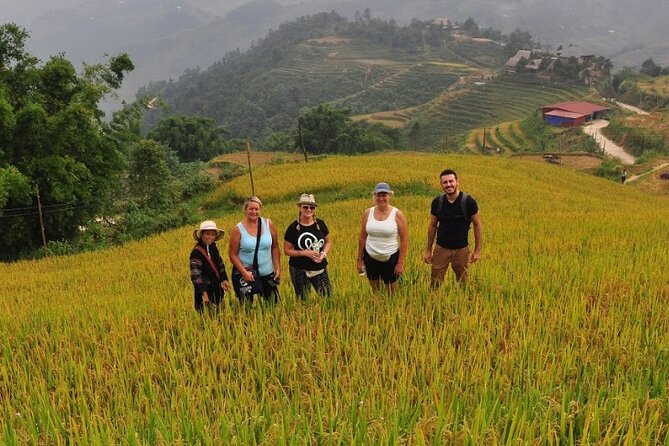
The most unusual part of this trip is the contrast: you leave Hanoi by night train, wake near the Chinese border, trek through H’Mong and Zay villages, sleep on a floor mattress in Ta Van, then spend your final morning at Bac Ha’s Sunday market. This is not a polished resort tour. It is a busy, physical trip with a real sense of place.
I like the Ta Van homestay, where you share a room and public bathroom with a local host, and the chance to see several ethnic communities in just three days. I also like the flexible transport choices, including night train and sleeper-bus options, plus the possibility of continuing from Sapa to Ha Giang instead of returning to Hanoi.
The tradeoff is the schedule. The train reaches Lao Cai at about 5 a.m., and the walking begins soon after breakfast. Bring water, pack a small bag, and expect mud, hills, early starts, and basic sleeping arrangements. A moderate level of fitness is needed.
Key points to know before booking
- Night train from Hanoi: You meet at Hanoi Railway Station for a train listed as departing at 9:30 p.m., then transfer from Lao Cai to Sapa by road.
- Three distinct village walks: Cat Cat, Lao Chai, Ta Van, and Giang Ta Chai each offer different views and ethnic communities.
- Ta Van homestay included: Expect a shared room or single mattress and a public bathroom, not hotel-style comfort.
- Sunday-only Bac Ha Market: The market is the reason to choose the right departure date. On another day, this part will not work as described.
- Guide-led cultural context: An English-speaking local guide explains village life and ethnic traditions. Sua is one guide associated with the route, though guide assignments can change.
- Good transport value at $56: Meals, entrance fees, guide service, homestay, and selected transfers are included, but package options should be checked carefully before payment.
Why this Sapa and Bac Ha trip is different
Many northern Vietnam trips make Sapa the entire event. This one uses Sapa as the starting point for a wider journey. You see the famous Muong Hoa area, spend the night in Ta Van, and then head toward Bac Ha for a market that feels less tied to the usual Sapa circuit.
The route also gives you several ways to travel. The package information refers to an overnight train and, in some options, a limousine sleeper bus. The exact transport depends on the option you select, so read that part carefully. At the low advertised price of $56 per person, the value can be excellent, but you should confirm whether your chosen package includes the train, sleeper bus, or a different transfer.
The group is limited to a maximum of 15 people. That is small enough for a guide to keep an eye on the walking group, though the trails and transport legs still involve moving as part of a shared tour.
You are not simply driven to viewpoints and asked to take photographs. The central activity is walking between villages. That means the trip rewards curiosity and reasonable stamina more than a desire for a soft, slow holiday.
More Hikes Reached by Train around Hanoi:
- Sapa: 3-Day, 3-Night Trek and Hotel with Overnight Train
★ 4.2 · 64 reviews - Sa Pa Trekking 2 Days 3 Nights Homestay by Night Train
★ 4.5 · 11 reviews - Sapa Trekking Tour by Night Train from Hanoi 3 Nights – 2 days
★ 5.0 · 7 reviews
Night train from Hanoi to Lao Cai
Your first meeting point is Hanoi Railway Station at 120 Le Duan. The listed trains, SP1, SP2, and SP3, depart at about 9:30 p.m. You then arrive at Lao Cai around 5 a.m., where a driver takes you approximately 40 kilometers to Sapa.
The train saves a hotel night and gets you north without using up a full daytime sightseeing period. It also creates the slightly strange rhythm that defines this tour: board in the city at night, wake in the mountains, and begin the day before most Hanoi visitors have finished breakfast.
You should keep your luggage practical. The tour asks you to prepare a light bag for the short trek, so avoid planning to carry a large suitcase along village trails. The included transfer arrangement takes care of the larger travel movement, but the walking portion is easier with only essentials.
The early arrival is both useful and tiring. You gain a full first day in Sapa, but the combination of overnight travel and a three-hour walk may catch up with you. If you sleep badly on trains, take that seriously before booking.
Cat Cat Village and the first walk
After reaching Sapa and having breakfast at the hotel, you prepare for the first trek with a local H’Mong guide. The Cat Cat section takes about three hours, with roughly one hour listed for the village visit itself.
Cat Cat is associated with the Black H’Mong people. The setting includes a waterfall, Muong Hoa Stream, rice terraces, schools, and a hydroelectric power plant dating from the French period. That mix is useful because it connects daily village life with the older infrastructure that shaped the area.
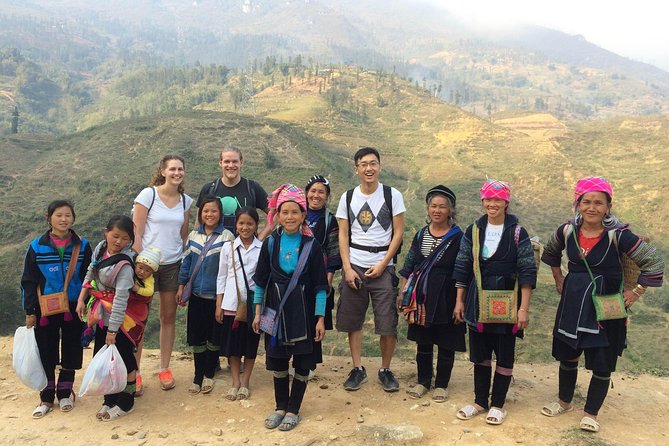
The route is not only about scenic stops. You walk through a lived-in community and get an introduction to the ethnic groups of the region. Your guide is important here. One reported guide, Sua, was specifically praised for explaining both cultural details and the places along the route. Guide assignments can change, but the tour does include an English-speaking local guide in Sapa.
Cat Cat is also where you learn what the walking feels like. Paths can be uneven and muddy, and the trip’s own advice is sensible: bring water and suitable sports or walking shoes. Do not pack as if you are taking a city stroll.
Lao Chai and the Muong Hoa route
The next major section is Lao Chai, home to Black H’Mong residents and set beside the Muong Hoa Valley and stream, below Fansipan. The trek here is listed at about three hours.
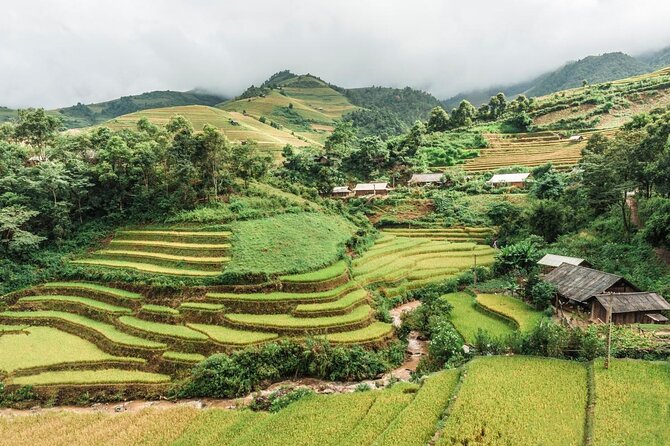
This is the part many people will remember most clearly. The route takes you along village paths with views of rice terraces and the valley. The walking connects the scenery to the communities that cultivate it, rather than treating the terraces as a distant picture stop.
The phrase most beautiful mud road in the world is promotional language, so I would not book on that promise alone. Still, mud is part of the appeal and the problem. Conditions make the walk feel rural, but they also mean that shoes can get dirty and footing may be awkward.
Your guide helps turn the walk into more than a transfer between viewpoints. You can ask about the Black H’Mong community, the valley, and the way the route links one village to another. The supplied tour details do not promise a formal cultural demonstration, so expect explanation and observation rather than a staged performance.
More Train Journeys around Hanoi:
- Hanoi Walking Street Food Tour with Train-Street Visit
★ 5.0 · 857 reviews - Hanoi Jeep Tour: Red River Countryside+ Backstreet+ Train-street
★ 5.0 · 338 reviews - From Hanoi: Sapa Hill Tribes 2-Day Tour by Overnight Train
★ 4.4 · 62 reviews - Private Overnight Train Hanoi To Sapa Or Return
★ 3.5 · 10 reviews
Ta Van homestay and an evening with a local host
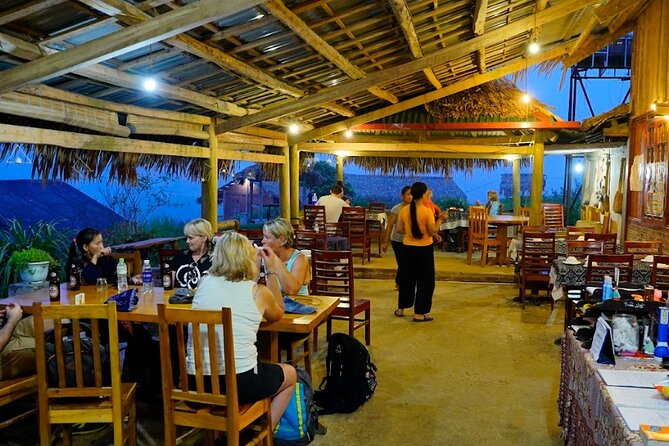
Ta Van is home to the Zay people and sits near the Muong Hoa Stream. You reach the village after the Lao Chai walk and spend the night at a homestay.
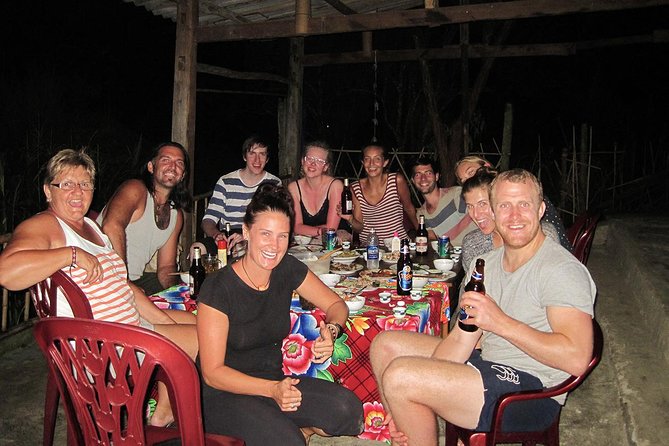
This is the heart of the trip for anyone who wants contact with local life rather than another hotel room. The accommodation is basic: a shared room or a single mattress, with a public bathroom. You should see that as part of the design, not as a mistake. The overnight stay gives the guide and host a chance to explain more about ethnic culture and village life in a setting connected to the community.
The tour includes dinner at the homestay. Three lunches and three breakfasts are also listed among the included meals, though the exact timing can depend on the transport option and route. Drinks are not included, so carry money for those and for other personal expenses.
The homestay may be the least comfortable night of the trip, but it is also the most distinctive. If you need a private bathroom, a guaranteed private room, or hotel-level bedding, this is a poor match. If you are comfortable with a shared room and a mattress on the floor, it adds an important human part to the journey.
Giang Ta Chai and a slower second day
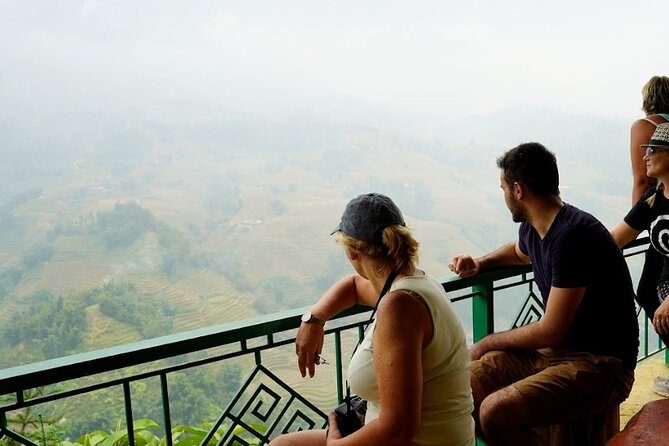
The following day takes you to Giang Ta Chai, listed as a two-hour stop. Black H’Mong, Red Dao, and Zay people live in this area, which includes bamboo forest, rice terraces, and views toward Muong Hoa Valley.
The route gives you another chance to see how different communities share the same mountain region. It also keeps the trip from becoming a single famous-village visit. You are not simply repeating Cat Cat with a different name.
After Giang Ta Chai, you return to Ta Van, with up to 10 hours allocated there. The schedule allows time with the homestay host and a less rushed look at the village. The information does not specify a fixed set of activities for those hours, so do not assume a cooking class, performance, or workshop unless your operator confirms it.
This second day is useful after the demanding first morning. You still walk, but the schedule gives more room to rest and understand where you are. It also makes the homestay feel like an actual stay rather than a place where you sleep for a few hours before leaving.
Bac Ha Market on Sunday morning

Bac Ha Market is the key timing issue. It takes place only on Sunday morning, and the tour allows about four hours there. If the market is central to your plans, confirm the departure date before booking.
Bac Ha is known for the old-fashioned rhythm of exchange still visible in the market. You may see local people trading pigs, hens, souvenirs, and other goods. It is a place for buying as well as observing, so it feels more connected to daily commerce than a market arranged only for sightseeing.
The market can be crowded and noisy, but this is one of the few points where that energy is part of the attraction. Keep your belongings close, agree on a meeting point, and give yourself time to browse without losing track of the group.
The four-hour visit is long enough to see more than the first row of stalls. It is also short enough that you will need to choose. You cannot examine every food, animal, craft, and household item at leisure. A guide can help you understand what you are seeing, especially if you want context about the ethnic communities represented there.
Hoang A Tuong’s Castle and Bac Ha town
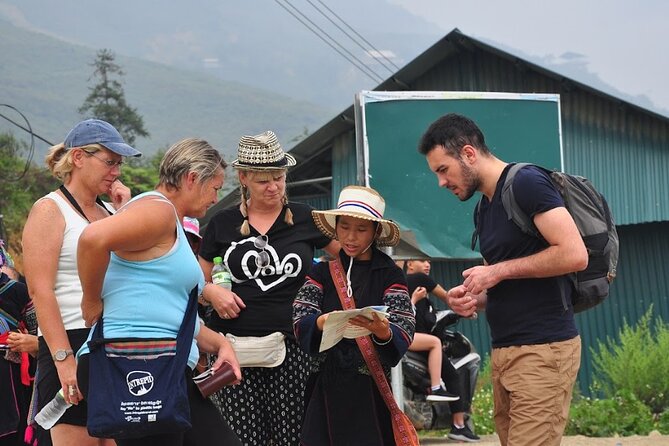
The Bac Ha visit includes a 30-minute stop at Hoang A Tuong’s Castle. The building is described as the former home of the H’Mong king and his family, who used it as a base to rule local ethnic communities.
Half an hour is enough for a compact visit, but not for a long historical study. The castle works well as a counterpoint to the market. First you see ordinary exchange and village commerce, then you visit a building linked to regional power and wealth.
You also have about 30 minutes in Pho Village, close to Bac Ha Market. The stop is a walk along a peaceful road where you can see daily life. It is brief, so treat it as a final glimpse rather than a full village exploration.
The day combines market, former residence, and village road in a sensible order. It is one reason this tour offers more variety than a simple Sapa overnight.
What the $56 price really covers
At $56 per person, the advertised price is low for a three-day route with overnight transport, a homestay, meals, guide service, private Bac Ha transport, and entrance fees. The included items listed are:
- Dinner
- Three lunches
- Three breakfasts
- Sapa guide service in English
- Ta Van homestay
- Private car and guide for Bac Ha
- Entrance fees in Ta Van and at Hoang A Tuong’s Palace
- Government tax
- Selected Hanoi to Sapa and return transport
- Overnight train, depending on the selected option
That is a strong package when the train and listed return transfer are part of your booking. But the transport wording matters. Some choices use a limousine sleeper bus, and the train is described as depending on the option. Check this before assuming the cheapest selection includes every transport feature.
Not included are drinks, travel insurance, tips, personal spending, and a holiday surcharge of 700,000 Vietnamese dong per person on the listed holiday dates. Those dates include April 30, May 1, September 1 through 3, December 31, and January 1.
The price is best for someone who values coverage and variety over comfort. You get many moving parts for little money, but the schedule is tight and the accommodation is simple.
The Ha Giang option from Sapa
One useful feature is the option to continue directly from Sapa to Ha Giang instead of returning to Hanoi. Two buses are listed, departing Sapa at 2:30 p.m. and 7 p.m.
The 2:30 p.m. service is an 18-seat limousine bus that leaves from May Hotel and takes about six hours to Ha Giang. This can save you a return journey to Hanoi if Ha Giang is your next destination.
This is an extra option, not something every booking automatically includes. If you choose it, confirm the bus, pickup point, departure time, and any additional cost with the tour consultant. The advertised tour ends back at the Hanoi meeting point unless you arrange the Ha Giang continuation.
Who should book this trip
I would choose this trip if you want several northern Vietnam experiences packed into a short period. It suits you if you enjoy village walking, are willing to sleep simply, and care more about cultural contact than polished accommodation.
It also suits a first visit to the Sapa area. You see Cat Cat, Lao Chai, Ta Van, and Giang Ta Chai, then add Bac Ha rather than spending the whole trip in one town. The English-speaking guide is especially useful if you want help understanding the different ethnic communities.
I would hesitate if you dislike overnight trains, cannot manage moderate walking, or need a private bathroom. The early start at Lao Cai, the three-hour first trek, muddy paths, shared homestay, and packed schedule are not minor details.
The strongest praise attached to this experience concerns the guide service and scenery. The practical advice is just as important: bring water and proper walking shoes. Those two items will affect your comfort more than almost anything else.
Should you book the Sapa to Bac Ha route?
Book it if you want a low-cost, active route with a night train, village trekking, a homestay, and a Sunday market. At $56, the included meals, guide, entrance fees, and transport can make this very good value, provided your chosen transport option matches your needs.
Skip it if you want a slow holiday or hotel comfort. Before paying, confirm that your dates include Sunday for Bac Ha Market, check whether your package uses the train or sleeper bus, and decide if you want the optional onward bus to Ha Giang. If those details suit you, this is a lively and practical way to see more of northern Vietnam in three days.
FAQ
Where does the tour start?
It starts at Hanoi Railway Station, at 120 Le Duan, Cua Nam, Dong Da, Hanoi.
How long does the tour last?
The trip lasts approximately three days.
Is the overnight train included?
The overnight Hanoi to Sapa train is included depending on the option selected. Some options use a limousine sleeper bus instead, so confirm the transport choice when booking.
Where do I sleep during the trek?
You sleep at a homestay in Ta Van. Accommodation is a shared room or a single mattress with access to a public bathroom.
Does the tour visit Bac Ha Market every day?
No. Bac Ha Market takes place on Sunday morning. Choose your departure date carefully if the market is important to you.
Are meals included?
Yes. Dinner, three lunches, and three breakfasts are listed as included. Drinks are not included.
Can I continue to Ha Giang after Sapa?
Yes, an extra option allows you to travel directly from Sapa to Ha Giang. Buses are listed at 2:30 p.m. and 7 p.m., with the earlier limousine bus taking about six hours.
New on the timetable around Hanoi
- Sapa Trekking Tour by Night Train from Hanoi 3 Nights – 2 days★ 5.0 · 7 reviews
- Hanoi city tour and drinking beside railway- group tour★ 4.0 · 7 reviews
- 3 Days Sapa Tour with Night Train from Hanoi★ 4.5 · 8 reviews
- Sapa 3 Days Trekking Tour ( Overnight Train + Homestay + Hotel )★ 5.0 · 4 reviews
- Sapa 2 Days 1 night By Bus/Train – Overnight in Hotel 3* With Mountain View★ 4.0 · 2 reviews
- Sapa – Bac Ha Trek Tour – Night Train & Bus & Homestay overnight★ 5.0 · 6 reviews
- Private Overnight Train Hanoi To Sapa Or Return★ 3.5 · 10 reviews
- Hanoi Old Quarter Food Tour with Train Stress Visit★ 5.0 · 2 reviews
Other Hanoi Train Journeys worth a seat

Hanoi Walking Street Food Tour with Train-Street Visit
Read our review →
Hanoi Jeep Tour: Red River Countryside+ Backstreet+ Train-street
Read our review →
3-Day, 3-Night Trek and Hotel with Overnight Train
Read our review →

Sa Pa Trekking 2 Days 3 Nights Homestay by Night Train
Read our review →
Hanoi Michelin Star Street Food Walking Tour & Train-Street
Read our review →
Lists this ride appears on