
Review · USA
Continental US Train Zephyr Adventure CA -CO – Il
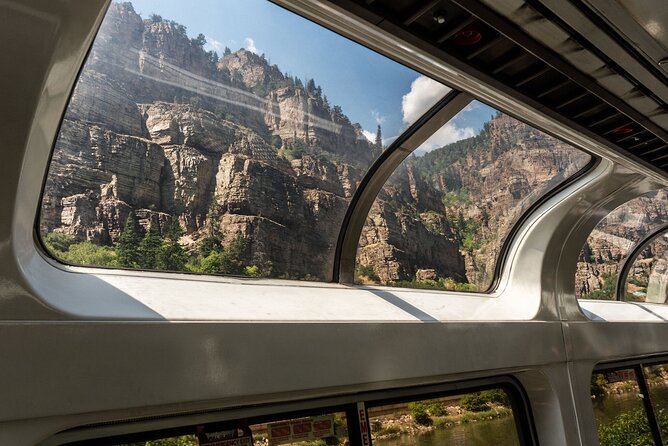
The best part of this journey is the view from the train window. The California Zephyr carries you from Emeryville to Chicago through the Sierra Nevada, Nevada’s open desert, Utah’s Salt Flats, the Rockies, the Great Plains, and the Midwest. It is a long-distance rail ride, not a guided sightseeing tour, so the train itself is the main attraction.
I like the changing scenery and the simple pace. You can watch California hills give way to desert, mountains, prairie, and small American towns without changing vehicles every few hours. I also like the generous coach-class legroom compared with an airplane. The main drawback is important: there is no real-person guide, and delays can disrupt tight plans at the end of the trip.
Key points before you book
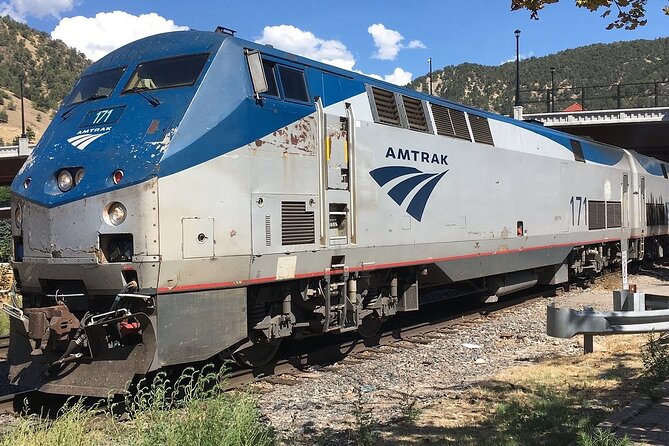
- Three days on Amtrak: The route covers California, Nevada, Utah, Colorado, Nebraska, Iowa, and Illinois.
- Self-guided format: An app provides a general guide and map, but you must manage your own route and time.
- Big scenery from your seat: Expect the Sierra Nevada, Black Rock Desert, Salt Flats, Rocky Mountains, and open prairie.
- Coach class is basic: Legroom is better than airline economy, but bathrooms are small and there is no shower.
- Bring your own food: Onboard meals can be expensive, and you should pack snacks, water, and simple food.
- Allow extra time: A reported seven-hour arrival delay shows why you should not schedule work or a flight too closely after arrival.
What this train journey really is
Think of this as a camping trip on wheels, with a seat instead of a tent. The ride takes about three days, and the train does the sightseeing for you. You are not being led from attraction to attraction by a guide. You are watching the country pass by, deciding when to eat, how to spend your quiet hours, and how to prepare for a long stretch in one seat.
The experience is offered in English, and an app supplies a general guide with a map. That can help you identify places along the route, but it is not the same as having a person explain the history, point out a view at the right moment, or solve problems in real time. If you want a structured tour with a guide, this is not the right match.
The activity is listed at $5 per person, which is remarkably low for a three-day rail journey. Treat that figure carefully. The supplied details do not explain what the price includes, so check the final booking terms and confirm that the actual Amtrak fare is covered. If the $5 is only a tour or booking fee, you may still need to pay for the rail ticket, food, and transportation to Emeryville.
More Train Journeys around the USA:
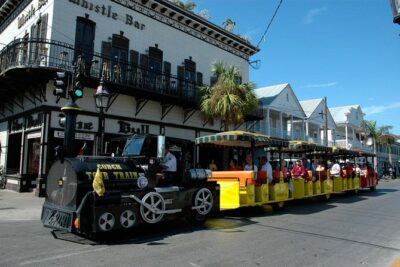
- Key West Conch Tour Train
★ 4.5 · 792 reviews - Skunk Train: Pudding Creek Express from Fort Bragg
★ 4.0 · 260 reviews - Skunk Train: Wolf Tree Turn from Willits
★ 4.5 · 258 reviews
Emeryville: the practical starting point
Your journey begins at Emeryville Amtrak Station, across the bay from San Francisco. The meeting point is listed as Emeryville, not downtown San Francisco or Oakland, so plan that first leg carefully. You may need Amtrak, Greyhound, a flight, or another form of transport to reach the station.
The scheduled stop description gives only about 10 minutes at Emeryville. That is not sightseeing time. It is a boarding point, and you should arrive early with your ticket, luggage, food, water, and entertainment ready. One set of instructions recommends being there at least an hour ahead, and that is sensible for a first-time rail departure.
Once aboard, the train begins its climb through Northern California. The early views include the San Francisco Bay area and the Golden Gate Bridge. This is one of the strongest reasons to choose the route: you get a broad view of the region before the train turns inland toward the mountains.
Sacramento and the climb toward Tahoe National Forest
Sacramento is the next named stop. The listed time is about 15 minutes, so again, this is not a walking visit to California’s capital. You may see the station area and get a brief sense of the city, but the main value is the route beyond it.
The train heads toward the Sierra Nevada. At Emigrant Gap Scenic Overlook, near the entrance to Tahoe National Forest, the setting changes quickly. Tall trees, steep slopes, and mountain views replace the flatter valley scenery. The scheduled five-minute stop is too short for a real hike or extended stop, so enjoy this section from the train and keep your camera close.
The Sierra portion gives the journey much of its visual drama. You are not stopping at every viewpoint, and that is part of the deal. The reward is continuity: the train carries you through a large section of mountain country while you remain seated.
Reno, the Black Rock Desert, and Elko
Reno receives a longer listed pause of about 20 minutes. The city is known for casinos, shops, restaurants, and its nickname, the Biggest Little City in the World. With this amount of time, you should not plan a full city visit. Use it as a short station stop, a chance to stretch if permitted, or a moment to reset before the desert crossing.
After Reno, the scenery opens out. The Black Rock Desert offers wide, spare views that feel very different from the Sierra. This is one of those stretches where the train window does the work. There may be little conventional sightseeing, but the emptiness itself is the attraction.
Elko is described as a gateway to the Ruby Mountains. The town and its setting provide another change of pace, from open desert to a place associated with mountain access and outdoor activity. The route gives you a useful lesson in Nevada’s variety. This state is not only casinos and highways. It also includes immense dry basins and mountain ranges rising from the desert.
Same tracks, a different carriage:
- Key West Conch Train Tour
★ 4.5 · 234 reviews - Fairbanks: Gold Dredge 8 Historic Train Tour
★ 4.7 · 219 reviews - Wild West Day Trip to Virginia City from Tahoe with Train Ride
★ 4.0 · 142 reviews - All-Day Guided Zipline Tour with Train Ride and Lunch in Durango
★ 5.0 · 133 reviews
The Salt Flats and Salt Lake City
On the second day, the train reaches the entrance to Wendover and the famous Salt Flats. The white, flat surface is one of the route’s most unusual sights. It is a place where scale becomes hard to judge, and the view can seem almost unreal from the train.
Do not expect a long stop to walk out onto the flats. The schedule describes the area as part of the route, not as an extended excursion. Bring your camera, but also accept that the best views may come quickly and from one side of the train.
Salt Lake City follows, set among mountain ranges. The city is presented as an outdoor-oriented stop, but the available time is not stated as a full city tour. You should not assume that you can visit major sights, museums, or nearby mountain areas during the train’s scheduled passage. The value here is seeing how the route connects the dry interior West with a major Utah city and the mountains around it.
Grand Junction and the Rocky Mountain section
Grand Junction is tied to Colorado National Monument, with its red rock scenery and high desert setting. The route’s movement from the Salt Flats to western Colorado is one of the great transitions of the trip. The colors, rock forms, and mountain profiles change as the train moves east.
The scenery becomes more dramatic again around Granby, Colorado, in the Rocky Mountains. This section is especially valuable for anyone who prefers viewing nature without driving mountain roads. You can sit back and watch the train handle the route while you stay warm, dry, and free from navigation duties.
Still, long rail travel requires patience. Mountain scenery may appear on only one side of the train at a given moment, and weather or darkness can affect what you see. Keep your expectations grounded. This is not a series of guaranteed photo stops. It is a moving view that unfolds over many hours.
Denver: a brief look at the Mile High City
Denver is the major Colorado stop, and the listed time is about 30 minutes. That is enough for a pause, not enough for a full city visit. You may get a quick impression of the station and the city’s position between urban life and outdoor country, but do not plan the Denver Art Museum, a restaurant meal across town, or a long walk.
Denver is also an important mental halfway point. By now, you have crossed the West and are moving into the Great Plains. If you are working, reading, or watching films during the ride, this is a good place to take stock of your supplies and prepare for the next day.
Nebraska, Iowa, and the long view east
Day three brings a different kind of scenery. McCook, Nebraska, offers broad rural views and a quieter small-town setting. Lincoln combines the role of state capital with cultural and historic attractions, but the timetable does not provide a full visit. Omaha is the larger city in this section, with museums, food, and city life, yet it too functions mainly as a route stop.
The Great Plains are not dramatic in the same way as the Sierra or Rockies. Their appeal is distance. You see farmland, open sky, and towns that are easy to miss when flying overhead. I like this part because it slows the eye down. It gives you time to understand how much country separates the mountain West from Chicago.
Mount Pleasant, Iowa, offers another small-town setting with history and outdoor options. Princeton, Illinois, brings the train closer to the Chicago region, with an old-fashioned downtown feel and local history. These stops are best understood as passing impressions, not guided visits. The listed details do not promise admission to attractions or time ashore.
Naperville is the final named stop before Chicago. It is known for a pleasant downtown and suburban character. By this point, you may be ready for a shower, a larger meal, and a proper bed more than another short station pause.
Arriving in Chicago
Chicago is the end point, with about one hour listed at the station. That is enough to collect yourself and begin your next plan, but you should not assume that a guided Chicago city tour is included. The architecture, museums, neighborhoods, and deep-dish pizza are waiting, but you arrange those activities separately.
Build flexibility into your arrival day. One reported journey reached Chicago seven hours late, and the return schedule was later shifted by several days. Even if your own ride runs on time, long-distance rail is not the place for a tightly timed flight or an immovable work commitment immediately after arrival.
Coach class, food, and comfort
Coach class offers more legroom than a typical airline seat, which is a real advantage on a three-day journey. But legroom is not the same as comfort for every body. If you have back problems, sitting for long periods may be difficult, and you should think carefully before booking.
The bathrooms are described as very small, with limited room around your body. There is no shower for regular passengers. Bring wipes, dry shampoo, and a light blanket. A small towel or old newspaper for a damp restroom floor may also prove useful, though you should keep your packing practical and compact.
Food onboard can cost more than you expect. The supplied prices put dinner at about $45 for steak or salmon and lunch at about $25 for a smorgasbord-style meal. You can bring a cooler with food, bottled water, yogurt, fruit, granola bars, and other snacks. There is no microwave for passenger use, so choose food you can eat cold or at room temperature.
Pack outlet cords, headphones, films, games, and something to read. A three-day journey has long quiet stretches. That is either the pleasure of the trip or its main challenge, depending on how much you enjoy unhurried time.
Who will enjoy this and who should skip it
I would recommend this to you if you enjoy rail travel, changing scenery, small-town views, and the freedom to make your own day. It suits someone who sees the journey as the attraction, not merely as a cheap way to reach Chicago.
It also works well for an independent person who does not need a guide at every stop. You should be comfortable reading an app map, handling your own station arrival, organizing meals, and accepting schedule changes.
I would be cautious if you have serious back trouble, need a shower each day, dislike cramped bathrooms, or must arrive at a fixed time. The private format does not mean personal service. It means your own group participates, while the train ride remains self-directed.
The activity allows service animals and is near public transportation. A moderate level of physical fitness is recommended. The cancellation policy is simple: cancel at least 24 hours before the start time for a full refund. Changes or cancellations within 24 hours are not accepted for a refund.
Should you book the California Zephyr adventure?
Book it if you want a slow, scenic crossing of the United States and understand that the train, not a guide or a series of excursions, is the experience. The Sierra Nevada, desert, Salt Flats, Rockies, prairie, and Midwest make this a memorable route for patient sightseers.
Do not book it as a conventional guided tour. You will need to get yourself to Emeryville, manage your own schedule, carry food and comfort supplies, and allow extra time in case of delay. Confirm exactly what the $5 price covers before paying. With realistic expectations, this can be a fine rail adventure. With a fixed schedule or high comfort needs, it may become a long and costly lesson in patience.
FAQ
How long does the California Zephyr adventure take?
The journey lasts approximately three days, traveling from Emeryville, California, to Chicago, Illinois.
Is there a tour guide on the train?
No. The experience uses an app with a general guide and map. There is no real-person guide accompanying you.
Where does the journey begin?
It begins at Emeryville Amtrak Station. You are responsible for arranging your transportation to the station.
What scenery does the route include?
The route passes the San Francisco Bay area, Sierra Nevada, Emigrant Gap, Reno, Black Rock Desert, the Salt Flats near Wendover, Salt Lake City, Grand Junction, the Rocky Mountains near Granby, Denver, Nebraska, Iowa, Illinois, and Chicago.
Is food included?
The provided details do not state that food is included. Onboard meals are available at additional prices, and you can bring your own cooler, water, fruit, yogurt, granola bars, and other snacks.
What is the cancellation policy?
You can cancel at least 24 hours before the start time for a full refund. Cancellations or changes made within 24 hours are not refunded or accepted.
New on the timetable around the USA
- Virginia City Day Tour From Lake Tahoe with Train Ride★ 4.8 · 19 reviews
- Ventura: Rail Bike Guided Tour with Farm Stand Stop★ 4.1 · 18 reviews
- Winnipesaukee Scenic Railroad★ 4.5 · 7 reviews
- Laughton Glacier Hike and White Pass Rail Adventure★ 5.0 · 12 reviews
- Snoqualmie Fall & Railway Museum 3-Hours (Private Tour)★ 5.0 · 4 reviews
- Grand Canyon Excursion from Sedona with First Class Train Ride★ 4.5 · 47 reviews
- Train Ride Adventure through Mother Natures Giant Redwoods Park★ 4.5 · 9 reviews
- Verde Canyon Rail Day Adventure from Scottsdale or Phoenix★ 5.0 · 4 reviews
Other USA Train Journeys worth a seat
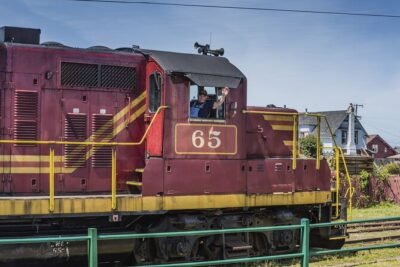
Skunk Train: Pudding Creek Express from Fort Bragg
Read our review →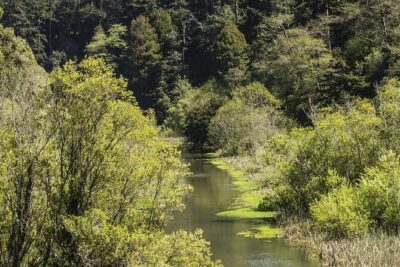
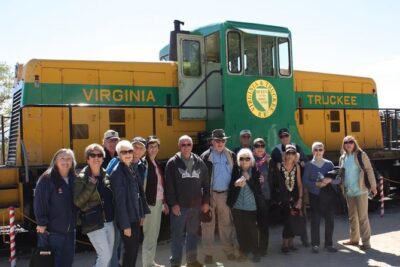
Wild West Day Trip to Virginia City from Tahoe with Train Ride
Read our review →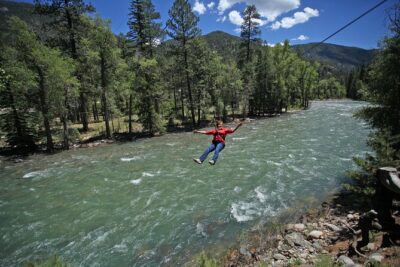
All-Day Guided Zipline Tour with Train Ride and Lunch in Durango
Read our review →
Chattanooga: Derailed Trolley Tour and Train Ride
Read our review →
Derailed Adventure – Chattanooga Trolley & Train Combo Tour
Read our review →Lists this ride appears on